
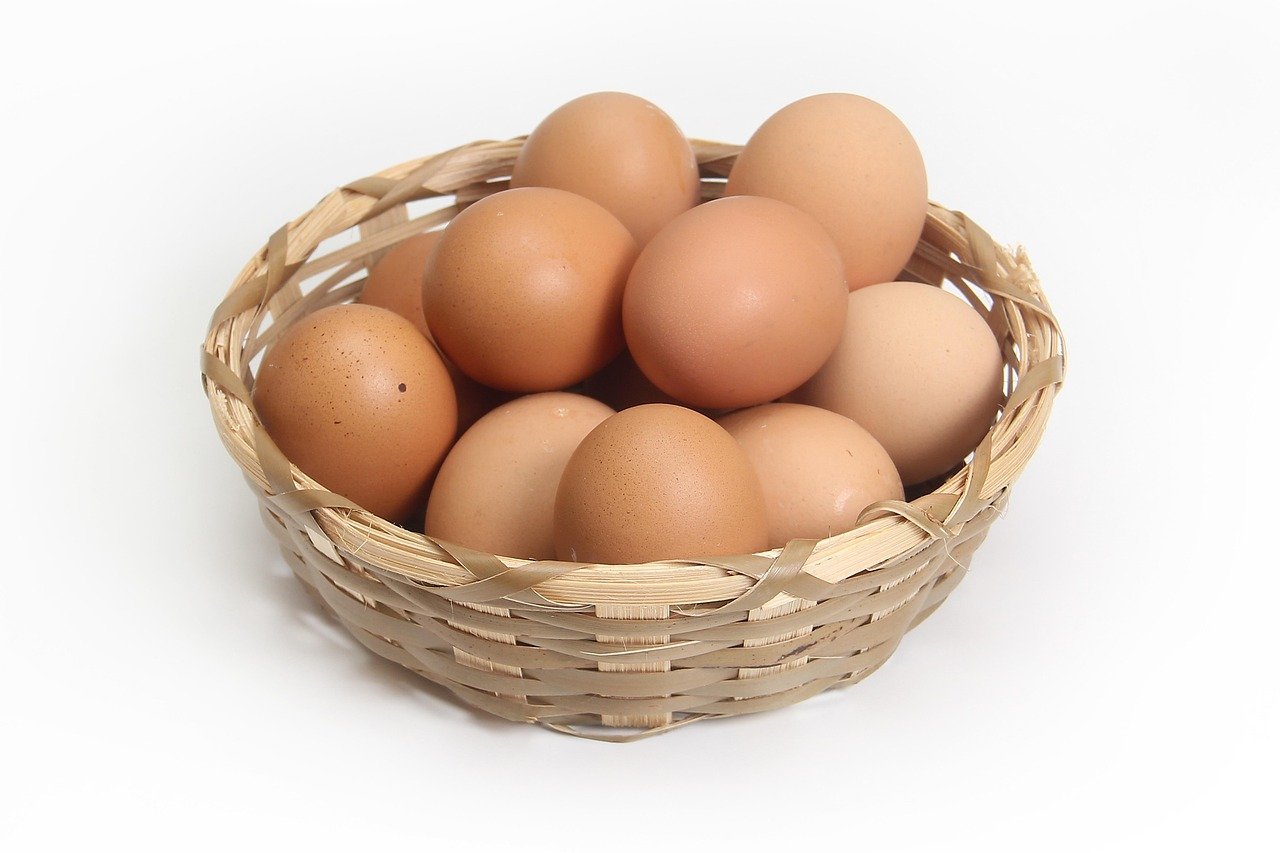
Which egg belongs in your basket: the cheap dozen, the pasture-raised carton at twice the price, or the omega-3 eggs with the fancy label? The question sounds simple until you stand in the refrigerated aisle. Eggs are one of the few foods where nutrition, animal welfare, food safety and marketing hype all collide in a single shell, and the labels do not always mean what shoppers assume.
This guide sorts the noise from the substance. It covers what “best” actually means depending on your priorities, how to read egg labels and codes, why cooking and storage habits matter more than most people think, and the mistakes that quietly ruin a good egg before it ever reaches your plate.
What Does “Best Egg” Actually Mean?
There is no single best egg. The right choice depends on what you value most, and those values sometimes pull in different directions. Someone feeding a toddler has different priorities than someone trying to eat more plant-based meals, and someone on a tight budget has different priorities than someone who wants to support a specific farming method.
Broadly, “best” breaks down into four dimensions:
- Nutrition: protein quality, vitamins and minerals, and how the hen’s diet shapes the final nutrient profile
- Welfare: how the hen lived, which is where labels like free-range and pasture-raised come in
- Safety: how likely the egg is to carry harmful bacteria and how you handle it at home
- Value: what you actually get for the price premium, which is often less than the packaging implies
Most shoppers optimize for one or two of these and ignore the rest. A useful exercise is to decide, before you shop, which two matter most to you. That single decision resolves most of the confusion in the egg aisle.
The Nutrition Case: Small Package, Dense Payload
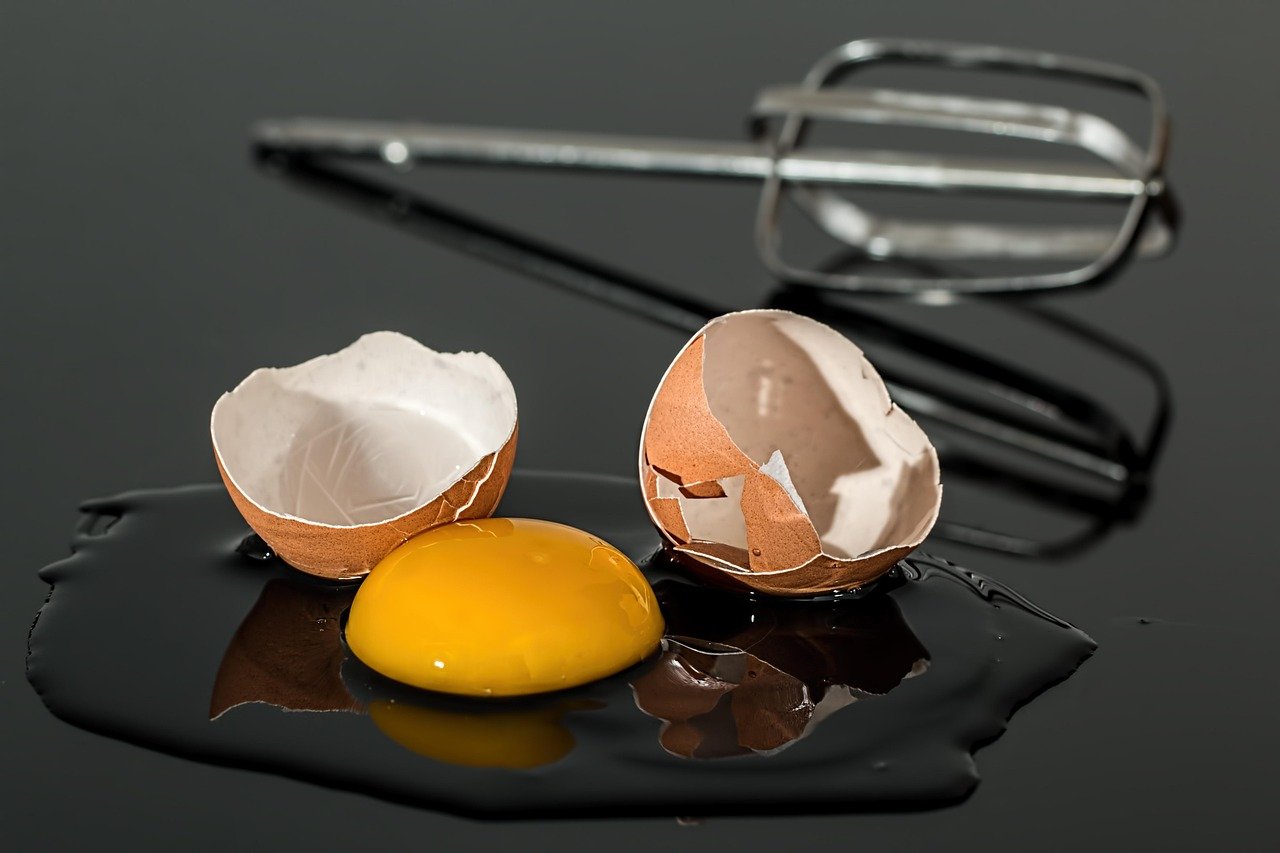
A large egg delivers roughly 70 to 80 calories and about 6 grams of high-quality protein, along with choline, vitamin B12, riboflavin, selenium and some vitamin D. For the calories, that is a remarkably efficient nutrient package, which is why eggs show up in so many traditional diets.
The cholesterol story deserves a reset. For decades, dietary advice capped cholesterol at around 300 mg per day, and one large egg carries roughly 186 mg. That cap was dropped in the 2015–2020 edition of the US Dietary Guidelines, and the current guidance emphasizes overall healthy eating patterns rather than a hard daily number. For most people, dietary cholesterol from eggs has a modest effect on blood cholesterol compared with saturated and trans fats. People with specific lipid disorders or existing cardiovascular disease should still get individualized advice from a clinician rather than relying on a general rule.
Are Omega-3 and Enriched Eggs Worth It?
Eggs marketed as omega-3 or enriched are not a different bird. The hen’s feed was formulated to shift the nutrient profile, typically by including flaxseed, algae or extra vitamins. That means the claim reflects feed formulation, and the size of the benefit varies by brand and by how much of the enriched feed the hen actually ate.
Are they worth the premium? If you eat eggs regularly and do not eat fish, an omega-3 egg is a reasonable small top-up. If you already eat oily fish twice a week, the marginal benefit is modest and the extra money may be better spent elsewhere. Enriched eggs are a convenience, not a transformation.
Welfare Labels: What They Really Promise
This is where the egg aisle gets genuinely misleading, because the same words carry different legal weight in different countries.
| Label | What it typically means | What to watch for |
|---|---|---|
| Cage-free | Hens not in cages, usually loose in a barn | No single federal legal definition for eggs in the US; stocking density varies widely |
| Free-range | Outdoor access for part of the day | Duration and quality of outdoor access vary; legally defined in the EU but not uniformly elsewhere |
| Pasture-raised | Hens on outdoor pasture with vegetation | Often certified by third parties; verify the certifier rather than relying on the phrase |
| Organic | Certified feed and management standards | Certification matters; the welfare specifics vary by scheme |
| Barn | Indoor loose housing, no outdoor access | A defined category in EU marketing standards |
The practical takeaway: vague terms deserve skepticism, and certification logos deserve more trust than adjectives. If a carton says “free-range” with no certifying body named, the claim may be true but unverifiable. If it names a certification scheme, you can look up that scheme’s actual standards. That is a five-minute check that tells you more than any slogan on the lid.
Egg Codes and Traceability
In the European Union, every shell egg is stamped with a code that reveals the farming method, country of origin and producer identifier. The first digit is the farming method:
- 0 for organic
- 1 for free-range
- 2 for barn
- 3 for cages
The next two letters are the country of origin, followed by the producer and farm identifiers. Once you know the code, you can verify a welfare claim without trusting the packaging. A carton that claims free-range but carries a code starting with 3 has a problem worth reporting.
The US has no equivalent universal stamp, which is exactly why certification marks matter more there. This asymmetry is a common source of confusion for shoppers who travel or read international food content.
Safety: The Part Most People Get Wrong
Eggs are a recognized source of Salmonella Enteritidis, and the risk is real but manageable. In the US, egg safety rules that took effect in 2010 introduced refrigeration requirements and on-farm measures for shell eggs. In the UK, advice updated in 2017 states that British Lion-marked eggs are safe for vulnerable groups to eat runny or raw.
Note the conflict: US guidance generally still tells vulnerable groups to cook eggs thoroughly, while UK guidance permits runny eggs for those groups if the eggs carry the Lion mark. The difference reflects different production and vaccination regimes, not a disagreement about biology. If you are pregnant, elderly, immunocompromised or cooking for a young child, follow the guidance of the country whose eggs you are actually eating.
The Temperature Rule That Matters
Cooking method changes nutrition only slightly. It affects protein digestibility and destroys some heat-sensitive vitamins, but the bigger issue is safety. Egg dishes should reach 160°F, about 71°C, to be considered safely cooked. A cheap instant-read thermometer is the single best egg accessory you can buy, and it costs less than a fancy carton.
Practical tips that actually work:
- Refrigerate promptly. In the US, refrigerate eggs from purchase to use. In countries where eggs are sold unrefrigerated, follow local advice and avoid sudden temperature swings.
- Cook to temperature, not to time. A timer tells you nothing about the inside of a frittata.
- Do not wash eggs before storing. Commercial eggs are already washed or protected according to local rules; home washing can compromise the shell’s defenses.
- Use the float test with caution. An egg that floats is old, not necessarily unsafe. Freshness and safety are different questions.
Colour, Size and Other Non-Signals
Shell colour depends on the hen’s breed, not on nutrition or quality. Brown eggs are not healthier than white ones. Yolk colour depends mainly on the hen’s diet, particularly carotenoids in the feed, so a deep orange yolk signals feed formulation rather than superior nutrition. Producers can and do adjust yolk colour deliberately.
Size matters mostly for cooking consistency. A recipe written for large eggs will behave differently with medium or jumbo ones. If you bake often, weighing eggs once will show you how much variability you are dealing with.
Freshness, Storage and Cooking
Freshness affects how an egg behaves in the pan more than how nutritious it is. Very fresh eggs hold their shape when fried; older eggs peel more easily when boiled. That is why the “best” egg for a poached egg and the “best” egg for a hard-boiled one are not the same egg. (Apple musics ipod easter egg 1029 songs mystery) (Egg as food)
Cooking methods and their trade-offs:
- Boiled and poached: minimal added fat, gentle on heat-sensitive nutrients
- Fried and scrambled: added fat matters more than the egg itself; low heat preserves texture
- Baked: convenient for batch cooking, but watch the internal temperature
The most common mistake is overcooking. High heat and long times turn eggs rubbery and can push the yolk’s sulfur compounds into a grey-green ring. Lower heat and shorter times produce better texture and a more pleasant eating experience.
What Actually Works When You Shop
After all the label reading, the practical routine is refreshingly short:
- Decide your top two priorities before you leave the house.
- Check the date and the certification marks, in that order.
- Compare price per egg, not price per carton.
- Buy the freshest carton you can if you plan to poach or fry.
- Store and cook them properly, because handling matters more than most label differences.
The last point is the one people skip. A well-handled supermarket egg will usually serve you better than a neglected premium egg. If you enjoy food trivia while you shop, there is a fun parallel in how a hidden detail can change a product’s story, much like the Apple Music iPod easter egg with its 1029-song mystery, or the way a single casting decision reshapes a series, as with the cast of A Knight of the Seven Kingdoms and who plays Dunk and Egg. (What You Need to Know About Egg Safety)
Common Mistakes to Avoid
A few habits quietly undermine good egg choices:
- Paying for labels you cannot verify. If the carton does not name a certifier, treat the claim as marketing.
- Assuming brown means better. It does not.
- Ignoring the date code. Freshness affects cooking performance more than most shoppers expect.
- Overcooking for safety. Temperature, not duration, is the reliable measure.
- Storing eggs in the door. The door is the warmest, most temperature-variable spot in most fridges.
Conclusion
The best egg is not a single product on a shelf. It is the egg that matches your priorities, comes with a claim you can verify, and gets handled well once you bring it home. Nutritionally, eggs are hard to beat for the calories. On welfare, certification beats adjectives. On safety, temperature and refrigeration beat guesswork. On value, price per egg and honest labels beat fancy packaging.
Start with your two priorities, read the code and the certifier, and cook to temperature. That short routine will do more for the quality of your breakfast than any premium carton ever will.
Frequently Asked Questions
Are brown eggs healthier than white eggs?
No. Shell colour comes from the hen’s breed, not from nutrition or quality. Brown and white eggs can be nutritionally identical, and any differences come from the hen’s feed and living conditions rather than the shell.
Are omega-3 eggs worth the extra money?
They can be a reasonable small top-up if you rarely eat fish, because the omega-3 content comes from the hen’s feed. If you already eat oily fish regularly, the marginal benefit is modest and the premium may not be worth it.
Can pregnant women eat runny eggs?
It depends on where you live and which eggs you buy. UK advice says British Lion-marked eggs are safe for vulnerable groups to eat runny or raw, while US guidance generally recommends thorough cooking for those groups. Follow the guidance for the country whose eggs you are eating.
What is the number on European egg shells?
The first digit shows the farming method: 0 for organic, 1 for free-range, 2 for barn and 3 for cages. The letters that follow show the country of origin, and the remaining digits identify the producer and farm.
Does the cooking method change an egg’s nutrition?
Only slightly. Heat affects protein digestibility and destroys some heat-sensitive vitamins, but the bigger concern is safety. Cooking egg dishes to 160°F, about 71°C, is the reliable way to reduce bacterial risk.
How should eggs be stored at home?
Keep them refrigerated and consistent in temperature, and avoid the fridge door, which fluctuates most. Do not wash eggs before storing, and follow local advice if your country sells eggs unrefrigerated.



