
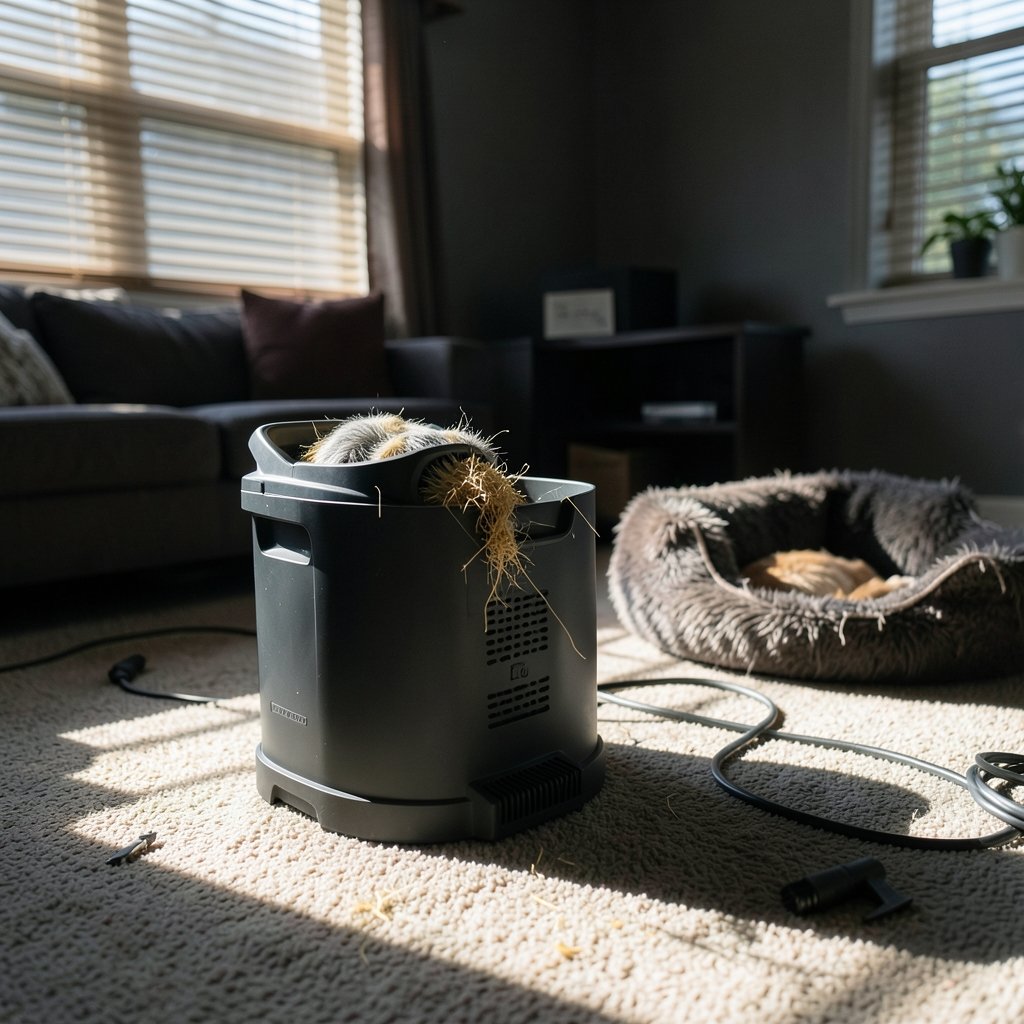
What good is a vacuum that scores well in a lab but chokes on the first tumbleweed of golden retriever fur? That question sits behind every “top rated pet vacuum” list, and it’s why so many shoppers end up frustrated. The ratings look impressive. The marketing is loud. Then the brush roll wraps itself in hair within a week, the bin empties in a cloud of dander, and the whole machine starts to feel like a chore instead of a tool.
The honest answer is that “top rated” is not a single badge handed out by a single authority. It’s a moving target that depends on who ran the tests, what they measured, and how much of their testing actually involved pet hair rather than rice and sand. This guide unpacks what the ratings really mean, which specs matter for pet owners, and how to translate a star rating into a machine that works in a home with fur, dander, and the occasional accident.
Why “top rated” means different things to different testers
Every major testing organization builds its own scoring system. One might weight carpet pickup heavily. Another might emphasize emissions and filtration. A third might focus on how easy the bin is to empty. When those systems produce different winners, it’s not a scandal. It’s just arithmetic.
| Tester type | What they typically weigh | What that means for pet owners |
|---|---|---|
| Consumer labs | Carpet pickup, bare-floor pickup, pet-hair pickup, emissions, noise | Closest to a real pet-home test, but still a snapshot |
| Review publications | Ease of use, runtime, value, handling | Good for daily-life friction, lighter on filtration data |
| Retailer ratings | Owner satisfaction, durability complaints | Reveals long-term problems labs miss in a week |
| Manufacturer specs | Suction, bin size, filter type | Useful for screening, unreliable for ranking |
The practical takeaway: a vacuum that tops one list and lands mid-pack on another is not necessarily bad. It may simply be strong in one dimension and average in another. The smarter move is to read two or three sources, find the areas where they agree, and treat disagreement as a signal to dig into the details yourself.
The pet-specific features that separate real performers from pretenders
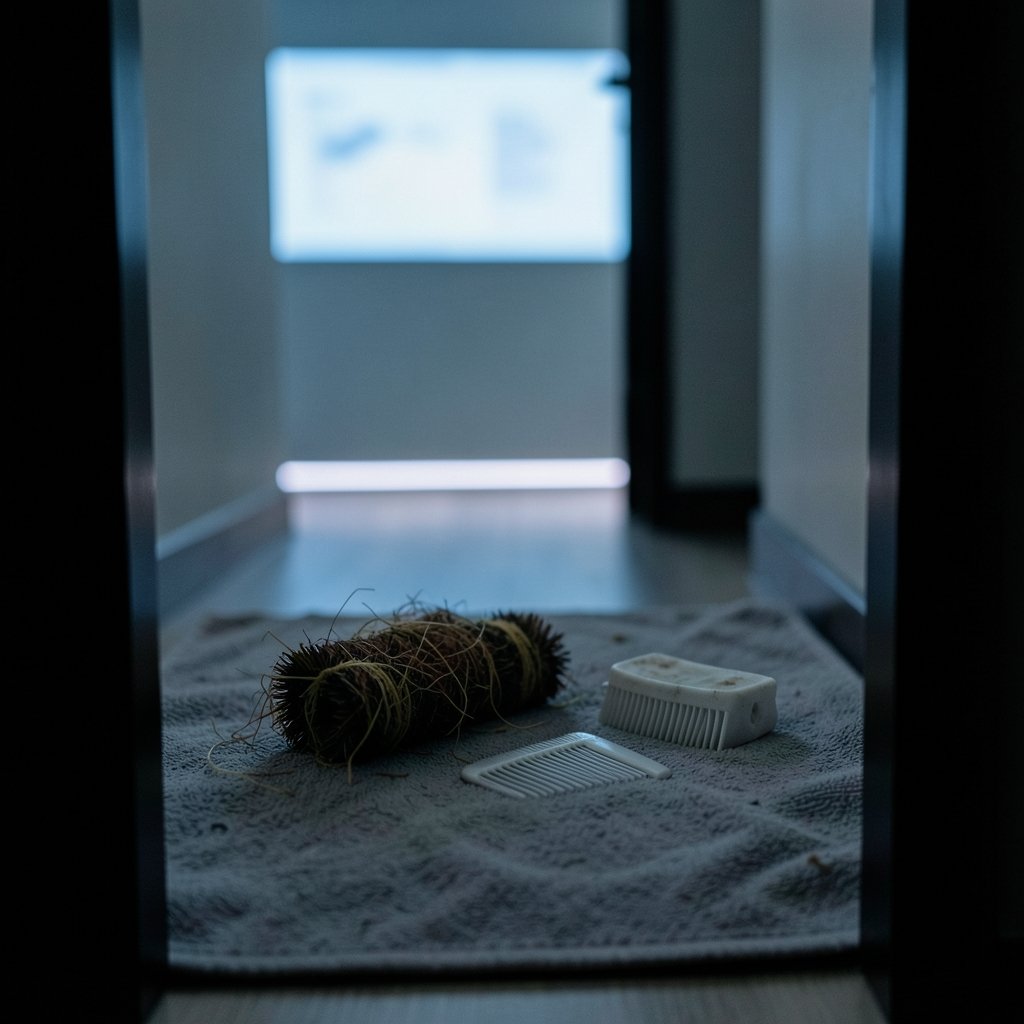
Most vacuums clean bare floors competently. Pet homes ask more. They ask for hair pickup on carpet, upholstery, and stairs, plus filtration that keeps allergens from launching back into the air.
Tangle-resistant brush rolls
Long human hair and pet fur wrap around traditional bristle brushes, and once a roll is matted, pickup drops fast. Rubber or finned brush rolls, and designs with built-in combs, shed hair into the bin instead of winding it tight. If a household has both shedding pets and long-haired humans, this feature matters more than raw suction numbers. The same principle explains why some machines handle long human hair far better than others, and pet fur behaves much the same way. (Best vacuums for pet hair)
Sealed HEPA filtration
HEPA is a defined standard, not a vibe. Under the IEST-RP-CC001 classification, a true HEPA filter captures at least 99.97% of particles at 0.3 micrometers. But here’s the catch that trips up buyers: a HEPA filter inside a leaky machine still releases fine dust from its seams. What matters for allergy sufferers is whole-machine emission, which is what the ASTM F1977 test method measures. A vacuum marketed as “HEPA” without a sealed system is only halfway there.
This is not a minor detail. Cat and dog allergens ride on small particles that settle into carpets, upholstery, and bedding, and reducing those reservoirs is a standard part of allergen avoidance. A vacuum that stirs allergens back into the air works against its own purpose.
A bin you can empty without a dust cloud
Small annoyances compound. A bin that requires reaching inside, or one with a flimsy latch that pops open mid-carry, turns every empty into a small mess. Bottom-empty designs are convenient but can puff dust if the bag or bin is overfilled. Look for wide openings and a release that drops contents cleanly.
Tools that reach where pets actually shed
Stairs, sofa cushions, car seats, and the crevice between the mattress and headboard are pet-hair hotspots. A motorized pet tool or a well-designed upholstery nozzle does more for these spots than a bigger main brush. Many buyers overlook this and then discover the included tools are flimsy afterthoughts.
Upright, canister, cordless, or robot: matching form to the home
There’s no universal winner here, only trade-offs. Uprights tend to suit large carpeted areas and let you cover ground quickly. Canisters shine on stairs, upholstery, and mixed flooring because the wand and hose do the reaching. Cordless models trade runtime for convenience, with typical runs of roughly 20 to 60 minutes depending on mode, and suction that fades as the battery drains. Robots handle maintenance cleaning between deep sessions.
A useful way to think about it:
- Map the home’s surfaces. Count carpeted rooms versus hard floors and note how many stairs exist.
- Identify the shedding hotspots. Beds, sofas, and car interiors often need more attention than open floor.
- Decide how much effort is realistic. A vacuum that’s a hassle to assemble won’t get used daily.
- Consider a two-machine setup. A cordless for quick daily passes plus a corded upright or canister for deep cleans often beats one do-everything unit.
That last point deserves emphasis. Many pet owners chase a single perfect vacuum and end up compromising. Pairing tools is often the more practical answer, and it’s the same logic behind choosing a vacuum mop combo for hard floors alongside a dedicated carpet machine.
Where top-rated vacuums tend to fall short in pet homes
Even well-reviewed machines have weak spots, and knowing them in advance prevents disappointment.
Weight and noise. Many pet-capable vacuums exceed 7 kg and run above 70 dB(A). For older owners or anyone with mobility limits, hauling a heavy upright up stairs is a genuine barrier. Noise matters too, because skittish pets learn to flee at the first sound, which makes cleaning around them harder.
Runtime honesty. Cordless suction claims are usually measured at the lowest power setting. On max mode, runtime can halve. If a home is large, a cordless may not finish the job on one charge.
Filter maintenance. Washable filters need regular rinsing and full drying, and a damp filter can grow odors. Neglected filters choke airflow and reduce pickup, which owners often blame on the machine rather than the maintenance schedule.
Brush roll tangles. Even “tangle-free” designs can collect hair at the ends of the roll. A monthly five-minute cleanup prevents most performance complaints.
Practical habits that get more out of any pet vacuum
The machine is only half the equation. Technique and routine do the rest, and these habits cost nothing.
- Vacuum slowly and overlap passes. Rushing over carpet leaves embedded hair behind. Slow passes with overlap lift far more.
- Use the right height setting. A brush roll set too high skips the pile; too low can stall the motor on plush carpet.
- Clean the brush roll monthly. Scissors and a seam ripper handle wrapped hair quickly.
- Empty the bin before it’s full. Airflow drops sharply when the bin is packed, and full bins stress the motor.
- Vacuum upholstery and beds as well as floors. These are where allergens concentrate.
- Replace or wash filters on schedule. Follow the manual rather than waiting for a visible clog.
One common mistake deserves a mention: vacuuming immediately after a pet sheds heavily, then assuming the job is done. Allergen reservoirs in carpet and fabric refill within days. Regular, moderate cleaning beats occasional deep sessions.
Common mistakes people make when buying a pet vacuum
The biggest error is buying on suction claims alone. Suction is easy to market and hard to compare, and it says nothing about filtration, tangle resistance, or how the machine behaves in a real home. A close second is ignoring the weight and noise specs until the box arrives.
Another frequent misstep is dismissing robot vacuums as toys. Modern robots handle daily fur patrol well, though they need help. Cliff sensors can misread dark flooring, which is why some robots behave oddly on black carpet, and wheels occasionally jam on cords or rug edges. Knowing the fixes in advance saves a lot of frustration. Owners who pair a robot’s daily passes with a corded deep clean often report the cleanest floors with the least effort.
Finally, many buyers forget the pet-hair tools question entirely. A vacuum with excellent carpet pickup but a useless upholstery nozzle leaves sofas and car seats to a lint roller. Check what’s in the box before committing.
How to read reviews without getting fooled
Owner reviews are valuable, but they need filtering. Look for reviews written after several months of use, since early reviews tend to reflect excitement rather than durability. Search within reviews for the specific pet type and flooring in the home, because a vacuum that excels on hardwood may struggle on thick pile. Watch for repeated complaints about the same part, such as a cracked bin latch or a failing battery, since patterns matter more than single bad experiences.
Lab ratings and owner reviews answer different questions. Labs tell you how a machine performs on day one under controlled conditions. Owners tell you how it holds up after a year of real fur. A vacuum that scores well on both is the closest thing to a safe bet.
It also helps to check for recalls before buying any specific model. Recall databases list safety issues that no review will mention, and a quick check takes seconds.
Conclusion
The best pet vacuum isn’t the one with the most stars on a single list. It’s the one whose strengths match a specific home: the right form factor for the floors, a sealed filtration system for the allergy sufferers, a brush roll that survives the shedding season, and a weight and noise level the owner can live with daily. Ratings are a starting point, not a verdict. Read across sources, weigh the specs that matter for pets rather than the ones that photograph well, and plan for maintenance. Do that, and the fur problem becomes a routine instead of a recurring battle.
Frequently asked questions
What does “top rated” actually mean for a pet vacuum?
It means the vacuum scored well under one particular tester’s methods. Different organizations weigh carpet pickup, emissions, noise, and ease of use differently, so rankings often conflict. A machine that leads one list may sit mid-pack on another. The label is a signal worth investigating, not a guarantee.
Is a HEPA filter enough to control pet allergens?
Not on its own. A true HEPA filter captures at least 99.97% of particles at 0.3 micrometers, but if the vacuum’s body leaks, fine dust escapes before reaching the filter. Whole-machine emission testing, such as the ASTM F1977 method, is the better indicator for allergy sufferers. Look for sealed-system designs rather than filter claims alone.
Do robot vacuums work in homes with pets?
They can, as daily maintenance machines. Robots handle surface fur well and reduce the frequency of deep cleans. They struggle with heavy shedding on thick carpet, tangled cords, and dark flooring that confuses cliff sensors. Most pet households get the best results pairing a robot with a corded vacuum for periodic deep cleaning.
How often should a pet vacuum’s filter be cleaned?
Follow the manufacturer’s schedule, which is usually every one to three months for washable filters. In heavy-shedding homes, check monthly. Rinse and let the filter dry completely before reinstalling, since a damp filter encourages odors and restricts airflow. Replacing filters at the recommended interval keeps suction steady.
Why does my vacuum lose suction so quickly with pet hair?
The usual culprits are a full bin, a clogged filter, or hair wrapped around the brush roll. Pet fur fills bins faster than expected and mats brush rolls within weeks. Emptying the bin before it’s full, rinsing filters on schedule, and clearing the brush roll monthly usually restores performance without a repair.
Is a heavier vacuum better for pet hair?
Not necessarily. Weight often reflects motor size and bin capacity, but it also affects usability. Machines above 7 kg become tiring on stairs and difficult for older or disabled owners. A lighter vacuum with strong filtration and a good brush roll frequently outperforms a heavy model in daily practice, simply because it gets used more often.



