What happens when a breakfast chain built on scratch-made biscuits and community tables suddenly goes quiet? That is the question thousands of regulars asked when news spread that Maple Street Biscuit Company was closing locations. For a brand that sold comfort food and a sense of neighborhood, the shutdown felt personal. This article breaks down what happened, why it matters, and what customers and communities should understand about a restaurant chain winding down. (Chain restaurant)
What Is Maple Street Biscuit Company?
Maple Street Biscuit Company is a Southern-style breakfast and brunch chain known for made-from-scratch biscuits, fried chicken, and gravy. The company started in Jacksonville, Florida, in 2012 and grew into a regional favorite across the Southeast. Its menu leaned on comfort staples: biscuit sandwiches, waffles, and strong coffee served in a casual, communal setting.
The brand built its identity around the idea of a “neighborhood gathering place.” Servers were called “community leaders,” and the dining rooms were designed to feel like a friend’s kitchen rather than a fast-casual assembly line. That positioning helped it stand out in a crowded breakfast market.
In 2019, the chain was acquired by Cracker Barrel Old Country Store, a major player in Southern comfort dining. The acquisition gave Maple Street access to larger corporate resources, but it also tied the brand’s fate to a parent company with its own strategic priorities. That relationship would later become central to how the closures unfolded.
Why Did Maple Street Biscuit Company Close?
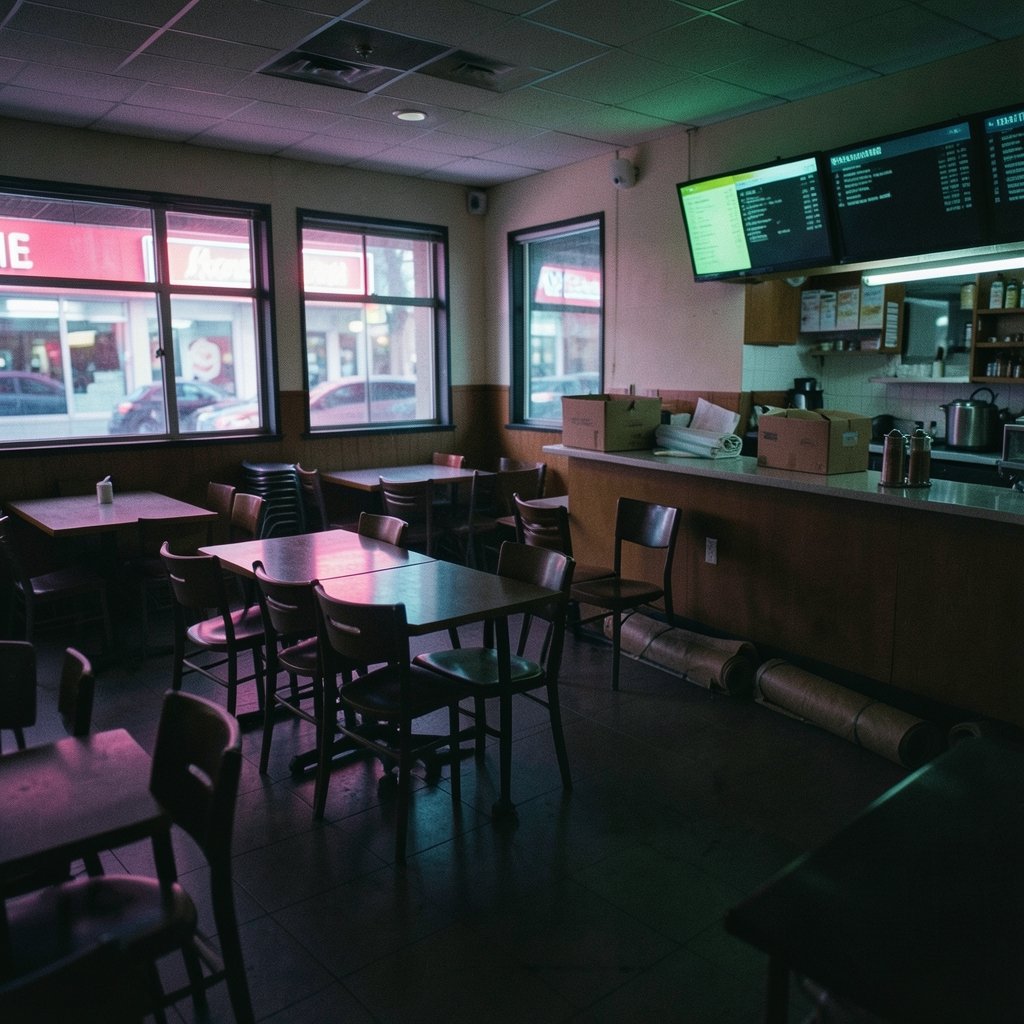
The closures did not happen in a vacuum. They came as part of a broader corporate restructuring at the parent-company level. When a large restaurant group reassesses its portfolio, smaller brands often bear the brunt of the decisions. Maple Street, despite its loyal following, was not immune to that pressure.
Several forces typically drive a chain to close locations:
- Portfolio rationalization. Parent companies periodically prune brands or stores that underperform relative to capital costs.
- Rising operating costs. Food, labor, and rent inflation squeeze margins at breakfast concepts, which often rely on high volume to stay profitable.
- Real estate decisions. Some leases become untenable when traffic patterns shift or when a location no longer fits the brand’s footprint.
- Strategic refocus. A parent may choose to concentrate resources on its flagship brand rather than spread them across multiple concepts.
For diners, the practical takeaway is that a closure is rarely about one bad month. It is usually the result of a longer calculation about where money and attention are best spent. That pattern shows up across the restaurant industry, not just at Maple Street.
The Corporate Context: Parent Companies and Brand Closures
Maple Street’s story is a case study in how corporate ownership shapes a restaurant’s future. When a smaller brand is folded into a larger company, decisions about expansion and contraction move up the chain. Local managers may have little say in whether a store stays open.
This dynamic is common. Large restaurant groups routinely acquire promising regional brands, scale them, and later reassess. Sometimes the brand thrives under new ownership. Sometimes it becomes a line item to be trimmed. The outcome depends on performance, market conditions, and the parent’s broader strategy.
Understanding ownership structures helps consumers make sense of sudden closures. The same logic applies across industries, from restaurants to automakers. For readers curious about how corporate ownership works in other sectors, an explainer on who owns the Audi company shows how brand identity and parent-company control can diverge. Similar questions arise in media and retail, where ownership changes ripple through to customers. (Who owns kia company)
What the Closures Mean for Customers
For regulars, the most immediate impact is the loss of a familiar breakfast spot. Maple Street built loyalty through consistency and a welcoming atmosphere, so closures hit harder than a typical fast-food shutdown. Customers who planned weekend brunches around a specific location now have to find alternatives.
There are practical considerations too:
- Gift cards and loyalty balances. When a chain closes locations, customers should check whether remaining stores or the parent company will honor outstanding balances.
- Local alternatives. Independent biscuit shops and regional breakfast chains often fill the gap, and many communities rally around them after a closure.
- Franchise versus corporate locations. Not all closures affect every store equally. Some locations may be franchisee-operated and follow a different timeline.
The best advice for customers is to verify the status of a specific location directly rather than relying on social media rumors. Closure announcements can be piecemeal, and a store listed as closing may remain open longer than expected. (Closing or selling a business (SBA guide))
How Communities Respond to Restaurant Closures
A restaurant closure is more than a business event. It affects employees, suppliers, and the neighborhoods that surrounded the store. Breakfast spots often serve as informal community hubs, and their absence leaves a gap that is hard to fill.
Employees are usually the most affected group. When a location closes, staff face sudden job loss and the scramble to find new work. Communities sometimes respond with job fairs, local fundraising, and word-of-mouth support for displaced workers. Local news outlets often cover these stories because the human impact is tangible.
Suppliers feel it too. Small farms, bakeries, and coffee roasters that supplied a location may lose a steady account. The ripple effect of a single closure can extend well beyond the storefront.
The Broader Restaurant Industry Picture
Maple Street’s closures fit into a wider pattern of restaurant industry consolidation and correction. The past several years have been turbulent for casual dining. Rising costs, changing consumer habits, and the lingering effects of the pandemic have forced many chains to rethink their footprints.
Breakfast and brunch concepts face particular pressure. They often depend on weekend traffic and higher labor costs for made-from-scratch preparation. When margins tighten, scratch cooking becomes harder to sustain at scale. Chains that once prided themselves on fresh preparation sometimes simplify menus or close underperforming stores to protect the bottom line.
Industry analysts frequently point to store-level profitability as the deciding factor. A location that looks busy on Saturday morning can still lose money over a full year once rent, labor, and food costs are tallied. That math is often invisible to customers, which is why closures can feel sudden and unexplained.
Lessons From Other High-Profile Closures
Restaurant closures rarely happen in isolation, and they often follow a recognizable script. A parent company announces a strategic review, then a round of store closures, then a refocus on core brands. Maple Street’s situation mirrors this pattern.
Other industries offer useful parallels. When a company decides to shut down a division or brand, the decision usually reflects a portfolio-level calculation rather than a single failure. For instance, coverage of how EA closes BioWare’s four-bets portfolio in 2026 illustrates how corporate strategy can reshape creative brands overnight. The same logic applies to restaurant chains: ownership priorities drive outcomes.
Consumers who understand this pattern are less likely to be blindsided. They learn to watch for signals like parent-company earnings reports, leadership changes, and shifts in brand messaging.
What Happens Next for the Brand
Whether Maple Street Biscuit Company disappears entirely or survives in a reduced form depends on decisions made at the corporate level. Some brands shrink to a handful of flagship locations and rebuild from there. Others are sold off or wound down completely.
For now, the key questions are:
| Question | What to Watch |
|---|---|
| Will remaining locations stay open? | Parent-company press releases and store locator updates |
| Will the brand be sold? | Corporate filings and industry news |
| Will employees be supported? | Local reporting and company statements |
| Will gift cards be honored? | Official customer service announcements |
Customers who want clarity should check official channels rather than relying on secondhand reports. Corporate communications often lag behind local news, and the full picture can take weeks to emerge.
Practical Tips for Diners Facing a Closure
If your favorite location is closing, a few practical steps can help:
- Check the store locator. Confirm which locations remain open before making a trip.
- Use up gift cards early. Redeem balances at open locations while they are still operating.
- Ask about loyalty programs. Find out whether points or rewards transfer to other brands under the same parent.
- Support local alternatives. Independent breakfast spots often welcome new regulars warmly.
- Follow official announcements. Company websites and verified social accounts are the most reliable sources.
A common mistake is assuming a closure is immediate. Some locations stay open for weeks or months after an announcement, and timelines can shift. Another mistake is trusting unofficial social media posts that spread outdated information.
Conclusion
The closure of Maple Street Biscuit Company locations is a reminder that even beloved brands operate within larger corporate systems. Ownership, costs, and strategy all play a role in whether a restaurant stays open. For customers, the loss is personal; for the industry, it is a familiar chapter in the ongoing story of consolidation and change. The biscuits may be gone from some corners, but the lessons about how brands rise and fall remain useful for anyone who cares about where their breakfast comes from.
Frequently Asked Questions
Why did Maple Street Biscuit Company close locations?
The closures came as part of broader corporate restructuring and portfolio decisions at the parent-company level. Rising operating costs and store-level profitability also played a role, as they do across the casual dining industry.
Is Maple Street Biscuit Company shutting down entirely?
Not necessarily. Closures often affect a subset of locations rather than the entire brand. Customers should check the official store locator and company announcements to confirm which locations remain open.
What happens to gift cards if a location closes?
Gift card policies vary. In many cases, balances remain valid at other open locations or through the parent company. Customers should contact official customer service for confirmation rather than relying on rumors.
Will employees be taken care of after a closure?
Support for employees depends on the company’s decisions. Some chains offer severance or transfer opportunities, while others provide limited notice. Local reporting often tracks how displaced workers are supported by their communities.
How can I find out if my local Maple Street is closing?
The most reliable sources are the company’s official website, verified social media accounts, and local news outlets. Store locator tools are usually updated as closures are finalized.
What should I do if I want to support affected workers?
Communities often organize job fairs, fundraising efforts, and local networking for displaced restaurant staff. Following local news and community boards is the best way to find ways to help.
The pattern is unlikely to reverse soon. Restaurant groups are entering a period in which capital discipline matters more than unit count, and brands that cannot demonstrate consistent store-level returns will keep facing scrutiny. For Maple Street, that means the next chapter will be written by balance sheets as much as by biscuit recipes. Whether the brand emerges smaller but healthier, or fades into the portfolio history of its parent, depends on decisions that customers will only see after the fact. What remains constant is the lesson: loyalty alone does not keep a restaurant open. Rent, labor, food costs, and corporate priorities all sit at the table, and when they stop adding up, even a Saturday-morning line out the door is not enough to save a location. Diners who understand that dynamic can plan accordingly, support the spots they value while they last, and watch official channels for the announcements that matter. The story of Maple Street is still unfolding, and like most corporate sagas, its final chapter will be decided far from the storefront.