
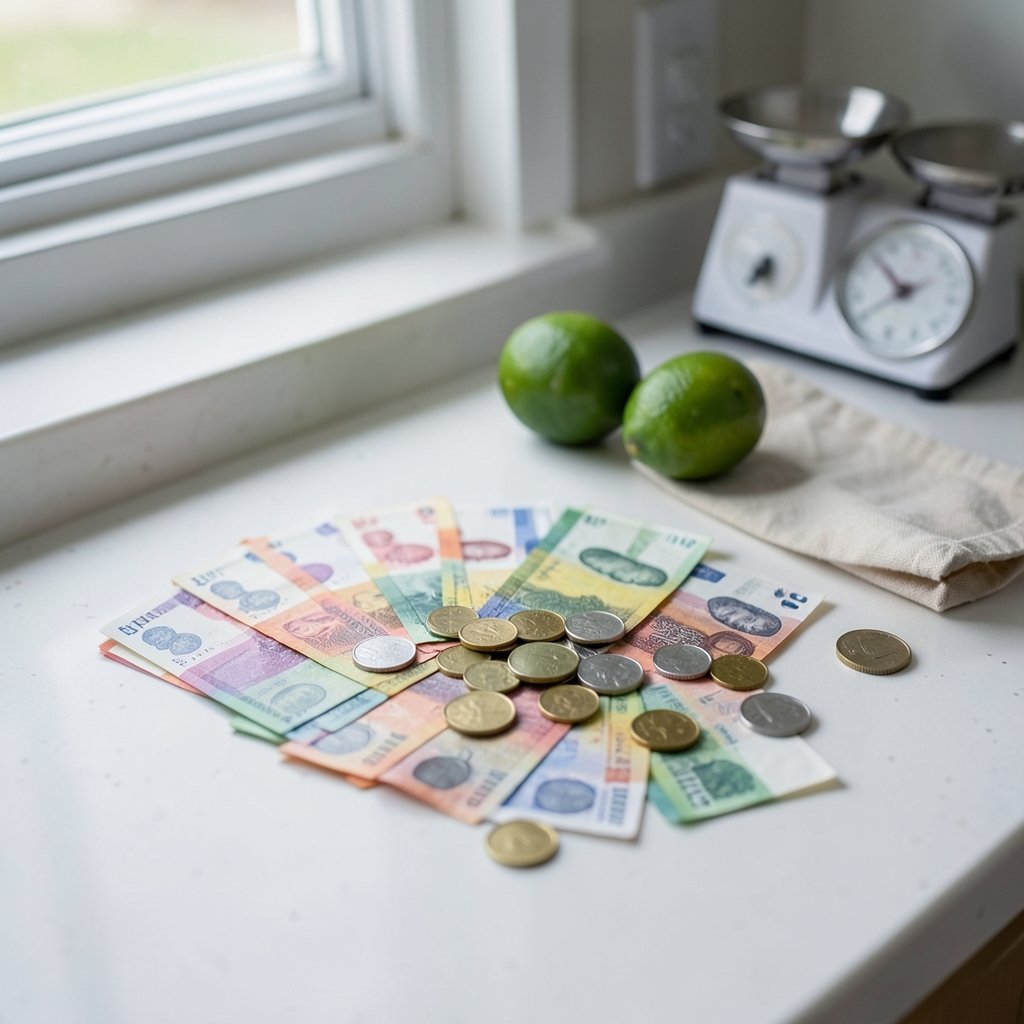
What do you actually know about Mexican money beyond the fact that it comes in colorful bills and has a name that sounds a little like “weight”? Most travelers learn the peso the hard way: at a currency counter, squinting at a receipt, or realizing too late that the number on the price tag wasn’t dollars. Yet the peso is one of the most traded currencies on the planet, the anchor of Latin America’s second-largest economy, and a daily lifeline for millions of families who depend on money sent home from abroad. Understanding it takes about ten minutes and saves a lot of confusion. (The Fed Explained: Who We Are)
The Peso’s Real Name and the Symbols That Confuse Everyone
The currency’s official name is the Mexican peso, and its international code is MXN, assigned under the ISO 4217 standard that gives every currency a three-letter identifier so banks and payment systems never mix them up. The ISO 4217 currency code system itself is maintained by SIX Group, and it’s the reason your bank statement says MXN instead of just “$.”
That dollar sign is the first trap. Inside Mexico, prices are written with the same “$” symbol used for the US dollar, so a menu might read “$150” and mean 150 pesos, not 150 dollars. To avoid chaos in international contexts, writers often use MX$ or MXN instead. If you see a bare “$” on a Mexican website, assume pesos unless the page is clearly aimed at foreign buyers.
A second trap is the word “peso” itself. Several countries use it, including Argentina, Chile, Colombia, and the Philippines, and their pesos have wildly different values. A Mexican peso and an Argentine peso are not interchangeable, and quoting one when you mean the other can turn a budget conversation into a disaster.
A Short History That Explains Today’s Numbers
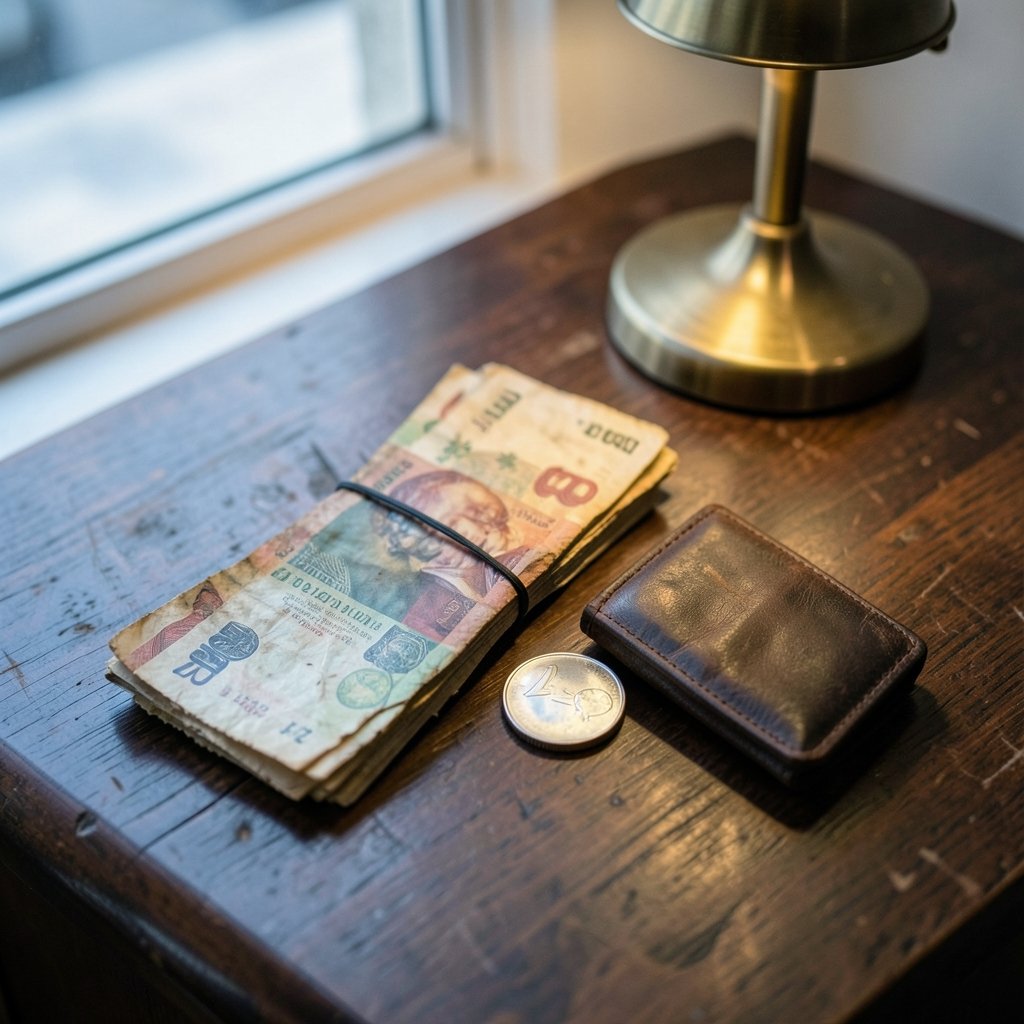
Mexico’s currency has been through a genuine reset. In January 1993, the country introduced the nuevo peso, which replaced the old peso at a rate of 1,000 to 1. Prices were divided by a thousand overnight. The word “nuevo” was dropped from the name in 1996, which means the peso in your pocket today is technically the same unit created in 1993, just without the awkward adjective.
The central bank, Banco de México (usually shortened to Banxico), was founded in 1925 and gained constitutional autonomy through a 1993 reform that took effect in 1994. That independence matters more than it sounds. A central bank that can set interest rates without political interference is the main defense against the kind of runaway inflation Mexico suffered in the 1980s. Since 2001, Banxico has run a formal inflation-targeting regime with a target of 3% and a tolerance band of plus or minus one percentage point. When inflation drifts outside that band, expect headlines about rate hikes and a jittery peso.
For anyone tracking how a currency’s purchasing power erodes over time, the mechanics are worth studying, and the same forces that make central bank policy expensive to get wrong apply to private institutions too, as this breakdown of where identity threat detection money really goes shows.
Coins, Bills, and the Design Stories Behind Them
Mexico’s current banknote family, known as the G series, began circulating in 2018 and rolled out gradually across denominations. The series mixes paper and polymer: lower denominations are printed on plastic for durability, while higher ones stay on paper. A 2,000-peso note joined the lineup in 2023, which tells you something about how price levels have shifted over the decades.
The designs are genuinely interesting beyond collectors. A 50-peso note commemorating the founding of Tenochtitlan won the International Bank Note Society’s Banknote of the Year award for 2021, an annual prize the International Bank Note Society gives to the most impressive new note issued anywhere in the world. Mexico’s notes lean heavily on history and ecology: pre-Hispanic figures, independence-era leaders, and UNESCO-listed landscapes and wildlife.
In practice, here’s what trips people up:
- Old and new notes circulate together. When a new series arrives, the previous one keeps legal-tender status for a long stretch. Don’t panic if a shop hands you a worn bill.
- Coins come in small denominations that add up. The 50-centavo coin and the 1, 2, 5, and 10-peso coins are all in daily use. Vendors rarely have change for a 500-peso note early in the morning.
- Counterfeit checks are routine. Cashiers hold large notes up to the light or run a marker across them. It’s normal, not an accusation.
- Cards are widely accepted in cities, less so in markets. Carry small bills for taxis, street food, and rural areas.
What Actually Moves the Peso’s Value
The peso is a free-floating currency, meaning its price is set by supply and demand in global markets rather than pegged to the dollar by decree. That makes it sensitive, liquid, and heavily traded around the clock. Two forces dominate.
The first is interest rates. When Banxico keeps rates high relative to the US Federal Reserve, foreign capital flows in looking for yield, and the peso strengthens. When rate differentials narrow, that money can leave quickly.
The second is risk sentiment. The peso is what traders call a proxy for emerging-market confidence. Political uncertainty at home, trade tensions with the United States, or a global flight to safety can knock it down fast. In 2024 and 2025, concerns around judicial reform and cross-border trade policy made the peso one of the more volatile emerging-market currencies, with swings that caught both tourists and exporters off guard. Exact peak and trough levels differ by source and date, so check the official rate rather than trusting a number from a social media post.
This volatility is not abstract. It shows up in the price of imported electronics, in the cost of a vacation, and in the margins of any business that earns in pesos and pays in dollars. The same logic of hidden costs applies to security budgets, where the line items people forget often matter most, as this look at where threat intelligence money actually goes illustrates.
Remittances: The Money That Holds Families Together
Here’s the number that surprises most outsiders. Money sent home to Mexico from workers abroad, known as remittances, hit record levels recently, reaching roughly US$63–65 billion in 2023 and a similar range in 2024. Those flows rival foreign direct investment and oil revenue as a source of foreign currency, and they arrive in small amounts, often a few hundred dollars at a time, wired through agencies and apps.
The human side matters more than the macro side. A remittance is usually rent, school fees, medicine, or a roof repair. When the peso weakens, the same dollar transfer buys more pesos, so families in Mexico effectively receive a raise. When the peso strengthens, that same transfer stretches less. Entire regional economies in states like Michoacán, Guerrero, and Oaxaca are shaped by this exchange-rate arithmetic.
The flip side is fraud. Scams targeting both senders and receivers are common, and once money leaves through a fraudulent transfer, recovery is rare, a pattern that repeats across many types of payment fraud, as this explanation of why gift card scam victims rarely get their money back makes clear. The practical rule: use established channels, verify recipient details twice, and be suspicious of anyone who pressures you to send cash fast.
Using Mexican Money Without Getting Burned
Practical habits beat theory every time. These are the ones that actually work.
Know the rough rate before you land. Airport currency counters routinely offer the worst spreads. A quick check of the official exchange rate before you travel gives you a benchmark, and Banxico publishes the official FIX rate with its methodology explained on its exchange-rate page.
Withdraw from bank ATMs, not standalone machines. Bank-branded ATMs inside branches tend to have lower fees and better security. Decline the ATM’s own “conversion” offer and let your home bank handle it; the machine’s rate is usually worse.
Pay in pesos when a card terminal offers a choice. Terminals often ask whether to charge you in pesos or your home currency. Choosing pesos keeps the conversion with your bank, which is almost always cheaper.
Keep a cash buffer. Cards fail. Networks go down. A few hundred pesos in small bills solves most emergencies.
Budget for the “just in case” costs. Travel money behaves like any other budget: the visible price is never the whole story. That principle shows up everywhere, from planning a wedding venue to choosing business software, and it applies to currency just as much, as this guide to choosing a wedding venue without wasting money demonstrates.
The Peso in a Digital World
Mexico is one of the most active markets for digital payments in Latin America. A government-backed instant payment system, SPEI, lets people send pesos between banks in seconds, and QR-code payments are now common in shops and street stalls. Cash still dominates in rural areas, but the direction is clear.
Central banks worldwide, including Mexico’s, have been studying central bank digital currencies, which would be a digital form of sovereign money rather than a private payment app. The debate over privacy, banking stability, and who controls the ledger is far from settled, and the same questions apply to any country exploring the idea, as this overview of CBDC digital currency and central bank money going digital explains.
For individuals, the practical takeaway is simpler than the policy debate. Digital rails reduce the cost of moving money, which is good news for remittance senders. They also create new ways to lose money, which is why verifying recipients and using regulated providers still matters more than which app you pick.
Conclusion
Mexican money is more than a stack of colorful bills. It’s a free-floating currency with a genuine inflation target, a central bank with constitutional independence, a design tradition good enough to win international awards, and a social role as the conduit for tens of billions of dollars in family support every year. The peso’s value moves on interest-rate differentials and global risk appetite, which means it will keep surprising people who assume yesterday’s rate still applies. Learn the MXN code, watch the official rate, carry small bills, and treat every transfer with the same care you’d give any other financial decision. Do that, and the currency stops being a source of confusion and starts being just another tool you know how to use.
Frequently Asked Questions
What is Mexican money called?
The currency is the Mexican peso, written with the “$” symbol inside Mexico and identified internationally by the code MXN. Abroad, it’s often written as MX$ to separate it from the US dollar.
Is the Mexican peso the same as the old peso?
Not quite. The current peso was introduced in January 1993 as the nuevo peso at a rate of 1,000 old pesos to 1. The word “nuevo” was dropped in 1996, so today’s peso is the same unit from 1993, just renamed.
Why does the peso lose value against the dollar?
The peso floats freely, so its price depends on demand. High Mexican interest rates attract foreign capital and support the currency; political uncertainty, trade tensions, or global risk aversion push money out and weaken it. It’s one of the more heavily traded emerging-market currencies, which makes it responsive to news.
How much money does Mexico receive in remittances?
Remittances reached roughly US$63–65 billion in 2023 and a similar range in 2024, making them one of Mexico’s largest sources of foreign currency. Totals for the most recent year are typically revised as data is finalized, so check the central bank’s published figures.
What is the largest Mexican banknote?
The 2,000-peso note, introduced in 2023, is the highest denomination in the current G series. Lower denominations are printed on polymer for durability, and older notes remain legal tender for a period after a new series arrives.
Can I use US dollars in Mexico?
In tourist zones, some businesses accept dollars, but the exchange rate they apply is usually unfavorable and change is often given in pesos. Paying in pesos is almost always cheaper, and outside tourist areas dollars may not be accepted at all.



