
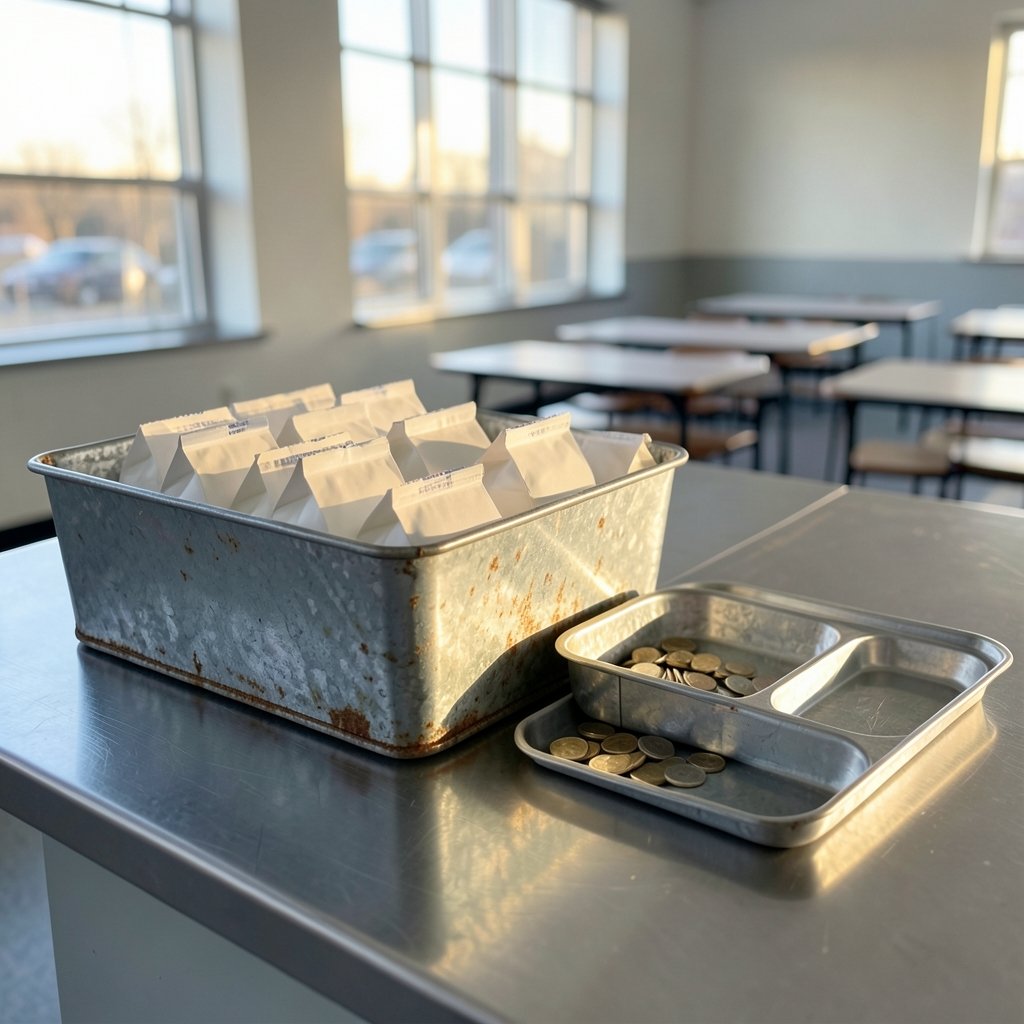
What do you picture when you hear the phrase “milk money”? A parent pressing a few coins into a child’s hand before school? A line of kids holding cartons in a cafeteria? A government check that keeps a school kitchen stocked? All three are correct, and that’s exactly why the term confuses people. It describes a household habit, a federal program, and a slice of social history at the same time.
This article untangles those meanings. It covers how school milk programs work, how they’re funded, what the money actually buys, and where the phrase came from in everyday speech. Along the way, it looks at the practical details that matter to parents, school administrators, and anyone curious about where a small carton of milk really comes from.
The Three Meanings of Milk Money
Before going further, it helps to separate the senses. The phrase is genuinely ambiguous, and mixing them up leads to muddled thinking.
| Sense | What it refers to | Who uses it |
|---|---|---|
| Household cash | Small change given to a child for a daily milk purchase at school | Parents, teachers, UK and Irish families |
| Public program | Federal or state funds that reimburse schools and nurseries for milk served | Administrators, nutrition officials, policymakers |
| Historical fund | Money set aside for doorstep milk delivery, or a milkman’s payment | Older generations, historians of domestic life |
The first sense is the most common in conversation. The second is the one that moves real budgets, often in the millions. The third is fading but still shapes how older people talk about the phrase.
How School Milk Programs Actually Work
The American Model
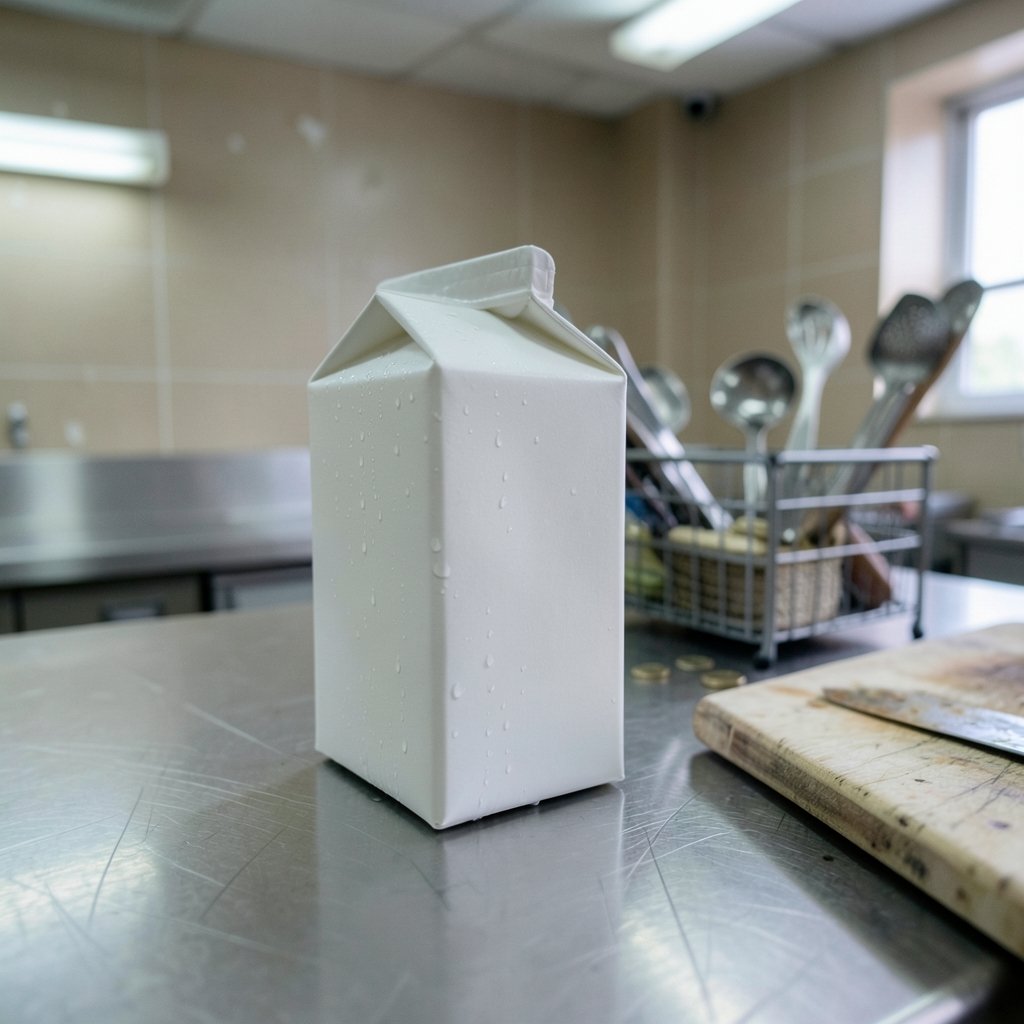
In the United States, the Special Milk Program was created by the Agricultural Act of 1954. Its original goal was simple: get more milk into children by lowering the cost of serving it. The program pays participating schools and child-care institutions a set amount for every half-pint of milk they serve.
The rules matter here. The program is mainly designed for schools that do not run a full lunch or breakfast program. If a school already serves meals under the National School Lunch Act of 1946 or the Child Nutrition Act of 1966, milk usually comes as part of those meals instead. Children who qualify for free milk receive it at no charge, and the school is reimbursed for that too.
Reimbursement rates are not frozen. They are adjusted annually, typically each July, which means a school’s budget planning has to account for rates that shift from year to year. That single detail trips up a lot of well-meaning administrators who build a budget on last year’s numbers.
The British Model
The United Kingdom took a different route. The Education Act 1946 required local education authorities in England and Wales to provide milk to schoolchildren. Free school milk was later restricted in 1968 and again in 1971, a change popularly associated with Margaret Thatcher during her time as Education Secretary.
That story gets simplified in retellings. The popular version says Thatcher “stole the milk,” but the policy shifts were part of wider spending decisions, and the timeline is often compressed. Treat the anecdote as cultural shorthand rather than a precise historical account.
Separately, the Nursery Milk Scheme provides free milk to children under five in approved childcare settings. It traces back to wartime welfare policy from the 1940s and continues today, administered on behalf of the Department of Health and Social Care.
What the Money Actually Buys
Here’s where the phrase gets interesting. “Milk money” sounds like it buys milk, and on paper it does. In practice, the money covers a chain of costs that most people never see. (Cbdc digital currency central bank money going digital)
- The milk itself. Fluid milk, usually in half-pint or single-serve cartons.
- Cold storage. Refrigeration, delivery, and spoilage control.
- Staff time. Serving, counting, cleaning, and record-keeping.
- Administration. Claims, audits, and compliance paperwork.
- Waste handling. Unserved cartons that can’t be reused.
That fifth item is bigger than it sounds. Schools that serve milk without a good system for tracking demand end up pouring money down the drain, literally. A school that orders 400 cartons for 300 drinkers is paying for a hundred cartons that go straight into the bin.
Practical tip: Schools that switch to a simple tally system, counting cartons taken versus cartons returned, usually find their waste drops within a month. It’s not glamorous work, but it’s the difference between a program that breaks even and one that quietly bleeds.
Why Milk and Not Something Else
Milk has held a privileged place in child nutrition policy for decades. Federal dietary guidance has long required milk as a component of school lunches, and the 2010 Healthy, Hunger-Free Kids Act updated meal standards, including rules on milk fat content, such as requiring flavored milk to be fat-free. (Milk)
Those rules have shifted since. Subsequent changes in 2018 and 2022 relaxed some standards, so anyone citing “the current rules” should check the latest version rather than rely on memory. Nutrition policy is not static, and neither is the money attached to it.
The deeper reason milk persists is practical. It’s a compact source of protein and calcium, it’s familiar to children, and it’s easy to serve at scale. Whether it deserves its special status is a fair debate, but the funding structure has been built around it for generations.
The Household Version: Coins in a Pocket
Step away from policy and “milk money” becomes something much smaller and more human. In British and Irish informal usage, it means a small sum of cash for everyday purchases, especially money given to children. The amount is trivial. The meaning isn’t.
For a child, milk money is often the first money they manage themselves. That makes it a quiet lesson in budgeting, saving, and deciding whether to spend now or later. Parents who hand over coins without any structure sometimes find the money vanishes into sweets. Parents who set a simple rule, such as “this is for milk, anything left is yours,” tend to get better results. (Gift card scam works victims rarely get their money back)
The same logic applies to adults running small budgets. The principles behind milk money, which are small amounts, frequent decisions, and low stakes, show up in bigger financial questions too. If you’re interested in how small sums compound into larger outcomes, the way people make money with AI tools follows a similar pattern of small, repeated choices rather than one big bet.
The Historical Sense: Doorstep Milk and the Milkman
Before supermarkets and home refrigerators were universal, milk arrived at the door. Households paid a milkman, often weekly, and the money set aside for that was literally milk money.
US milk delivery was common into the mid-20th century before declining as refrigeration and supermarkets spread. In the UK, doorstep delivery lasted longer and still exists in some areas. The phrase survives in part because the habit did.
This history matters for one reason: it explains why older generations use “milk money” to mean a household fund rather than a school payment. If you’re writing about the topic or explaining a program to a mixed-age audience, defining the sense early prevents a lot of confusion.
Common Mistakes People Make
A few misunderstandings come up again and again.
Assuming all school milk is free. It isn’t. Free milk is usually tied to eligibility, and schools recover the cost through reimbursement claims. A school that forgets to claim is simply out of pocket.
Confusing the Special Milk Program with school lunch. They’re separate. A school running a full meal program usually gets milk through that program, not through the Special Milk Program.
Budgeting on last year’s rate. Reimbursement rates change annually. Building a budget on stale figures creates a shortfall that has to be covered elsewhere.
Ignoring waste. Milk that isn’t drunk is money that isn’t recovered. Tracking demand is the cheapest fix available.
Treating the Thatcher story as settled fact. It’s a widely repeated anecdote with a simplified timeline. Use it carefully.
Where the Money Fits in a Bigger Picture
Milk money is a small line item, but it sits inside larger systems. School food budgets compete with staffing, equipment, and maintenance. Public health budgets compete with everything. And household budgets compete with rent and fuel.
That pressure shapes behavior. When money is tight, people look for ways to stretch small amounts, whether that’s a school renegotiating a dairy contract or a family planning a weekly shop. The same instinct shows up in how people approach side income, and the question of how AI companies make money is really a question about where value gets captured in a chain of small transactions.
There’s also a security angle that rarely gets discussed. Programs that move money, even small amounts, attract fraud. Schools and nurseries handling reimbursements need basic controls: separation of duties, receipts, and reconciliation. The same discipline applies to any cash-handling operation, and understanding where identity threat detection costs really come from helps administrators see that prevention is usually cheaper than cleanup.
How to Get Milk Money Right in Practice
For anyone running a program or a household budget, a few steps cover most of the ground.
- Define the sense. Decide whether you mean school reimbursement, household cash, or historical context, and say so.
- Check the current rate. Reimbursement figures change annually. Use the latest official notice.
- Track demand. Count what’s served and what comes back.
- Claim everything you’re owed. Unclaimed reimbursements are the most common leak.
- Keep records simple but real. A spreadsheet beats a shoebox.
None of this is complicated. It’s just easy to skip, and skipping is where money disappears.
Conclusion
Milk money is a small phrase with a wide reach. It covers a child’s coins, a federal reimbursement, and a household fund from an era when milk arrived at the door. Each sense is worth understanding on its own terms, because mixing them up leads to bad budgets and muddled arguments.
The practical takeaway is straightforward. Whether you’re a parent handing over change or an administrator filing a claim, the same rules apply: know what the money is for, check the current figures, and don’t let waste eat the difference. Small amounts, handled well, add up. Handled carelessly, they vanish without a trace.
What does milk money mean?
It has three main meanings. In everyday British and Irish usage, it’s a small sum of cash for daily purchases, especially money given to children. In policy, it refers to public funds that reimburse schools and nurseries for milk served. Historically, it meant money set aside for doorstep milk delivery.
Is school milk free in the United States?
Not always. The Special Milk Program reimburses schools and child-care institutions for milk served, and children who qualify for free milk receive it at no charge. Other children may pay a reduced or full price depending on the school’s setup. Schools that run a full lunch or breakfast program usually provide milk through that program instead. (Raw Milk)
How much does the Special Milk Program pay per carton?
The rate is set federally and adjusted annually, typically each July. Because it changes, the only reliable figure is the current official rate notice. Schools that budget on last year’s number often come up short, so check the latest figure before planning.
Why is Margaret Thatcher linked to school milk?
Free school milk in England and Wales was restricted in 1968 and again in 1971, and the later change is popularly associated with Thatcher during her time as Education Secretary. The popular story is often simplified. The policy shifts were part of wider spending decisions, and the timeline is frequently compressed in retellings.
Does the UK still provide free milk to young children?
Yes, through the Nursery Milk Scheme, which provides free milk to children under five in approved childcare settings. It traces back to wartime welfare policy from the 1940s and is administered on behalf of the Department of Health and Social Care. Current reimbursement details should be checked with the scheme administrator.
What is the biggest hidden cost in a school milk program?
Waste. Milk that is ordered but not drunk is money that cannot be recovered. Schools that track cartons served against cartons returned usually cut waste quickly. Staff time and cold storage also add up, but waste is the cost most often overlooked because it doesn’t appear as a line item.



