
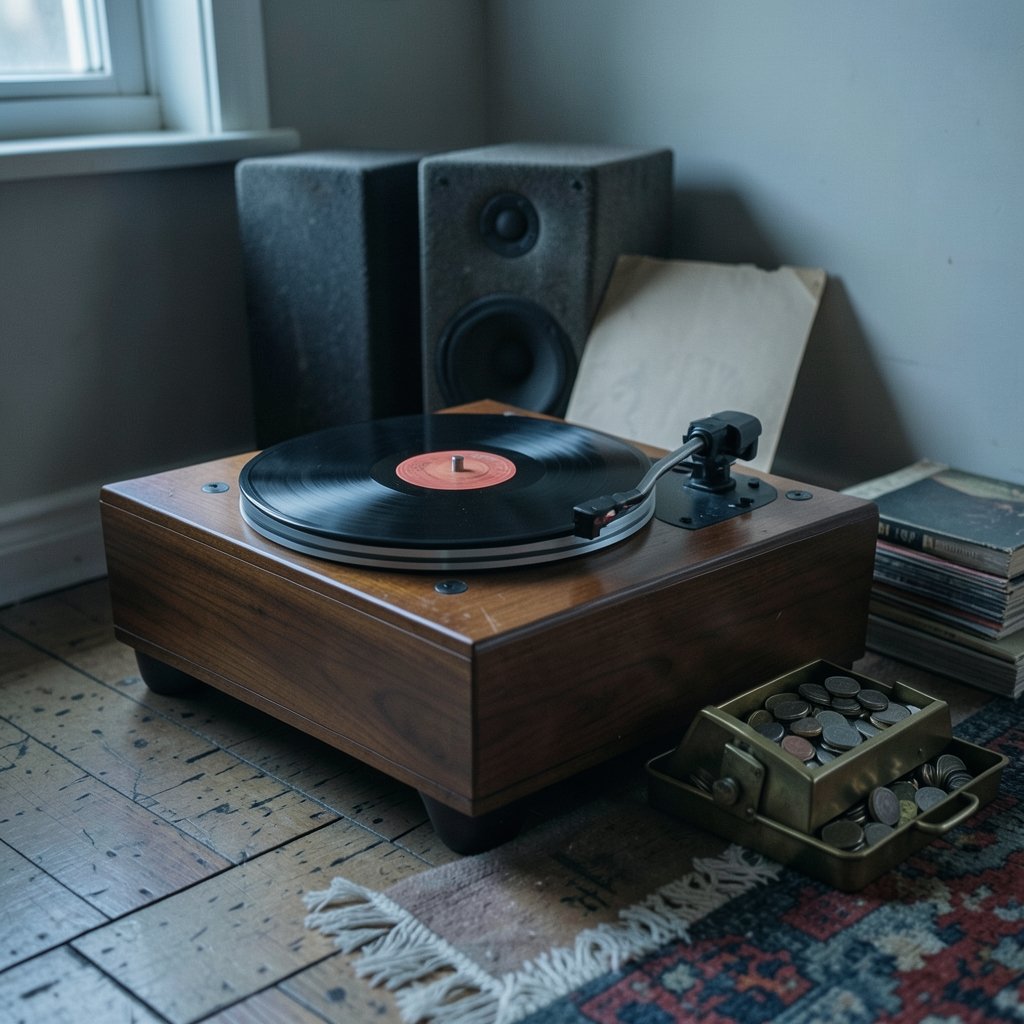
What makes a song about greed so enduring that it still turns heads more than fifty years after its release? “Money” by Pink Floyd is not just a radio staple. It is a strange, stubborn piece of music: a track built on the clatter of cash registers, written in a time signature most pop hits avoid, and sung with a sneer that somehow made it a hit. The story behind it explains why it still resonates.
The Song That Started With Coins, Not Chords
Most songs begin with a riff or a melody. “Money” began with noise. The track opens with the sound of coins dropping, paper tearing, and a cash register ringing, all stitched together into a rhythmic loop. The band’s engineer, Alan Parsons, and bassist Roger Waters assembled the collage from tape recordings of loose change and household sounds.
The clever part is that the loop was built across shifting time signatures, so the jingle of money itself becomes the groove. It is a rare case where a sound effect is not decoration but the actual rhythmic foundation of the song. Listen closely and you hear the beat before a single instrument plays.
This approach was unusual for 1973 rock, and it set the tone for everything that follows. The song announces its theme before the first lyric: money makes its own music, and it is relentless.
Inside the 7/4 Time Signature
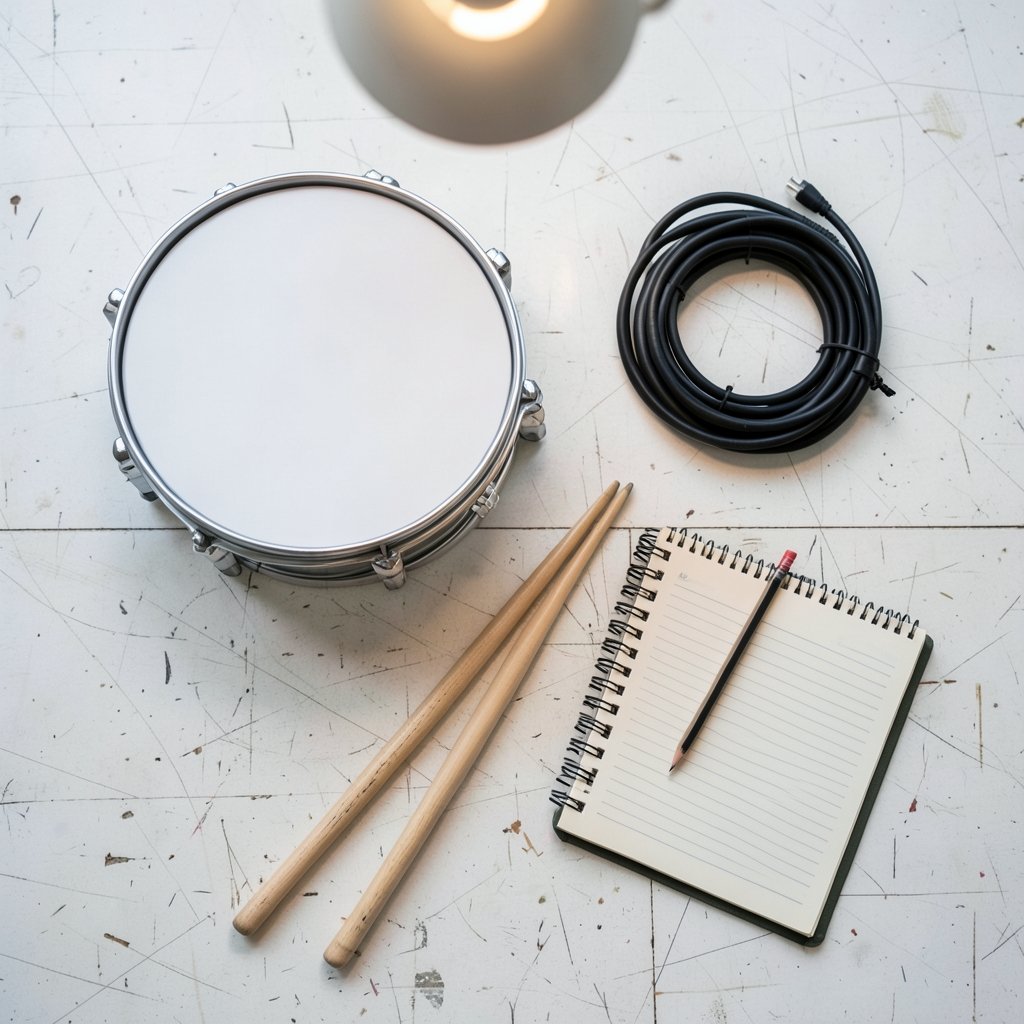
Here is the detail that separates casual listeners from music nerds. The main body of “Money” is in 7/4 time, meaning seven beats per bar instead of the standard four. That odd count gives the song a lopsided, swaggering feel, as if the groove is limping forward but refusing to fall.
Most hit singles of the era stayed safely in 4/4. Writing a single in 7/4 was a gamble, and it worked. The song feels off-kilter on purpose, matching lyrics about a world where the pursuit of money never quite settles into a comfortable rhythm.
Then something interesting happens. During the guitar solo, the band shifts to 4/4, giving the listener a brief sense of release before snapping back to the odd meter. It is a small structural trick, but it makes the song feel like it is breathing.
For anyone learning an instrument, “Money” is a classic exercise in counting. Drummers and bassists often use it to practice staying locked in an unusual meter without losing the pocket.
What the Lyrics Are Really Saying
On the surface, “Money” is a satire of greed and consumerism. The famous opening lines promise that money is a gas, and the verses catalog the ways people chase it. But the song is more layered than a simple anti-capitalist rant. (Cbdc digital currency central bank money going digital)
Waters has described the lyrics as partly a critique of his own relationship with money, not just society’s. That self-awareness keeps the song from feeling preachy. The narrator is not standing outside the problem; he is caught in it.
The lyrics also take aim at the music industry itself, where success is measured in sales and contracts. There is a knowing irony in a band writing a hit song about how hollow money is. That tension, between the message and the medium, is part of what makes the track stick.
In practice, this is why the song still lands. Audiences respond to the honesty. It is easy to write a song that points fingers at other people; it is harder to admit you are part of the machine you are criticizing.
Release, Charts, and the Edited Single
“Money” is the sixth track on Pink Floyd’s 1973 album The Dark Side of the Moon, released in the UK on 1 March 1973 and in the US on 17 March 1973. The album version runs about 6:22. For radio, the song was edited down to roughly 4:23.
The single reached No. 13 on the US Billboard Hot 100 in 1973, an impressive showing for a track in an odd meter with a lengthy instrumental section. Chart history for the UK single is murkier, and later reissues complicate the picture, so treat specific UK chart claims with caution.
The song is credited to Waters alone, one of the few tracks on Dark Side with a single writer, though it is performed by the full band: David Gilmour on guitar and vocals, Richard Wright on keyboards, Nick Mason on drums, and Waters on bass.
| Detail | Album Version | Single Edit |
|---|---|---|
| Running time | About 6:22 | About 4:23 |
| Time signature | Mainly 7/4, solo in 4/4 | Same core structure |
| Opening sound | Tape loop of coins and cash register | Same loop, trimmed |
| Chart peak (US) | Not applicable | No. 13 on Billboard Hot 100 |
Why the Sound Still Feels Modern
A lot of 1970s rock sounds dated to modern ears. “Money” mostly does not. Part of that is the production. The tape-loop opening, the dry drum sound, and the space left in the mix all hold up because they are built on texture rather than period-specific effects.
Another factor is restraint. The song is not overloaded. Gilmour’s guitar solo is famous for what it leaves out as much as what it plays. The arrangement gives each element room, which is a lesson many modern productions forget in the rush to fill every frequency.
The subject matter has also aged well. Greed, consumerism, and the strange psychology of wanting more are not 1973 problems. If anything, the lyrics feel sharper in an era of constant advertising and digital spending.
That connection to modern money anxiety is real. People who write about the hidden costs of security, fraud, and new payment systems are essentially updating the song’s themes for a new century. If you want a sense of how money and technology intersect today, it helps to understand where the real costs hide, which is the same instinct Waters had when he wrote the lyric. (Identity threat detection really costs where money goes)
Common Mistakes People Make With This Song
Fans and casual listeners often get a few things wrong about “Money.” Here are the ones that come up most, and how to avoid them.
- Assuming it is in 4/4. It is not. The main groove is 7/4, and that is central to its character. Counting along in four will leave you lost.
- Crediting the whole band as writers. The song is credited to Waters alone, even though the arrangement is a full-band effort.
- Confusing the single and album versions. The radio edit is significantly shorter. If you remember a tighter version, you are likely thinking of the single.
- Treating it as a simple protest song. The lyrics are self-critical, not just outward-facing. Missing that nuance flattens the meaning.
- Overlooking the sound design. The coin loop is not a gimmick tacked onto the front; it is the rhythmic engine of the track.
These mistakes matter because they change how you hear the song. Once you know the meter and the writing credit, the track makes more sense.
How “Money” Fits the Album’s Arc
The Dark Side of the Moon is built around themes of pressure, time, mortality, and madness. “Money” sits in the middle of that sequence as the most direct commentary on modern life. It is the album’s most commercial moment, and also its most openly cynical one.
That placement is deliberate. The song arrives after tracks about time slipping away and before the album’s darker turns. It works as a breather that is also a warning, a catchy tune that is quietly telling you the joke is on you.
The album’s structure rewards close listening. “Money” is not an isolated hit; it is a piece of a larger argument about what modern life does to people. Hearing it in context changes the experience. (RIAA Gold & Platinum certification program overview)
The 2023 Rework and the Song’s Long Life
In 2023, Waters re-recorded the song for The Dark Side of the Moon Redux, a full reimagining of the album released on 6 October 2023. The new version is slower and more spoken than sung, which fits the reflective tone of a much older artist revisiting his younger self.
The rework is a reminder that “Money” is not frozen in 1973. It has been covered, licensed, sampled, and reinterpreted many times. It remains a staple of classic rock radio and a reference point in conversations about music and commerce.
For anyone curious about how money works in the modern economy, the song is a surprisingly good entry point. Its themes connect to everything from digital currency to fraud, and resources like a plain explanation of central bank digital currencies show how the mechanics of money keep evolving while the human appetite behind it stays the same. (Gift card scam works victims rarely get their money back)
What Musicians Can Learn From It
“Money” is a masterclass in doing several difficult things at once. It uses an unusual meter without losing the listener. It turns a sound effect into a groove. It delivers a message without becoming a lecture. And it stays catchy while being structurally odd.
For songwriters, the practical lessons are clear:
- Do not fear odd meters if the groove is strong enough to carry them.
- Use texture and found sound as real musical elements, not decoration.
- Let a message have self-awareness; audiences forgive honesty more than preaching.
- Leave space in the arrangement so each part can breathe.
These are not abstract ideas. They are choices you can hear in the track, and they are why the song has outlasted most of its contemporaries.
Conclusion
“Money” by Pink Floyd is a rare thing: a hit single that is also a piece of design. The coin loop, the 7/4 groove, the self-critical lyric, and the sharp guitar solo all pull in the same direction. It satirizes greed while being wildly successful, and that contradiction is exactly the point.
More than fifty years on, the song still works because its subject never goes out of style. Money still shapes behavior, still distorts priorities, and still makes its own kind of music. Pink Floyd just found a way to make us tap our feet to the problem.
Frequently Asked Questions
What time signature is “Money” by Pink Floyd in?
The main body of the song is in 7/4 time, with seven beats per bar. The guitar solo section shifts to 4/4 before returning to the odd meter. This unusual structure is one of the song’s defining features.
Who wrote “Money” by Pink Floyd?
The song is credited to Roger Waters alone for both lyrics and music. It is one of the few tracks on The Dark Side of the Moon with a single writer, though the full band performed and arranged it.
What is the sound at the start of “Money”?
The opening is a tape loop of coins, tearing paper, and a cash register, assembled by engineer Alan Parsons and Roger Waters. The loop was built across shifting time signatures so it functions as the song’s rhythmic foundation.
How long is “Money” and how did the single differ?
The album version runs about 6:22. The single was edited to roughly 4:23 for radio play. The edit trims sections but keeps the core structure and the famous opening loop.
Did “Money” chart as a single?
Yes. The single reached No. 13 on the US Billboard Hot 100 in 1973. UK chart history for the original single is less clear, and later reissues complicate the record, so specific UK claims should be checked carefully.
Was “Money” re-recorded later?
Yes. Roger Waters re-recorded the song for The Dark Side of the Moon Redux, released on 6 October 2023. The new version is slower and more spoken than sung, offering a reflective take on the original.



