

What makes a song about money stick in your head for decades, even when your own bank balance is less than inspiring? The answer is rarely the subject alone. It is the way a single word, “money,” fits into a line, snaps against a rhyme, and turns a private worry into something a whole crowd can shout. From a 1959 Detroit B-side to a 1973 art-rock track built on the clatter of cash registers, money lyrics have tracked how listeners feel about work, class, greed, and luck. This guide walks through the songs that shaped the theme, the craft tricks behind them, and the mistakes songwriters make when they try to write their own. (Gift card scam works victims rarely get their money back) (Lyrics)
Why “Money” Is Such a Reliable Lyric Word
English gives songwriters a gift with this word. Money rhymes cleanly with honey, funny, sunny, bunny, and runny. That rhyme family is wide enough to serve a love song, a joke, a boast, or a protest without forcing the line. A writer who needs a two-syllable landing word at the end of a bar has few options as flexible.
The word also carries weight on its own. It is concrete, not abstract. It suggests something the listener can picture: coins, bills, a wallet, a paycheck. That makes it easy to pair with images rather than ideas. And because money touches almost everyone, a lyric about it can feel personal without revealing anything private.
There is a catch, though. The same flexibility makes the word lazy. Plenty of songs use “money” as a hook and say nothing with it. The difference between a good money lyric and a forgettable one usually comes down to specificity: which money, whose money, and what it costs to get it. (Identity threat detection really costs where money goes)
The Song That Started the Modern Money Lyric
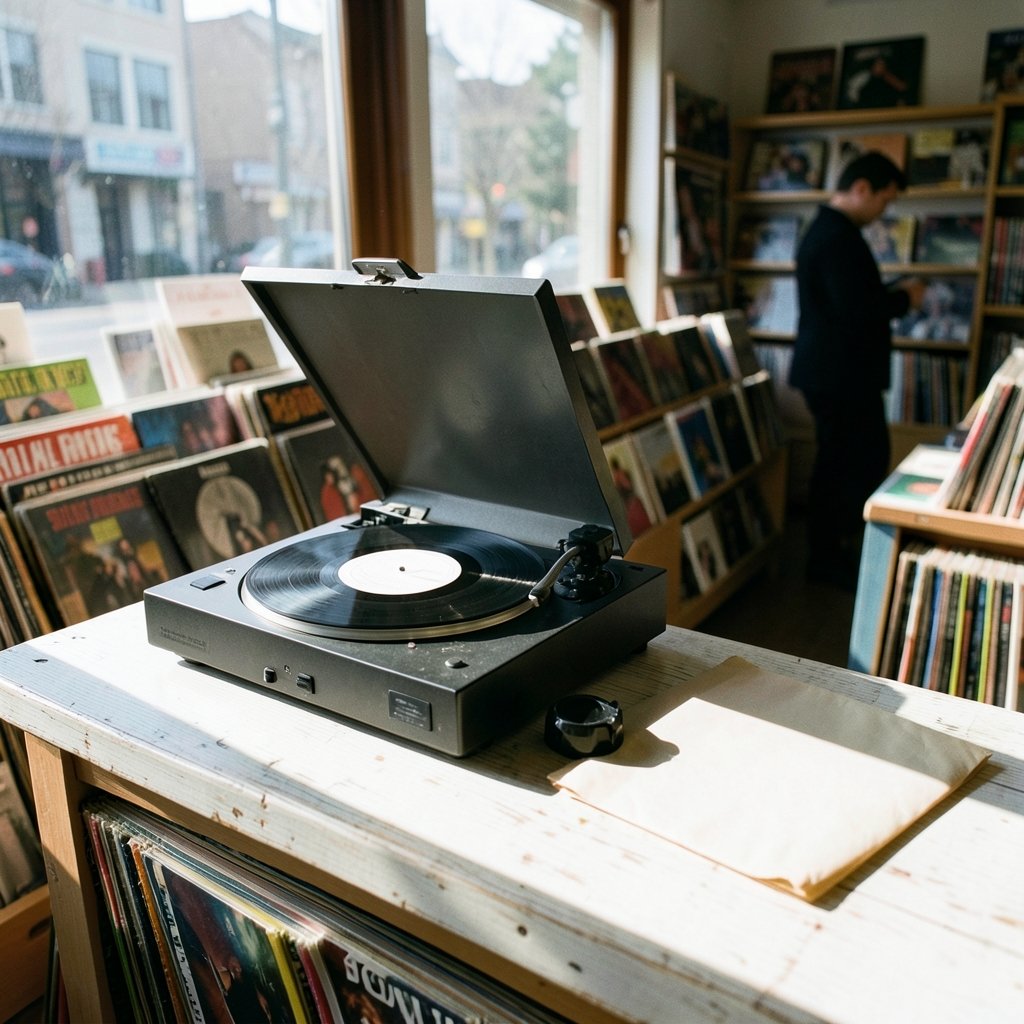
The modern template arrived in 1959. “Money (That’s What I Want)” was written by Berry Gordy Jr. and Janie Bradford and recorded by Barrett Strong on Tamla Records, the label that grew into Motown. It is one of the earliest releases in that catalog, and its lyric is almost aggressively plain. The narrator does not want love, time, or understanding. He wants money, and he says so in a repeating call that leaves no room for interpretation.
That bluntness is the point. The song works because it refuses to dress up desire. The Wikipedia entry on “Money (That’s What I Want)” documents the original release, its writers, and the long list of covers that followed, which is useful if you want to trace how one lyric traveled across genres.
The Beatles recorded their version in 1963. It appeared on With the Beatles, released in the UK on 22 November 1963, and later on the US album Meet the Beatles! in 1964. The band kept the raw demand intact but sped it up, turning a Motown groove into a garage-rock shout. For a generation of listeners, that cover became the default version, which is a good reminder that a money lyric can outlive its first recording.
Pink Floyd’s “Money” and the Sound of Greed
A decade later, the theme got a darker treatment. Pink Floyd released “Money” in 1973 on The Dark Side of the Moon, which came out in the UK on 16 March 1973. The track is famous for two things beyond its lyric: a 7/4 time signature that makes the groove feel slightly off-balance, and an opening built from the sound of cash registers and coins.
That production choice is the lyric’s real argument. Before a single word arrives, the listener hears money as noise: mechanical, repetitive, a little ugly. The words that follow mock the pursuit of wealth rather than celebrate it. The Wikipedia page on Pink Floyd’s “Money” explains the odd meter and the tape-loop sound effects in detail, and it is worth reading if you want to understand how arrangement can carry meaning that the words alone cannot.
The contrast with the 1959 song is instructive. Barrett Strong’s narrator wants money and admits it. Pink Floyd’s narrator has money and finds it hollow. Same word, opposite emotional direction. That range is why the theme has lasted.
The O’Jays and Money as a Moral Warning
Also from 1973 comes “For the Love of Money” by The O’Jays, released on the album Ship Ahoy. Where Pink Floyd turned inward, The O’Jays turned outward. The lyric warns that money can change people, and it frames the pursuit of cash as a spiritual risk rather than a simple goal. The song became a staple of the money-song canon and was later sampled widely in hip-hop, which kept its warning alive in a new context.
The Wikipedia article on “For the Love of Money” covers the song’s release and its sampling history. That sampling trail matters, because it shows how a single money lyric can be repurposed. A line written as a caution in 1973 can become a status symbol in a 1990s rap track, with the irony intact or stripped away depending on the artist.
Money in Hip-Hop: Boast, Warning, and Both at Once
Hip-hop made money a central subject rather than an occasional one. The word shows up in titles constantly, often as a marker of success. “Money, Power & Respect” by The Lox and “Money in the Grave” by Drake are two well-known examples, though exact release details are worth checking against a discography before you cite them in print.
What makes hip-hop money lyrics interesting is the tension inside them. A boast about wealth can sit right next to a line about who got hurt on the way there. The best writers in the genre treat money as a measuring stick for everything else: loyalty, risk, family, and time. When the lyric is only a list of purchases, it ages badly. When it names a cost, it lasts.
Country Music and the Other Side of the Ledger
Country music approaches the same word from a different angle. Where pop and hip-hop often treat money as a prize, country frequently treats it as a pressure. Merle Haggard’s “If We Make It Through December,” released in 1973, is about a laid-off worker trying to keep his family afloat through the holidays. The lyric barely mentions luxury. It is about making rent.
That framing gives country songwriters a way to write about class without lecturing. The Wikipedia entry on “If We Make It Through December” explains the song’s story and its place in Haggard’s catalog. Notice how the lyric avoids the word “poor.” It shows the situation instead of labeling it, which is a technique any songwriter can borrow.
What Actually Works When You Write a Money Lyric
Practical craft matters more than theory here. Most failed money lyrics share the same habits, and most successful ones avoid them. Here is what tends to work, based on how the strongest songs in the canon are built.
- Pick a specific sum or object. “A hundred dollars” beats “a lot of money” every time. Concrete details give the listener something to hold.
- Decide the narrator’s position. Are they chasing, holding, losing, or refusing? A lyric with no clear stance drifts.
- Use the rhyme family sparingly. Honey and funny are tempting, but they pull the song toward novelty. Use them for humor, not for sincerity.
- Let the arrangement carry meaning. Pink Floyd proved that a sound effect can do more than a verse. A ticking clock, a coin drop, or a muted bass can set the tone before the vocal starts.
- Name the cost. The strongest money lyrics always mention what the money took. That single move separates a boast from a story.
The most common mistake is treating the word as the whole idea. A hook that repeats “money” six times without saying anything about it becomes background noise. The second most common mistake is over-explaining. If the lyric tells the listener exactly how to feel about wealth, there is nothing left to discover on the second listen.
Money Lyrics and the Economy Around Them
There is a loose pattern worth noticing, even if it is interpretive rather than proven. “Money (That’s What I Want)” arrived in 1959, and “For the Love of Money” arrived in 1973. Both landed in periods of economic anxiety, and both spoke to listeners who felt the squeeze. That does not prove a causal link, but it suggests that money songs tend to surface when the subject is on everyone’s mind.
The same logic applies to how people talk about earning today. Conversations about side income, automation, and new payment systems have their own vocabulary, and that language shapes what songwriters pick up. If you want context on how those debates are framed outside music, the discussion of how to make money with AI shows how quickly the vocabulary of work changes. Songs tend to follow that vocabulary a few years later, once the words have settled into everyday speech.
Common Myths About Money Songs
A few assumptions about this theme do not hold up.
| Myth | What the catalog actually shows |
|---|---|
| Money songs are always about greed | Many are about survival, family, or class pressure |
| The word guarantees a hit | Plenty of money-titled tracks vanished without a trace |
| The theme belongs to one genre | Motown, art rock, soul, country, and hip-hop all claim it |
| A money lyric must be serious | Novelty songs use the rhyme family constantly and often succeed |
The last row is worth pausing on. Humor is a legitimate tool. A funny money lyric can land harder than a solemn one because it lowers the listener’s guard. The mistake is mixing tones without control, so the song reads as confused rather than clever. (Musicians and Copyright)
How Money Songs Shape the Way Listeners Talk
Songs reflect attitudes about money, and they supply the phrases people use. A chorus becomes a shorthand for a feeling, and that shorthand travels into everyday speech. Someone who says “that’s what I want” in a certain tone is quoting a 1959 lyric, whether they know it or not.
That circulation also creates risk. When a phrase becomes a cliché, it loses its edge. Songwriters who want to write about money now have to work around the phrases that earlier songs made famous. The ones who succeed usually do it by getting more specific, not more abstract. They name a bill, a debt, a job, or a city rather than reaching for the big word.
The same pattern shows up in how people discuss other financial topics. When a subject becomes culturally loaded, the language around it hardens. The debate over a CBDC, or central bank digital currency, is a good example of a technical topic that quickly picked up emotional shorthand. Music tends to absorb that shorthand faster than policy writing does.
Conclusion
Money lyrics endure because the word does two jobs at once. It rhymes easily, which makes it useful to a songwriter under pressure, and it carries real weight, which makes it useful to a songwriter with something to say. The best songs in the canon, from Barrett Strong’s blunt demand to Pink Floyd’s uneasy groove to Merle Haggard’s quiet worry, all pick a clear position and then earn it with detail.
If you are writing your own, start with the situation rather than the slogan. Decide who is speaking, what they have, and what it cost them. Then let the arrangement do part of the work. The word will take care of the rest.
Frequently Asked Questions
What was the first major song about money?
“Money (That’s What I Want),” written by Berry Gordy Jr. and Janie Bradford and recorded by Barrett Strong in 1959, is widely treated as the starting point of the modern money lyric. It was one of the earliest Motown releases and was covered by The Beatles in 1963.
Why do so many songs use the word money?
It rhymes with a wide family of common words, including honey, funny, sunny, and bunny. That makes it easy to place at the end of a line in pop, hip-hop, country, and novelty songs without forcing the phrasing.
What is unusual about Pink Floyd’s “Money”?
The 1973 track is built on a 7/4 time signature, which gives it an unsettled feel, and it opens with the sound of cash registers and coins. Those production choices reinforce the lyric’s critical view of wealth before the vocals even begin.
Are money lyrics always about greed?
No. The theme covers a wide range. Some songs celebrate wealth, some warn against it, and many, like Merle Haggard’s “If We Make It Through December,” are about financial hardship and family pressure rather than greed.
How do country and hip-hop treat money differently?
Country often frames money as a pressure, focusing on bills, layoffs, and class. Hip-hop more often frames it as a scoreboard, though the strongest tracks in both genres name the cost of the pursuit rather than just the reward.
What is the biggest mistake when writing a money lyric?
Treating the word as the entire idea. A hook that repeats “money” without saying anything specific about it becomes background noise. Naming a sum, an object, or a consequence gives the lyric something to stand on.



