
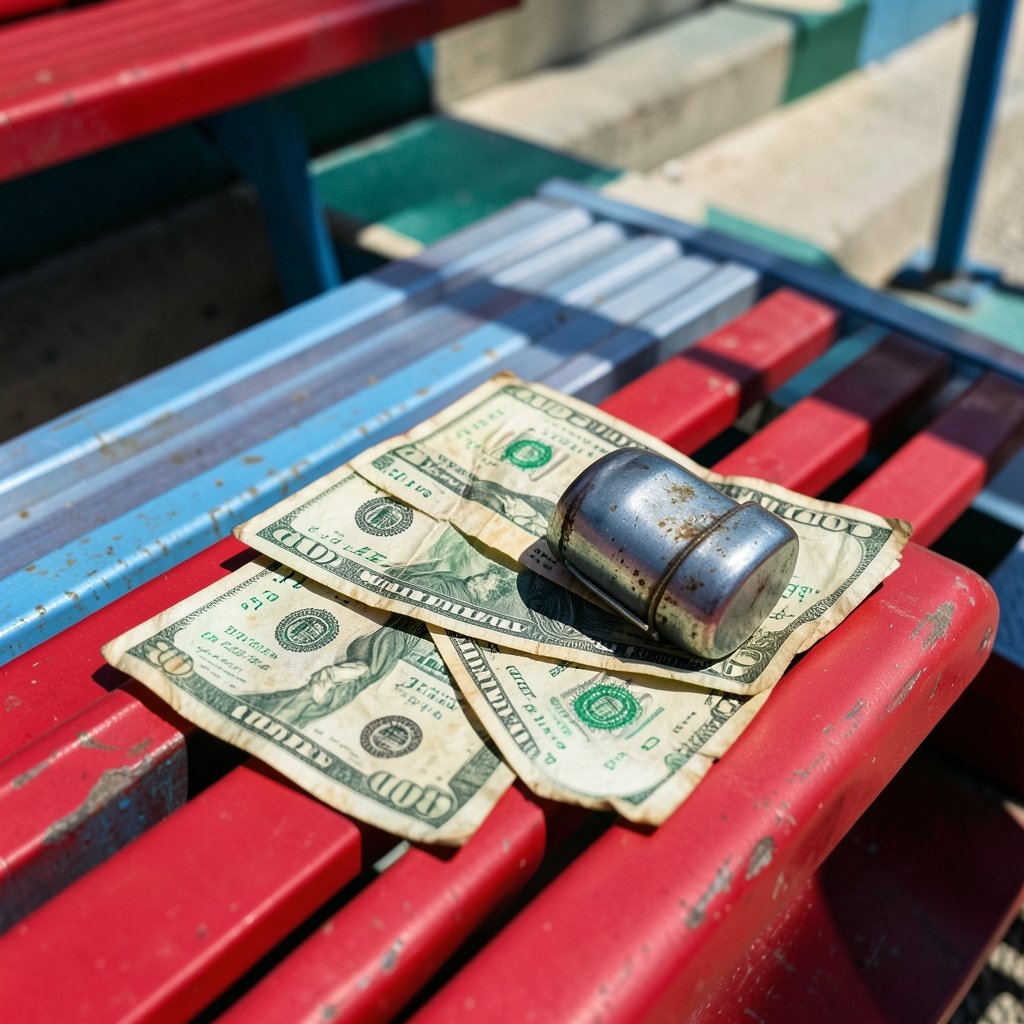
What do you get when you cross a 2013 British rap hook with a century and a half of American paper money? You get “money money green green,” a phrase that sounds like nonsense until you unpack it. The line comes from “Green,” a 2013 single by the British rapper Tinie Tempah featuring singer-songwriter Ella Eyre, taken from his second album Demonstration. The hook leans on a very old idea: in American English, green has meant cash for well over a century. So the phrase is not a dictionary entry or a formal idiom. It is pop-culture slang, a catchy lyric that borrows from the long history of “green” as a nickname for money. This article explains where the line comes from, why green and money got tangled together in the first place, how the phrase behaves online today, and how to use it without embarrassing yourself. (Identity threat detection really costs where money goes) (Money)
Where the phrase actually comes from
“Money money green green” is a lyric, not an idiom. That distinction matters, because people often search the phrase expecting a definition, and what they find instead is a song. Tinie Tempah released “Green” in 2013, and the track is built around exactly the kind of repetition that sticks in your head: the word “green” bouncing against itself until it stops meaning a color and starts meaning cash.
The song was not a linguistic invention so much as a clever reuse. Rappers had been calling money “green” for decades before 2013, and American English had been doing it since the Civil War. What Tempah did was compress the idea into a hook so simple it could travel without the song attached. That is how lyrics become memes: the catchiest four words escape the track and start living on their own.
A practical note for anyone writing about the phrase: quote the line sparingly and as commentary. Short lyric quotations for discussion are generally treated as fair use or fair dealing in many jurisdictions, but the rules differ by country, so a fragment with analysis around it is the safe habit.
Why “green” means money in the first place
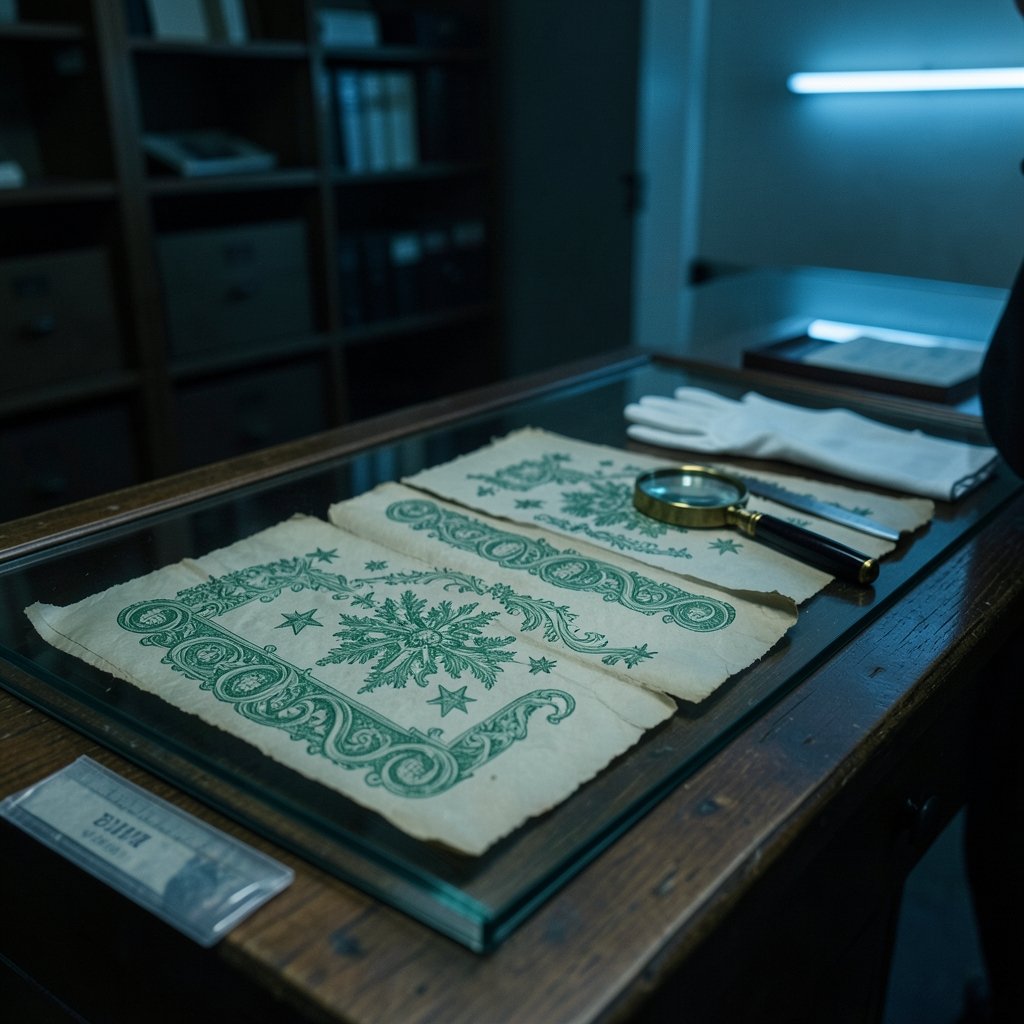
The green in “money money green green” is not arbitrary. United States paper currency has carried green ink on its reverse since the 1860s, and that design choice gave English one of its most durable money nicknames. The historical term is greenback, which originally referred to U.S. paper money issued during the American Civil War, with Demand Notes appearing in 1861 and Legal Tender Notes following in 1862. The Merriam-Webster entry for greenback traces the word to exactly that Civil War-era currency, which is the documented root of green-as-money in American English. (Cbdc digital currency central bank money going digital)
From there the slang branched out. Long green became a dated American term for paper money. Dead presidents arrived later, nodding to the portraits on bills. Food words joined in too: cheddar, bread, and dough all became casual stand-ins for cash. None of these are formal terms, and their dictionary attestation dates vary, so treat any specific “first used in” claim with suspicion unless a slang dictionary backs it up.
The color association also explains why the phrase feels natural to English speakers even if they have never heard the song. Green money is a mental image most Americans absorb before they can do arithmetic. A lyric that repeats “green” four times is not teaching anyone a new concept. It is pressing a button that was installed generations ago.
The phrase as internet slang and meme
Detached from the song, “money money green green” circulates as a jokey refrain about cash. People use it as a caption on a paycheck photo, a reaction to a windfall, or a mock chant when someone picks up a tab. It carries a playful, slightly ironic tone. Nobody uses it in a serious financial conversation, and that is the point.
There is an important limit here: reliable data on how widely the phrase spreads online is hard to come by, so any viral figures you see quoted are probably invented. Treat claims about “millions of uses” as noise. What can be said safely is that the phrase functions as a lyric snippet and a meme, not as a lexical item with a fixed definition.
This matters for anyone writing content about money slang. Search interest in phrases like this often spikes around paydays, tax refunds, and side-hustle content, which is why the phrase keeps resurfacing in articles about earning extra cash. If you are exploring legitimate ways to bring in more income, a grounded guide to making money with AI is a more useful starting point than a rap hook, though the hook is admittedly more fun.
How the phrase fits into money slang more broadly
English has an unusually deep bench of money slang, and “green” sits in the oldest layer. Here is how the main terms compare.
| Term | Meaning | Era and tone |
|---|---|---|
| Green | Paper money, especially U.S. dollars | 1860s onward; casual, still current |
| Greenback | U.S. paper currency | Civil War era; historical and informal |
| Long green | Paper money | Dated American slang |
| Dead presidents | Dollar bills with presidential portraits | 20th century; informal |
| Cheddar, bread, dough | Money generally | Late 20th century; very casual |
The pattern is worth noticing. Most money slang is either about the physical object (green, paper, bills) or about food (bread, dough, cheddar). “Money money green green” belongs to the first family. It describes the thing itself, not what you do with it.
That distinction is useful in practice. Slang about the physical object ages well because the object stays the same. Slang about transactions tends to date fast. A phrase built on the color of a banknote has a long shelf life, which is part of why the lyric still lands more than a decade after release.
Common mistakes people make with the phrase
A few habits trip people up when they use or write about “money money green green.” These are the ones that show up most often.
- Treating it as a dictionary phrase. It is not a headword in major dictionaries. Framing it as an official idiom makes an article look uninformed.
- Attributing it to the wrong artist. The line belongs to Tinie Tempah’s “Green” featuring Ella Eyre. Confusing it with an American rap track is a common slip.
- Inventing chart data. Peak positions and release dates need a primary source. If you cannot verify a number, leave it out.
- Overquoting the lyric. A short fragment with commentary is fine. Reproducing whole verses is a copyright problem.
- Using it in serious financial writing. The phrase is playful. Dropping it into a retirement planning piece reads as a tonal misfire.
The broader lesson applies to any slang you write about: separate what is documented from what is merely repeated online. The documented part here is solid. Green has meant money since the 1860s, and the lyric is from 2013. Everything beyond that needs a source before it goes in print.
Why money slang keeps getting recycled
Money slang is one of the most recycled categories in English, and the reason is simple: people talk about money constantly but rarely want to say the word plainly. Slang lets speakers signal tone, tribe, and attitude in a single syllable. “Green” says cash without saying cash. It also carries a faint American flavor, which is why British rappers borrow it.
This recycling pattern shows up far beyond music. Financial language drifts into everyday speech and back again. Central bank digital currencies, for instance, have pushed terms like “digital cash” into mainstream conversation, and a plain explanation of CBDC digital currency shows how quickly new money vocabulary forms and how old words get reused for new systems. The same thing happens with crime reporting: scams and fraud produce their own slang, and a look at how the gift card scam works and why victims rarely get their money back reveals how quickly informal language attaches to new kinds of loss.
The pattern is consistent. New money technology arrives, old words stretch to cover it, and pop culture compresses the result into something catchy. “Money money green green” is one small node in that cycle. It is not important on its own, but it is a clean example of how a color word became a cash word and then became a hook.
What actually works if you are writing about the phrase
Practical experience with this kind of topic suggests a few habits that separate a good article from a thin one. Start with the strongest documented fact, which is the greenback history. Build the song reference around it. Then explain the meme use without inflating it.
Resist the urge to pad. Phrases like this tempt writers into long lists of “related slang” that add nothing. A short table beats five paragraphs of synonyms. Keep the tone light but the facts tight.
And check your dates. The Civil War greenback era is well documented, but exact issue dates vary by source, so a range like 1861 to 1862 is safer than a single precise day. The song is solidly 2013. Anything more specific needs verification, and if you cannot verify it, cut it. Readers forgive brevity. They do not forgive invented numbers.
One more habit worth building: read the phrase aloud. “Money money green green” has a rhythm that explains its survival. It is four beats, two words each, with a hard consonant at the end. That structure is why it works as a hook and why it works as a caption. Understanding the rhythm helps you explain the appeal without reaching for vague words like “catchy.”
Conclusion
“Money money green green” is a 2013 lyric from Tinie Tempah’s “Green” featuring Ella Eyre, and it works because it plugs into a much older habit: calling cash green. That habit goes back to the Civil War greenback, when U.S. paper money took on the color that stuck. The phrase is not an idiom, not a dictionary entry, and not a serious financial term. It is pop-culture slang with a solid historical foundation underneath it. Used lightly, it is a fun shorthand for a paycheck or a windfall. Used carelessly, in a serious piece or with invented chart data attached, it makes the writer look sloppy. The safe approach is the honest one: name the song, explain the greenback history, describe the meme use without exaggeration, and quote the line briefly. That combination gives readers what they came for and keeps the facts where they belong.
Frequently Asked Questions
What does “money money green green” mean?
It is a lyric from the 2013 song “Green” by Tinie Tempah featuring Ella Eyre. The phrase plays on green as a long-standing American slang term for paper money. It is not a formal idiom and does not appear as a dictionary headword.
Is “money money green green” an official phrase or idiom?
No. It is pop-culture slang drawn from a song hook. Major dictionaries do not list it as a headword, and it has no fixed definition beyond its playful reference to cash.
Why does “green” mean money in English?
U.S. paper currency has carried green ink on its reverse since the 1860s, which produced the term greenback for Civil War-era paper money. From there, green became a general slang term for cash, and related terms like long green and dead presidents followed.
Who sings the song with the line “money money green green”?
The line comes from “Green,” released in 2013 by the British rapper Tinie Tempah, with vocals from singer-songwriter Ella Eyre. The track appeared on his second album, Demonstration.
Can I quote the lyric in my own writing?
Short quotations used for commentary or criticism are generally treated as fair use or fair dealing in many countries, but the rules differ by jurisdiction. Keep the quotation brief and surround it with your own analysis rather than reproducing full verses.
Is “money money green green” used in serious financial writing?
Rarely. The phrase carries a playful, ironic tone, so it fits casual captions and pop-culture pieces far better than financial planning content. In serious writing, plain terms like cash, income, or earnings do the job more clearly.



