

What do you do when you need a money order tonight, the bank is closed, and the only thing standing between you and your deadline is a piece of paper you can’t buy online? It’s a surprisingly common panic. Rent is due, a deposit has to go out, or a bill needs paying, and suddenly you’re searching for somewhere, anywhere, that sells money orders and is still open.
The good news is that money orders are sold in more places than most people realize. The trick is knowing where to look, what to bring, and how to avoid the traps that catch people in a hurry. This guide walks through the practical side: how to find a seller right now, what it will cost, and what to watch out for when you’re buying under time pressure.
Why Money Orders Are Still a Go-To for Urgent Payments
A money order is a prepaid payment instrument. You pay the full amount up front, plus a fee, and the issuer prints a document that the recipient can deposit or cash like a check. Because the money is already collected, the recipient doesn’t have to worry about whether funds will clear in the same way they might with a personal check.
That prepaid nature is exactly why money orders show up in so many urgent situations. Landlords who don’t want to chase down a bounced check ask for them. Some utility companies and government agencies accept them. People who don’t have a bank account use them as a substitute for checks. And anyone who needs a payment to arrive with proof of purchase but without a card or a bank transfer often lands on the same tool.
There’s a catch, though. Money orders are cash-like. Once you hand one over, getting the money back if something goes wrong is not always simple, and that’s a lesson many people learn the hard way. If you want to understand how quickly these instruments can go wrong, the breakdown of how a gift card scam works and why victims rarely get their money back offers a useful parallel, since both rely on the same “money already left your hands” problem. (Money transfers and remittances)
Where Money Orders Are Sold: The Full List of Options
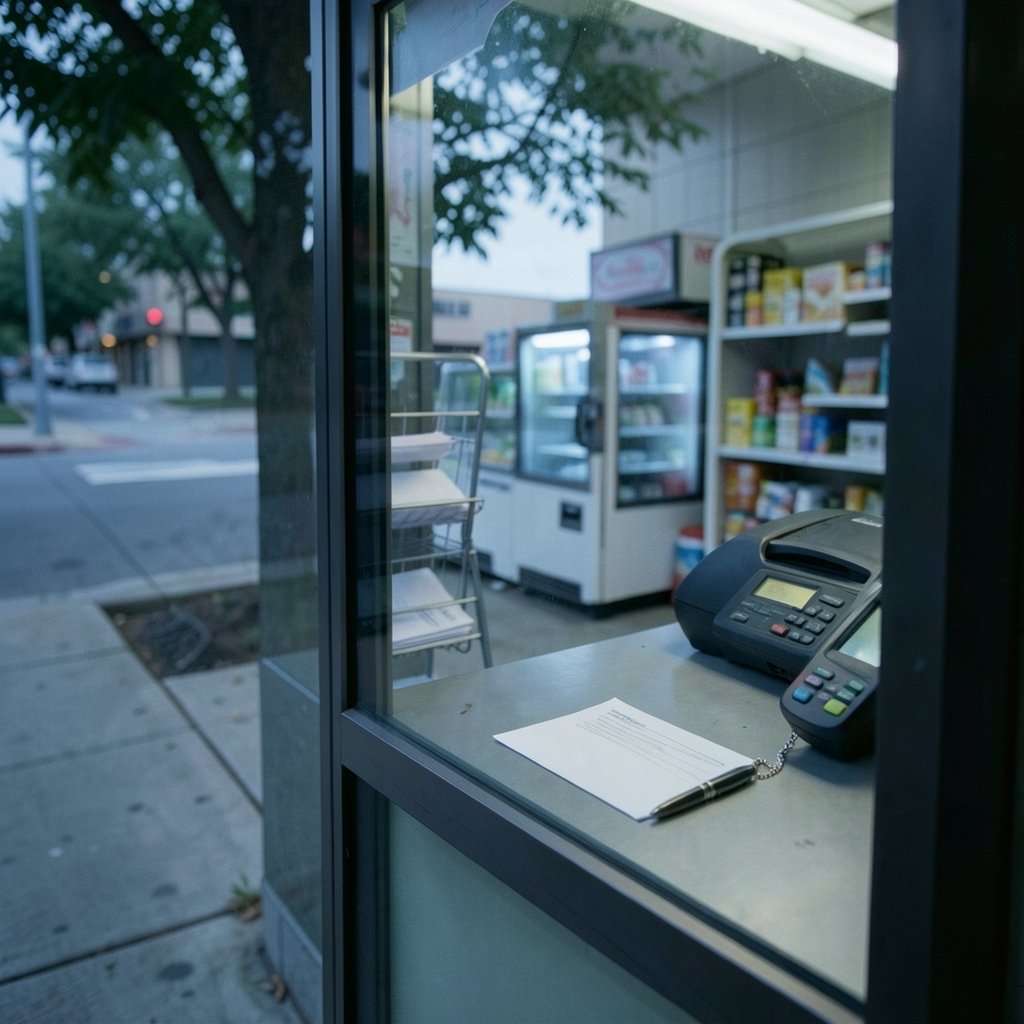
Most people default to their bank and then get stuck when it’s closed. In practice, the seller list is much longer.
| Seller type | Typical availability | What to expect |
|---|---|---|
| Post office | Weekday and limited Saturday hours | Issuer’s own money orders, published limits and fees |
| Banks and credit unions | Business hours, sometimes Saturday morning | Usually free or low-cost for account holders |
| Large retailers and discount stores | Long hours, often seven days a week | Low fees, but limits per customer and per day |
| Grocery and convenience chains | Extended hours, some 24-hour | Fast, but fees and limits vary by location |
| Check-cashing stores | Long hours, sometimes evenings | Higher fees, useful when nothing else is open |
| Some pharmacies and big-box stores | Store hours | Sold at the service desk or front register |
The pattern is clear. Banks and post offices keep office hours. Retailers keep retail hours. If it’s evening, a weekend, or a holiday, your realistic options narrow almost entirely to the retail side of that table.
Banks and Credit Unions
If you’re a customer, your own bank is usually the cheapest route, and sometimes free. The trade-off is that you’re limited to branch hours and the branch has to be one that actually sells money orders, which not every location does. Call ahead before you drive over, especially if you’re heading out late in the day.
The Post Office
The postal service issues its own money orders and publishes rules on limits and fees. Those money orders are widely accepted and carry a recognizable look, which some landlords and agencies prefer. The limitation is hours: post offices generally close in the late afternoon, and weekend hours are short or nonexistent depending on the location.
Retailers and Discount Stores
This is where most urgent searches end up. Large retailers and discount chains sell money orders at low fees and keep long hours, often seven days a week. Some grocery and convenience chains stay open around the clock, which makes them the closest thing to a late-night option in many towns.
Two practical warnings apply here. First, many retailers cap how many money orders one customer can buy in a day, and some cap the dollar amount. Second, not every employee at every register is trained to issue them, so you may be sent to a specific counter.
Check-Cashing Stores
Check-cashing outlets sell money orders, keep long hours, and are often open when banks aren’t. The trade-off is cost. Fees tend to run higher than at a bank or a big retailer, and you should confirm the total before you commit, including any fee for the money order itself.
How to Find a Seller Open Right Now
The honest answer to “who’s open right now” is that no article can tell you. Hours change, locations differ, and your town isn’t the same as the next one. What works is a method.
- Open a maps app and search “money order near me.” Then apply the “open now” filter. This is the single fastest way to see what’s actually trading at this moment, because it reflects live hours rather than a static list.
- Check the issuer’s own store locator. If you specifically want a postal money order, the postal service’s location tool will show which branches are open and their hours. Banks and large retailers publish similar locators.
- Call before you drive. A 30-second call confirms two things a map can’t: that the location is open, and that it sells money orders today. Stock and service availability change.
- Ask about limits and ID. One question saves a wasted trip: “What’s the maximum money order you’ll sell, and what ID do you need?”
- Have a backup. Line up a second option before you leave the house. If the first stop is out of forms or the register is closed, you don’t want to start the search over from scratch.
If you’re already out running errands and juggling a list of stops, it helps to think about timing the same way you would for any other time-sensitive task. The same discipline behind deciding whether to buy a MacBook Pro M4 now or wait for the M5 applies here: figure out what you actually need, what the deadline is, and whether waiting costs you more than acting. When a payment is due tonight, waiting is rarely the right call.
What to Bring and What It Costs
Fees vary by seller and by state, and they change. Rather than memorize a number, check the fee at the counter before you pay, and confirm the total out loud. (Best thai food near me)
Bring government-issued photo ID. Most sellers require it, and many log the sale. Bring cash as well, since some retailers won’t accept a card for money order purchases, and a few charge extra if you try.
There are also federal rules in the background. Money orders count as monetary instruments under U.S. Treasury regulations, which have long imposed recordkeeping and reporting requirements for larger money orders. The thresholds and citations have been revised over the years, so if you’re buying a large amount for a business purpose, it’s worth checking the current rules rather than relying on what you remember.
One more cost that surprises people: deposit holds. Under the funds-availability rules that govern banks, some money orders are treated as cash for hold purposes, but the definition is narrow and has been amended over time. That means the recipient’s bank may not release the funds immediately. If someone is expecting same-day access, tell them in advance.
Common Mistakes People Make in a Hurry
Speed is where things go wrong. These are the errors that show up again and again.
- Buying from a person instead of a business. A money order sold by an individual in a parking lot is a counterfeit risk, full stop. Buy only from an established seller.
- Leaving the payee blank. Fill in the recipient’s name before you leave the counter. A blank money order is essentially cash, and if it’s lost, it’s gone.
- Skipping the receipt. Keep the stub and the receipt. They’re your only proof of purchase if you need to trace or replace the money order.
- Assuming the recipient can cash it instantly. Holds are real. Confirm the timeline.
- Not checking the amount written. A single wrong digit can void the document or create a dispute.
- Forgetting the second fee. Some sellers charge a fee to issue and another to replace. Ask about both.
Fraud deserves its own mention. Counterfeit money orders are a documented scam vector, and consumer protection agencies have published warnings about them for years. The pattern is consistent: someone sends a money order for more than they owe, asks you to deposit it and wire back the difference, and the original turns out to be fake. If a transaction involves you sending money back to a stranger, stop. The identity threat detection cost breakdown shows how expensive these schemes become once your information is in the wrong hands, and the money order version is no cheaper.
Getting the Details Right When You’re Under Pressure
There’s a version of this errand that goes smoothly and a version that eats your whole evening. The difference is usually preparation, not luck.
Before you leave, write down the exact payee name, the amount, and your deadline. Confirm the seller is open and sells money orders. Bring ID and cash. Fill out the document at the counter, not in the car. Keep the receipt somewhere you’ll find it again.
If your first stop fails, don’t improvise with a stranger. Move to your backup. And if you find yourself repeatedly scrambling for money orders at odd hours, it may be worth opening an account at a local credit union or asking your current bank about after-hours options, because the long-term fix is access, not speed.
The same “know before you go” logic shows up in plenty of other errands, from finding a trustworthy garage door repair pro fast to figuring out how to open BIOS in Windows 11 when you’re already frustrated. Preparation beats panic every time.
Conclusion
Finding a money order near you when everything seems closed comes down to three moves: search with an “open now” filter, call to confirm, and bring ID plus cash. Banks and post offices are cheapest but keep office hours. Retailers and check-cashing stores stay open later and charge more. Whichever you choose, fill in the payee, keep the receipt, and treat any offer that involves sending money back to a stranger as a scam. Do that, and a stressful errand becomes a ten-minute stop.
Frequently Asked Questions
Where can I buy a money order when banks are closed?
Large retailers, discount stores, grocery and convenience chains, and check-cashing outlets are the usual options outside banking hours. Some stay open 24 hours. Use a maps app with an “open now” filter, then call to confirm the location sells money orders and has forms in stock.
Can I buy a money order at a post office?
Yes. The postal service issues its own money orders and publishes its limits and fees. The main constraint is hours, since post offices typically close in the late afternoon and have limited weekend availability.
How much does a money order cost?
Fees vary by seller and by state. Banks are often cheapest or free for account holders, retailers are usually low-cost, and check-cashing stores tend to charge more. Always confirm the total at the counter before paying, and ask whether a card is accepted or if cash is required.
Do I need ID to buy a money order?
Most sellers require government-issued photo ID, and many record the sale. Larger money orders can trigger additional recordkeeping under federal rules that treat money orders as monetary instruments. Bring ID every time so you’re not turned away.
How long does it take for the recipient to get the money?
It depends on the recipient’s bank. Some money orders are treated as cash for deposit-hold purposes, but the definition is narrow and has changed over time, so funds may not be available immediately. Tell the recipient in advance if they’re expecting same-day access.
How can I tell if a money order is fake?
Buy only from established sellers, never from an individual. Check for consistent printing, a matching amount in words and figures, and a receipt with a traceable number. If someone sends you a money order for more than they owe and asks you to send back the difference, treat it as a scam and stop the transaction.



