
What would you do if you had to wash your hands fifty times before you got paid? That is the odd little bargain a bar of money soap offers. A real banknote sits sealed inside a block of soap, and the only way to get it out is to use the bar until the cash finally breaks free. It sounds like a harmless novelty gift. It also raises a few practical questions about ruined currency, misleading claims, and whether the whole thing is worth the trouble. (Soap)
This guide looks at both products that share the name: the novelty gift with a bill inside and the “prosperity” soap sold as a money magnet. It covers how the paper survives water, what happens if the bill gets damaged, what consumer law says about the promises on the label, and whether any of it makes financial sense.
What Is Money Soap, Exactly?
The term covers two very different products, and sellers often blur the line between them.
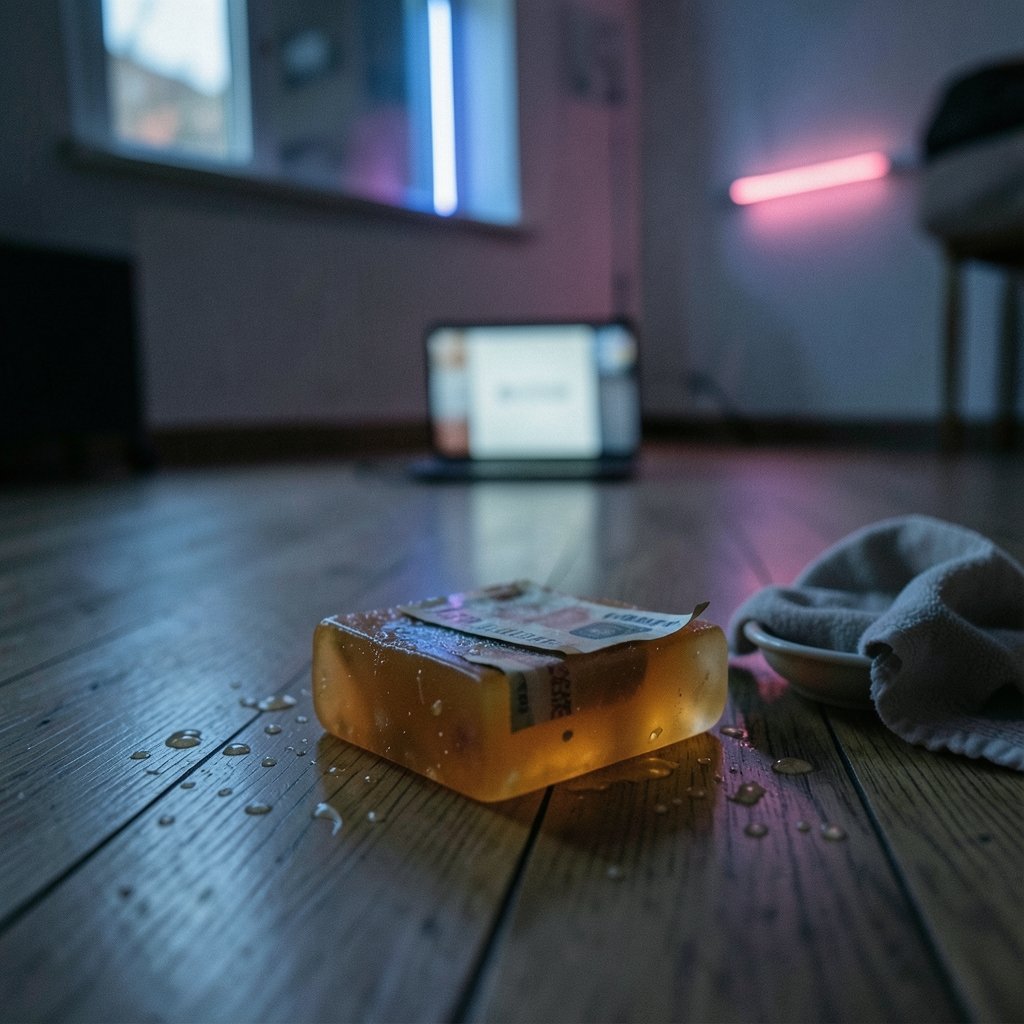
The first is a novelty gift soap. A genuine note, usually a small denomination, is vacuum-sealed or embedded in a clear or opaque bar of glycerin soap. The buyer washes the bar down over days or weeks until the money is released. Some versions use a $1 or $2 bill; others advertise a $50 or $100 note and charge accordingly.
The second is prosperity soap, sold in folk-magic and New Age shops as a charm to attract wealth. It may contain herbs, glitter, or a printed sigil, and it carries claims that have no scientific backing. There is no peer-reviewed evidence that any soap attracts money. That is an absence-of-evidence statement, not a study result.
Both versions trade on the same idea: money and washing, tied together in one bar. Only one of them involves actual currency, and that is where the practical problems start.
How a Banknote Survives Being Washed
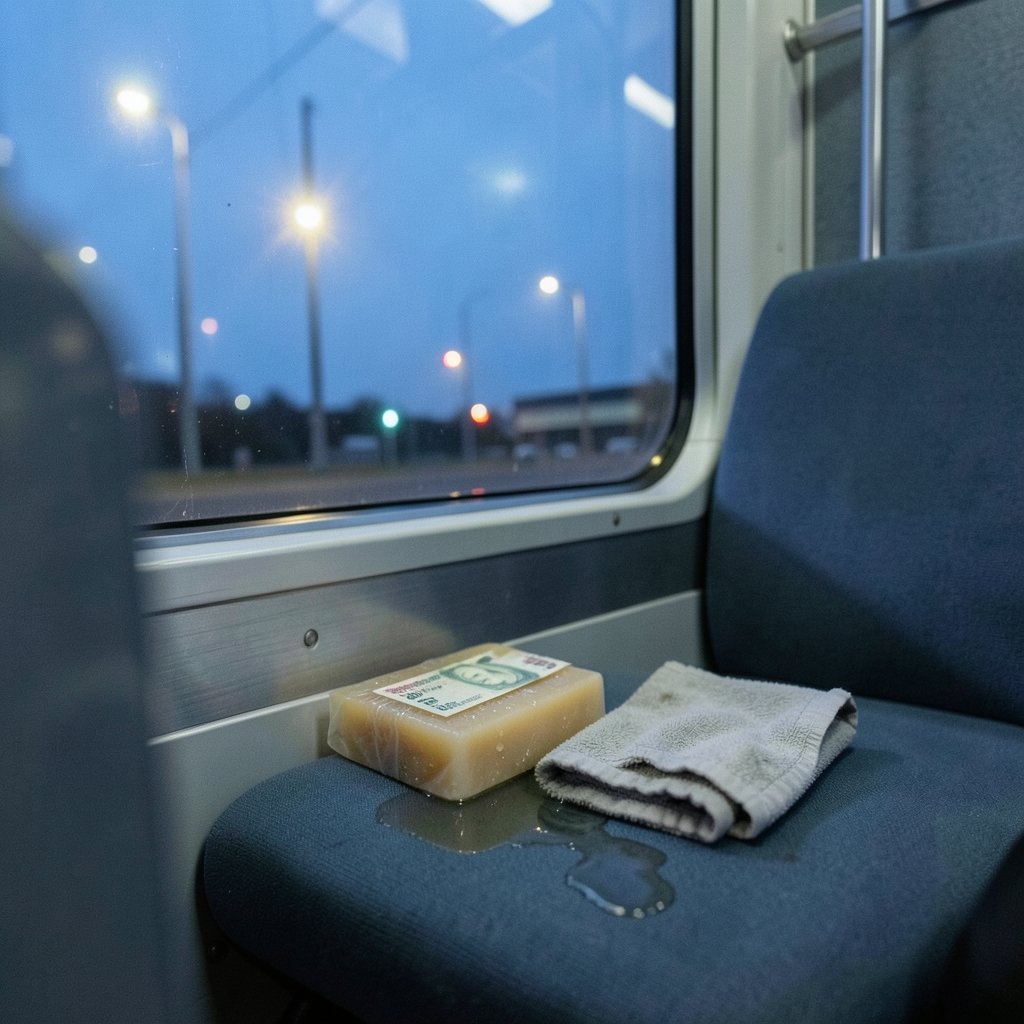
The trick works because of what US paper money is made of. Notes are printed on a cotton-linen blend rather than wood pulp, which is why they hold up better than ordinary paper when they get wet. That blend has been in use since the 1920s and 1930s, though the exact adoption year is hard to pin down.
Surviving a wash is not the same as being waterproof. US notes absorb water, and heavy soaking or laundering can damage them. Official guidance advises against washing or ironing currency. So a money soap bar is a slow, controlled soak rather than a quick rinse, and the bill inside is being tested every time the bar gets used.
In practice, most novelty bars use a protective layer. The note is often sealed in a thin plastic sleeve or coated in a water-resistant film before the soap is poured around it. That layer, not the soap itself, is what keeps the bill legible. When the coating fails, the note starts to look rough.
What Actually Happens in Real Use
People who have used these bars report a few common patterns.
- The soap runs out before the money does. A large bar can take weeks of daily showers to wear down. Many buyers give up and dig the note out with a knife, which defeats the point.
- The bill comes out damp and wrinkled. Even a sealed note often emerges soft and curled. It usually dries flat, but it will not look new.
- Cheap bars crack. Glycerin soap that has been poured around a solid object can develop cracks along the edges of the note, and the bar breaks apart early.
- The denomination is often smaller than buyers expect. Listings that advertise a high-value note sometimes mean a chance at one, not a guarantee.
The practical tip is simple: check the listing for the exact denomination and whether the note is sealed in a sleeve. If the seller will not state it plainly, assume the smallest bill.
When the Money Gets Damaged
Sometimes the note does not survive. It gets torn, soaked through, or comes out in pieces. The good news is that damaged US currency is not automatically worthless.
The agency that handles mutilated currency generally redeems notes if more than 50 percent is identifiable, or if 50 percent or less is present but clearly shows how the missing portion was destroyed. That second condition matters for soap bars, because a bill that dissolved or tore apart during washing may still qualify if the fragments show what happened to it.
The process is slow, though. Claims require paperwork, the fragments themselves, and a wait of weeks or months. For a $1 bill, that effort is rarely worth it. For a $50 or $100 note, it might be.
There is a broader lesson here about cash in unusual places. Scams that separate people from their money often rely on the victim not knowing the recovery rules. The same pattern shows up in the gift card scam, where victims rarely get their money back once the card is drained. Knowing how redemption works before something goes wrong is the difference between a minor annoyance and a real loss.
The Legal Side: Soap, Claims, and Consumer Protection
Money soap sits at the intersection of three sets of rules: product classification, advertising truth, and currency handling.
Is It a Cosmetic or a Drug?
In the US, a novelty soap is regulated as a cosmetic if it is marketed for cleansing or beautifying. It is treated as a drug if it makes therapeutic claims. That distinction comes from the Federal Food, Drug, and Cosmetic Act framework, which dates to 1938 and has been amended many times since.
For a money soap seller, this matters because claims like “clears your skin” or “heals eczema” push a product into drug territory, which brings stricter requirements. Most novelty bars stay safely in cosmetic territory by avoiding health claims altogether.
Advertising Has to Be True
A “guaranteed $100 inside” claim has to be accurate. Deceptive advertising is barred under the Federal Trade Commission Act, a 1914 statute that has been amended repeatedly. In the UK, the Consumer Protection from Unfair Trading Regulations 2008 prohibit misleading commercial practices in similar terms.
The rules are straightforward in principle. If a listing says a specific note is inside, that note must be inside. If it says “up to $100,” the odds need to be disclosed clearly enough that a reasonable buyer understands them.
Handling Currency
Embedding cash in a product also touches currency rules. Defacing US notes with the intent to render them unfit for circulation is prohibited, though sealing a note in soap for a gift is a long way from that. The bigger risk is damage during use, which is why the redemption rules above matter.
The Prosperity Soap Question
The folk-magic version of money soap makes claims that cannot be tested. Sellers describe it as a money magnet, often with instructions to wash hands before handling cash or to recite an intention while lathering. These are belief practices, not financial products.
That does not make them worthless to the people who buy them. Rituals can be meaningful, and a bar of soap is a cheap way to mark an intention. The problem starts when marketing slides into promises. A soap that “guarantees” wealth is making a claim no evidence supports.
The honest framing is that prosperity soap is a symbolic object. It may help someone focus on saving or budgeting, in the same way a visible jar of coins does. It will not change their bank balance on its own.
Does the Money Soap Gimmick Make Financial Sense?
Almost never, if the goal is to come out ahead. The math is easy to run.
| What the buyer pays | What is inside | Net result |
|---|---|---|
| $8 to $15 for a bar with a $1 bill | $1 | Loss of $7 to $14 |
| $25 to $40 for a bar with a $2 bill | $2 | Loss of $23 to $38 |
| $60 or more for a bar advertising a $50 note | $50, if the claim is honest | Small loss after shipping |
| Any price for a bar advertising a $100 note | Usually a chance, not a guarantee | Likely loss |
The value is in the experience, not the cash. That is fine as long as the buyer knows it. The trouble comes when people treat the bar as a savings method. It is not. The soap is the product, and the bill is the packaging.
That same logic applies to most modern money-making pitches. Tools that promise easy returns usually cost more than they deliver. The pattern shows up in the debate over how AI companies make money, where the revenue often comes from subscriptions rather than from the promised outcome. It also shows up in the way people try to make money with AI, where the realistic returns come from steady work, not from a gadget. A bar of soap with a dollar inside belongs in the same category: entertaining, but not a strategy. (Cbdc digital currency central bank money going digital)
Practical Tips Before You Buy or Gift One
A few checks separate a fun gift from a disappointing one.
- Confirm the denomination in writing. Ask the seller directly and keep the reply. Screenshots help if a dispute arises.
- Check whether the note is sealed. A plastic sleeve or film coating is the difference between a legible bill and a soggy one.
- Look at the soap type. Clear glycerin shows the note, which is most of the appeal. Opaque bars hide the money until the end, which some buyers find frustrating.
- Set expectations if it is a gift. Tell the recipient roughly how long the bar takes to wear down so they do not dig it out on day one.
- Skip health claims. If a listing promises skin benefits alongside the cash, treat it as a warning sign rather than a bonus.
- Keep the receipt. If the note turns out to be a photocopy or a foreign bill, a paper trail matters.
For sellers, the reverse applies. State the denomination, show the sealing method, and avoid any claim you cannot prove. The consumer rules on both sides of the Atlantic are clear enough that a vague listing is a needless risk.
The Cost of Getting It Wrong
The amounts at stake in a single soap bar are small. The wider pattern is not. Products that bundle a promise with a purchase tend to cost more than buyers expect, and the losses add up across a household budget.
That is why it helps to know where money actually goes in the products people buy. Identity theft protection is a good example: the real cost of identity threat detection is rarely the subscription fee, but the time, paperwork, and disruption that follow an incident. Threat intelligence spending follows a similar curve, with hidden costs that surface later. The same curiosity is worth applying to a novelty bar: ask what you are really paying for, and whether the answer is the soap or the promise.
Conclusion
Money soap is a small, strange product with a genuinely interesting design problem at its center: how do you seal cash inside something designed to dissolve? The answer involves cotton-linen paper, a plastic sleeve, and a bit of patience. The bill usually survives, though rarely in mint condition.
The bigger takeaways are about expectations. The novelty version is a gift, not a savings plan, and the numbers never work in the buyer’s favor. The prosperity version is a symbolic object, not a wealth strategy. Damaged notes can often be redeemed, but the process is slow and rarely worth it for small amounts. And the claims on the label have to be true, under rules that have been in place for decades.
Buy one because it is fun, or because someone will enjoy the reveal. Just do not expect the soap to pay for itself.
Frequently Asked Questions
Is the money inside a money soap bar real?
In most novelty products, yes. The note is genuine currency, often a $1 or $2 bill, sealed in a sleeve or embedded in glycerin soap. Some cheap listings use photocopies or foreign notes, which is why checking the denomination and the seller’s description before buying matters.
Does washing the soap damage the banknote?
It can. US notes are printed on a cotton-linen blend that holds up better than ordinary paper, but they still absorb water, and heavy soaking can damage them. Most bars protect the note with a thin plastic sleeve or coating, and that layer is what keeps the bill legible.
Can I get a damaged bill replaced after it comes out of the soap?
Often, yes. Mutilated currency is generally redeemable if more than 50 percent is identifiable, or if 50 percent or less is present but clearly shows how the missing portion was destroyed. The claim requires paperwork and a wait, so it is rarely worth the effort for a $1 bill.
Is prosperity money soap a scam?
It depends on the claims. As a symbolic object, it is harmless. If a seller promises that the soap will bring wealth or guaranteed returns, that claim has no scientific support and may run afoul of consumer protection rules on misleading advertising.
Is money soap regulated as a cosmetic?
In the US, a soap marketed for cleansing or beautifying is treated as a cosmetic. If it makes therapeutic claims, such as healing a skin condition, it is treated as a drug, which brings stricter requirements. Most novelty bars avoid health claims and stay in cosmetic territory.
Is a money soap bar worth buying?
As a gift or a novelty, it can be fun. As a way to save or make money, it never works. The bar almost always costs more than the note inside, so the value is in the experience of washing it down, not in the cash.



