
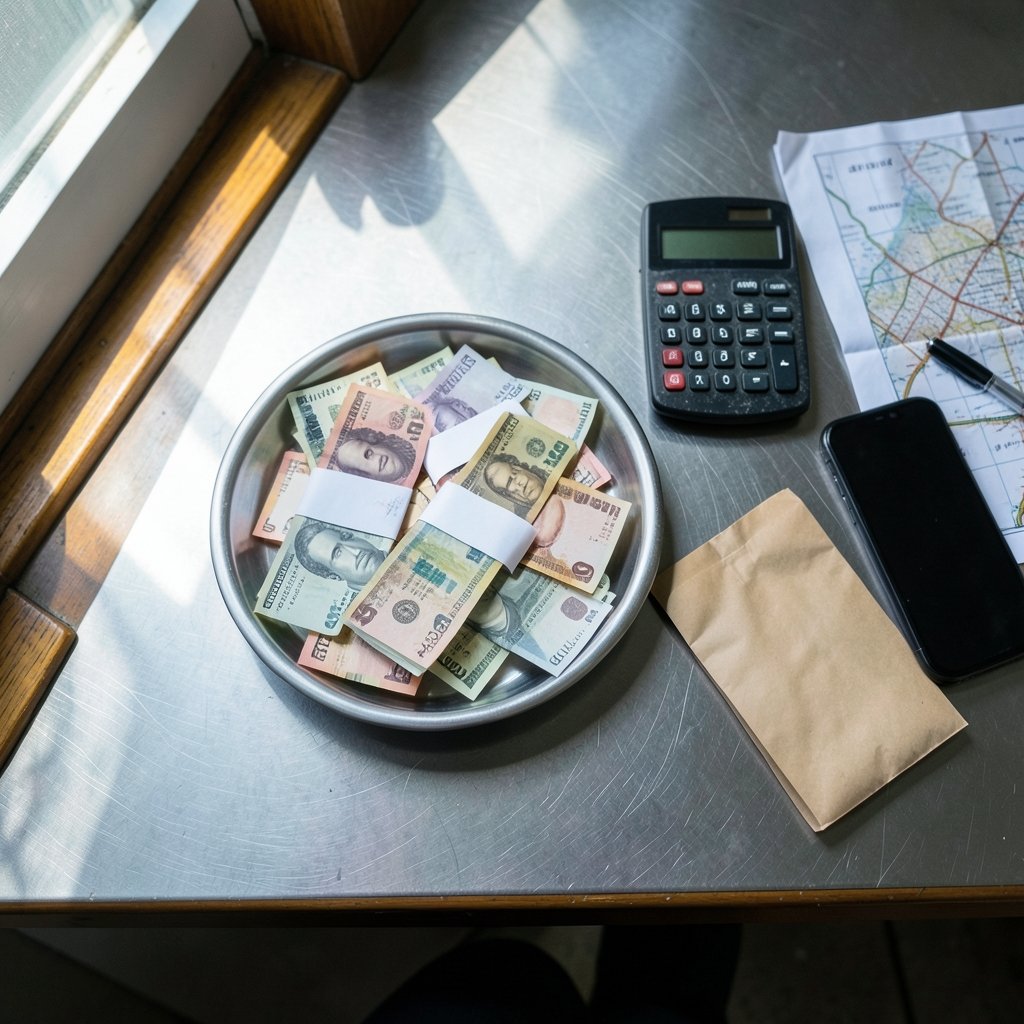
What if the difference between one transfer service and another could cost your family in Mexico a full day’s wages? For millions of people sending money south of the border, that question is not hypothetical. It is a monthly calculation. Money transfer to Mexico is one of the busiest remittance corridors on earth, and the gap between a good and a bad choice is measured in real pesos. (Fedwire Funds Service)
This guide breaks down how the corridor works, what it costs, where the money actually goes, and the mistakes that quietly drain value from every transfer.
Why the Mexico Corridor Is So Important
Remittances to Mexico reached roughly US$64.7 billion in 2024, according to the Bank of Mexico’s balance-of-payments data. That is not pocket change. It is a pillar of household budgets across states like Michoacán, Guerrero, Oaxaca, and Jalisco, where remittance income often covers food, school fees, medicine, and home repairs.
The United States is by far the largest source, accounting for the overwhelming majority of inflows. The corridor now also includes senders in Canada, Spain, and other countries with large Mexican diaspora communities.
What makes this corridor interesting is its maturity. Because so many people send money to Mexico every month, competition is fierce. That competition has pushed prices down and sped up delivery. In many cases, a transfer now lands in minutes, not days.
The Real Cost of Sending Money to Mexico

Here is where most people lose money without realizing it: the fee is only half the story.
Every transfer has two cost components:
| Cost Component | What It Means | Who Controls It |
|---|---|---|
| Transfer fee | A flat or percentage charge to move the money | The provider |
| Exchange rate margin | The gap between the market rate and the rate you get | The provider |
| Payout fee | A charge at pickup or deposit on the receiving end | The agent or bank |
| Float loss | Interest earned on your money while in transit | The provider |
The World Bank’s Remittance Prices Worldwide database tracks the average cost of sending US$200 to Mexico. In recent editions, the Mexico corridor has ranked among the cheaper large corridors, typically landing somewhere around 4 to 6 percent of the amount sent. That sounds modest until you scale it. On a US$300 monthly transfer, 5 percent is US$180 a year, gone.
The fix is simple but underused: compare the amount that actually arrives, not the advertised fee. A provider charging “zero fees” but applying a weak exchange rate can be more expensive than one charging a visible US$5 fee with a near-market rate. Always ask: how many pesos will my family receive?
Global Targets and Why They Matter
There is an international benchmark for what remittance costs should be. The United Nations Sustainable Development Goal 10.c calls for reducing remittance transaction costs to less than 3 percent of the amount transferred and eliminating corridors that cost more than 5 percent, with a target date of 2030. (Remittance)
Mexico’s corridor is already close to that upper threshold, which is good news for senders. But “close” is not “there.” Rural senders, small transfers, and cash-based transactions still carry higher effective costs than the corridor average suggests. The people with the least money often pay the most to move it.
How Transfers Actually Move
Most people do not think about the plumbing. But understanding it helps you pick the right channel.
Money Transfer Operators
Traditional agent networks remain the most visible option. You walk into a store, hand over cash, and your recipient collects pesos at a partner location in Mexico. This model works well for senders who deal mostly in cash or who want a familiar face-to-face experience.
Banks and Credit Unions
Bank-to-bank transfers can be competitive for larger amounts, especially if you already have an account. The catch is speed and paperwork. Some banks still take two to five business days, and the fee structure can be opaque. If you are comparing routes, it helps to understand how to transfer money between banks with speed, fees, and safer routes before committing to a wire.
Digital and Online Providers
App-based and web-based services have reshaped the corridor. They typically offer lower fees, transparent exchange rates, and delivery to a Mexican bank account or debit card. Many now support cash pickup too, which closes the gap with traditional agents.
Direct Deposit in Mexico
Payout to a Mexican bank account has grown steadily. It is usually the cheapest and fastest option, but it requires the recipient to have an account. For families in rural areas, cash pickup at an agent location remains necessary.
Regulation: What Protects You on Both Sides
Money transmission is a regulated business, and that matters for your safety.
On the U.S. side, money transmitters are regulated at the state level and, for many, must register federally with FinCEN as money services businesses under the Bank Secrecy Act. That registration framework is part of the anti-money-laundering system that keeps legitimate senders and recipients protected.
On the Mexican side, entities that receive and pay out remittances are supervised by the Comisión Nacional Bancaria y de Valores (CNBV) and are subject to anti-money-laundering rules under the Ley de Instituciones de Crédito and related provisions.
What does this mean in practice? A licensed provider will ask for identification, may ask about the purpose of the transfer, and will keep records. That is normal. If a service promises no ID, no questions, and unusually great rates, treat it as a warning sign, not a bargain. The same instincts that help you spot a gift card scam where victims rarely get their money back apply here: pressure, secrecy, and too-good pricing are red flags.
Step by Step: Sending Money the Right Way
Here is a practical sequence that works whether you send once a year or twice a month.
- Confirm the recipient’s payout method. Ask whether they prefer cash pickup, bank deposit, or debit card. The method shapes the cost and speed.
- Gather identification. The sender usually needs a government-issued ID; the recipient may need one at pickup.
- Compare the amount received, not the fee. Check at least three providers on the same day, for the same amount, to the same payout method.
- Check the exchange rate against a market reference. A small margin is normal; a large one is a hidden fee.
- Send a small test transfer first. If you are using a new provider or a new recipient account, start small.
- Keep the reference number. It is your proof if anything goes wrong.
- Tell the recipient what to expect. Amount, pickup location, and required ID prevent wasted trips.
That last step is underrated. Plenty of transfers sit uncollected for days because the recipient showed up without the right document or went to the wrong agent.
Common Mistakes That Cost Real Money
Chasing the lowest advertised fee. The fee is the most visible number and the least reliable comparison point. The exchange rate margin is where the real spread hides.
Sending cash without a receipt trail. Cash is fine, but keep the receipt and reference number. If a payout fails, that paper is your leverage.
Ignoring timing. Exchange rates move. Sending on a volatile day without checking the rate can cost more than any fee difference.
Using unlicensed “helpers.” Someone offering to send money on your behalf through their account introduces legal and financial risk, including potential money-laundering exposure.
Forgetting the recipient’s banking details. A single wrong digit in a CLABE number can delay a deposit by days. Double-check it.
Overlooking digital security. If you manage transfers from a phone or laptop, protect the accounts that hold your payment details. Understanding where identity threat detection costs really go helps you judge whether a provider’s security claims are substantive or marketing.
How the Exchange Rate Shapes What Arrives
The peso amount your recipient gets depends on two things: the fee deducted and the rate applied. Providers differ in how they present this. Some quote a fee separately and apply a near-market rate. Others advertise “no fee” and build margin into the rate.
The practical test is straightforward. Take the amount you want to send, subtract the fee, and multiply by the rate offered. Compare that final peso figure across providers. The highest number wins, full stop.
One more nuance: rates quoted online are often indicative. The rate locked at the moment of payment is what counts. If a provider will not confirm the rate before you commit, that is a transparency problem.
Sending to Mexico From Outside the United States
The US dominates the corridor, but it is not the only source. Senders in Canada, Spain, and other countries face different fee structures and payout networks. The principles stay the same: compare the received amount, verify licensing, and match the payout method to what your recipient can actually access.
For anyone exploring broader financial options, including newer digital rails, it helps to understand how CBDC digital currency is changing central bank money. These systems are still developing, but they will likely influence how cross-border payments work in the coming decade.
Practical Tips That Actually Work
Send on a schedule, not on impulse. Predictable transfers are easier to budget for and easier to compare, because you are measuring the same amount each time.
Use bank deposit when possible. It is usually cheaper and faster than cash pickup, and it reduces the risk of theft at collection.
Keep a simple log. Date, provider, amount sent, fee, rate, and amount received. After three months you will know exactly which provider treats you best.
Watch for promotional rates. New-customer rates can be genuinely good, but they expire. Note the date and re-compare afterward.
Bundle if fees are flat. If a provider charges a flat fee, sending one larger transfer can beat several small ones. Check the rate impact first.
Confirm hours and locations. Agent hours in Mexico vary. A transfer that arrives at 6 p.m. may not be collectible until the next morning.
Stay alert to fraud. If someone contacts you claiming a transfer is stuck and asks for payment to release it, stop. Legitimate providers do not work that way.
The Bigger Picture
A remittance is a transaction, and it also functions as household infrastructure. A family that receives a reliable monthly transfer can plan ahead, keep kids in school, and handle medical emergencies without borrowing at punishing rates.
That is why the cost difference matters so much. Shaving two percentage points off a US$300 monthly transfer saves about US$72 a year. Modest, yes, but for a family living on a tight budget, that is real.
The corridor is also changing. Digital providers keep pushing prices down, payout networks keep expanding, and regulators on both sides continue tightening anti-money-laundering rules. Senders who understand the mechanics, and who compare the amount received rather than the headline fee, will keep more money in their families’ hands.
Conclusion
Money transfer to Mexico is a mature, competitive corridor with plenty of good options and a few expensive traps. The winning approach is not complicated: verify the provider is licensed, compare the pesos that actually arrive, match the payout method to your recipient’s reality, and keep a record of every transfer. Do that, and the corridor works in your favor. Skip it, and the hidden margin will quietly do the opposite.
Frequently Asked Questions
How much does it typically cost to send money to Mexico?
For a US$200 transfer, the Mexico corridor has generally ranked among the cheaper large corridors, often around 4 to 6 percent of the amount sent when fees and exchange rate margin are combined. The exact figure varies by provider, payout method, and the day you send, so comparing the received amount is the only reliable test.
Is it cheaper to send money to a bank account or for cash pickup?
Bank deposit is usually cheaper and faster, because it avoids agent handling costs and reduces theft risk at collection. Cash pickup remains necessary for recipients without accounts, but expect slightly higher effective costs and slower availability in some locations.
How long does a transfer to Mexico take?
Many digital transfers arrive within minutes to a few hours, especially to bank accounts. Cash pickup can be same-day if sent early. Bank-to-bank wires may take one to five business days depending on the institutions involved and the time of day the transfer is initiated.
What identification do I need to send money to Mexico?
Senders typically need a government-issued photo ID, and recipients may need one at cash pickup. Licensed providers are required to verify identity under anti-money-laundering rules, so expect to provide details about yourself and sometimes the purpose of the transfer.
Are remittance services to Mexico regulated?
Yes. In the United States, many money transmitters must register with FinCEN as money services businesses and comply with state licensing. In Mexico, payout entities are supervised by the CNBV and subject to anti-money-laundering rules. If a provider avoids identification or licensing questions, treat it as a red flag.
Can I send money to Mexico without a bank account?
Yes. Cash-based agent networks and many digital providers support cash pickup, so neither the sender nor the recipient needs a bank account. You will still need identification, and you should keep the reference number in case the payout needs to be traced or corrected.



