
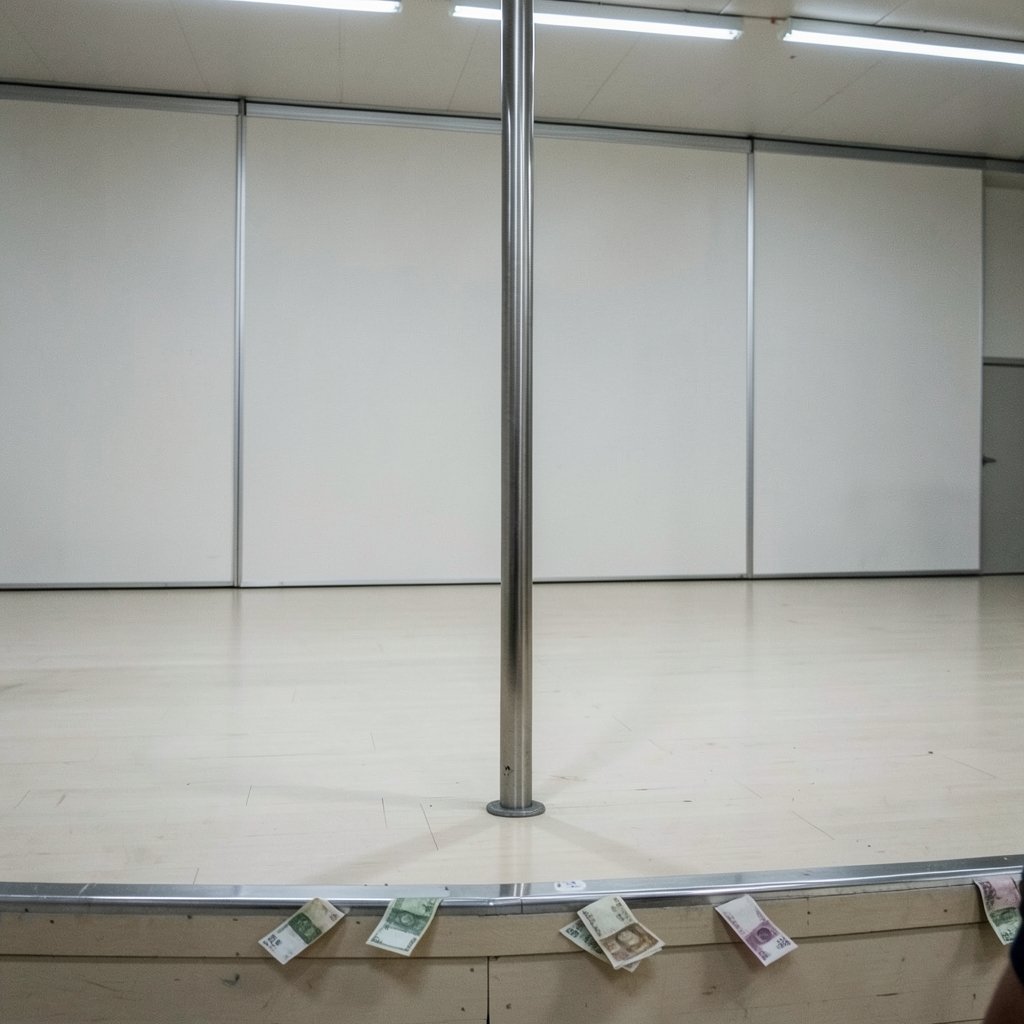
What does a dancer actually earn when the whole gig depends on tips? The phrase “nasty dancer dancing for money” gets typed into search bars for a mix of reasons. Some people are curious about the culture. Some want to know how the money works. Others are dancers themselves, trying to figure out whether the job is worth it. This article treats the topic seriously and practically: what “nasty” means as a dance term, how tip-based dance income is structured, where the legal lines sit, and what actually works for people earning a living this way.
What “Nasty” Means in Dance Slang
Start with the word itself. “Nasty” is informal English with several shades of meaning, and one of them describes something deliberately raw, vulgar, or sexually charged. Dictionary entries for the informal sense of “nasty” show how broad the word is, which is exactly why it works as slang in dance contexts. When someone says a dancer is “nasty,” they usually mean the movement is bold, suggestive, and unapologetic, not that the person is unkind.
That matters because it is not a technical term. There is no certification, no standard syllabus, and no governing body that defines a “nasty” dance style. In practice, the label covers a range:
- Club and exotic dance that leans into suggestive floorwork and close-contact movement
- Hip-hop and dancehall styles where “nasty” signals confidence and sexual swagger
- Online performance where the “nasty” element is a selling point in a tip menu
Anyone searching for a specific viral clip or song lyric behind the phrase should be cautious. The term floats around social media without a single verified origin, and plenty of posts attach it to unrelated videos. Treat any confident claim about “the original nasty dancer” as unverified until a primary source backs it up.
How Dancers Actually Get Paid

The money model is the part most people misunderstand. Tip-based dance income is not one system. It is at least three, and they behave very differently.
Club Tipping
In licensed adult venues, customers hand cash directly to performers, either as a stage tip or a private dance fee. The practice of throwing cash, often called “making it rain,” became a widely reported cultural phenomenon in the 2000s. Since then, some states and cities have restricted the practice inside licensed venues, and the rules vary by jurisdiction, so dancers and managers have to check local ordinances rather than assume a national standard.
A practical detail that surprises newcomers: tip handling is often where the money leaks. Dancers report that stage tips get absorbed by house fees, DJ cuts, or mandatory tip-outs to staff before anything reaches their pocket. A dancer who counts only what lands in the hand, not what survives the shift, will consistently overestimate earnings.
Private and VIP Dances
Private dances are priced per song or per block of time, and the venue usually takes a cut. This is where a good night can be made, but it is also where boundary-setting matters most. Experienced dancers set the terms before the music starts, and they keep the payment structure simple enough that nobody argues at the end.
Online Tip-for-Request
The third model is newer and growing. Live-streaming platforms let viewers tip performers during a stream, and performers can publish tip menus that list specific requests and their prices. The economics are transparent in a way club work often is not: the price is posted, the tip is logged, and the platform takes a documented percentage.
Here is a rough comparison of how the three models differ in practice:
| Model | Who pays | When money arrives | Main risk |
|---|---|---|---|
| Club stage tipping | Walk-in customers | Cash, same night | House fees and tip-outs eat the total |
| Private/VIP dances | Individual customers | Per song or block | Boundary disputes, venue cut |
| Online tip-for-request | Viewers on a platform | Digital payout, often delayed | Platform fees, chargebacks, content leaks |
The Legal Side Nobody Explains Up Front
Dancers are workers, and the law treats them in ways that are not always obvious. In the United States, adult-entertainment performers are frequently classified as independent contractors rather than employees. That classification has been litigated repeatedly because it decides whether minimum wage, workers’ compensation, and tip rules apply. The Fair Labor Standards Act guidance on employee versus contractor status lays out the test that courts and regulators use, and it is worth reading before signing any contract that calls a dancer a “contractor” while dictating her hours, outfit, and schedule.
Misclassification is one of the most common mistakes in this industry, and it is rarely the dancer’s fault. A venue that sets the shift times, the dress code, the music, and the house fee is behaving like an employer. Dancers who keep their own records of hours, fees paid, and tips received have far more leverage if a dispute arises.
Safety is the other legal layer. Licensed venues in many cities are required to provide security staff, lighting, and sometimes panic buttons, and the baseline duty to provide a safe workplace applies broadly. The general-duty clause summarized in OSHA’s workplace safety standards is the starting point for understanding what a venue owes the people working inside it. Harassment, cash handling, and exit safety all fall under that umbrella. (Occupational Safety and Health Administration)
Where the Money Really Goes
Anyone thinking about this work, or writing about it, should understand that gross tips are a fantasy number. The real figure is net.
A realistic accounting for a club shift looks like this:
- Count total tips and private-dance fees collected.
- Subtract the house fee charged just to work the shift.
- Subtract mandatory tip-outs to DJs, security, and floor staff.
- Subtract transport, outfit, and grooming costs.
- Subtract taxes, which independent contractors pay themselves.
What is left is the actual wage. It fluctuates wildly by night, by city, and by season. Online work has its own version of the same math: platform commission, payout delays, and the cost of equipment all come off the top. The pattern shows up across the wider gig economy too, where hidden costs quietly reshape earnings, as this breakdown of where identity threat detection costs really go illustrates for security spending. The lesson transfers: the headline number is never the real number.
There is also a fraud angle worth flagging. Dancers who accept payment through gift cards, crypto, or “verification” links are prime targets for scams, and recovery is rare. The mechanics of why victims of a gift card scam rarely get their money back explain the pattern: once the code is shared, the value is gone. A simple rule works in practice. Take cash or a documented platform payment, and never accept a “deposit” that requires buying something first.
What the Research Says About Tipping and Power
Academic work on erotic dance is more useful than most people expect. Sociological studies from the 1990s onward frame tipping not as a simple purchase but as a negotiation. The performer manages emotional labor, sets boundaries, and reads the customer, while the customer tries to buy a sense of control. A classic study of dancers’ emotional labor, available through the JSTOR record of that sociological research, is a good entry point for anyone who wants the scholarly version rather than the tabloid one.
The practical takeaway from that literature is that boundary-setting is a skill, not a personality trait. Dancers who earn well tend to have clear, rehearsed limits and a script for enforcing them without escalating. Newer dancers often learn this the hard way, after a shift where they said yes too many times and left exhausted and underpaid.
The Online Shift and What It Changes
Online performance has changed the risk profile of tip-based dance work. The upside is control: the performer sets the menu, chooses the hours, and avoids the physical risk of a club floor. The downside is permanence. Recorded streams circulate, and content that was meant for one paying viewer can end up anywhere.
Consumer-protection rules apply to these platforms, and the FTC’s guidance on consumer protection in the creator economy explains the obligations platforms and creators carry around disclosures and unfair practices. Dancers who understand those rules are better equipped to push back when a platform changes payout terms or withholds funds.
Payment methods are shifting too. Central bank digital currencies are being researched by many governments, and the debate over how a CBDC digital currency would work as central bank money matters for anyone whose income arrives digitally, because it could change settlement speed, fees, and privacy. That is a future question, not a today question, but it is worth watching.
Practical Advice That Actually Works
For dancers building income in this space, a few habits separate steady earners from people who burn out.
- Track every shift. Hours, fees, tips, and costs, in one place. Memory is unreliable and disputes are common.
- Price the menu clearly. Ambiguity invites argument. A posted price is easier to defend than a guessed one.
- Keep payment boring. Cash or a platform with a paper trail. No gift cards, no “verification” links, no exceptions.
- Rehearse the no. Decide limits before the shift and practice saying them out loud.
- Read the contract. If it calls you a contractor but controls your schedule, ask questions.
For people exploring side income more broadly, the same discipline applies whether the work is dance, delivery, or freelance consulting. Guides like this one on how to make money with AI tools emphasize the same point: the gross figure is marketing, and the net figure is the job.
Conclusion
“Nasty dancer dancing for money” is slang wrapped around a real labor market. The word “nasty” describes a style, not a standard. The money comes from tips, private bookings, and online requests, and the amount that survives house fees, platform cuts, and taxes is always smaller than the headline. The law treats many dancers as independent contractors, which makes record-keeping and contract literacy essential rather than optional. What works in practice is unglamorous: clear prices, rehearsed boundaries, boring payment methods, and honest math. Whether someone is researching the culture, considering the work, or just curious about how the economics fit together, the useful answer is the same. Follow the money past the tips, and the real picture appears.
What does “nasty dancer” mean?
It is informal slang, not a technical dance category. In dance contexts, “nasty” usually describes movement that is deliberately raw, bold, or sexually charged. It appears in club dance, hip-hop, and dancehall, and it carries no formal definition or certification. (Exotic dance)
How do dancers make money from dancing?
Most tip-based dance income comes from three sources: stage tips and cash tips in licensed venues, private or VIP dances priced per song or time block, and online tips during live streams where performers post a tip menu. Each has different costs and risks attached.
Are dancers employees or independent contractors?
In the United States, adult-entertainment performers are often classified as independent contractors, a status that has been litigated many times because it affects minimum wage, workers’ compensation, and tip handling. The classification test looks at how much control the venue exercises over hours, schedule, and conduct.
How much of a dancer’s tips does the venue take?
It varies widely by venue and city. Common deductions include a house fee to work the shift and mandatory tip-outs to DJs, security, and floor staff. Some jurisdictions also restrict practices like throwing cash inside licensed venues, so local rules matter.
Is online tip-based dancing safer than club work?
It removes the physical risks of a club floor and gives the performer control over hours and pricing. It adds different risks: recorded content can circulate beyond the intended audience, and platform fees, payout delays, and chargebacks can reduce earnings.
What is the biggest mistake new dancers make?
Underpricing ambiguity. New dancers often leave limits and prices unspoken, which invites disputes and leaves them doing more work for less money. Clear posted prices, rehearsed boundaries, and a written record of fees and tips prevent most of the problems that come up.



