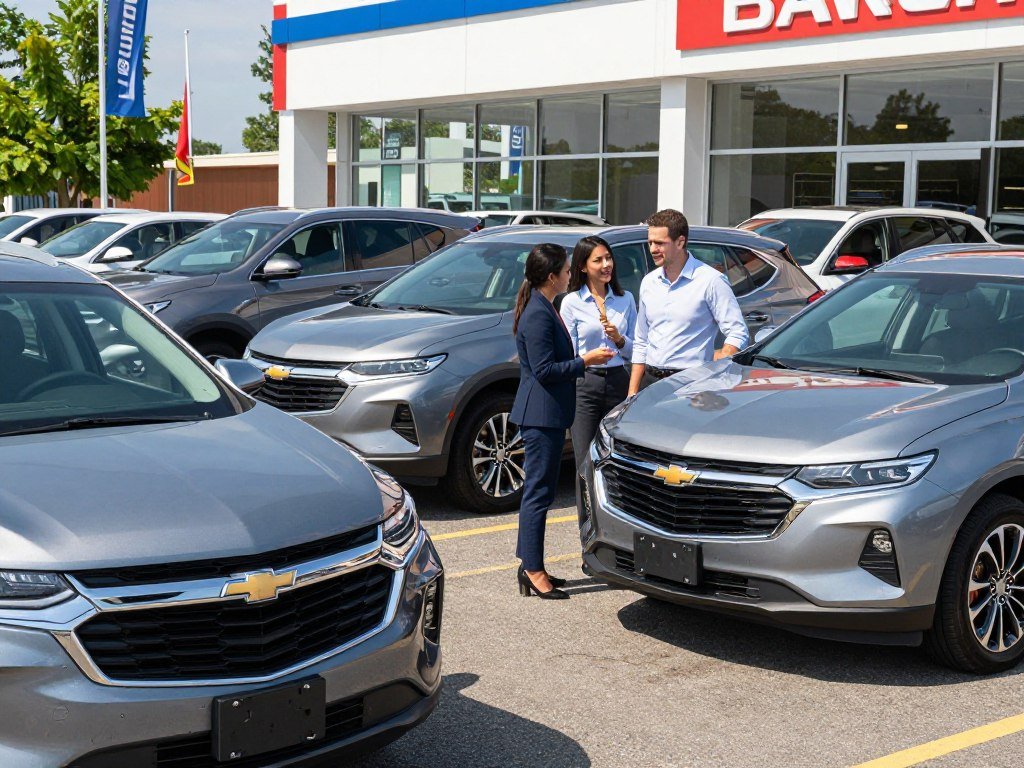
A vehicle that handles the daily commute and still fits weekend plans is easier to choose when you know what matters most. A new Chevy dealer can help you explore cars, trucks, and SUVs, but the right choice starts with your needs. You will need to compare available vehicles, check how well each one fits your routine, and understand the full cost before you buy.
The out-the-door price is the full amount due to buy a vehicle, including its price and applicable taxes and fees. That figure gives you a clearer budget than a vehicle price alone. Think about how many people ride with you, what you carry, and how you plan to use the vehicle. Your everyday needs should guide the choice before appearance or extra features.
Key Takeaways
- Compare a dealership’s current inventory with your must-have features.
- Choose a vehicle type that suits your passengers, cargo, and daily driving.
- Review the full written price, including applicable taxes and fees.
- Compare loan and lease terms by their full cost, not monthly payment alone.
- Keep the owner’s manual and service records for future maintenance.
A careful choice can make daily driving easier without stretching your budget. Start with the needs you cannot compromise on, such as passenger room, cargo space, or a manageable payment.
How to Choose a New Chevy Dealer
A dealership is worth a visit when it can confirm the exact vehicle configuration and arrange a drive before you make the trip. Specific details matter: a model name alone does not confirm the trim, features, or availability you want. Compare nearby dealerships by distance, current inventory, and test-drive availability.
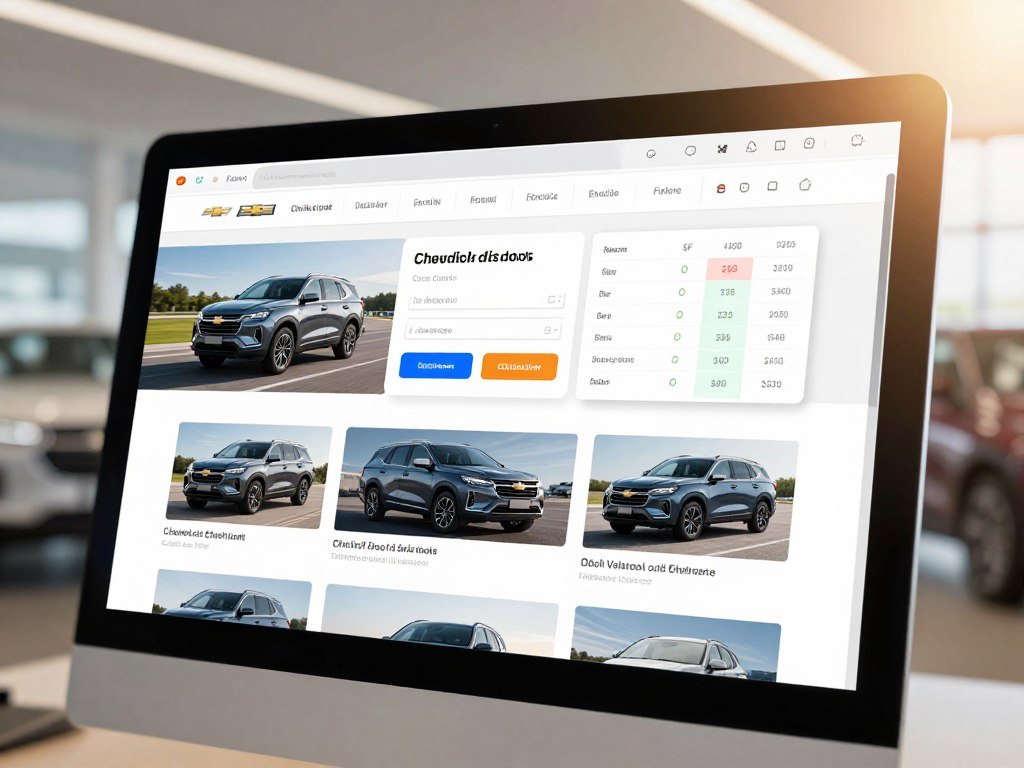
When you look for new Chevy dealers near you, compare the stores within a practical drive. A search for a Chevy dealership near you should also consider useful hours and access to a service center. Chevrolet inventory pages can show photos, specifications, and filters for model, price, and features. These tools help narrow the choices, though a listing may change before you arrive.
Confirm the exact trim and arrange a test drive before making the trip. Online inventory can change, so check again on appointment day.
Use this five-part screening list to see whether a dealer can support the visit and future ownership:
- Check live inventory for the exact model, trim, and features.
- Set a test-drive appointment for the vehicle you want to try.
- Ask for written confirmation that the vehicle is available.
- Learn how the dealership handles trade-in purchases and appraisals.
- Check whether maintenance and repair service are available.
Dealership services differ, so look beyond the vehicle sales area. North Park Chevrolet lists financing, trade-in purchases, maintenance, and repair, including oil changes and wheel alignments. That is one example of the services a dealership may offer, not a promise that every store has the same programs.
Consider what happens after the test drive, too. A close location may be convenient for routine visits, but its hours and service access should fit your schedule. Ask how you can book service and whether the service center handles the work your vehicle may need. Confirm the vehicle is still available on the day of your appointment, since online inventory can change.
Which Chevrolet Models Fit Your Daily Needs?
A truck suits work and towing priorities, while a crossover or SUV is usually the more natural place to start for passenger and cargo flexibility. Your routine helps narrow the Chevrolet models that deserve a closer look. Choose by the job the vehicle must do most often, then check its space in person.
Trucks can carry gear in a bed and support work needs, while cab size affects passenger room. Crossovers and SUVs offer enclosed cargo space and seating for passengers. Don Hewlett Chevrolet lists new Silverado 1500, Silverado 2500, Equinox, Trax, and Traverse models. The wider Chevrolet lineup also includes Colorado, Blazer, and Malibu.
Trucks for work and towing
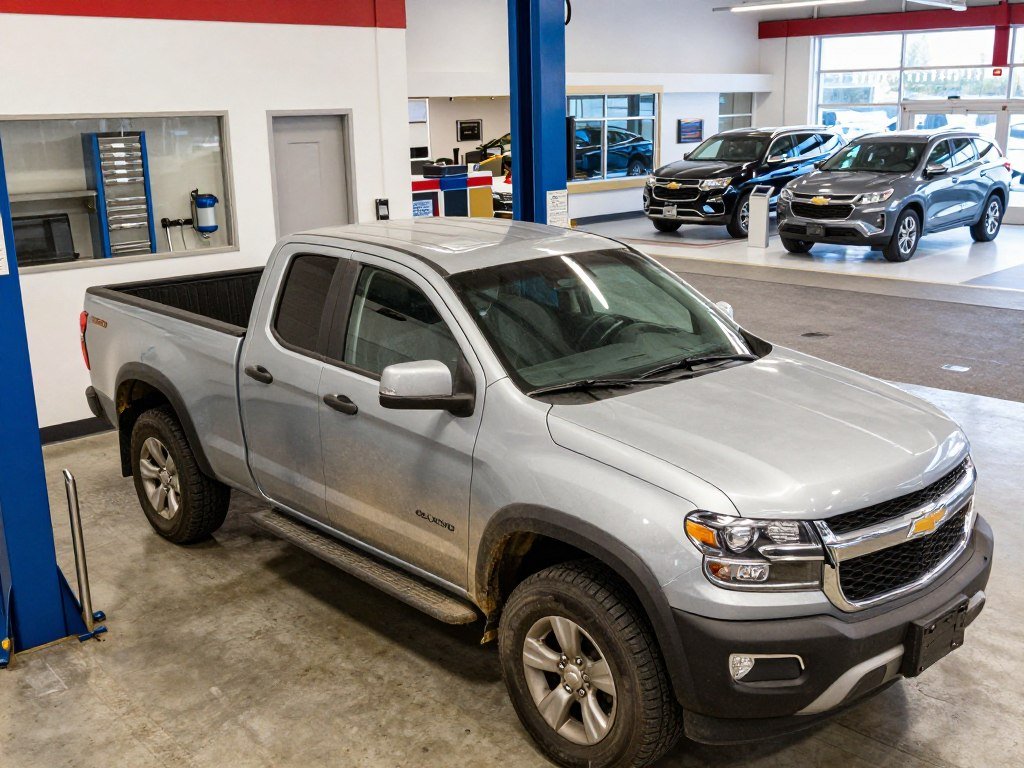
Colorado and Silverado 1500 are truck options for drivers who need a bed for tools, supplies, or other loads. Consider how often you carry passengers in the cab, since cab layouts differ. Towing needs also call for a close look at the specific vehicle’s equipment and ratings. A truck that works well on a job site may feel large in a tight parking space.
Crossovers and SUVs for daily use
Equinox, Trax, and Traverse offer enclosed cargo areas and passenger seating. The right fit depends on the number of people you carry and how much space their bags take. Blazer is another SUV option, while Malibu is a car for drivers who want a lower profile. Each model can feel different in traffic, at the curb, and when loading cargo.
The table highlights practical checks for five models. Use each one to guide a walk-around, not as a substitute for trying the seating and cargo area yourself.
| Model | Vehicle type | Common fit | Practical check |
|---|---|---|---|
| Colorado | Truck | Work gear and smaller loads | Check cab space and bed access |
| Silverado 1500 | Full-size truck | Work needs and larger loads | Check cab room and parking dimensions |
| Equinox | Crossover SUV | Daily trips and regular cargo | Check rear-seat room and cargo access |
| Trax | Small SUV | City driving and light cargo | Check cargo opening and parking fit |
| Traverse | Three-row SUV | More passengers and family gear | Check third-row access and cargo space |
Drivers can compare body styles online, but the details that shape daily comfort are easier to judge from the driver’s seat. Compare the exact seating and cargo layout in person, because a model name alone does not tell you whether the space works for your routine.

Is a New or Used Chevy the Better Fit?
A new vehicle gives you a choice of current configurations, while a used vehicle adds condition and service history to the decision. Configuration choice can make a new vehicle appealing when you want a certain trim or feature set. A used vehicle’s condition, maintenance records, and history matter as much as its model name.
New vehicles may give you a clearer path to the color, trim, and options you prefer. Used cars can offer value when you are open to earlier model years or different equipment. The right comparison considers how the vehicle was cared for, not just its age or appearance. A clean exterior does not show every issue that might affect future use.
Used vehicles can range from small SUVs to full-size trucks. North Park Chevrolet lists used Trax, Tahoe, Silverado 1500, and Colorado models. Those examples show the range of vehicle types you may encounter while shopping. They do not mean that every used vehicle has the same condition, service record, or equipment.
When you inspect used cars, ask for the available maintenance records and review the vehicle history. Look for regular service entries, gaps in the record, and signs of repairs. A vehicle’s history can help explain past ownership or damage, but it cannot replace a careful inspection. You may want a mechanic who is independent of the dealership to check the vehicle.
Think about which trade-offs matter most to you. A new vehicle may suit you if a specific configuration is important, while a used one may suit you if you are open to a wider range of features and model years. Do not let the model name distract you from the vehicle in front of you. For a used vehicle, check its history and arrange an independent inspection before agreeing to buy.
What Do MSRP and Invoice Price Tell You?
MSRP is a starting reference, not the final amount a buyer pays. The sticker price helps you compare a vehicle’s listed cost with its configuration, but the out-the-door price includes more. MSRP excludes several charges that may affect your full purchase amount.
MSRP means manufacturer’s suggested retail price. For most mainstream new vehicles, the invoice price is typically 3-8% below MSRP. The difference offers one point of reference, not a guaranteed sale price. Chevrolet invoice price covers the base vehicle, factory-installed options, and regional advertising fees.
Reading the window sticker
Chevrolet MSRP excludes the destination freight charge, tax, title, license, dealer fees, and optional equipment. The destination charge is typically listed separately from invoice-price components. Review the sticker to see what equipment is included and which charges appear apart from the vehicle price. An option may change the comparison between two vehicles, even when their trim names match.
For a clear comparison, line up vehicles with the same trim and factory options. A quote should show the selected configuration and the charges included in its total. Actual configurations and transaction details affect a quote, so a sample figure is not a promise of a specific offer.
Understanding invoice-price examples
A 2026 Chevrolet Silverado 1500 LTZ with common options might have an MSRP of $56,000 and an invoice price around $52,500. The gap is roughly $3,500, or about 6.25% of MSRP. These numbers show how the measures relate for that example, not what every Silverado or other vehicle will cost.
| Measure | Example amount | What it represents |
|---|---|---|
| MSRP | $56,000 | Suggested retail price for the example |
| Invoice price | Around $52,500 | Example price basis before separate charges |
| Difference | Roughly $3,500 | Gap between the example MSRP and invoice price |
| Difference as a share of MSRP | About 6.25% | Gap measured against the example MSRP |
The table does not include taxes, title, license, dealer fees, or a separately listed destination charge. Those amounts can change the final total. Compare the same trim and factory options before using a sticker figure to judge another vehicle’s price.

How Can You Negotiate a Chevy Price?
A clear written offer for the same model, trim, and options gives you a stronger basis for negotiation than a monthly-payment comparison. Like-for-like details help you spot differences that could change the offer. Keep the vehicle price, trade-in, financing, and required fees visible as separate items.
Use these four steps to keep the discussion focused on the vehicle and the terms you can compare:
- Compare equivalent configurations, including trim and factory options.
- Ask for a written, itemized offer that shows each amount.
- Negotiate the vehicle price separately from your trade-in and financing.
- Review required fees and ask what each charge covers.
Dealers typically receive a holdback payment of about 2-3% of MSRP from the manufacturer, paid quarterly. That amount is not automatically a dealer’s profit or a guaranteed discount for you. A dealer’s costs and the terms of a sale can differ, so holdback alone does not show what a specific vehicle should sell for.
Inventory time may matter during a price discussion. Dealers pay floor-plan interest on inventory, and a vehicle on the lot for 60 or more days may create an opportunity for a below-invoice deal. That age is an opportunity, not a promise of a discount. The vehicle’s configuration and the written terms still matter.
Keep financing and trade-in numbers out of the first price comparison. A lower monthly payment can reflect a longer term or a larger amount due at signing, not a lower vehicle price. Ask for the full offer in writing and read each line before you agree. Keep each part of the transaction visible on paper so a lower vehicle price is not offset by another term.
Should You Finance or Lease a New Chevy?
Financing makes more sense when you want to keep the vehicle beyond the payment period, while leasing can suit drivers who prefer a set term and planned replacement. How long you expect to keep the vehicle is a useful place to start. Compare the full agreement, including the amount due at signing and any end-of-term conditions.
A loan applies payments toward ownership, and you own the vehicle after making the scheduled payments. A lease sets a term, mileage allowance, and return or purchase conditions. The lower monthly payment does not tell you which option costs less over the full time you use the vehicle.
Financing with a loan
Loan payments depend in part on the down payment, length of the term, and your credit. A larger down payment can reduce the amount financed, while a longer term can lower the payment but extend payments over more time. Compare the total paid across the agreement, not only the number due each month.
Don Hewlett Chevrolet lists financing and leasing, first-time buyer loans, international finance programs, business credit applications, and special financing. These are examples of options a dealership may list. Their availability and terms do not apply to every dealership or every buyer.
Leasing for a set term
New-car leases commonly run about 24-36 months, with the contract setting the term and mileage allowance. Your expected miles matter because the contract sets a limit. A driver with a long commute should compare that allowance with normal yearly driving before signing.
Read the return and purchase conditions so you know what happens when the term ends. The contract explains how to return the vehicle or whether you can buy it. Check the amount due at signing alongside each monthly payment. Compare total amounts due over the full agreement, not just the monthly payment.
How Should You Compare Chevrolet Specials and Cash Offers?
An advertised cash offer matters only if its rules match the vehicle and purchase arrangement you are considering. Eligibility matters because offers can have different terms for different buyers. Dealer cash and a consumer rebate are separate incentives.
Dealer cash is a manufacturer-to-dealer incentive paid by the manufacturer to the dealer. It does not appear on the window sticker. A consumer rebate is a buyer-facing incentive, and it may have stated eligibility conditions. Do not treat the two offers as the same kind of discount.
Read the terms for each special or sale before including it in your budget. Eligibility can depend on the offer and your situation. An offer may apply only to certain models or purchase arrangements, so check whether it fits your chosen vehicle and how you plan to buy or lease it.
Ask whether a consumer rebate can be combined with other offers. Some advertised offers may not work together, and an offer for one model may not apply to another. The listed amount alone does not tell you whether you qualify. Do not assume an advertised incentive applies to every buyer or configuration.
Compare the offer’s terms with the vehicle and written price you are considering. Make sure the incentive appears as a separate item, rather than treating it as a change to the window sticker. Ask for the offer’s eligibility and combination rules in writing before counting it toward your budget.
How Do You Prepare for Chevy Service After Purchase?
Keep the owner’s manual and service records together from the first day you take delivery. That simple habit gives you a place to find the correct maintenance schedule and track work over time. Use the schedule for your specific vehicle instead of relying on a general interval.
The owner’s manual gives the maintenance schedule for your model. Follow it when planning routine care, and save dated receipts for repairs and service. Oil changes and wheel alignments are examples of routine service needs, but their timing depends on the vehicle and its use.
Follow the maintenance schedule
Check the manual for model-specific service intervals and follow the instructions for your vehicle. Keep the service record with the manual so you can see what work has been done and when. This record can help you track care, whether you use a Chevrolet service center or another repair shop.
Routine service can involve parts, inspections, or work by trained technicians. The service your vehicle needs depends on its schedule and condition. Keep notes about repairs, too, so you can refer to the date and work performed later.
Check recalls and keep records
A vehicle identification number, or VIN, has 17 characters. The National Highway Traffic Safety Administration provides a VIN-based recall lookup. Use these four steps to keep key service details in one place:
- Record the vehicle’s VIN.
- Review the maintenance schedule in the owner’s manual.
- Save dated receipts for service and repairs.
- Check for open recalls using the VIN.
Keep the VIN with your service records so you can enter it when checking for recalls. The lookup can show whether a recall is open for that vehicle. A service center can also help with routine maintenance, while your records give you a clear account of past work. Check recall status again before a long trip or a major change in vehicle ownership.
Use the 17-character VIN to check open recalls through the National Highway Traffic Safety Administration. Keep the result with your vehicle records.
Conclusion
A good vehicle choice starts with the needs you use every day and a price you can understand in full. Your written offer should make the vehicle cost and applicable charges clear. A nearby Chevrolet dealership can help you see current vehicles and take a test drive.
Browse current inventory online and choose a model that suits your daily plans. Then schedule a test drive with a nearby Chevrolet dealership. Choose a model to test-drive, confirm its availability, and schedule a visit that fits your plans.
FAQ
How much lower is invoice price than MSRP?
For most mainstream new vehicles, invoice price is typically 3-8% below MSRP. The exact comparison depends on the vehicle’s trim and factory options, so compare matching configurations. Invoice price is a reference point, not a guaranteed sale price. The final amount due can also include taxes, title, license, dealer fees, and a separate destination charge.
What is included in an out-the-door price?
An out-the-door price is the full purchase amount, including the vehicle price and applicable taxes and fees. Review an itemized offer to see which required charges make up the total. Check that the offer reflects the vehicle and options you chose. Comparing full totals helps you avoid relying on a vehicle price that leaves out costs due at purchase.
Can I negotiate below invoice price?
Yes, a below-invoice deal can be possible, especially for a vehicle on the lot 60 or more days. That condition may create room for discussion, but it does not guarantee a discount. Compare the same trim and options, and ask for an itemized written offer. Keep the vehicle price separate from trade-in and financing terms when you review the numbers.
Does dealer cash reduce the price shown on the window sticker?
No, manufacturer dealer cash is separate from consumer rebates and does not appear on the window sticker. Dealer cash is paid by the manufacturer to the dealership. A consumer rebate is a buyer-facing offer that may have eligibility rules. Check the terms to learn whether a rebate applies to your chosen vehicle and whether you can combine it with other offers.
What should I compare before signing a lease?
Compare the full lease term, mileage allowance, amount due at signing, and return or purchase conditions. New-car leases commonly run about 24-36 months, while the contract sets your actual term and mileage limit. Match the allowance to your expected driving. Review all amounts across the full agreement, since a monthly payment alone does not show the total cost.
How can I check whether a Chevy has an open recall?
Use the vehicle’s 17-character VIN in the National Highway Traffic Safety Administration recall lookup. The VIN identifies the vehicle for the search, so enter all characters carefully. Keep the VIN with your owner’s manual and service records. Check recall status again before a long trip or a major change in ownership.