
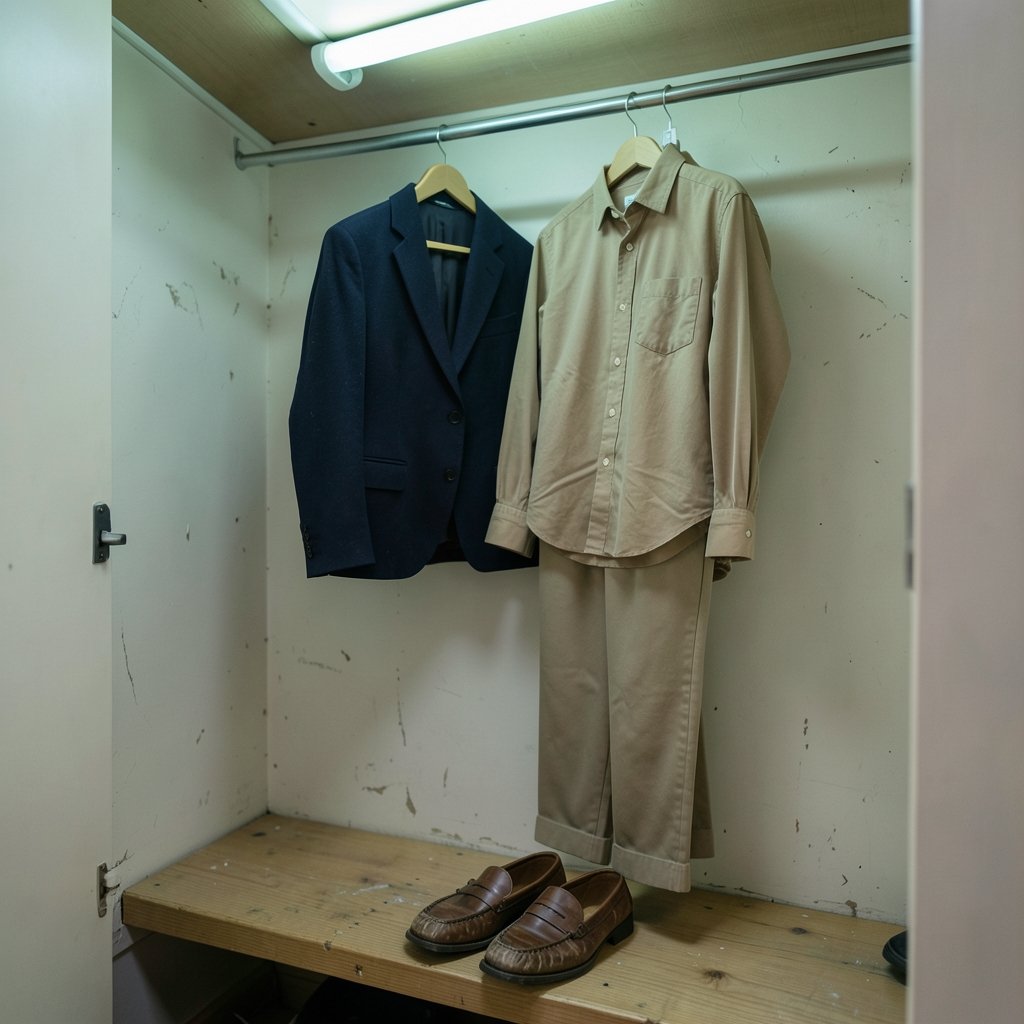
What makes a plain navy blazer and a pair of worn loafers look expensive while a head-to-toe designer outfit looks like a costume? That question centers the old money clothes trend, one of the most persistent style ideas of the past decade. The look has no official rulebook, no governing body, and no agreed definition. Yet millions of people search for it every month, and retailers have rebuilt entire collections around it. (Cbdc digital currency central bank money going digital)
This article breaks down where the idea comes from, what the clothes actually look like, and how to build the wardrobe without wasting money on things that miss the point.
What “Old Money Clothes” Really Means
Old money style is a media and retail label for understated, high-quality, logo-light dress associated with established wealth. It is not a documented dress code, and no fashion authority defines it. The phrase spread through fashion media and social platforms in the 2010s and 2020s as a shorthand for a certain visual language: muted colors, natural fabrics, clean lines, and very few visible brand marks.
The irony is thick. A style built on the idea of not trying to impress became one of the most imitated looks on the internet. Search interest exploded, and fast-fashion chains rushed out affordable versions of cable-knit sweaters and pleated trousers. That tension is worth keeping in mind, because it explains most of the mistakes people make when they try to copy the look.
Where the Style Comes From
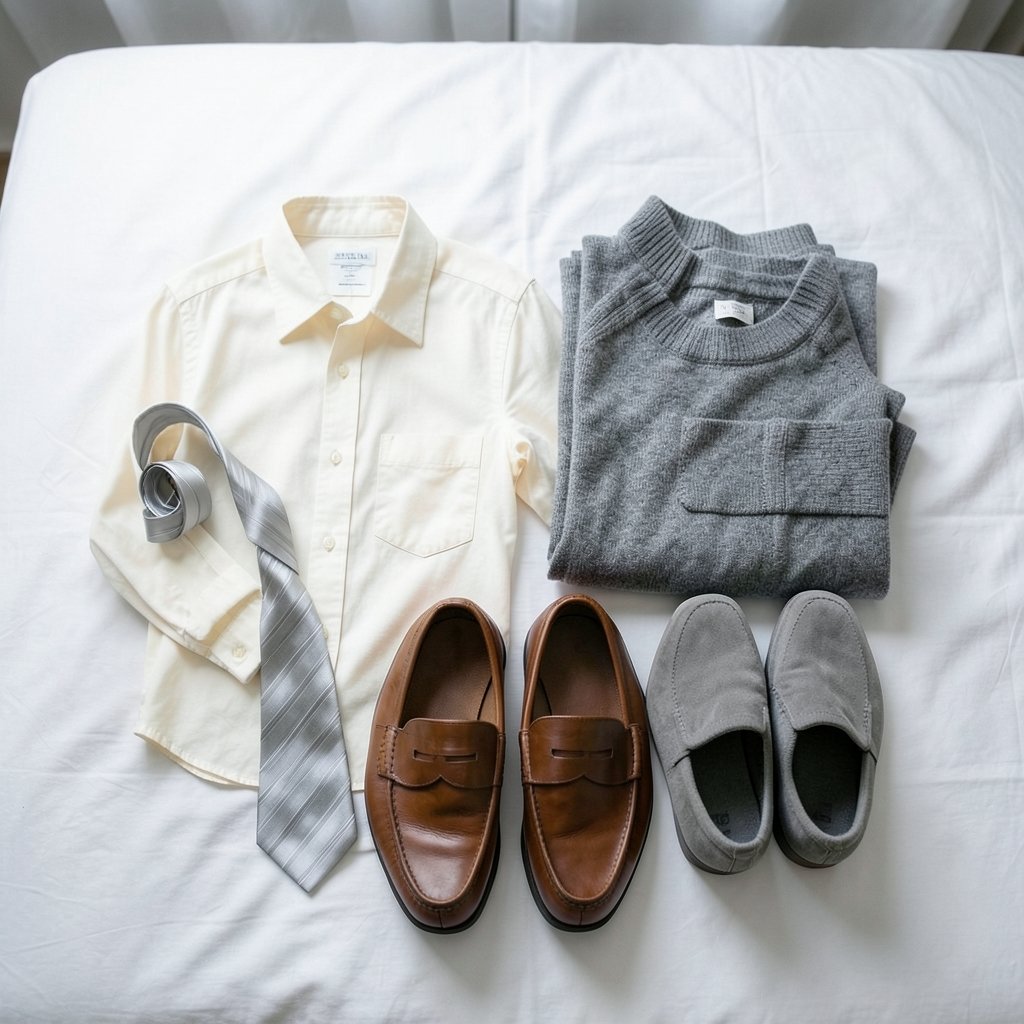
Old money clothes did not appear from nowhere. They borrow heavily from several older, well-documented dress traditions.
Preppy and Ivy Style
Preppy comes from US preparatory schools, and the word entered dictionaries as a style term in the mid-20th century. Dictionary entries date the adjective to the 1960s. The look meant button-down shirts, khakis, penny loafers, and blazers, all drawn from Northeastern collegiate dress.
Ivy style refers to mid-20th-century American campus clothing: sack suits, oxford cloth shirts, striped ties, and suede shoes. Lisa Birnbach’s The Official Preppy Handbook, published in 1980, turned those campus habits into a widely copied dress code and pushed preppy into the mainstream.
Quiet Luxury
Quiet luxury became a widely used fashion-media term around 2023, often linked to the television series Succession, which ran from 2018 to 2023. The show’s costumes featured expensive but nearly unmarked clothing, and viewers noticed. The exact coinage date is disputed, so treat the phrase as media shorthand rather than a fixed category.
Heritage and Tailoring
The old money aesthetic leans on fabrics and tailoring with long histories. Harris Tweed, for example, is protected by the Harris Tweed Act 1993, which defines the cloth and limits its production to the Outer Hebrides in Scotland. London’s Savile Row is documented as a historic tailoring district. These references give the style its sense of permanence, even when the garment itself is new.
The Core Features of the Look
Strip away the marketing and a few consistent features remain.
| Feature | What It Looks Like | What It Avoids |
|---|---|---|
| Color | Navy, cream, camel, olive, gray, burgundy | Neon, loud prints, high-contrast logos |
| Fabric | Wool, cotton, linen, silk, cashmere | Shiny synthetics, thin jersey |
| Fit | Clean but not tight, room to move | Skinny cuts, oversized streetwear shapes |
| Branding | Small or invisible | Large logos, monograms, slogans |
| Quantity | Fewer pieces, worn often | Constant newness, trend chasing |
| Condition | Well kept, repaired, polished | Visible wear, creases, scuffs |
The through-line is restraint. Every element points toward quality and away from display.
Why Logos Matter So Much
Here is a legal angle most style guides skip. In the United States, the Lanham Act, also called the Trademark Act of 1946, governs trademarks, and conspicuous logos are protected marks with commercial value. A large logo does two things at once: it signals the brand and it signals that the wearer wants the brand noticed. Old money style reads that as new money behavior, fairly or not. (Gift card scam works victims rarely get their money back)
The logic is not really about money. It is about signaling confidence. Someone who already belongs to a group does not need to announce membership. That is why the aesthetic prizes small or hidden branding, and why a plain cashmere crewneck reads as more “old money” than a logo-covered sweatshirt at five times the price. (Identity threat detection really costs where money goes)
How to Build the Wardrobe Without Overspending
Practical experience suggests the look fails most often for two reasons: people buy too much at once, and they buy the wrong version of each item. Here is a sequence that works better.
- Start with one dark blazer. Navy or charcoal, wool, single-breasted, no visible logo. It should fit at the shoulders first. Everything else can be altered.
- Add two good shirts. One white oxford cloth button-down and one light blue. Cotton, not polyester blends.
- Get trousers that break once. Wool or heavy cotton, straight or slightly tapered. Avoid anything that grips the calf.
- Buy one pair of leather shoes. Loafers or plain derbies. Learn to polish them.
- Add knitwear in neutral colors. Navy, oatmeal, gray. A crewneck and a V-neck cover most situations.
- Fill gaps slowly. A trench coat, a scarf, a leather belt. One purchase at a time, worn and tested before the next.
The most common mistake is buying the whole outfit in a single shopping trip. That approach produces a wardrobe that photographs well and falls apart in real life, because nothing has been tested for fit, comfort, or how often it actually gets worn.
A second mistake is confusing “expensive” with “old money.” Price is not the signal. A well-fitting cotton shirt beats an ill-fitting designer one every time, and the person wearing it usually looks more at ease.
Fabric and Construction: Where the Money Should Go
If there is one place to spend, it is fabric. Wool, linen, and long-staple cotton drape better, breathe better, and last longer than synthetics. Look for these markers when shopping.
- Woolmark certification indicates pure new wool content. The symbol is administered by Woolmark, formerly the International Wool Secretariat, and appears on labels of certified garments.
- Harris Tweed labeling is legally protected, so a garment claiming it should carry the official mark.
- Seams and linings tell you a lot. Check whether the pattern lines up at the seams and whether the lining is attached cleanly.
- Buttons should feel solid, not hollow. Plastic is fine; flimsy plastic is not.
None of this requires a famous name. It requires reading labels and feeling the cloth, which costs nothing.
The Budget Question
Old money clothes are often presented as a rich person’s game, but the aesthetic itself is cheap to imitate well. The real cost sits in a few places: tailoring, shoe care, and replacing cheap items that fail early. A useful way to think about spending is to compare the cost per wear of a well-made item against a cheap one worn twice.
The same principle shows up in other areas where people misjudge value. A breakdown of where identity threat detection really costs and where the money goes makes the point that hidden expenses usually outweigh the visible price tag, and clothing works the same way. Similarly, a look at how a gift card scam works and why victims rarely get their money back is a reminder that a bargain that seems too good usually is, including on resale platforms where counterfeit goods circulate.
If the goal is to look established rather than to spend like it, the smart move is fewer, better pieces bought on sale, secondhand, or from makers without marketing budgets.
Old Money Style in the Real World
The look has practical advantages beyond appearance. Neutral colors mix easily, so a small wardrobe produces many outfits. Durable fabrics survive repeated wear. Repair and care replace constant buying. That combination is why the style persists even as trend cycles spin faster.
It also travels well. A navy blazer, two shirts, gray trousers, and loafers cover a wedding, a work meeting, and a dinner without a second suitcase. Anyone who has packed for a trip and then worn half of it will recognize the value.
There is a limit, though. The aesthetic can read as stiff or costumey if it is followed too literally. The people who wear it best tend to break one rule: a slightly rumpled shirt, a worn-in pair of shoes, a color that is not in the palette. Perfection looks like effort, and effort is the thing the style is trying to hide.
Common Misconceptions
It requires a certain background. It does not. The clothes are widely available, and the style is a set of visual choices, not a family history.
It means beige everything. Neutral does not mean colorless. Navy, olive, burgundy, and forest green all fit comfortably.
It is the same as quiet luxury. They overlap heavily, but quiet luxury is a media term from the 2020s, while old money style draws on preppy and Ivy traditions that go back decades.
It has to be expensive. Tailoring and fabric matter more than price. A secondhand wool blazer that fits will outperform a new one that does not.
Caring for the Clothes
Maintenance is half the aesthetic. Brush wool after wearing, air garments between uses, and store knitwear folded rather than hung. Polish leather shoes regularly and let them rest a day between wears. Keep a small repair kit for loose buttons and minor tears. These habits cost little and extend the life of a wardrobe by years, which is the quiet secret behind every well-dressed person who looks effortlessly put together.
Conclusion
Old money clothes are less about money than about restraint. The style borrows from preppy, Ivy, and heritage tailoring traditions, avoids loud branding, and puts its budget into fabric and fit. Anyone can build it slowly with a navy blazer, two good shirts, well-cut trousers, and a pair of leather shoes that get polished. The result is a wardrobe that looks calm, lasts for years, and never needs to announce itself.
Frequently Asked Questions
What are old money clothes?
Old money clothes are understated, high-quality garments in neutral colors with little or no visible branding. The look draws on preppy and Ivy League dress and emphasizes fit, natural fabrics, and durability over logos or trends.
Is old money style the same as quiet luxury?
They overlap but are not identical. Quiet luxury is a fashion-media term that became widespread around 2023. Old money style borrows from older traditions, including mid-20th-century preppy and Ivy dress, and covers a broader range of everyday clothing.
Do you need to be wealthy to dress old money?
No. The aesthetic depends on fit, fabric, and restraint rather than price. Tailored secondhand wool, plain cotton shirts, and well-maintained leather shoes achieve the look at modest cost, especially when bought slowly and worn often.
What colors belong in an old money wardrobe?
Navy, cream, camel, gray, olive, and burgundy form the core palette. These colors mix easily, which keeps a small wardrobe flexible. The goal is muted, low-contrast combinations rather than bright or highly patterned ones.
Why does old money style avoid logos?
Conspicuous logos signal that the wearer wants the brand noticed, which reads as striving within the aesthetic. In the United States, prominent logos are protected trademarks under the Lanham Act, and the style treats visible branding as display rather than confidence.
How do you start building an old money wardrobe on a budget?
Begin with one navy wool blazer that fits at the shoulders, then add a white and a light blue cotton shirt, one pair of well-cut trousers, and leather shoes you can polish. Add knitwear and outerwear one piece at a time, and prioritize fabric and fit over brand names.



