
Alex Karp’s two-part answer to who can thrive as AI changes work is vocational training or neurodivergence. In a TBPN interview, Palantir’s CEO offered a striking view of the AI era, where technology may reshape jobs and the skills they demand. The idea has appeal, but it has limits: neurodivergence is not an automatic workplace advantage.
A reasonable accommodation is an adjustment at work that helps an employee with a disability perform the job or access workplace benefits. Karp’s claim raises a practical question for workers, businesses, and people choosing vocational training: how can workplaces value different ways of thinking without expecting everyone to fit one model? No single trait guarantees a job or future success.
Key Takeaways
- Karp named two possible paths: training or neurodivergence.
- His view is a prediction, not a promise.
- Palantir offers a fellowship for software workers.
- AI tools can help with some daily tasks.
- Workplace support should fit each person.
The useful question is not whether one kind of mind guarantees success, but how people and workplaces adapt.
What the Palantir Karp Neurodivergent Workers AI Era 2026 Claim Means
Karp’s own experience with dyslexia helps explain why he values unconventional ways of thinking. In a March 2026 TBPN interview, the Palantir CEO said workers have two ways know future in the AI era: vocational training or being neurodivergent. He described a belief about future jobs, not a guarantee for each worker.
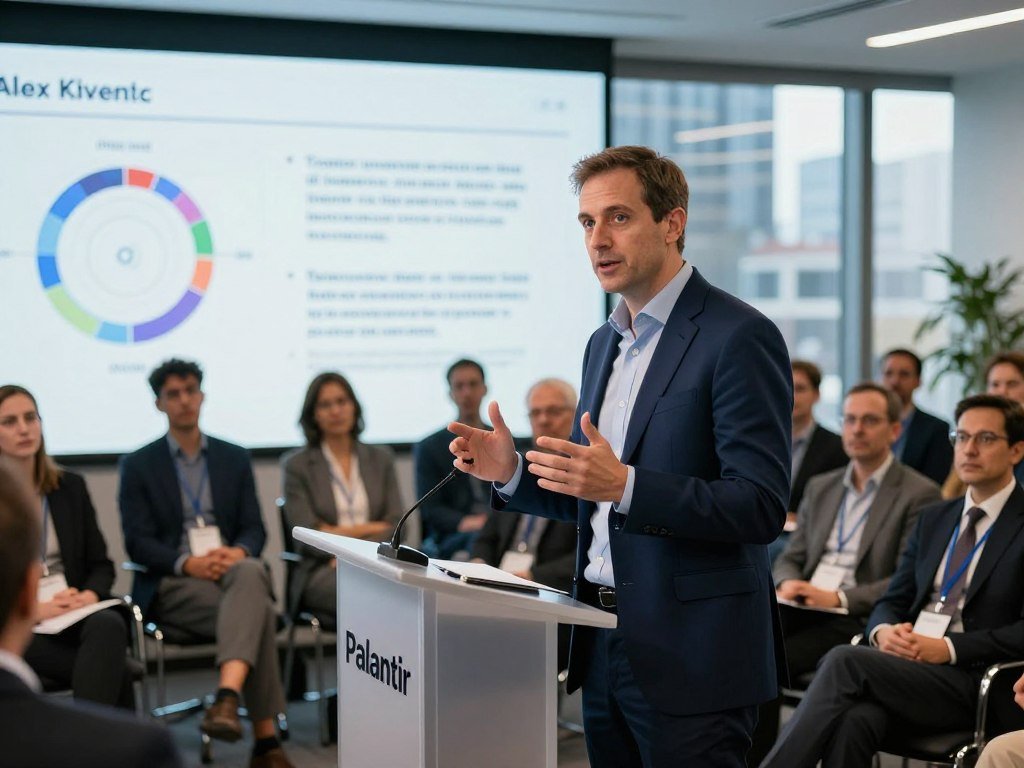
Karp’s argument starts with his own dyslexia
Alex Karp has said dyslexia shaped him and helped him learn to think freely. CEO Alex Karp has also stressed creating something unique, rather than following familiar paths. His story helps explain his view, but one person’s experience cannot predict how others will work.
Palantir was founded in 2003 by Karp, Peter Thiel, Joe Lonsdale, Stephen Cohen, and Nathan Gettings. The company’s fellowship posting points to pattern recognition, nonlinear thinking, and hyperfocus as traits that may help in an AI-driven world. Those qualities do not describe every person with dyslexia or other forms of neurodivergence.
A prediction, not a guarantee
Vocational training is a route people can pursue through study and practice. Neurodivergence is a way of thinking, not a specific skill set or outcome. Neurodivergent people may bring useful perspectives, yet their strengths and support needs differ.
Vocational training is a route a worker can choose; neurodivergence is not a credential or job title.
Palantir CEO Alex Karp’s point may reflect a future where different perspectives matter more. It cannot show which individual will thrive, or which job will suit them. Treat his statement as a prediction about valued perspectives, not a promise of job security.
What Palantir’s Neurodivergent Fellowship Offers Applicants
Palantir’s Neurodivergent Fellowship is a full-time hiring pathway for people who build software and help customers achieve outcomes. Fellows work on customer projects, including the use of AI-powered solutions. The estimated salary range is $110,000-$200,000 per year.

The salary range may come with restricted stock units, a sign-on bonus, or other incentives, but none is guaranteed. Applicants do not need a formal diagnosis or to disclose neurodivergence. They may be self-taught, formally educated, or somewhere between those paths.
Fellows meet the same performance standards as any Palantir engineer. Progression depends on merit and impact, not a separate set of expectations. Palantir encourages office work, while many teams offer hybrid schedules with one or two work-from-home days each week.
A brief self-check can help candidates prepare for hiring conversations:
- What examples show software you have built?
- Which customer outcomes interest you?
- How do you prefer to learn new skills?
- Would an interview adjustment help you take part?
Candidates can ask for reasonable accommodations during the application and hiring process without needing to disclose neurodivergence.
How AI Tools and Workplace Support Affect Neurodivergent Employees
AI can make some workplace tasks easier by turning a complicated assignment into smaller steps and helping organize communication. A large language model (LLM) can sort tasks or help draft a message. These tools can support work, but they do not replace access or fair treatment.

AI can help with everyday work tasks
Daniel Wendler says LLMs can break assignments into steps, organize tasks, and support communication. A Microsoft executive with ADHD, dyslexia, and dysgraphia uses Microsoft 365 Copilot to summarize documents, draft emails, prepare for meetings, review sales data, and outline presentations.
In a 2026 EY survey of 300 employees with disabilities or neurodivergence across 17 organizations worldwide, 68% said Copilot reduced work anxiety. Another 71% said it gave them hope. During a six-week EY innovation sprint, neurodivergent team members suggested 60 to 80 process improvements using Copilot.
Workers can compare AI chatbots for common work tasks, though a tool’s fit depends on the job. An estimate places 15%-20% of the workforce in the neurodivergent category, with a higher share among Gen Z. An estimated 5.4 million U.S. adults have autism.
| Measure | Finding | Group or condition |
|---|---|---|
| AI tool use | 78% versus 59% | Neurodivergent versus neurotypical employees |
| Workplace accessibility | 73% | Employees |
| Accommodation-request denials among women | 22% versus 7% | Neurodivergent versus neurotypical women |
Access and accommodations still matter
A 2026 RethinkCare survey found 70% of neurodivergent employees worry disclosure could harm them at work. In that survey, 69% of employees said their manager understands neurodiversity, while 73% said their workplace is accessible. Also, 79% of neurodivergent adults report stigma around asking for accommodations.
Seventy percent do not know which accommodations they can request, and 60% do not know whom to contact at work. Eighty-five percent of adults say employers need better education about accommodations. Fifty-seven percent of neurodivergent employees would be more likely to disclose if employers offered specialized AI tools.
AI tools can help with a task, but they cannot decide what support an employee needs.
Seventy-five percent of neurodivergent women feel pressure to mask or conform. Autism and ADHD can qualify as disabilities under the Americans with Disabilities Act when they affect day-to-day functioning. The ADA requires most employers to provide reasonable accommodations and bars disability discrimination in employment.
EEOC rules say autism and ADHD will virtually always qualify as disabilities when they affect daily functioning. Interview adjustments can include questions in advance, note-taking, or an assignment instead of an interview. Work changes may include written communication, advance notice, flexible deadlines, extra task time, a mentor, an allocated desk, a quiet space, a desk lamp, or headphones.
The ADA accommodation process is an ongoing conversation about a suitable adjustment. SAP’s Autism at Work program has run for more than a decade; Microsoft, Dell, and JPMorgan Chase also have neurodivergent hiring initiatives. Neurodivergent people are not all exceptional at the same tasks, and should not be judged by a stereotype.
Employers should ask employees what support works for them rather than assuming a diagnosis predicts a person’s strengths or needs.
Conclusion
Karp’s claim is best read as an invitation to value different ways of thinking, not a rule for predicting who will succeed. Different perspectives may matter in the AI era, but no diagnosis guarantees success and no “genius” stereotype should define a person.
Employers can review hiring steps and daily work for avoidable barriers. Applicants can name the conditions that help them do their best work, such as clear instructions or time to prepare. Those details make skills easier to see without reducing a person to a label.
A practical first step is to name one change that would make a hiring process or daily task more accessible.
FAQ
Do applicants need a formal diagnosis for Palantir’s Neurodivergent Fellowship?
No, applicants do not need a formal diagnosis or to disclose neurodivergence. Palantir’s fellowship is open to people with different learning and work backgrounds, including self-taught applicants. Candidates can focus on their software work and customer impact. They may also request an adjustment during hiring without sharing a diagnosis.
How much does Palantir’s Neurodivergent Fellowship pay?
The estimated annual salary range is $110,000-$200,000. The fellowship posting also lists possible restricted stock units, a sign-on bonus, and other potential incentives. Those extras are not guaranteed for every hire. The role is full-time and includes software work tied to customer outcomes, including work helping customers deploy AI-powered solutions.
Is the Neurodivergent Fellowship a full-time job?
Yes, the fellowship is a recruitment pathway for full-time employees who build software and deliver customer outcomes. That work can include helping customers deploy AI-powered solutions. Candidates may come from formal education, self-study, or a mix of both. The pathway is a job, not simply a short training course or unpaid placement.
Does Palantir hold fellowship employees to different performance standards?
No, Palantir says fellows face the same performance standards as any Palantir engineer. The company says career progression depends on merit and impact. The fellowship is a different recruitment pathway, not a promise of lighter expectations. Applicants should be ready to show how their software skills can help solve customer problems.
What workplace accommodations can help autistic employees?
Useful adjustments can include written interview questions in advance, a quiet workspace, written communication, or advance notice of changes. Other options may include flexible deadlines, extra time for tasks, headphones, or a desk away from busy areas. The right fit depends on the person and the work. Employers and employees can discuss adjustments as needs arise.
Does having autism or ADHD automatically mean someone will succeed in an AI job?
No, autism or ADHD does not guarantee success in an AI job. People have different skills, interests, and support needs, even when they share a diagnosis. Some may enjoy pattern-based tasks, while others may bring strengths in different areas. Employers should judge each person’s work and avoid treating a diagnosis as a job skill.
Can AI tools help neurodivergent employees with work tasks?
Yes, AI tools can help break assignments into steps, organize tasks, and support communication. For example, an LLM may help turn a complex task into a checklist or draft a message. These tools do not work equally well for everyone, and they cannot replace needed workplace adjustments or fair treatment.