

Ever noticed how the keys you hit most on an older keyboard turn shiny and slick, almost as if someone polished them? That greasy sheen is not dirt and it is not magic. It is your keycaps wearing down, and the material they are made from decides how fast it happens. The PBT vs ABS keycaps debate comes down to two plastics with very different personalities, and picking between them affects how your board feels, sounds, and looks after a year of heavy typing. (Best keyboard stand for stage performance)
This guide breaks down the real differences, the myths that refuse to die, and the practical stuff most buyers only learn after their first set arrives in the mail.
What Are PBT and ABS Keycaps Made Of?
Both materials are common injection-molding thermoplastics. ABS stands for acrylonitrile butadiene styrene, a softer, cheaper plastic that molds easily and takes color well. PBT, or polybutylene terephthalate, is a harder, denser polymer with better abrasion resistance. That single structural difference explains most of what follows.
Here is the quick comparison before the details:
| Feature | ABS | PBT |
|---|---|---|
| Surface hardness | Softer | Harder |
| Shine from wear | Fast | Slow |
| Texture | Smoother | Rougher, matte |
| Sound character | Higher, clackier | Deeper, thockier |
| Molding shrinkage | Low, predictable | Higher, warp-prone |
| Heat resistance | Lower | Higher |
| Typical cost | Lower | Higher |
| UV stability | Yellows over time | More stable |
Treat the sound and texture rows as tendencies, not laws. A cheap PBT set on a hollow case can sound thin, and a well-made ABS set on a solid board can sound fantastic. (Rules for Backgammon Board Game: How to Set Up and Play)
Why ABS Keycaps Shine So Fast
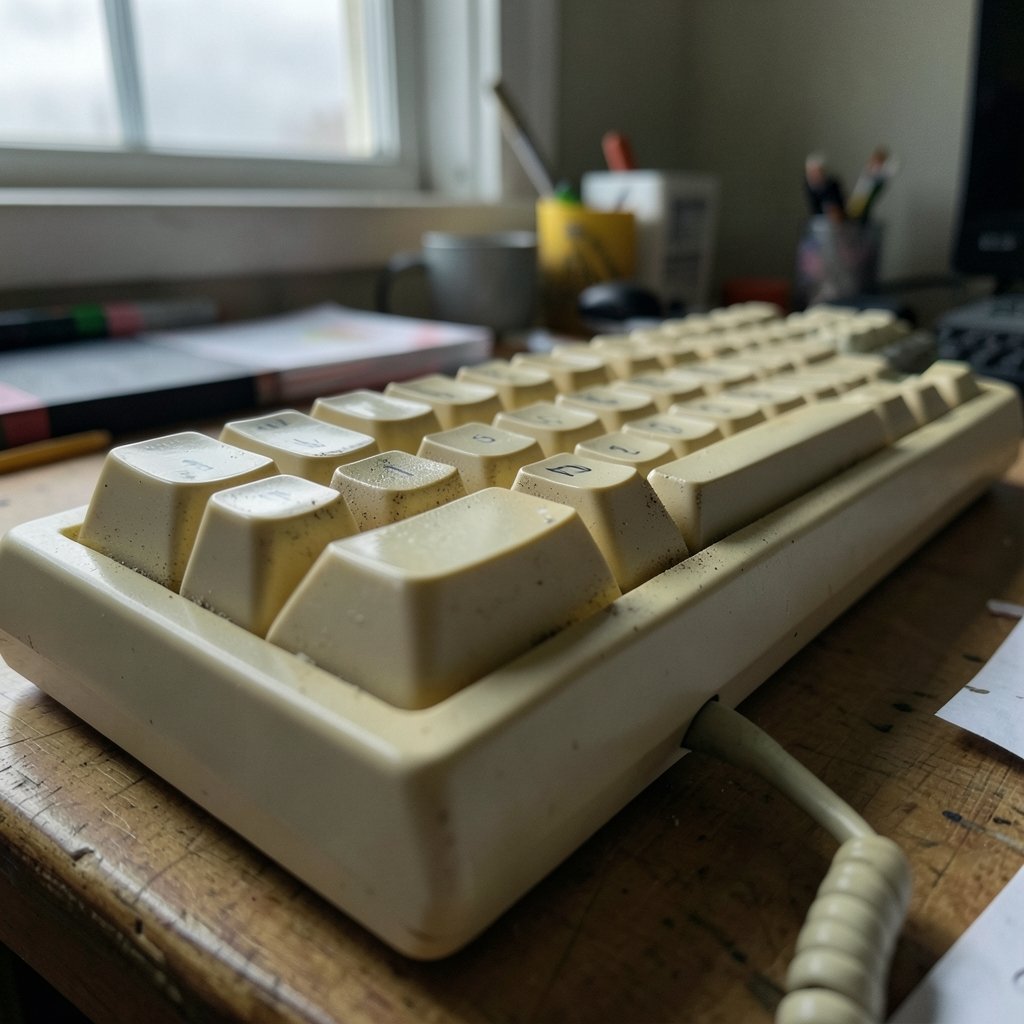
Shine is the polished, glossy patch that appears on high-traffic keys like WASD, the spacebar, and the home row. ABS is softer, so skin oils and constant friction slowly smooth the surface. Once that texture is gone, light reflects off the key differently and the shine is permanent. You cannot buff it back.
Vintage computer collectors know this pain well. ABS plastic is famous for yellowing under UV light and age, which is why old beige keyboards turn butter-colored. PBT resists both shine and yellowing far better, though “PBT never shines” is an exaggeration. PBT can shine too, just more slowly and usually only after years of hard use. (Windows keyboard shortcuts everyone should know)
If you game for hours or type all day, this is the single strongest argument for PBT. If your keyboard lives on a desk and gets light use, ABS shine may never bother you.
Sound and Feel: The Subjective Half of the Debate
Enthusiasts love to say ABS is “clacky” and PBT is “thocky.” There is a kernel of truth here: PBT is denser, so it tends to produce a lower, fuller sound, while ABS often sounds sharper and higher-pitched. But switches, case material, plate, foam, and even your desk surface shape the sound far more than the cap plastic does.
Texture is a bit more reliable. PBT usually ships with a slightly rough, matte finish that gives your fingertips grip. ABS tends smoother, which some people prefer for fast gliding keystrokes. Mold finish matters here too, so a textured ABS set can feel rougher than a polished PBT one.
The practical takeaway: do not buy a keycap set based on sound descriptions alone. Watch a typing test with your exact switch type, or better, try a friend’s board. Anyone who has swapped caps on the same keyboard knows the difference is real but smaller than forum hype suggests. (Keycap)
Warping, Legends, and Manufacturing Realities
PBT has higher molding shrinkage, which makes long keys like the spacebar prone to arriving slightly warped. Most of the time it still mounts fine, but a badly warped spacebar can rattle or bind. ABS molds more predictably, so fit and finish on cheap sets is often more consistent.
Legend methods matter as much as the plastic:
- Double-shot legends are molded from a second piece of plastic, so they never wear off. Common in both materials.
- Dye-sublimation bakes legends into the surface and is typically used on PBT, which handles the heat better.
- Pad-printed and laser-etched legends are the least durable and fade with heavy use.
If longevity is your goal, a double-shot or dye-sub set beats a pad-printed one regardless of polymer. Check the legend method before you check the plastic.
Cost, Availability, and What You Actually Get
ABS is cheaper and easier to mold, so budget boards usually ship with it. PBT sets often cost more, though the gap has narrowed as more manufacturers offer stock PBT. Neither material is automatically “premium.” A poorly made PBT set with thin walls and sloppy legends is worse than a well-made ABS set from a reputable maker.
One practical tip from the repair bench: before buying any set, confirm the layout support you need. A gorgeous set that lacks your bottom-row keys is useless. Compatibility first, aesthetics second.
How to Choose Based on How You Type
There is no universal winner, only a fit for your habits. Use this decision framework:
- Heavy daily typing or gaming: lean PBT for shine resistance.
- Collector or display board: ABS is fine if you like the classic feel and accept eventual yellowing.
- Budget build: a solid ABS set with double-shot legends often beats a cheap PBT one.
- Custom sound tuning: try both if you can; material is one variable among many.
- Long-term durability: prioritize legend method and wall thickness over polymer alone.
If you are already deep into keyboard customization, you probably enjoy fine-tuning small details, much like players who memorize every rule in a board game guide before their first match. Small material choices compound over time.
Common Mistakes Buyers Make
The biggest mistake is assuming PBT equals quality. Thin-walled PBT caps can feel hollow and cheap. The second is ignoring keycap profile, since sculpted versus uniform shapes change typing feel more than plastic does. The third is buying based on photos, where lighting hides shine and texture differences.
Another trap: mixing materials on one board without checking heights. Swapping a few ABS caps onto a PBT set often creates uneven rows and mismatched sound. Keep sets together unless you enjoy inconsistency.
Finally, do not overlook maintenance. Even PBT benefits from occasional cleaning with mild soap and warm water. Skip the dishwasher and harsh solvents, which can damage legends and warp long keys.
A Quick Word on Keyboards Beyond the Desktop
Keyboard enthusiasm spills into other hobbies. People who care about switch feel often care about tactile game pieces too, and the same “materials matter” mindset shows up in tabletop picks. It is all about how a physical object feels in your hands over repeated use. (EPA Safer Choice)
That instinct to compare before buying is healthy. Whether you are weighing board games for family night or keycap plastics, testing beats guessing.
Conclusion
So, PBT vs ABS keycaps: which wins? For most people who type or game daily, PBT is the safer long-term pick thanks to its hardness, slower shine, and better UV stability. ABS still earns its place through lower cost, easier molding, and a brighter sound that plenty of enthusiasts genuinely prefer. The honest answer is that material is one factor among several, and legend method, wall thickness, and profile often matter more than the polymer label on the box.
Pick based on your habits, not forum dogma. If shine drives you crazy, go PBT. If you love a crisp clack and want to save money, ABS is not a downgrade. Either way, you will type on it for years, so choose the one that feels right under your fingers.
Frequently Asked Questions
Do PBT keycaps really never shine?
They can shine, just much more slowly than ABS. PBT is harder and more abrasion-resistant, so the polished look takes years of heavy use instead of months. Claims that PBT is immune to shine are overstated.
Are PBT keycaps always better than ABS?
No. PBT is more durable and shine-resistant, but it can warp on long keys and often costs more. A well-made ABS set with double-shot legends can outperform a cheap, thin PBT set in feel and consistency.
Why do my ABS keycaps turn yellow?
ABS plastic is sensitive to UV light and age, which causes yellowing over time. This is well documented on vintage computer plastics. PBT is generally more UV-stable, so it holds its color longer.
Do PBT keycaps change how a keyboard sounds?
They often produce a lower, fuller sound because the material is denser, while ABS tends to sound sharper. However, switches, case, plate, and foam influence sound far more than the keycap plastic alone.
Can I mix PBT and ABS keycaps on one keyboard?
You can, but it usually looks and feels inconsistent. Different materials have different heights, textures, and sounds, so mixing sets often creates uneven rows and mismatched acoustics.
How do I keep keycaps from shining?
Keep hands clean, wipe keys regularly with a soft damp cloth, and avoid oily snacks at the desk. No method fully prevents shine on ABS, but good habits slow it down and keep both materials looking fresh longer.
Does keycap wall thickness matter more than the plastic type? Often, yes. Thick-walled caps of either plastic tend to sound fuller and feel more solid than thin-walled ones, so inspect wall thickness and legend method before assuming a polymer label guarantees quality.
Are stock PBT caps on budget boards worth keeping? Usually. Many entry-level boards now ship with respectable dye-sub PBT, which resists shine well and costs you nothing extra. If the legends are crisp and the spacebar sits flat, there is little reason to replace them right away.
How do I check whether a set is really PBT? Reputable sellers state the material and legend method clearly, and enthusiast reviews often confirm it. Be wary of listings that only say “PBT-like” or stay silent on legend method, since those details reveal more about real-world durability than marketing copy.
What about shine on a mixed-use desk? Light use changes the calculus. If your keyboard sits mostly for email and occasional writing, even ABS may look new for years, and you can spend the savings on a better switch or a sturdier case. Heavy gamers, coders, and writers are the ones who benefit most from PBT’s hardness.
Is there a middle ground? Some makers blend polymers or apply textured coatings to slow shine on ABS. Results vary, and coatings can wear through, so treat these as compromises rather than cures. A textured double-shot ABS set remains the most honest budget option.
Final buying checklist: confirm layout support, check legend method, look for thick walls, read reviews for warp and shine reports, and match the profile you already type on. Do that, and the PBT-versus-ABS label becomes a preference rather than a gamble. Whichever plastic you choose, buy from a seller with clear specs and a return window, then let your own fingers settle the debate.
Is PBT worth the extra cost for a first custom build? Only if shine resistance is a priority for you. For a first build, a mid-priced double-shot ABS set lets you learn your preferred profile and switch pairing without overspending, and you can upgrade to PBT later once you know what you like. Spending the premium before you understand your own preferences often leads to buying twice.
One last note on expectations: neither plastic transforms a mediocre keyboard into a great one. Case rigidity, plate material, and stabilizer tuning do more for feel than any cap swap. Treat keycaps as the finishing touch, not the foundation, and you will judge every future purchase more clearly.



