

What would you do if a single database holding your name, rank, pay grade, and security clearance status fell into the wrong hands? That question is circulating widely in 2026 around the Defense Manpower Data Center (DMDC), the Pentagon‘s central storehouse for military personnel records. Claims of a major DMDC breach are spreading across forums and social feeds, but the picture is far less clear than the headlines suggest. This article separates what can be verified from what remains rumor, explains what DMDC actually holds, and gives service members and families a practical playbook for protecting themselves either way.
What Is DMDC and Why It Matters So Much
The Defense Manpower Data Center is a Department of Defense field activity that maintains the department’s authoritative personnel and pay data. It tracks active-duty service members, reservists, National Guard members, retirees, civilian employees, and even dependents enrolled in benefit programs. If you have ever held a military ID card, the data behind that credential almost certainly lives in a DMDC system.
That concentration is exactly what makes DMDC a persistent target. The center’s records can include:
- Full names, dates of birth, and Social Security numbers
- Home addresses and contact details
- Rank, unit assignment, and duty station
- Pay, allowances, and financial account information
- Security clearance eligibility and investigation status
- Medical readiness and deployment eligibility flags
Security researchers have long argued that personnel databases are more sensitive than financial ones. A stolen credit card can be canceled in minutes. A stolen military personnel file can be used for targeted social engineering, coercion, or the identification of service members deployed to sensitive locations. That asymmetry is why DMDC has drawn attention from adversaries for more than a decade.
Is There a Confirmed 2026 DMDC Breach?
Here is the honest answer: as of this writing, there is no publicly verifiable confirmation of a 2026 breach at the Defense Manpower Data Center. No official Pentagon press release, no Defense Department statement, and no advisory from the Cybersecurity and Infrastructure Security Agency has been issued describing such an incident.
That does not mean nothing happened. It means the claim has not cleared the bar of primary-source confirmation. Readers should treat viral posts, screenshot “evidence,” and Telegram channel announcements with real skepticism. Breach claims are frequently recycled, misattributed, or fabricated to drive traffic and sell “exclusive” data dumps that turn out to be old compilations.
The pattern is familiar. In recent years, several high-profile incidents have shown how quickly unverified claims can harden into accepted fact. The reported EY breach involving Goldman Sachs and Man Group data in 2026 is one example where corporate data exposure dominated headlines. Separately, the Rhysida ransomware attack on Berlin government systems in 2026 demonstrated how extortion groups weaponize public-sector data. Each case required careful verification before the scope was understood.
Where Official Confirmation Would Appear
If a genuine DMDC incident is confirmed, the record will show up in specific places. Watch these channels rather than social media:
- Defense Department press releases on defense.gov, which carry official statements and often include scope and remediation details.
- DMDC’s own site at dmdc.osd.mil, which posts notices affecting personnel records and ID card services.
- CISA advisories, which flag vulnerabilities and active exploitation affecting federal systems.
- Congressional testimony and oversight letters, which frequently surface incidents before public disclosure.
- Notifications from your command or personnel office, which reach affected individuals directly.
If none of those channels has spoken, a claim is unconfirmed by definition.
What Past DoD Personnel Incidents Taught Us
Even without a verified 2026 event, the historical record offers useful lessons. The Department of Defense has disclosed multiple incidents over the past decade involving contractor systems that handled personnel and travel data. In several cases, the exposed records included names, Social Security numbers, and background investigation information for millions of service members and applicants.
The recurring lesson is structural, not accidental. Personnel data gets copied into contractor systems, recruiting platforms, and benefits portals. Each copy is a new attack surface. When one vendor is compromised, the downstream exposure can dwarf the original system’s footprint. That dynamic has played out repeatedly in the private sector too. The Double Counter Discord bot breach affecting 28 million accounts in 2026 showed how a single third-party integration can expose an enormous user base.
For defense personnel, the practical takeaway is that your data exists in more places than you think, and monitoring only the primary system is not enough.
What Actually Works: A Practical Protection Playbook
Advice in this space tends to be vague. Here is what genuinely helps, based on how identity theft and social engineering actually unfold.
Freeze Your Credit, Don’t Just Monitor It
Credit monitoring alerts you after something happens. A credit freeze stops new accounts from being opened in your name at all, and it is free at all three major bureaus. For anyone whose Social Security number may have been exposed, a freeze is the single highest-value step. Many people skip it because they assume it costs money or is complicated. It is neither.
Set a Fraud Alert as a Second Layer
A fraud alert is lighter than a freeze and lasts one year, or seven years for an extended alert if you have documented identity theft. It tells lenders to verify your identity before extending credit. It takes minutes to file with one bureau, which then notifies the others.
Lock Down Your MyPay and DFAS Accounts
Military pay accounts are high-value targets because they can be redirected. Enable the strongest multi-factor authentication available, review allotments and direct deposit information monthly, and change passwords you have reused elsewhere. A common mistake is using the same password for a personal email and a financial account. If one falls, both fall.
Watch for Spear-Phishing That Uses Real Details
This is where personnel data becomes dangerous. An attacker with your rank, unit, and commander’s name can craft a convincing message. Service members should treat unexpected messages about pay discrepancies, deployment orders, or benefits enrollment as suspicious until verified through an official channel. The Vietnam APIs breach by an unknown operator in 2026 illustrated how exposed data feeds downstream fraud campaigns long after the initial incident.
Know What a Real Notification Looks Like
Legitimate breach notifications arrive by mail or through official government channels. They do not ask you to click a link and enter your Social Security number. Knowing what a data breach is and what you should do in the first 48 hours makes the difference between a contained problem and a cascading one.
How Breach Claims Get Inflated
Understanding the mechanics of claim inflation is its own defense. Most exaggerated breach stories follow a predictable arc.
| Stage | What Happens | What to Check |
|---|---|---|
| Initial claim | Anonymous post or forum thread asserts a breach | Is there a named source with accountability? |
| Amplification | Aggregator accounts repeat the claim | Do they cite primary reporting or each other? |
| “Proof” release | Sample records posted as evidence | Are the records old, public, or fabricated? |
| Monetization | Data sold or paywalled | Is someone profiting from the panic? |
| Retraction | Original claim quietly disappears | Did anyone correct the record? |
The uncomfortable truth is that the retraction rarely travels as far as the original claim. That is why slow, source-based reading matters more than speed.
The Bigger Picture: Data Concentration as a National Security Risk
Beyond any single incident, the DMDC question raises a structural concern. Government personnel systems concentrate identity data at enormous scale, and the value of that data to adversaries is measured in influence operations, not just dollars. A roster of service members with unit assignments and clearance levels is intelligence, not merely personal information.
That is why security professionals argue for data minimization inside defense agencies: collect less, retain less, and replicate less. The same argument applies to the private sector. Google’s 2026 decisions around personal data safeguards, including the Gmail and Photos AI data ad safeguards debate, show that even the largest platforms face pressure over how personal information is used and protected. The Google data center backlash in India in 2026 added a further dimension, showing that infrastructure decisions and data governance are now inseparable in public debate.
For individuals, the lesson is that institutional protection is necessary but never sufficient. Personal hygiene, layered authentication, and healthy skepticism remain the last line of defense.
What to Do Right Now, Regardless of Confirmation
You do not need to wait for an official statement to act. These steps cost nothing and take an afternoon.
- Freeze your credit at all three major bureaus.
- Review your MyPay and DFAS accounts for unauthorized allotments or deposit changes.
- Turn on the strongest multi-factor authentication your accounts support, and prefer hardware keys or authenticator apps over SMS.
- Check your Explanation of Benefits if you use TRICARE, looking for services you never received.
- Pull one free credit report and scan for accounts you do not recognize.
- Save the official DoD and DMDC pages so you can verify future claims quickly.
The most common mistake people make is waiting for certainty. By the time a breach is formally confirmed and notifications are mailed, the window for prevention has usually closed. Acting on precaution costs you an hour. Acting on damage costs months.
Conclusion
The 2026 DMDC breach story is, at present, an unconfirmed claim rather than a documented incident. That distinction matters, but it should not produce complacency. The Defense Manpower Data Center genuinely holds some of the most sensitive personnel records in the federal government, and the historical record shows that defense personnel data has been exposed before through contractor and third-party systems.
The right posture sits between panic and indifference. Verify claims against primary sources such as defense.gov, dmdc.osd.mil, and CISA. Freeze your credit, lock down your pay accounts, and treat unsolicited messages about your military records as hostile until proven otherwise. Whether or not this particular breach turns out to be real, the habits it prompts are the ones that actually protect you.
FAQ
Is the 2026 Pentagon DMDC breach confirmed?
No. As of this writing, there is no official confirmation from the Defense Department, DMDC, or CISA describing a 2026 breach at the Defense Manpower Data Center. Claims circulating online have not been backed by primary-source reporting. Treat them as unverified until an official channel speaks. (U.S. Department of Defense official website)
What kind of data does DMDC hold?
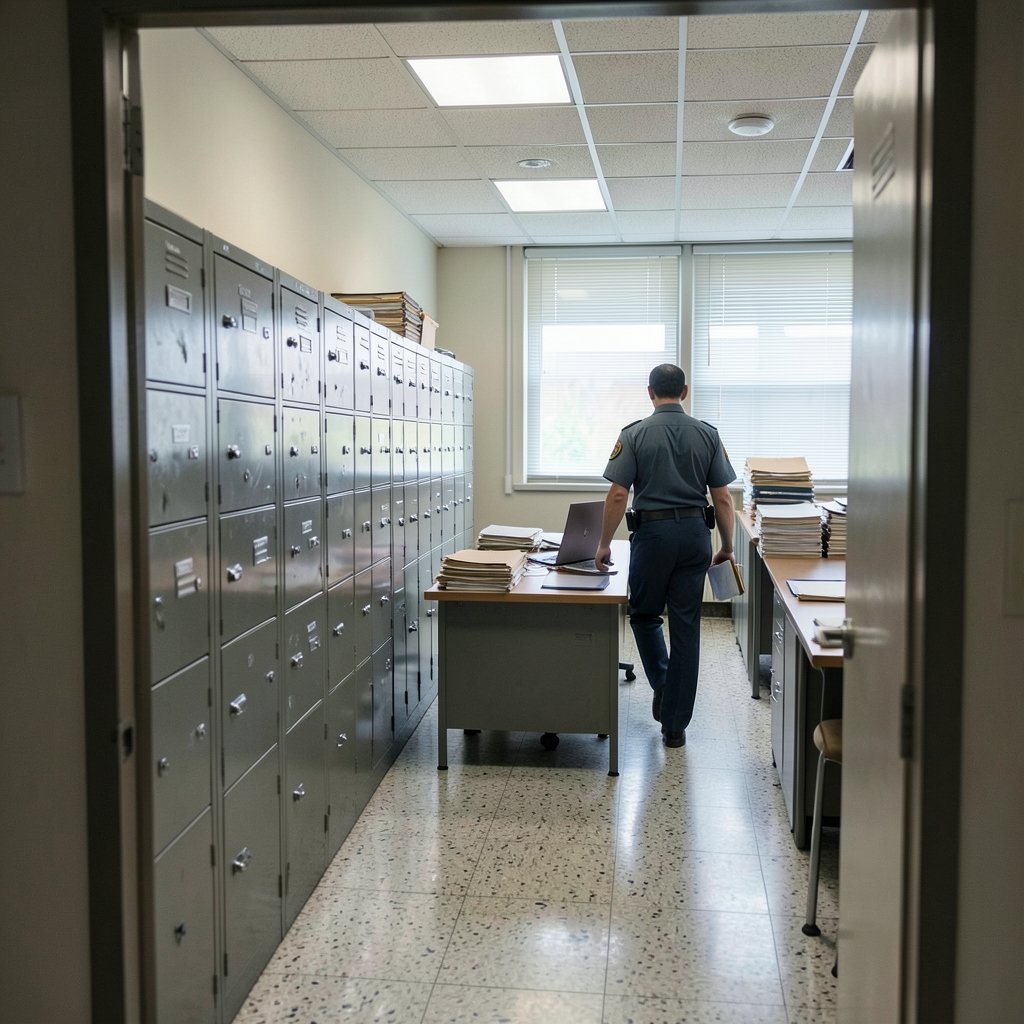
DMDC maintains personnel, pay, and eligibility records for active-duty service members, reservists, Guard members, retirees, and civilian employees. Records can include names, dates of birth, Social Security numbers, addresses, rank, unit assignment, pay details, and security clearance eligibility status.
Where would an official breach notification appear first?
Official statements typically appear on defense.gov press releases, DMDC’s site at dmdc.osd.mil, and CISA advisories. Affected individuals are usually notified through command channels or mailed notices. Congressional testimony and oversight letters often surface incidents before broad public disclosure.
What should I do if I think my military personnel data was exposed?
Freeze your credit at all three major bureaus, review MyPay and DFAS accounts for unauthorized changes, enable strong multi-factor authentication, and check TRICARE explanations of benefits for unfamiliar claims. Report suspected identity theft to the FTC and notify your command’s security office.
How can I tell a real breach notification from a phishing attempt?
Legitimate notifications arrive by mail or through official government channels and do not ask you to click a link and enter your Social Security number. If a message creates urgency and requests credentials or payment, treat it as hostile and verify through an official phone number you look up yourself.
Why is DMDC considered such a high-value target?
Because it concentrates identity, pay, and clearance data at massive scale. That combination supports targeted social engineering, coercion, and intelligence gathering, not just financial fraud. Security experts consistently rank personnel databases among the most sensitive holdings in any government, which is why data minimization and third-party oversight remain central recommendations.



