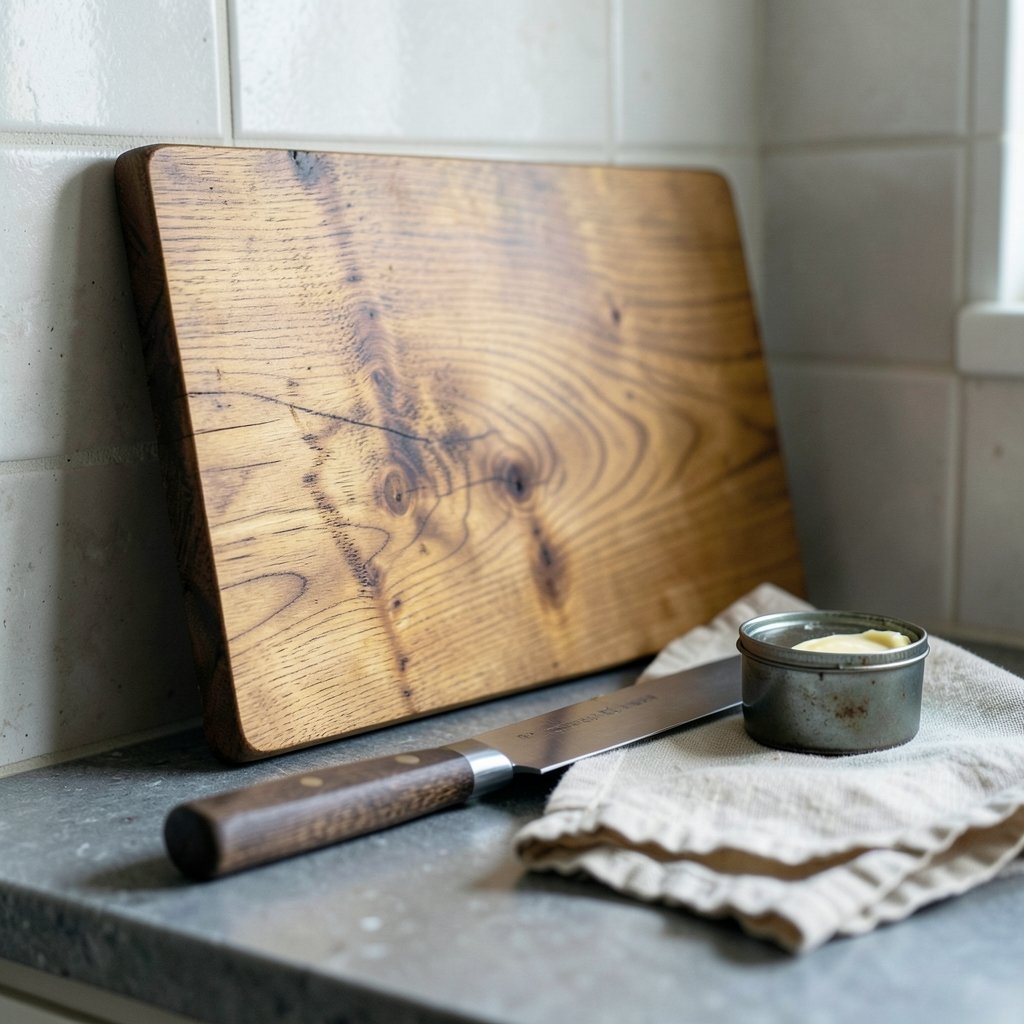
What makes a wooden board worth keeping for decades instead of tossing it after a year? Usually it is not the wood. It is the name burned into it. A personalized engraving chopping board turns a kitchen tool into a keepsake, which is why it has become one of the most popular wedding, housewarming, and anniversary gifts around. But the category hides some real traps: boards that are too thin to use, engraving that fades, text that arrives with a typo, and finishes that should never touch food. (Trello alternatives beginners compare board tools choose one)
This guide walks through what the ranking product pages actually tell buyers, in the order most shoppers ask the questions: what the board is made of, how big it should be, how the engraving works, how to care for it, and what to check before clicking buy.
What exactly is a personalized engraving chopping board?
It is a cutting board, usually wood or bamboo, that has been permanently marked with a name, date, monogram, or short message. The marking is done with a laser engraving process that burns the design into the surface rather than printing on top of it. That matters: a printed design can wear off with washing, while engraving sits in the wood itself.
Most sellers offer a fixed set of designs rather than full custom artwork. A typical listing personalizes a family-name initial with a couple’s names, or engraves a date and a short message. One seller notes that personalization details are engraved exactly as typed, because the text is copied and pasted into the machine, so spelling and capital letters are the buyer’s responsibility.
Sizes and shapes vary widely. Common options include:
| Feature | Typical options seen in listings |
|---|---|
| Material | Bamboo, natural hardwood, walnut, maple, acacia |
| Shape | Rectangular, two-tone, arched, handled, mini |
| Small size | Around 9 x 6 inches |
| Medium size | Around 8.7 x 11.5 inches |
| Large size | Around 9.8 x 13.8 inches, up to 10.5 x 16 inches |
| Thickness | Often around 3/4 inch on quality boards |
That thickness figure is worth pausing on. One reviewer of a bamboo board noted the board “was a little thin,” which is the single most common complaint in this category. Thin boards warp, slide, and crack.
Which wood should you choose?
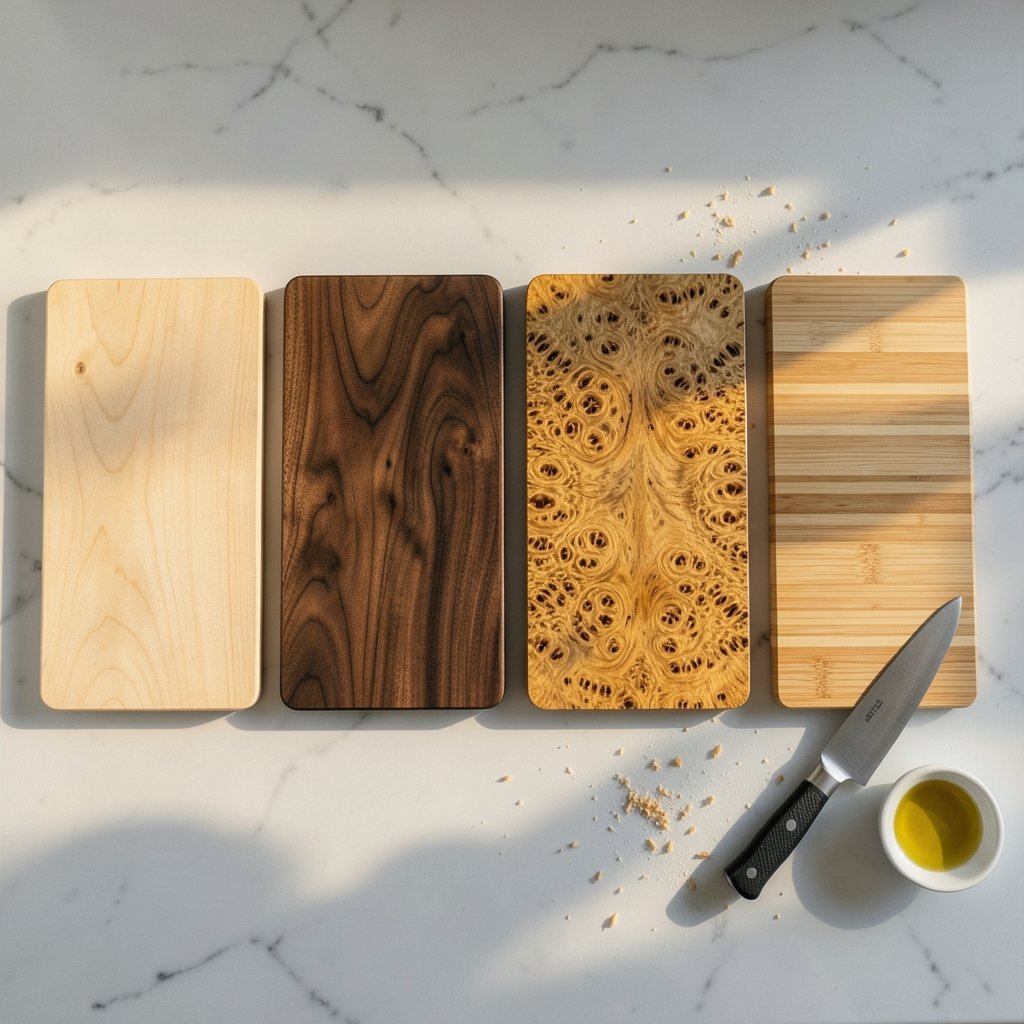
The material decides how the board looks, how it ages, and whether the engraving stays crisp. The main contenders:
Maple is a closed-grain hardwood that is light in color, dense, and forgiving on knife edges. Engraving shows up as a warm brown contrast against pale wood, which reads clearly in photos.
Walnut is darker and softer in tone, and engraving tends to blend in more subtly. It photographs beautifully and suits a modern kitchen, but the contrast is lower than maple.
Acacia is a harder, more figured wood with strong grain patterns. Boards in this material often ship from international workshops, and one seller lists a maximum delivery window of about 12 business days with a 14-day return period for unused, unwashed items in original packaging.
Bamboo is the budget option. It is sustainable, lightweight, and easy to carry, which is why some brands market small bamboo boards for camping as well as kitchen use. The trade-off is that bamboo is a grass, not a hardwood, and thin bamboo boards are more prone to warping.
A practical rule many woodworkers follow: if the board is going to be used for actual chopping, prioritize thickness and grain over the prettiest engraving. If it is going on a wall or a shelf, the reverse is true.
How does the engraving process actually work?
Laser engraving uses a focused beam to vaporize a shallow layer of the wood surface, leaving a permanent mark. Depth is usually a fraction of a millimeter, which is why engraved text does not catch on a knife or sponge.
Two details surprise first-time buyers:
First, grain and engraving color vary from board to board. One maker states plainly that each piece of wood is unique, so grain patterns and engraving coloring could differ slightly from the photo. If a buyer expects an exact match to the listing image, they will be disappointed.
Second, more text means smaller text. A seller with a set maximum character count explains that the more characters used, the smaller the engraving becomes. A long message on a small board ends up tiny and hard to read. Short is almost always better: two names and a date, or a single initial.
Some sellers also offer engraving on the back of the board, which is a smart add-on. The front carries the design; the back carries a private message. That way the display side stays clean.
Should the engraved side be used for cutting?
Usually not. One maker explicitly suggests using the engraved side for display and the back side for functionality. That advice is not marketing fluff. Engraving creates tiny recesses where moisture and food particles can sit, and while a food-safe finish helps, the flat, unmarked face is simply easier to sanitize.
The practical setup most owners land on:
- Display the engraved face on a shelf, a counter stand, or a wall hook.
- Flip it over and chop on the plain side.
- Wash by hand, never soak.
- Re-oil the plain side every few weeks.
If the board is purely decorative, none of this matters. If it is a working board, treat the engraving as the “front cover” and the plain face as the work surface.
How should you care for an engraved board?
Wood care is simple but unforgiving of shortcuts. Across the listings reviewed, the same instructions repeat: hand wash, no soaking, and regular oiling to maintain quality.
Here is what actually works in practice, and where people go wrong:
Never put it in the dishwasher. Heat and prolonged water exposure strip finish and swell the wood. A warped board cannot be flattened back reliably.
Do not soak it in the sink. Even a few hours of soaking can lift grain and dull the engraving contrast. Rinse, wipe with a damp cloth, and dry immediately standing on edge so air reaches both faces.
Oil it, but not with cooking oil. Vegetable and olive oil turn rancid in wood. Use a dedicated food-safe wood oil or a plant-based wax finish. Some boards arrive already finished with a coat of natural plant-based wax, which gives a head start.
Keep it away from direct heat. Leaving a board next to a hot pan or above a stove dries it out and encourages cracking.
Expect the engraving to darken slightly. Fresh laser engraving can look light brown at first and settle into a deeper tone over the first weeks. That is normal, not a defect.
If a board does develop a crack or a split, it is worth asking whether repair makes sense before replacing it. The same logic that applies when deciding whether a dead motherboard is worth fixing applies here: small cosmetic issues are usually not worth the effort, but structural cracks that trap moisture are a genuine hygiene problem.
What should you check before ordering?
The customization flow is usually simple: pick a size, pick a design, type the text. The mistakes happen in the typing.
Before checkout, confirm:
- Spelling and capitalization. Sellers engrave exactly what is submitted. There is no autocorrect on a laser.
- Board thickness. Look for a stated thickness, ideally around 3/4 inch. If the listing does not say, ask.
- Which side gets engraved. Some designs are positioned for display only and may not leave a usable cutting area.
- Shipping origin and time. Boards shipped from international workshops can take up to about 12 business days. Order well before a wedding date.
- Return policy. Personalized items are frequently non-returnable unless defective, and some policies require the item to be unused, unwashed, and in original packaging.
- Finish. Confirm the board is finished with a food-safe oil or wax, especially if it will be used.
One more consideration: if the recipient is a serious cook, a large plain board plus a small engraved display piece often beats one compromise board. If the recipient is a casual cook or the gift is primarily sentimental, a single engraved board is the right call. (2027 recruiting rankings board looks like moving target)
How does a personalized board compare with other gift boards?
Personalized engraving boards compete with a crowded gift market. Compared with a generic game or novelty gift, an engraved board has a clear advantage: it gets used. That is also why family board game gifts and similar items tend to be bought for children, while engraved boards skew toward adults setting up a home.
The comparison that matters most is between engraved boards themselves:
| Type | Best for | Watch out for |
|---|---|---|
| Thin bamboo with engraving | Budget gifts, camping, small kitchens | Warping, short lifespan |
| Mid-weight hardwood (maple, acacia) | Everyday kitchen use | Variable grain and engraving color |
| Thick walnut or maple, 3/4 inch | Heirloom gifts, display plus use | Higher price, heavier |
| Handled or arched display board | Wall display, serving | Less usable cutting area |
For anyone shopping for a family with young children, a personalized board is a poor fit as a toy but a strong fit as a parent gift. The best board games for families occupy a different shelf entirely.
Common mistakes that ruin a personalized board order
A few errors come up again and again, and all of them are avoidable.
Ordering too late. Custom engraving adds production time on top of shipping. A board ordered a week before a wedding may arrive after it.
Choosing a design with too much text. Long messages shrink to illegibility on small boards. Two names and a date is plenty.
Assuming the photo is the product. Grain, color, and engraving tone vary. Buyers who want a specific look should ask for a photo of the actual board before engraving.
Using the engraved face as the primary cutting surface. It looks fine for a while, then collects stains in the recessed lettering.
Skipping the oil. An unoiled board dries, dulls, and cracks within a season. Oiling takes two minutes and doubles the board’s life.
Ignoring the finish. A board finished with a decorative lacquer is not a cutting board. Check that the finish is food-safe before use.
Conclusion
A personalized engraving chopping board works best when the buyer treats it as two things at once: a display object and a kitchen tool. Choose a board thick enough to survive real use, keep the text short, confirm the engraving side, and commit to hand washing and regular oiling. Do those four things and the board will outlast most of the other gifts at the wedding. Skip them and it becomes a very pretty piece of wood that warps by spring. The engraving is permanent, so the decisions made before checkout are the ones that matter.
Frequently asked questions
Can you actually cut on an engraved chopping board?
Yes, but most makers recommend using the plain side for cutting and the engraved side for display. Engraving leaves shallow recesses that can trap moisture and food, so the flat face is easier to keep clean.
Will the engraving fade or wash off?
Laser engraving burns into the wood rather than printing on the surface, so it does not wash off. The tone may darken slightly over the first weeks, and heavy scrubbing can dull the contrast, but the mark itself is permanent.
What is the best wood for an engraved cutting board?
Maple and walnut are the most common premium choices, with maple offering the clearest engraving contrast. Acacia is harder and more heavily figured. Bamboo is the budget option but is more prone to warping when thin.
How long does a personalized board take to arrive?
It depends on the seller. Some boards ship from international workshops with a maximum delivery window of about 12 business days, plus production time for the engraving. Order several weeks before a gift date.
Can you return a personalized chopping board?
Often not, unless it arrives defective. Many sellers exclude personalized items from standard returns, and some require unused, unwashed items in original packaging within a short window. Check the policy before ordering.
How often should you oil an engraved board?
Every few weeks with regular use, and immediately after any washing that leaves the surface looking dry. Use a food-safe wood oil or plant-based wax, never cooking oil, which can turn rancid.