
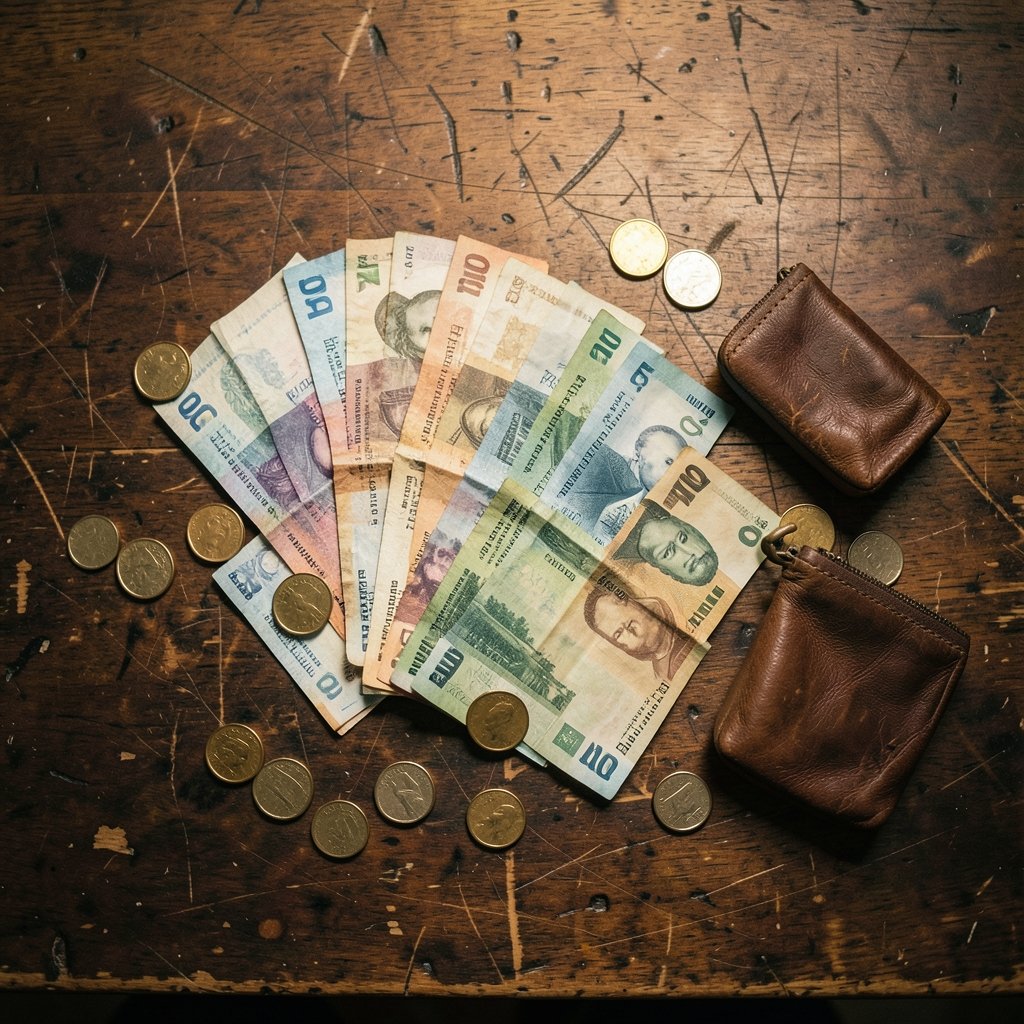
What do you picture when someone says “Peruvian money”? Many travelers imagine colorful bills with llamas or ancient ruins. Others picture a currency that crashed so hard in the late 1980s that people carried cash in sacks. Both pictures are partly right, and the full story is more useful than either one.
Peru’s currency today is the sol, and it is one of the steadier currencies in South America. That stability was not handed to the country. It was rebuilt from scratch after one of the worst hyperinflations in modern history. Understanding how that happened, what the bills and coins look like, and how to handle cash on the ground will save visitors money and confusion.
What Is the Peruvian Sol?
The sol is Peru’s official currency. Its international code is PEN, and it splits into 100 céntimos, the way a dollar splits into cents. The word “sol” means “sun” in Spanish, and it nods to the old sol de oro that Peru used before the 1980s. (Peruvian sol)
Prices in Peru are written with the symbol S/, so a coffee might cost S/ 8 and a menu del día S/ 15. If you see a bare number in a market, assume soles unless someone says otherwise. The Banco Central de Reserva del Perú (BCRP) is the central bank that issues the notes and coins and runs monetary policy.
One quirk catches out almost every visitor. Between 1991 and 2015 the currency was officially called the nuevo sol (“new sol”). In 2015 the government dropped “nuevo,” and the ISO code stayed PEN. Some price tags, ATM screens, and older guidebooks still say “nuevo sol.” It is the same money.
From Hyperinflation to One of South America’s Steadiest Currencies
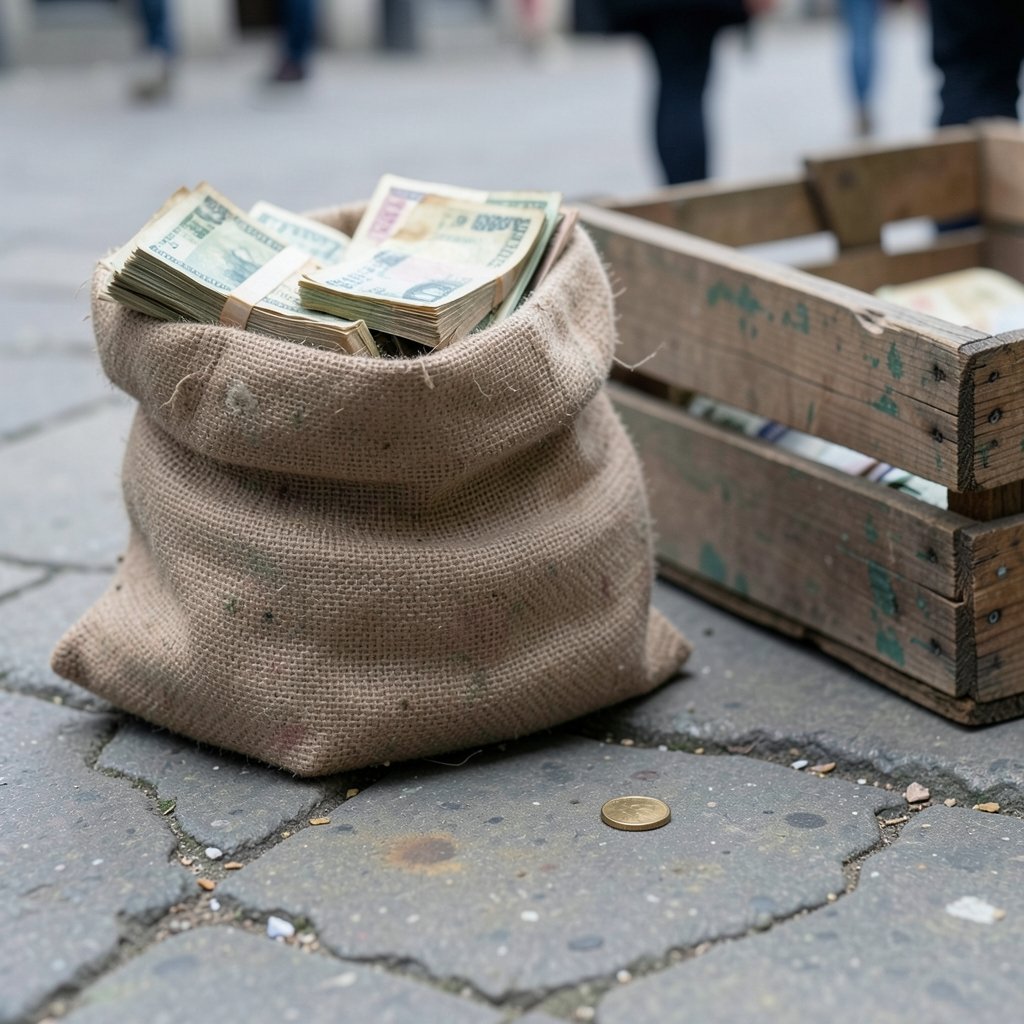
Peru’s monetary history is a cautionary tale with a surprisingly happy ending. Before 1985, the country used the sol de oro. That year it introduced the inti, a replacement currency meant to simplify prices. Instead, the 1980s brought runaway inflation, and the inti lost value so fast that wages were sometimes paid daily and spent within hours.
By 1990, the economy was in crisis. The government responded with a stabilization program and, in 1991, launched the nuevo sol to replace the inti at a rate of one million intis to one new sol. That drastic reset, combined with tighter fiscal policy and an independent central bank, worked. Inflation fell from hyperinflationary levels in the late 1980s to low single digits by the 2000s.
Since 2002, the BCRP has run an inflation-targeting framework, aiming to keep inflation near a small target band rather than pegging the sol to the dollar. That framework is the main reason Peruvians today can plan a budget in soles and mostly trust it. The currency’s comeback is a useful case study for anyone interested in how money earns trust back, a theme that runs through how central banks manage digital currency and the future of central bank money. (Central Reserve Bank of Peru)
Banknotes and Coins: What You Will Actually Handle
Peru’s cash is straightforward once you know the lineup. The current banknotes come in five values:
| Banknote | Approximate US dollar value | Typical use |
|---|---|---|
| 10 soles | Small | Snacks, short taxi rides |
| 20 soles | Small | Lunch, market shopping |
| 50 soles | Medium | Dinner for two, entry fees |
| 100 soles | Large | Hotels, tours, bigger purchases |
| 200 soles | Largest | Rare in daily life; often refused |
Coins run from 5, 10, 20, and 50 céntimos up to 1, 2, and 5 soles. The 5-sol coin is worth knowing because it looks similar to the 2-sol coin at a glance. Check the number printed on the coin rather than relying on size.
The newest banknote series, introduced around 2021, puts Peruvian culture front and center. The 200-sol note, for example, features the writer José María Arguedas and the ancient Ciudad Sagrada de Caral, one of the oldest urban sites in the Americas. The BCRP has also added security features such as watermarks, a security thread, and intaglio printing, which gives the ink a raised feel under your thumb.
How to Spot a Fake Note
Counterfeiting exists, especially in busy markets and informal taxi rides. A few habits go a long way:
- Feel the paper. Genuine notes have raised ink on the portrait and large numbers.
- Hold the note up to the light and check the watermark and the security thread.
- Tilt the note and look for color-shifting ink.
- Refuse notes that are torn, taped, or heavily worn. Vendors will often reject them too.
- Break large notes at supermarkets, banks, or hotel desks rather than at street stalls.
The Exchange Rate, in Plain Terms
Over the past decade, the sol has generally traded in a rough band of 3 to 4 soles per US dollar, with the BCRP stepping in at times to smooth sharp swings. That band is a helpful mental anchor, but it is not a promise. Exchange rates move with global markets, copper prices, and political news, so check the rate the day you travel rather than trusting an old blog post.
A practical rule for travelers: convert in your head by dividing by roughly 3.7. If a tour costs S/ 150, that is about $40. Doing the math in your head keeps you from overpaying when you are tired and jet-lagged.
Where to Change Money
Peru is a cash economy in many places, so knowing where to change money matters. Here is how the options compare:
| Option | Rate quality | Safety | Best for |
|---|---|---|---|
| Bank branch | Fair | High | Larger amounts, peace of mind |
| Licensed casa de cambio | Good | Medium to high | Everyday exchanges in cities |
| Airport counter | Poor | High | Small amounts on arrival only |
| Street changers | Variable | Low | Not recommended |
| ATM withdrawal | Fair, plus fees | High | Convenience, small amounts |
Two mistakes trip up visitors again and again. First, they change a large sum at the airport and lose several percent on a bad rate. Second, they accept a “great deal” from someone on the street and end up with counterfeit notes or a short count. Change a small amount at the airport, then use banks or established exchange houses in town.
Cash, Cards, and Digital Payments
Lima and other big cities have moved steadily toward cards and mobile payments, but cash still rules outside tourist centers. Carry a mix of denominations, and keep small bills handy for taxis, markets, and tips. Many small vendors cannot break a 100-sol note early in the day.
ATMs are common in cities and generally reliable, though fees vary and some machines dispense only large notes. Withdraw during daylight hours and use machines inside banks or malls when you can. Keep your card in sight when paying, and watch for skimming devices on standalone ATMs.
Digital wallets and QR payments are growing fast in Peru, part of a broader shift toward cashless tools across the region. If you follow how technology is changing everyday money, the same forces shaping how AI companies build and monetize their products are also reshaping payment apps and fraud detection in retail banking.
Practical Money Tips That Actually Work
Some advice sounds good on paper but fails in practice. These habits hold up on the ground.
Carry a decoy wallet. Keep a small amount of cash in an accessible pocket and the rest in a money belt or hidden pouch. If someone demands your wallet, you lose little.
Do not flash large notes. Paying for a S/ 3 water with a S/ 100 note marks you as a tourist and invites scrutiny. Break big bills at a bank or supermarket first.
Learn the numbers in Spanish. Knowing diez, veinte, cincuenta, cien, and doscientos helps you catch a short count or a switched price.
Keep coins for small purchases. Céntimos matter. Vendors often round up, and having exact change speeds everything along.
Budget a cash cushion. Cards fail, ATMs run out, and small towns may have no working machine. A reserve of soles prevents a stressful day.
Watch for dynamic currency conversion. If a card machine offers to charge you in your home currency, decline and pay in soles. The conversion rate on the machine is usually worse.
Fraud is not only a travel problem. Scams that separate people from their money follow predictable patterns, and understanding how gift card scams work and why victims rarely recover their funds shows why caution beats convenience when anyone pressures you to pay quickly.
Tipping, Taxes, and Tourist Fees
Tipping in Peru is modest by North American standards. Restaurants often include a 10 percent service charge; if not, rounding up or leaving 5 to 10 percent is welcome. Taxi drivers do not expect tips, though rounding the fare is a nice gesture. Porters and tour guides appreciate a few soles.
Prices for tourists sometimes include IGV, Peru’s sales tax, and sometimes do not. Hotels and restaurants may add it to the bill. Keep receipts if you plan to claim a tax refund on purchases, and ask before you buy whether the quoted price includes tax.
Some attractions charge separate entry fees for foreigners, and a few require cash only. Carry small notes for these situations, and check opening hours ahead of time so you are not stuck paying for a rushed visit.
Common Mistakes Visitors Make With Peruvian Money
Even careful travelers slip up. Here are the patterns that show up most often.
Mistaking céntimos for soles is the classic error. A price of “50” in a market may mean 50 céntimos, not 50 soles. Ask if you are unsure, and confirm the total before paying.
Accepting torn or marked notes is another trap. Peruvian vendors are strict about note condition, so inspect what you receive and hand back damaged bills immediately.
Skipping the exchange-rate check is a quieter mistake. Rates shift, and relying on memory can cost you real money over a two-week trip.
Finally, some visitors over-rely on cards in small towns and then face a long walk to find an ATM. A simple rule works well: always carry enough soles for a full day, plus a little extra.
How the Sol Fits Into Peru’s Economy
The sol’s stability has real effects beyond tourism. It lets businesses set prices, lets families save, and gives the central bank room to respond to shocks. Peru’s economy depends heavily on mining exports, so global commodity prices influence the currency, but the inflation-targeting framework has kept the worst swings in check.
That does not mean the sol never moves. Political uncertainty and global rate changes can push it around. For visitors, the takeaway is simple: the sol is reliable enough that you do not need to panic about holding cash, but flexible enough that you should check the rate rather than assume it.
Conclusion
Peruvian money tells a story of recovery. The sol replaced a currency that had collapsed, and a disciplined central bank turned it into one of the region’s more dependable currencies. For travelers, that history translates into practical habits: know the denominations, break large notes early, change money at banks or licensed exchange houses, and keep small bills for the moments that matter.
The bills themselves are worth a second look. A 200-sol note carries a writer and a sacred city, a small reminder that money is also a portrait of the country that issues it. Handle it carefully, spend it wisely, and the sol will treat you well.
What is the currency of Peru called?
It is called the sol. Its international code is PEN, and it divides into 100 céntimos. Between 1991 and 2015 it was officially named the nuevo sol, but the name was shortened in 2015 and the code stayed the same.
How many soles are in a US dollar?
The rate moves, but the sol has generally traded in a rough band of 3 to 4 soles per US dollar over the past decade. Check the current rate before you travel rather than relying on an old figure.
Can you use US dollars in Peru?
In tourist-heavy areas, some hotels and tour operators accept dollars, but the price is usually worse than paying in soles. Everyday purchases, markets, and taxis expect soles. Carry local cash for daily spending.
Are credit cards widely accepted in Peru?
In Lima and major cities, cards work at hotels, restaurants, and larger shops. Outside those areas, cash is often the only option. Carry a mix of payment methods and keep small notes for vendors who cannot break large bills.
What should I do if I get a counterfeit note?
Do not try to pass it on. Take it to a bank or the police, and report where you received it if you can. To avoid the problem, check watermarks, feel for raised ink, and refuse damaged or suspicious notes before you leave the counter.
How much cash should I carry in Peru?
Carry enough soles for a full day of food, transport, and small purchases, plus a modest reserve. Spread the money across pockets and a hidden pouch, and keep larger amounts in a safe place rather than all in one wallet.



