
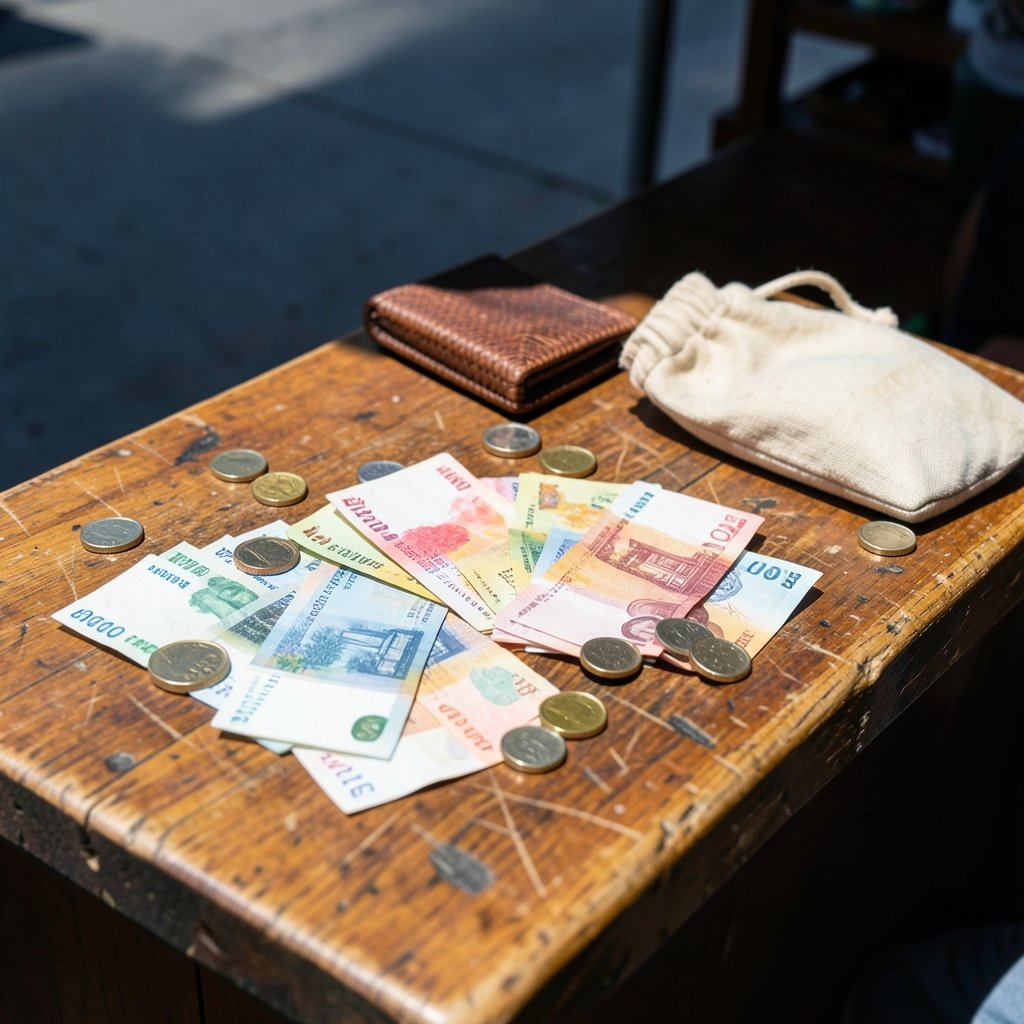
What do you actually know about the money in your wallet? If you live in the Philippines, or you’re planning a trip there, the Philippine peso is more than a colorful piece of paper. It’s a daily tool, a national symbol, and a tiny window into how the country’s economy runs. The peso has changed shape, material, and design many times over the decades, and understanding it can save you real money and real confusion.
This guide breaks down the Philippine peso from top to bottom. You’ll learn what it’s called, who issues it, what it looks like, how it relates to other currencies, and the practical habits that keep you from getting shortchanged, scammed, or stuck with unusable cash.
What Is the Philippine Peso and Who Issues It?
The Philippine peso is the official currency of the Philippines. Its international currency code is PHP, and its symbol is ₱. One peso is divided into 100 sentimo (often called centavos). You’ll see prices written as ₱50, PHP 50, or sometimes P50, and all three mean the same thing.
The peso is issued and regulated by the Bangko Sentral ng Pilipinas (BSP), the country’s central bank. The BSP was established under the New Central Bank Act, Republic Act No. 7653, which was signed in June 1993. That law was later amended by Republic Act No. 11211 in 2019, which updated the central bank’s charter. The BSP controls how much money circulates, sets monetary policy, and runs public campaigns to help people spot fake notes. (BSP Coins and Notes overview)
It’s worth understanding that the peso is what economists call fiat money. It isn’t backed by gold or silver. Its value comes from public trust and from the government’s authority to declare it legal tender, meaning it must be accepted for debts, public and private. That trust is the whole ballgame. When people stop trusting a currency, it loses value fast.
A Short History of Philippine Money
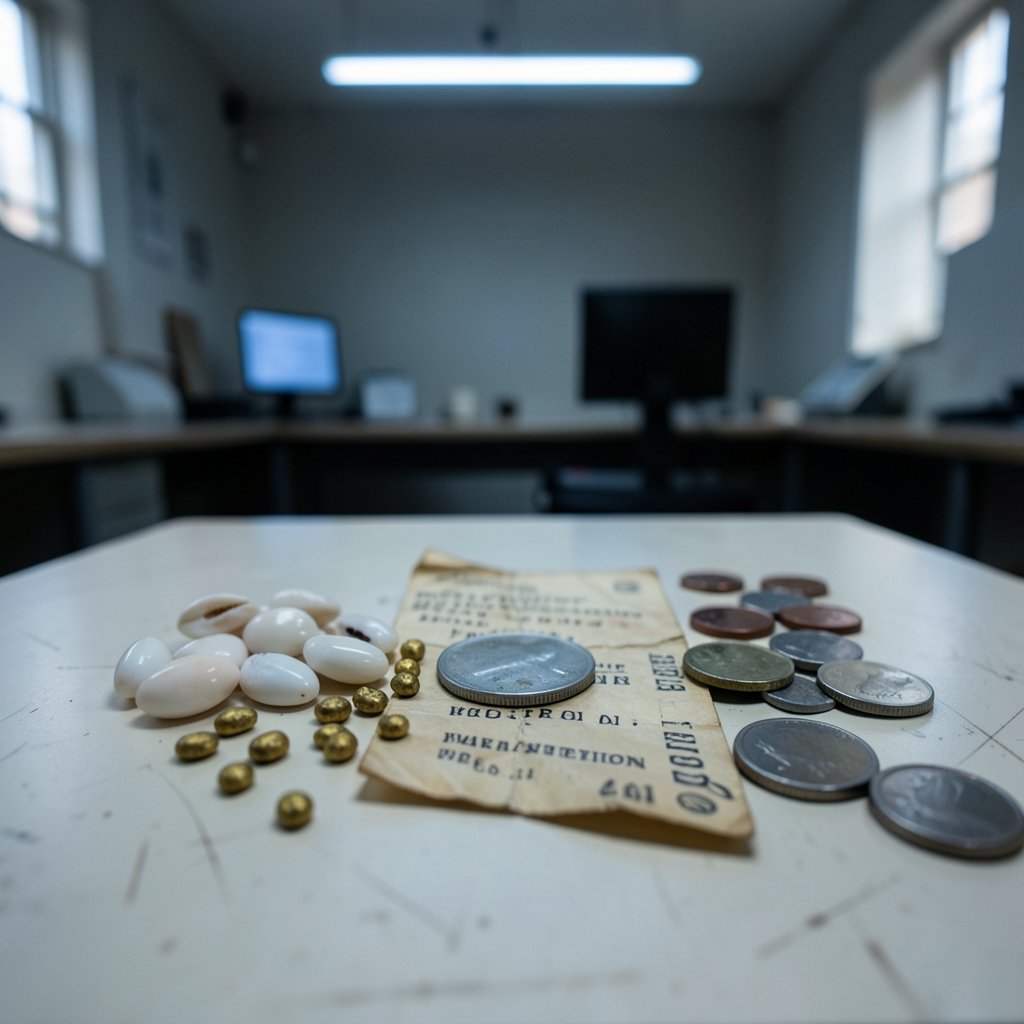
Philippine currency didn’t start with the BSP. Long before colonial rule, communities across the islands traded using barter and small objects like shells and gold bits. During the Spanish colonial period, the Spanish peso became the dominant coin, and its influence shaped the name and structure of the modern currency.
The modern national peso took clearer form during the American colonial period. The Central Bank of the Philippines was then established in 1949 under Republic Act No. 265, giving the country its own monetary authority. Over the following decades, the bank evolved into today’s BSP, and the currency went through several design families before arriving at the notes people use now.
One detail that surprises many visitors: the BSP traces the story of Philippine money back through pre-colonial trade, Spanish-era coins, and wartime occupation notes. That long chain explains why the peso carries so many historical references on its face.
What Do Philippine Banknotes and Coins Look Like?
The current family of notes is called the New Generation Currency (NGC) series, launched in 2010. Each denomination features a Philippine hero on the front and a natural wonder or landmark on the back. In 2022, the BSP introduced a polymer 1000-peso note, a shift from paper that makes the note tougher and harder to counterfeit.
Here’s how the main denominations stack up:
| Denomination | Typical Appearance | Common Use |
|---|---|---|
| ₱20 | Paper note, hero portrait | Small purchases, jeepney fares |
| ₱50 | Paper note, hero portrait | Meals, short taxi rides |
| ₱100 | Paper note, hero portrait | Everyday shopping |
| ₱200 | Paper note, hero portrait | Mid-size purchases |
| ₱500 | Paper note, hero portrait | Larger bills, rent partial payments |
| ₱1000 | Paper or polymer note | Big-ticket payments, savings |
Coins run from 1, 5, 10, and 25 sentimo up to 1, 5, 10, and 20 pesos. Here’s the practical catch: small-denomination coins are rarely used in daily life. Many shops round prices, and cashiers often hand back candy instead of a few sentimo. That’s not strictly legal tender behavior, but it’s a common habit. If exact change matters to you, keep small coins handy rather than expecting them back.
How Do You Spot a Fake Philippine Peso Note?
Counterfeiting is a real concern in any cash economy, and the BSP runs ongoing public education campaigns about it. The NGC notes include several security features you can check in seconds:
- Feel the paper. Genuine notes have a distinct texture, and the polymer ₱1000 note feels noticeably different from paper.
- Look for the watermark. Hold the note up to the light and a faint portrait should appear.
- Check the security thread. A thin embedded line runs through the note and shifts appearance.
- Tilt for optically variable ink. Certain printed elements change color or shine when you angle the note.
- Run your finger over raised print. Some details can be felt as well as seen.
The single most common mistake people make is accepting a note in a dark, crowded place, like a busy market or the back of a taxi, without a glance. Fake notes thrive in rushed moments. A two-second check under better light beats a lost day’s wage.
How Much Is the Philippine Peso Worth?
The peso floats against other currencies, meaning its value moves with supply, demand, and market sentiment. The BSP publishes a daily reference rate, but the rate you actually get at a money changer or bank will differ, sometimes significantly.
That gap is where travelers and remittance senders lose money without noticing. Here are the practical rules that actually work:
- Compare before you convert. Airport counters and hotel desks usually offer the worst rates because they charge for convenience.
- Watch the spread as well as the headline rate. A rate that looks great can hide a large commission.
- Avoid converting twice. Changing pesos to dollars and back again doubles your losses.
- Use a card with no foreign transaction fee when paying abroad, and always choose to be charged in the local currency rather than your home currency.
The peso’s value also matters at home. When the peso weakens, imported goods get more expensive, which feeds into inflation. That’s why the central bank watches the exchange rate closely. If you’re curious how digital money might reshape this picture, it’s worth reading about how a CBDC digital currency turns central bank money into digital form, a topic central banks worldwide, including the BSP, have been studying.
Inflation, Interest Rates and Why Your Peso Buys Less Over Time
The BSP has used an inflation-targeting framework since 2002. In simple terms, the central bank sets a target range for inflation, commonly around 2 to 4 percent, and adjusts interest rates to steer price growth toward that band. The target is set in coordination with the government.
Why should you care? Because inflation quietly eats savings. If prices rise 4 percent a year and your money sits in a drawer, you lose purchasing power every single month. A peso today buys less than a peso did a decade ago, and that’s true in every floating currency.
The practical response is straightforward. Keep an emergency fund in cash for near-term needs, but don’t park long-term savings in a shoebox. Consider instruments that at least keep pace with inflation, and treat any promise of guaranteed high returns with suspicion. Scammers know that people worried about rising prices are easy targets.
Common Money Scams in the Philippines and How to Avoid Them
Cash-heavy economies create specific risks, and the Philippines is no exception. A few scams show up again and again.
The fake bill swap. A vendor hands back your large note and claims it’s counterfeit, returning a different, fake note. Prevention: hold your note up to the light before handing it over, and note the serial number if the amount is large.
The short-change shuffle. A cashier counts your change quickly, miscounts, and hopes you don’t notice. Prevention: count your change before you walk away, every time.
Gift card and e-wallet scams. Fraudsters ask for payment in gift cards or instant transfers because those are hard to trace. The gift card scam is especially cruel because victims rarely get their money back once the card code is shared. No legitimate government office, employer, or utility will demand payment by gift card.
Too-good-to-be-true investments. If someone promises double your money in weeks, the money is gone. The same caution applies to hype around new technology. Before chasing any scheme built on artificial intelligence, read about how to make money with AI without falling for inflated promises, because the space attracts both real opportunity and pure fraud.
Practical Tips for Handling Cash in the Philippines
Whether you’re a local or a visitor, a few habits make daily money life smoother.
Carry a mix of denominations. A wallet full of ₱1000 notes is awkward at sari-sari stores and street stalls. Break big bills at supermarkets or banks, then keep smaller notes for everyday purchases.
Keep a small cash reserve separate from your main wallet. Pickpocketing happens in crowded areas. Splitting your cash limits the damage.
Know the legal tender rules. Notes and coins are legal tender for debts, but there are limits on how many coins a business must accept in a single payment. Don’t assume a merchant must take a bag of small coins.
Use e-wallets for routine payments, but keep cash for outages. Digital payments are widespread, yet mobile data and power failures happen. Cash remains the reliable fallback.
Budget for hidden costs. Tipping, transport fares, and small fees add up. A simple daily cash limit keeps spending predictable.
If you’re running a business and handling money at scale, the cost side deserves attention too. Security and fraud prevention aren’t free, and it helps to understand where the money actually goes in identity threat detection before signing any contract. Likewise, teams evaluating security tools should know where threat intelligence spending really goes in 2025, since pricing structures vary wildly.
Sending and Receiving Money in Pesos
Remittances are a lifeline for millions of Filipino families, and the fees involved are often larger than people realize. A transfer that looks cheap on the surface can cost several percent once you add the exchange rate markup.
A few rules that hold up in practice:
- Compare the total received amount, not the advertised fee. The rate markup usually costs more than the flat fee.
- Batch smaller transfers into fewer, larger ones to reduce fixed fees.
- Use regulated channels. Informal transfer schemes offer better rates until something goes wrong, and then there’s no recourse.
- Keep records. For large transfers, documentation protects you if a dispute arises.
Conclusion
The Philippine peso is a small object with a large story. It carries centuries of trade, colonial history, and modern monetary policy in its design. It’s issued by a central bank with a clear inflation target, protected by layered security features, and used every day by millions of people who rarely stop to think about how it works.
Understanding the peso pays off in concrete ways. You spot fakes faster. You lose less on exchange rates. You recognize scams before they cost you. You budget with realistic expectations instead of wishful thinking. Whether you’re spending pesos at a wet market, saving them for the future, or sending them across an ocean, a little knowledge about the currency goes a long way. The money in your pocket is only as strong as your understanding of it.
Frequently Asked Questions
What is the currency of the Philippines called?
It’s the Philippine peso, written with the symbol ₱ and the international code PHP. One peso equals 100 sentimo. The Bangko Sentral ng Pilipinas issues and regulates it.
Is the Philippine peso a stable currency?
The peso floats on global markets, so its value moves daily. The central bank uses an inflation-targeting framework to keep price growth within a target band, which supports stability over time, but short-term exchange rate swings are normal and expected.
Can I use US dollars in the Philippines?
Some tourist areas and hotels accept dollars, but the vast majority of everyday transactions require pesos. You’ll usually get a poor exchange rate if you pay in foreign cash, so convert at a bank or reputable money changer instead.
Are old Philippine banknotes still valid?
Notes from older series may still be exchangeable at the central bank even after they stop circulating in shops. If you’re holding old notes, check with the BSP or a bank before assuming they’re worthless.
Why do shops give candy instead of small change?
Small coins have low purchasing power and are costly to handle, so many retailers round transactions informally. It’s a widespread habit rather than an official rule. Keeping small coins on hand helps you avoid the situation.
How can I tell if a peso note is fake?
Feel the paper texture, hold the note to the light for the watermark, check the embedded security thread, and tilt it to see if the ink shifts. The polymer ₱1000 note has its own distinct feel. When in doubt, don’t accept the note.
