What comes to mind when someone says “photo money“? A crisp hundred-dollar bill styled for a wallet ad? A stock photo of coins spilling from a jar? Or the uneasy moment when a cashier tells you the note in your hand “looks photographed”? The phrase is loose, and that looseness causes real trouble. It can describe pictures of currency, money earned from photography, or a counterfeit made from a scanned note. Each meaning carries different rules, and mixing them up can cost you money, a stock account, or worse. This guide sorts the meanings out, explains what the law actually says about reproducing banknotes, and shows where photographers genuinely make money from currency imagery. (Copyright for Photographers)
The Three Things People Mean by Photo Money
Most confusion disappears once you separate the senses. Here is how the term splits in practice.
| Sense of the term | What it refers to | Who cares about it |
|---|---|---|
| Currency imagery | Photographs, scans, or illustrations of real banknotes and coins | Designers, printers, filmmakers, teachers |
| Photography income | Money earned by licensing, selling, or shooting photos | Photographers, stock contributors, small studios |
| Fraud-adjacent use | Scans or prints of notes used to deceive | Retailers, banks, law enforcement |
The first sense dominates serious discussion because it is the one with legal teeth. The second sense is where most people searching the phrase actually want answers. The third sense is the nightmare scenario that every currency authority writes rules to prevent.
Why Photographing Banknotes Is Regulated at All
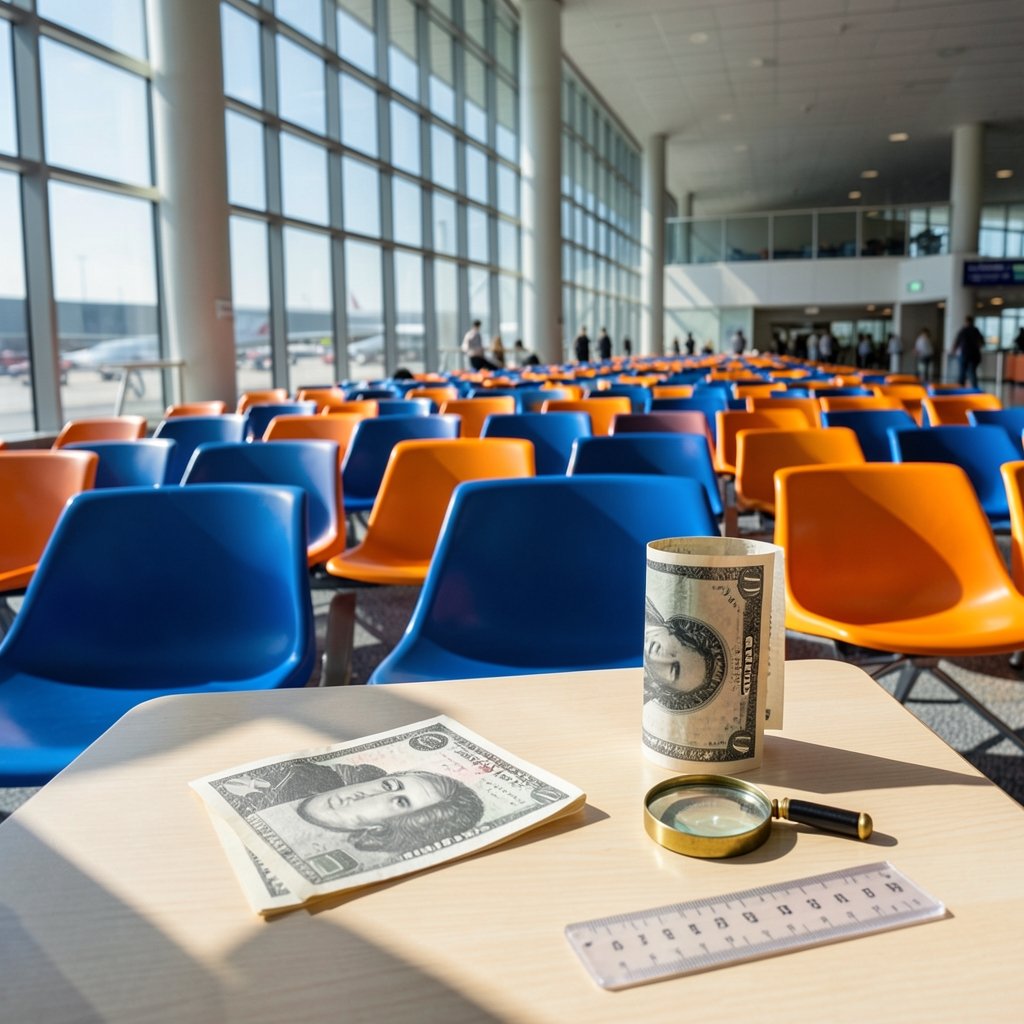
Every modern banknote is a security document. Its design, paper, watermark, and print process exist to make copying hard. If high-quality reproductions circulated freely, the barrier to counterfeiting would collapse. Authorities therefore do not ban images of money outright. They allow them, but only when the reproduction is visibly not the real thing.
The United States codifies this in 31 CFR Part 411, the federal rule on illustrations of currency. The regulation permits printed reproductions only under conditions: black and white rather than colour, one side of the note rather than both, and a size outside the range of genuine notes. In plain terms, a photo of a dollar bill for a school project is fine if it is monochrome, single-sided, and either noticeably smaller or larger than the real thing. A full-colour, double-sided, life-size scan is not.
The United Kingdom takes a similar approach through Bank of England guidance on reproducing its notes, and the European Central Bank publishes its own reproduction rules for euro banknotes. The specifics differ, but the shared logic does not: a reproduction must be clearly distinguishable from genuine currency, usually by size, colour, or a marking such as the word SPECIMEN.
The Common Mistake: Assuming Rules Are Universal
The single most frequent error is treating one country’s rules as global. A design that is legal in one jurisdiction may breach another’s currency law. If a project will be printed, published, or shipped across borders, check the rules of each market. Currency reproduction policy is national, and enforcement follows the country where the material is distributed.
How to Photograph Money Without Breaking Rules
Practical workflows matter more than theory here. Photographers and designers who handle currency imagery regularly tend to follow a few habits.
- Decide the purpose first. Editorial, educational, and illustrative uses are treated more leniently than anything resembling a usable note.
- Check the issuing authority’s current guidance before shooting, not after. Rules get revised.
- Alter the image deliberately. Crop it, desaturate it, add a visible label, or change the scale so no one could mistake it for currency.
- Keep both sides out of a single frame. Showing one face of a note is usually safer than showing front and back together.
- Record your reasoning. A short note on why the image is clearly a reproduction helps if a platform or client ever asks.
That last step sounds fussy until a stock agency rejects a submission or a printer flags a file. Documentation turns a stressful conversation into a two-minute email.
What Actually Works in Practice
The alteration step is where beginners stumble. Many assume that adding a small watermark is enough. It usually is not, because a determined copier can crop or clone it out. Size and colour changes are more robust because they are structural. A greyscale image at 60 percent scale is obviously not a banknote the moment someone holds it. A full-colour image with a tiny corner stamp is not.
Another practical point: photographs of money are not automatically yours to license. Copyright in a photograph belongs to the photographer, but the design on the note may carry separate protections, and stock platforms often restrict currency images outright. Even a perfectly legal photo can be rejected by a marketplace applying stricter house rules than the law requires. That gap between legality and platform policy surprises people constantly. (Photograph)
Photo Money as Income: Where Currency Images Earn
Now to the friendlier sense. Can you make money photographing money? Yes, but rarely by shooting banknotes alone. Currency imagery is a small niche inside a much larger market for financial and lifestyle photography.
The reliable earners look like this: editorial shoots for finance publications, product photography for wallets and safes, educational material for schools and museums, and conceptual stock images about saving, inflation, or fraud. A photographer who understands macro lighting and can make a coin look like a small planet has a genuine edge in product work.
The less reliable path is uploading generic currency shots to stock libraries and waiting. Currency images are heavily restricted on many platforms, and even where accepted, they compete with millions of similar files. The realistic money sits in commissioned work and in building a recognisable style, not in volume uploads.
If the goal is broader income from images, the mechanics of licensing, pricing, and platform rules matter far more than the subject. A useful starting point is understanding how image-based product search and licensing actually function, which is covered in this guide to searching for products using a photo. Photographers who grasp how their images get found and matched tend to price their work more sensibly.
For readers exploring side income more broadly, there are structured overviews of how people make money with ai that cover adjacent skills like editing, upscaling, and automated retouching. The same tools that threaten traditional photo income also create fast, cheap workflows for small studios.
The AI Editing Factor
Editing software has changed what a single photographer can deliver. Retouching a coin’s surface, cleaning up reflections on a note’s protective window, or generating consistent lighting across a product set used to take hours. Now it takes minutes, and the quality bar has risen accordingly. A roundup of the best ai photo editors in 2026 and whether they actually work is worth reading before committing to a subscription, because the gap between marketing claims and real output is wide. Studios that test tools carefully spend less and deliver more.
When Photo Money Turns Into Fraud
The dark sense deserves plain words. A photograph or scan of a note becomes a problem the moment someone tries to pass it as real. Counterfeiting laws across jurisdictions criminalise making or possessing reproductions “calculated to deceive,” and the wording is deliberately broad. Intent matters, but so does capability: a file that could plausibly be printed into a convincing note attracts far more scrutiny than an obvious illustration.
Retail and customer-service staff are trained to spot the signs. Unusual texture, missing security features, and wrong dimensions all trigger checks. Some businesses now use image-matching tools at the point of sale, comparing a presented note against known designs in seconds. That technology cuts both ways: it catches fakes, and it also means a poorly judged “art project” can follow someone for years.
The financial-crime world around money is where photo imagery intersects with far bigger losses. Understanding where the money actually goes in identity threat detection is useful context, because stolen identities and fake documents often travel together. Similarly, breakdowns of where threat intelligence budgets really go in 2025 show how much organisations spend defending against exactly this kind of deception.
Payment fraud is not only about paper. Gift card scams are a stark example of how quickly value vanishes once a code is shared, and victims rarely recover funds, as this explanation of how the gift card scam works makes clear. Digital currency adds another layer. Central bank digital currencies are reshaping how money is represented and verified, and a plain-language overview of CBDC digital currency explains why the physical note may eventually carry less weight than the ledger behind it.
Legal Versus Platform Rules: A Comparison
People often conflate three separate rulebooks. They are not the same, and each can stop a project independently.
| Rulebook | Who sets it | What it controls | Typical consequence of breach |
|---|---|---|---|
| Currency law | National treasury or central bank | Whether a reproduction may exist at all | Seizure, fines, criminal charges |
| Copyright | Photographer and rights holders | Who may use a specific image | Takedown, damages claim |
| Platform policy | Stock sites, printers, social apps | What may be uploaded or sold | Rejection, account suspension |
A project can clear the first and fail the second. It can clear both and still fail the third. Smart practitioners check all three before pressing publish, and they keep the checks simple: is it obviously not real, do I own or license the image, and does the platform allow it?
Conclusion
Photo money is a phrase doing three jobs at once, and the confusion is not harmless. As currency imagery, it sits under strict national rules that permit reproductions only when they are clearly not genuine, typically through size, colour, or marking. As photography income, it is a small, competitive niche where commissioned work and strong editing skills beat volume uploads every time. As a fraud risk, it is the reason those rules exist.
The practical path is unglamorous but effective. Identify which sense you mean, check the issuing authority’s current guidance for the currency in question, alter reproductions so no reasonable person could mistake them for real notes, and respect platform policies that are often stricter than the law. Photographers should treat currency as a specialist subject requiring care, not a quick stock upload. Get those basics right, and the phrase stops being a trap and becomes just another part of the job.
Frequently Asked Questions
Is it legal to photograph money?
In most countries, yes, provided the resulting image could not be mistaken for genuine currency. Common conditions include showing only one side, avoiding full colour at full size, and adding a clear marking or altering the scale. National rules differ, so check the guidance from the issuing central bank or treasury before publishing or printing.
Can I sell photos of banknotes on stock websites?
Sometimes, but platform rules are usually stricter than the law. Many stock agencies reject currency images outright or require specific alterations and model-style releases. Even a lawful image may be refused. Read the submission guidelines before shooting, and keep a record of how the image was altered.
What does the US rule on illustrating currency require?
Under 31 CFR Part 411, printed reproductions of US currency must generally be black and white, show only one side, and be either smaller or larger than genuine notes. The aim is to ensure any copy is obviously not real money. Always verify the current text, since regulations are updated periodically.
Does photographing money count as counterfeiting?
Only if the reproduction is made or used with intent to deceive. A clearly altered image for education or design is not counterfeiting. A colour, full-size, double-sided scan intended for passing as real is a serious criminal matter in most jurisdictions, with penalties that can include imprisonment.
How do photographers actually make money from currency images?
Mostly through commissioned work: editorial shoots for finance publications, product photography for wallets and safes, and educational material for schools and museums. Generic stock uploads of banknotes earn little because of platform restrictions and heavy competition. Strong macro skills and fast, careful editing matter more than subject choice.
Do I need permission to use a photo of a note taken by someone else?
Yes. Copyright in a photograph belongs to the person who took it, regardless of what the photo shows. Currency design may also carry separate protections. If you did not shoot the image, you need a licence or a valid exception such as fair use or fair dealing, and those exceptions vary by country.