
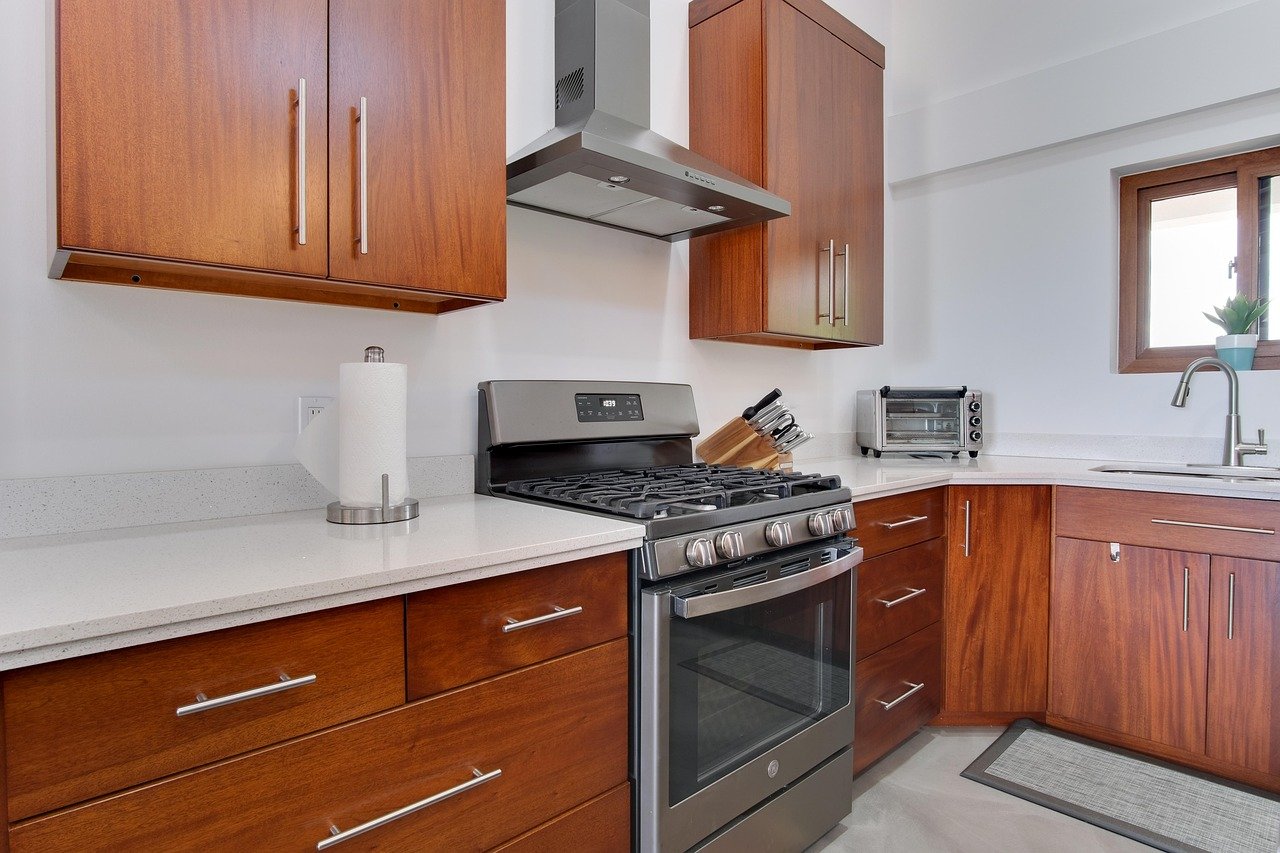
What if the appliance you buy this weekend costs you more over ten years than the one sitting next to it at twice the price? That happens more often than most shoppers realize. The sticker price is only the entry fee. Energy, water, repairs, and how long the machine actually lasts decide the real bill. Picking the best house appliances is not about chasing brand names or the flashiest features. It is about matching a handful of specs to how a household actually lives. (Much money do you really need buy house)
This guide walks through what matters, what is marketing noise, and where people routinely overspend. It covers the big five categories, the labels worth reading, and the mistakes that show up again and again in real kitchens and laundry rooms.
Start With the Labels, Not the Brochure
Appliance showrooms are designed to sell feelings. Labels are designed to sell facts. Read the facts first.
In the EU, household appliances such as washing machines, washer-dryers, dishwashers, fridges, TVs, and lamps have carried a rescaled energy label since 1 March 2021. The scale runs from A to G, the old A+ and A+++ classes are gone, and the top classes were deliberately left empty at launch so manufacturers had room to improve into them. That last detail matters: an A-rated machine today is genuinely efficient rather than efficient only relative to a soft scale.
In the US, the Federal Trade Commission’s Energy Labeling Rule requires EnergyGuide labels on major appliances, including refrigerators, freezers, dishwashers, clothes washers, water heaters, room air conditioners, furnaces, boilers, and pool heaters. These labels show estimated yearly energy use or cost, which lets you compare two models side by side without decoding a spec sheet.
Energy Star is a different animal. It is a voluntary US program run jointly by the EPA and the Department of Energy, and it sets efficiency criteria above the mandatory minimum. It is not a legal requirement, so its absence does not mean a product is bad, and its presence does not automatically make a product the best choice for your home.
One practical tip: compare the yearly energy figure on the label, then multiply by your local electricity rate and by the years you expect to keep the appliance. A fridge that saves 40 dollars a year over twelve years is a 480-dollar discount hiding in plain sight.
The Big Five: What Actually Matters in Each Category
Refrigerators
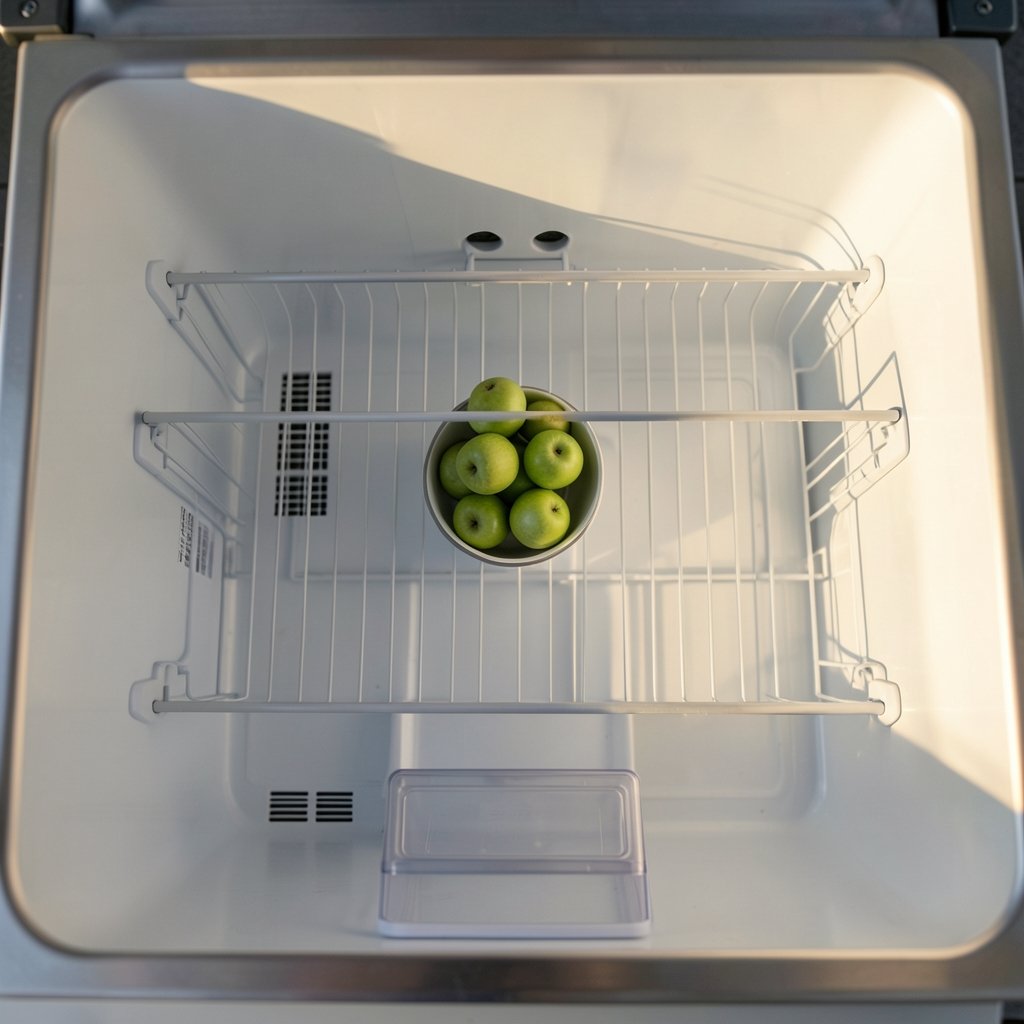
Fridges run 24 hours a day, so efficiency compounds faster here than anywhere else. New US refrigerators have improved dramatically since the 1970s, with average energy use falling by roughly 70 percent or more while capacity grew, though exact figures vary by data source and baseline year.
What to look for: a size that fits your household (a 700-liter fridge for two people wastes money and food), a layout that matches your shopping habits, and a frost-free system you will actually maintain. What to skip: smart screens, cameras, and app integrations that add failure points. If you do want connected features, research which ecosystem genuinely fits your home before committing to one. (Can you buy house no money down actually works)
Washing Machines
EU ecodesign rules, including Regulation (EU) 2019/2023 for washing machines and washer-dryers, set minimum energy and water performance alongside repairability and spare-parts requirements. In plain terms: manufacturers must keep parts available for years, which changes the economics of repair versus replace.
Practical advice from the field: drum size beats feature count. A machine that is too large runs half-empty and wastes water; one that is too small means extra cycles. Noise is also labeled in dB(A) on EU labels, and it matters far more than shoppers expect if the machine sits near a bedroom or living area.
Dishwashers
The dishwasher-versus-hand-washing debate is genuinely contested. Studies generally find that a full-load dishwasher uses less energy and water than hand-washing under typical conditions, but results swing widely depending on washing-up style and how the machine is loaded. The honest answer: a full dishwasher, run efficiently, usually wins. A half-empty one, pre-rinsed under hot water, often does not.
Ovens and Cooktops
Induction cooktops are fast and precise, but they require compatible pans. Gas offers instant visual feedback but vents combustion products indoors. Electric resistance is cheap to buy and slow to respond. There is no universal winner, only a match between your cookware, your ventilation, and how you cook.
Range Hoods and Ventilation
This is the most overlooked appliance in the house. A good hood removes moisture, grease, and cooking fumes. An undersized one is decoration. Match the hood’s airflow to your cooktop’s output and make sure it vents outdoors rather than simply recirculating.
A Comparison Table Worth Bookmarking
| Appliance | Biggest cost over 10 years | Spec that matters most | Common mistake |
|---|---|---|---|
| Refrigerator | Electricity | Yearly energy use on the label | Buying oversized |
| Washing machine | Water and energy | Load size and spin efficiency | Overloading small drums |
| Dishwasher | Energy and water | Full-load efficiency | Pre-rinsing everything |
| Oven or cooktop | Energy and ventilation | Match to cookware and hood | Skipping the hood upgrade |
| Water heater | Fuel | Insulation and sizing | Oversizing the tank |
Where People Actually Lose Money
The biggest financial traps are rarely about the appliance itself. They are about the house around it.
Trap one: ignoring the installation cost. A new washer may need a new valve. A range hood may need ductwork. A fridge may not fit the alcove. Budget 10 to 20 percent above the sticker price for installation, haul-away, and any plumbing or electrical work.
Trap two: buying a house with failing appliances. If you are shopping for a home, appliance age and condition belong in the inspection conversation. A property that looks charming can hide a failing water heater, a dying HVAC system, and a fridge on its last compressor. Learning to spot a house that will drain your cash before you sign is worth more than any showroom discount.
Trap three: underestimating the upfront budget. Appliance purchases rarely happen alone. They cluster with moves, renovations, and closings. Understanding how much money you really need to buy a house helps you avoid financing a fridge on a credit card at 24 percent interest because the closing costs ate the reserve.
Trap four: falling for “no money down” appliance bundles. These deals exist, and sometimes they work, but the interest and fees often erase the savings. It is worth understanding whether buying with no money down actually works in the housing context before applying the same logic to a kitchen package.
Repairability Is the Quiet Superpower
EU rules introduced from 2021 under ecodesign require spare parts availability for several years for washing machines, dishwashers, fridges, and TVs. The UK introduced similar right-to-repair rules in 2021. These rules shift the math: a repairable appliance with a ten-year parts window can beat a cheaper model that becomes landfill fodder at year four.
Three practical checks before buying:
- Search for the model’s parts diagram and confirm common failure items (door seals, pumps, heating elements) are sold separately.
- Check whether the warranty covers parts and labor, and for how long.
- Ask a local repair technician which brands they see least often. Their answer is usually more useful than any review score.
Standby Power: The Invisible Leak
Even switched off, many appliances draw power. Estimates of standby and networked standby consumption vary by study and year, but it is widely treated as a meaningful share of household electricity, often cited in the range of 5 to 10 percent of residential use. Treat that as a range, not a precise figure.
What works in practice: put entertainment systems and chargers on a switched power strip, disable always-on network features on appliances you rarely control remotely, and check whether a “smart” feature is worth its idle draw. A connected oven that pings your phone is charming until you realize it has been sipping electricity for three years.
Noise, Water, and the Specs Nobody Reads
Noise is regulated and labeled on EU washing machine and dishwasher labels in dB(A). A difference of 6 dB is roughly a doubling of perceived loudness, so a “quiet” 44 dB dishwasher and a 50 dB model are not close cousins.
Water hardness affects everything. In hard-water areas, dishwashers and washing machines need salt or descaling, and kettles and coffee machines scale up fast. Budget for a softener or filter if your area is hard; it extends appliance life more reliably than any extended warranty.
For outdoor cleaning equipment, the same logic applies: match the tool to the job rather than buying the biggest number on the box. A short guide to choosing electric pressure washers for real household work covers the practical side of that decision.
When “Best” Depends on Your Data
If you enjoy optimizing, there is a deeper layer: tracking your own usage. Smart meters and appliance apps generate data, and the same discipline that makes analytics useful at work applies at home. The lessons in a cloud data warehouse implementation guide for teams about scoping, data quality, and avoiding vanity metrics translate surprisingly well to household energy tracking. So do the warnings about cloud data warehouse problems that quietly sink projects: bad data in, bad decisions out. If your smart meter readings are estimated rather than actual, your “efficient appliance” conclusions are built on sand. (Best smart home hubs 2026 pick right brain your house)
A Simple Buying Framework
Before any purchase, run this sequence:
- Measure the space, including door swing, clearance, and hookup locations.
- Set a total budget that includes delivery, installation, and disposal.
- Read the energy label and calculate ten-year running costs.
- Check spare-parts availability and warranty terms.
- Read professional test methodology, and do not rely only on star ratings.
- Buy the size you need, not the size that impresses.
That framework will not tell you which brand to buy. It will tell you which models deserve a second look, which is the more useful answer.
Conclusion
The best house appliances are not the most expensive or the most connected. They are the ones whose running costs, repair record, and physical size fit a specific household. Read the labels, calculate the ten-year bill, check the parts supply, and resist the features that exist mainly for the brochure. Do that, and the appliance you choose this weekend will still look like a smart purchase a decade from now.
Frequently Asked Questions
What does the A to G energy label actually mean?
Since 1 March 2021, household appliances sold in the EU carry a label from A to G, with the old A+ and A+++ classes removed. The top classes were left empty at launch so products could improve into them. A higher letter means lower energy use, but always compare within the same product category and size.
Is Energy Star the same as a legal requirement?
No. Energy Star is a voluntary US program run jointly by the EPA and the Department of Energy. It sets efficiency criteria above the mandatory minimum, but it is not required by law. A product without the label can still be efficient.
Do dishwashers really use less water than washing dishes by hand?
Usually, under typical conditions with a full load, yes. But the results depend heavily on washing-up style and how the machine is loaded. A half-empty dishwasher or one fed pre-rinsed dishes under hot water can lose the advantage entirely.
How long should major appliances last?
It varies widely by category and maintenance, but most major appliances are expected to serve somewhere between eight and fifteen years. Repairability rules in the EU and UK, introduced from 2021, require spare parts availability for several years on several categories, which helps extend useful life.
Should I buy an appliance with smart features?
Only if the feature solves a real problem. Connected appliances add cost, complexity, and standby power draw. Check whether the smart functions still work if the manufacturer’s app or cloud service shuts down, and whether you would miss them if they vanished tomorrow.
How much should I budget beyond the sticker price?
Plan for 10 to 20 percent on top of the purchase price to cover delivery, installation, haul-away, and any plumbing or electrical adjustments. Skipping this step is one of the most common reasons a “good deal” turns into an expensive week.



