
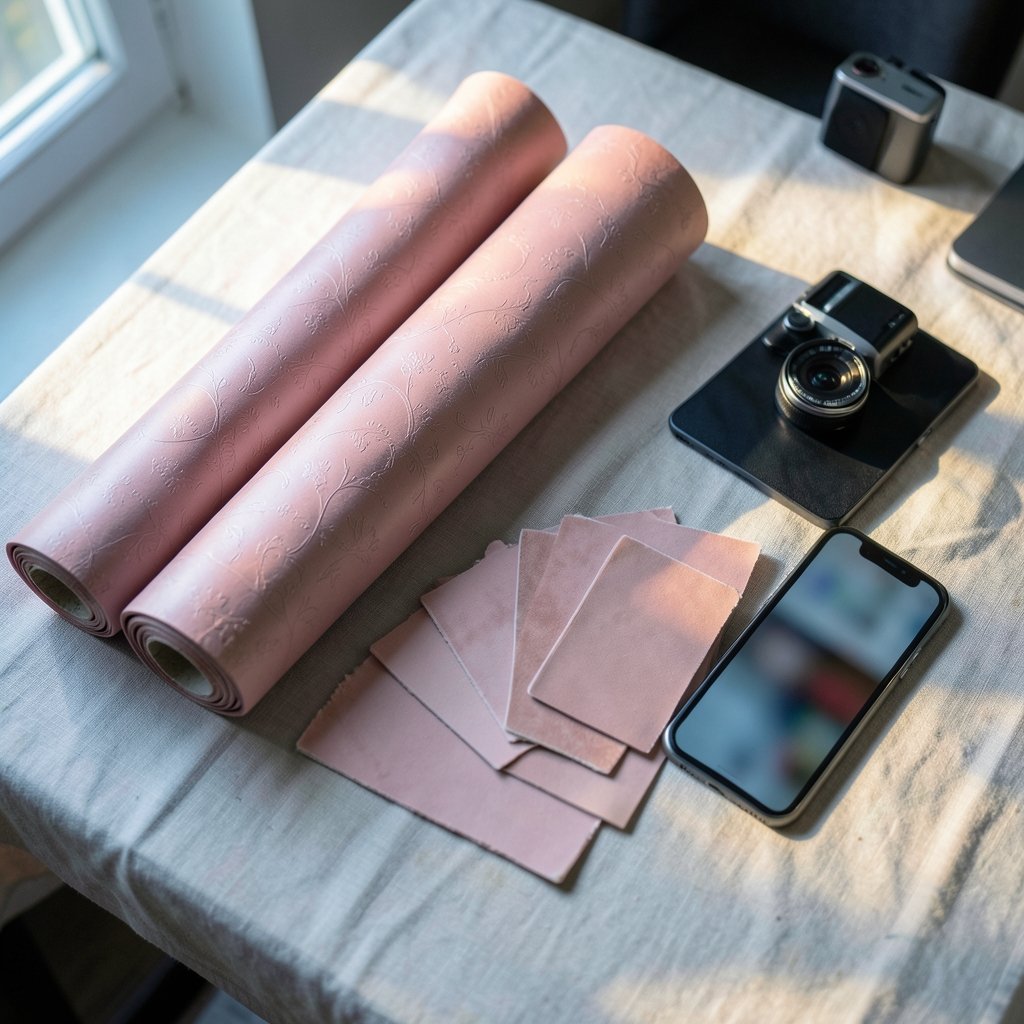
What if the wallpaper you pick for your home office or phone screen could quietly cost you more than you think? That question sounds odd, but pink money wallpaper sits at a strange crossroads. It can mean a bold design choice for a wall, a decorative pattern tied to a cultural theme, or a digital background that people download to make their banking apps look less grim. The phrase is ambiguous, and that ambiguity is exactly why so many buyers end up confused, overpaying, or disappointed.
This article treats the topic honestly. It looks at what people actually mean when they search for pink money wallpaper, how to choose a version that fits real rooms and real screens, where the hidden costs creep in, and how to avoid the common mistakes that turn a fun idea into a wasted purchase. Along the way, it connects the design decision to the broader question of where money goes in modern life, because a surprising number of wallpaper searches are tied to finance-themed aesthetics and personal branding.
What Does “Pink Money Wallpaper” Actually Mean?
The phrase gets used in at least three different ways, and knowing which one you want saves time and money.
The first meaning is literal. It is a wall covering in pink tones that incorporates money motifs: banknotes, coins, currency symbols, or abstract financial patterns. Designers sometimes call this “wealthcore” or “money aesthetic” decor. It shows up in home offices, small businesses, content studios, and occasionally in retail spaces trying to signal prosperity or playfulness.
The second meaning is digital. People search for pink money wallpaper to set as a phone lock screen, desktop background, or tablet backdrop. These are usually free downloads or low-cost image packs, often themed around saving, investing, or side-hustle motivation.
The third meaning is cultural and commercial. In some contexts, “pink money” refers to the spending power of a specific consumer group, and wallpaper becomes a shorthand for marketing to that group. This usage is looser and often appears in branding discussions rather than in actual wallpaper shopping.
If you are unsure which sense fits your need, start by asking what surface you are covering: a wall, a screen, or a brand identity. The answer narrows the search immediately.
Why Pink and Money Pair So Often

Pink and money is an unusual combination on paper. Pink reads as soft, playful, or romantic in many Western design traditions, while money reads as serious and transactional. That contrast is the point.
Designers lean into the tension. A soft pink background with sharp currency linework feels modern and a little ironic. It works well in spaces where someone wants to signal ambition without the heavy dark-wood seriousness of a traditional office. It also photographs well, which matters for anyone creating content.
There is a practical side too. Pink is a forgiving wall color. It hides minor scuffs better than white, and warm pinks flatter skin tones on camera. For a home studio or a small business that records video, that is a real advantage.
The financial angle is where things get interesting. A lot of people who search for money-themed decor are also thinking about their finances more broadly. If that is you, it helps to understand where costs actually hide in the products you buy. A useful companion read is the breakdown of identity threat detection costs and where the money goes, which shows how small line items add up in ways buyers rarely anticipate. The same logic applies to decor: the sticker price is rarely the whole story. (Gift card scam works victims rarely get their money back) (Pink money)
Physical Wallpaper vs. Digital Wallpaper: A Practical Comparison
Before buying anything, decide which product you actually need. The two categories behave very differently.
| Feature | Physical pink money wallpaper | Digital pink money wallpaper |
|---|---|---|
| Typical cost | $30 to $200 per roll or panel | Free to about $15 per pack |
| Installation effort | High: measuring, pasting, smoothing | Very low: download and set |
| Reversibility | Difficult, especially paste-the-wall types | Instant |
| Durability | 5 to 15 years depending on material | Until you change devices |
| Main risk | Miscounting rolls, pattern misalignment | Low-resolution files, watermarks |
| Best for | Offices, studios, retail, feature walls | Phones, laptops, tablets, social posts |
The table makes the trade-off clear. Physical wallpaper is an investment of both money and time. Digital wallpaper is nearly free but offers no lasting physical change. Most people who search the term want the digital version, but a meaningful minority are renovating a room and need the physical product.
How to Choose Physical Pink Money Wallpaper Without Regret
Buying wallpaper is one of the easiest home projects to get wrong. The mistakes are predictable, which means they are avoidable.
Measure twice, and account for pattern repeat
The single most common error is buying too few rolls. Wallpaper is sold by roll, and the usable coverage is always less than the nominal area because of pattern repeat and trimming. A bold money motif often has a large repeat, which means more waste at every seam. Add at least 10 to 15 percent to your calculated area, and more if the pattern is large.
Measure the full wall height rather than only the height you expect to cover. Check the roll’s stated coverage and divide. Round up. Running out mid-wall causes a real problem because a second batch can differ slightly in color.
Match the material to the room
Different materials suit different spaces, and picking the wrong one is a costly mistake.
- Peel-and-stick vinyl works well for renters and small feature walls. It is forgiving to install and easy to remove, but it can lift in humid rooms.
- Non-woven wallpaper is paste-the-wall, easier to hang, and strippable later. It is a solid middle choice for offices.
- Traditional paper is breathable and classic but less durable and harder to remove.
- Vinyl-coated paper resists moisture and wiping, which suits kitchens and commercial spaces.
For a home office, non-woven is usually the sweet spot. For a bathroom or a busy retail counter, go vinyl.
Test the pink in your actual light
Pink shifts dramatically under different lighting. A warm rose that looks elegant in a showroom can read as salmon under cool office LEDs. Order a sample, tape it to the wall, and look at it in the morning, midday, and evening. This step costs a few dollars and prevents a very expensive mistake.
Check the print quality and scale
Money motifs are detail-heavy. Small, intricate currency patterns can look muddy when printed cheaply or viewed from across a room. Ask for a close-up photo or a sample. If the design relies on fine lines, confirm the print resolution before ordering a full wall.
Digital Pink Money Wallpaper: Getting a Good File, Not a Watermarked One
Digital wallpaper is where most searches land, and the pitfalls are different but just as real.
The biggest issue is resolution. A file that looks crisp on a phone can look blurry on a 27-inch monitor. Check the pixel dimensions before downloading. For a desktop, aim for at least 1920 by 1080 pixels, and higher for large or high-density screens. For phones, match your device’s native resolution where possible.
The second issue is watermarks and licensing. Many free wallpaper sites bundle images with small logos or restrict commercial use. If you plan to use the image in marketing, on a business social account, or in a video, check the license. Free for personal use is not the same as free for commercial use.
The third issue is file format and cropping. A vertical phone wallpaper will not fit a horizontal desktop without awkward cropping. Download the correct orientation rather than stretching an image.
A practical tip that saves time: build a small folder of five or six wallpapers you like and rotate them. It keeps the screen fresh and stops you from endlessly downloading new files that you never use.
The Hidden Costs Nobody Mentions
Decor and digital downloads look cheap on the surface. The real cost usually shows up elsewhere.
For physical wallpaper, the hidden costs are adhesive, primer, tools, and labor. A single feature wall can easily double its material cost once you add primer, paste, a smoothing tool, a seam roller, and a sharp blade. If you hire an installer, labor often exceeds the wallpaper itself. Budget for the whole project rather than only the roll price.
For digital wallpaper, the hidden cost is time. Endless scrolling through wallpaper galleries is free but not costless. A focused twenty-minute search beats a two-hour browse every time.
There is also a broader financial literacy angle here. People drawn to money-themed decor are often thinking about wealth and how to build it. That curiosity is worth channeling productively. If you want to turn that interest into something practical, a grounded starting point is this guide to how to make money with ai, which focuses on realistic paths rather than hype. Decor can inspire, but actual income comes from deliberate action. (LGBTQ+ topics and resources)
Common Mistakes and What Actually Works
After looking at how people approach this purchase, a few patterns stand out.
The first mistake is choosing a design for its symbolism rather than its fit. A wall covered in currency symbols can feel energizing in a startup office and overwhelming in a bedroom. Match the motif to the room’s function.
The second mistake is ignoring the rest of the palette. Pink money wallpaper is a statement. If the room already has strong colors, the wall will fight everything else. Let the wallpaper lead and keep furniture and accents neutral.
The third mistake is buying the cheapest roll online without checking batch consistency. Cheap wallpaper from mixed batches can arrive with visible color differences between rolls. Order all rolls at once from the same batch number.
What actually works is boring but effective: sample first, measure carefully, buy from one batch, and install on a properly prepared wall. Preparation is the unglamorous step that determines whether the result looks professional or patchy. Walls should be clean, dry, and smooth before anything goes up.
Pink Money Wallpaper and Personal Branding
For small business owners, content creators, and freelancers, the choice of background is a branding decision. A distinctive pink money backdrop becomes recognizable. Viewers start to associate the color and motif with a specific person or brand.
That recognition has value, but it also has limits. A backdrop can support a brand, but it cannot substitute for substance. The most effective approach is to treat the wallpaper as a frame, not the picture. Keep the design consistent across video calls, social posts, and any physical space you film in.
This is also where the money theme can tip into cliché. Currency motifs are common in finance content. If you use them, use them with intent: a subtle pattern reads as confident, while a wall of oversized dollar signs reads as loud. Choose the version that matches the tone you want to project.
Conclusion
Pink money wallpaper is one of those searches that hides several different goals behind one phrase. Some people want a bold feature wall. Some want a free phone background. Some want a backdrop that signals ambition on camera. None of those goals is wrong, but each one demands a different approach.
The pattern that works across all of them is the same: decide what surface you are covering, sample before you commit, measure and budget for the full project rather than the headline price, and check resolution or licensing before you download. The mistakes are predictable, which means they are avoidable.
And if the money theme is what drew you in, let it be a nudge rather than a decoration. A wall can remind you of your goals, but the real work happens away from it. Choose a design you will still like in a year, and spend the saved money and time on something that actually moves you forward.
Frequently Asked Questions
What is pink money wallpaper?
Pink money wallpaper is a term used for wall coverings or digital backgrounds that combine pink tones with money motifs such as banknotes, coins, or currency symbols. It can also refer to decorative patterns tied to finance-themed aesthetics. The meaning depends on whether the buyer wants a physical wall covering or a downloadable screen background.
Is pink money wallpaper expensive?
Physical wallpaper typically runs from about $30 to $200 per roll or panel, and the total project cost is usually higher once adhesive, primer, tools, and labor are added. Digital versions range from free to roughly $15 per pack. The physical option is the bigger investment, mainly because installation supplies and labor often exceed the wallpaper price itself.
Can I install pink money wallpaper myself?
Yes, especially with peel-and-stick or paste-the-wall non-woven products. These are the most beginner-friendly options. The keys to a clean result are preparing a smooth, dry wall, measuring carefully with extra allowance for pattern repeat, and buying all rolls from the same batch. Large patterns and textured walls are harder, so consider a professional for those.
What resolution should a digital pink money wallpaper be?
For a desktop or laptop, aim for at least 1920 by 1080 pixels, and higher for large or high-density screens. For a phone, match your device’s native resolution where possible. Low-resolution files look blurry when stretched, so always check the stated pixel dimensions before downloading rather than judging by the thumbnail.
Can I use downloaded pink money wallpaper for my business?
Only if the license allows commercial use. Many free wallpaper sites permit personal use only, and some add watermarks or restrict redistribution. If you plan to use the image in marketing, on a business social account, or in videos, check the license terms carefully before publishing anything.
How do I avoid buying too many or too few rolls?
Measure the full wall height and width, calculate the total area, then account for pattern repeat and trimming by adding at least 10 to 15 percent. Divide by the usable coverage stated on the roll, not the nominal area, and round up. Order all rolls in one purchase from the same batch to avoid color differences.



