
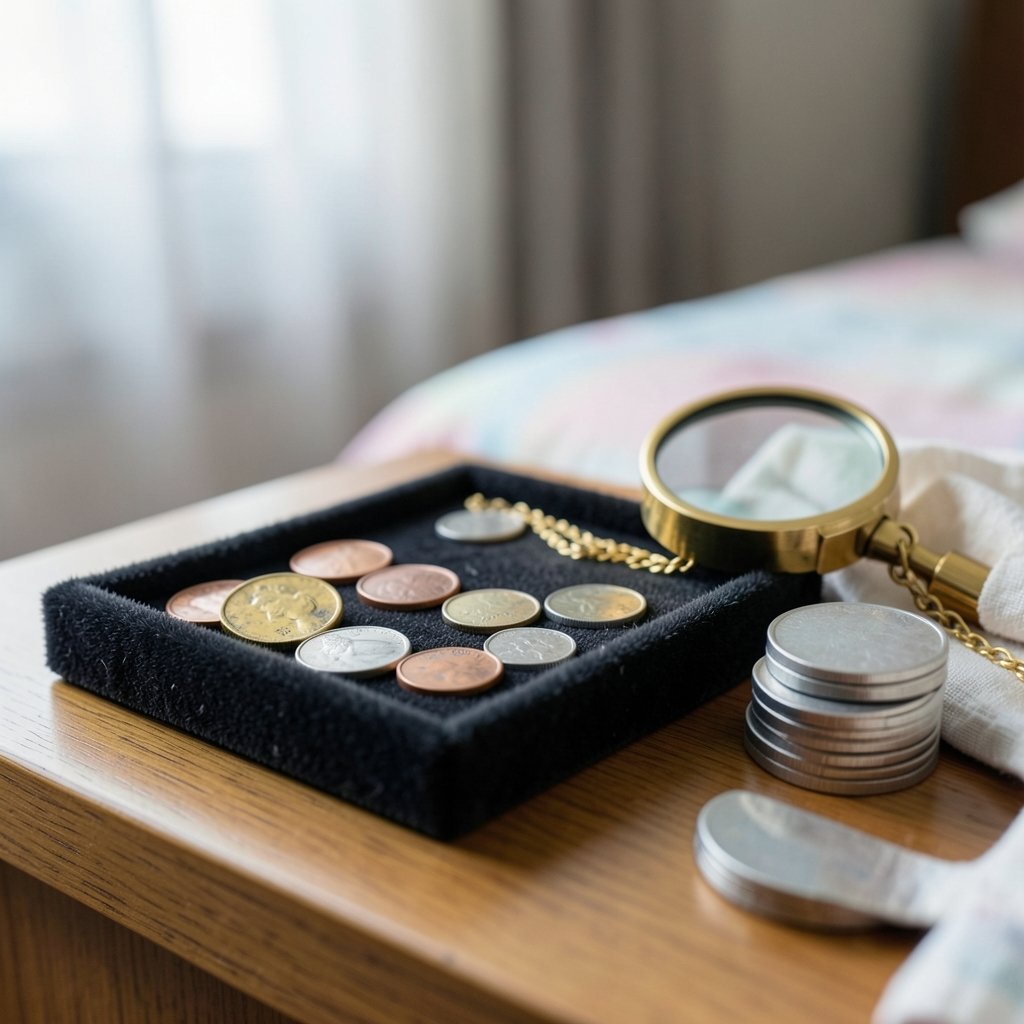
Have you ever emptied a jar of loose change and wondered if one of those dull pennies or worn dimes could be worth thousands? It is a fantasy almost everyone has had, and the internet feeds it daily with headlines about pocket change sold for six figures. The truth is stranger and more useful than the hype. A handful of coins really are worth serious money, but the reasons they are valuable rarely match what people expect, and the coins most often described as “rare” are usually worth face value or a few dollars at most. (Best games nintendo switch 2 whats worth your time money)
This guide cuts through the noise. It explains which coins genuinely command high prices, why grading and authentication matter more than age, how counterfeits flood the market, and what a realistic path looks like for someone who wants to check a collection without getting burned.
Why “Old” and “Rare” Are Not the Same Thing
The single biggest mistake people make is assuming age equals value. A 1910 penny is over a century old, yet millions were struck and most survive in worn condition. Meanwhile, a 1943 copper cent is worth a fortune precisely because almost none were supposed to exist.
Value comes from a mix of four factors: rarity (how few exist), grade (condition), authenticity (is it genuine), and demand (do collectors want it right now). A coin can be rare but unwanted, or common but wildly popular. The market prices all four together, and no single factor guarantees a payday.
There is also a subtle trap: the date on a coin does not always match the year it was made. The famous 1804 silver dollar is the classic example. Coins bearing that date were actually struck later, in the 1830s and beyond, as diplomatic gifts and for collectors. Anyone who assumes “dated 1804 means made in 1804” misunderstands the object entirely.
The Coins That Genuinely Command Big Money
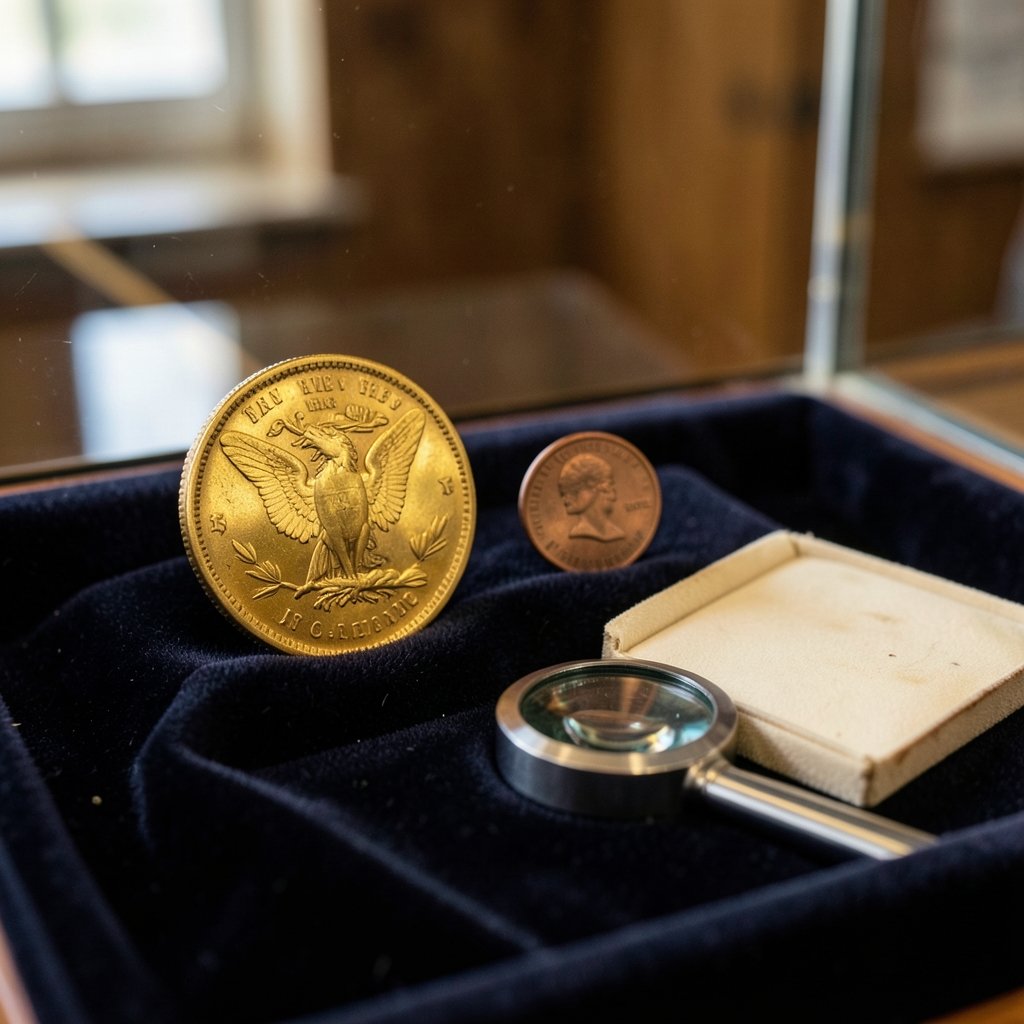
A small group of American coins dominates the record books. These are the ones auction houses and major collections fight over.
The 1933 Saint-Gaudens Double Eagle
This $20 gold piece is the most famous American rarity. The Mint struck the coins but never legally released them, and most were melted down. One example was legally sold at auction in 2002 for $7.59 million. Ownership of surviving examples remains legally fraught because the government has asserted claims to them, which is why this coin sits in a category of its own. The official background on the coin’s history and legal status is worth reading before you assume any gold piece with that date is a jackpot. (Coin)
The 1943 Copper Cent and 1944 Steel Cent
In 1943, the Mint switched to zinc-coated steel cents to save copper for the war effort. A few copper planchets slipped through by mistake, and those error coins became legendary. In 1944, the reverse happened: a small number of steel cents were struck when copper was supposed to return. Both are heavily counterfeited, so authentication is everything. If someone offers you a “copper 1943,” assume it is fake until a professional says otherwise.
The 1955 Doubled Die Lincoln Cent
A misaligned die produced clearly doubled lettering and date on this cent, making it one of the most recognizable American error coins. It is not the rarest coin on this list, but it is famous, and fame drives demand. Collectors pay real money for examples with clear doubling.
The 1909-S VDB Lincoln Cent
Only a small number were struck at the San Francisco Mint before designer Victor D. Brenner’s initials were removed from the coin. That short production window turned it into a key date that collectors chase relentlessly.
The 1916-D Mercury Dime
Struck only at the Denver Mint in 1916, this is the scarcest regular-issue Mercury dime. It anchors many Mercury dime collections, and even well-worn examples trade at meaningful prices.
| Coin | Why It Matters | What to Watch For |
|---|---|---|
| 1933 Saint-Gaudens double eagle | Never legally released; most melted | Legal ownership issues; extreme rarity |
| 1943 copper cent | Wrong metal struck by mistake | Rampant counterfeits and copper-plated fakes |
| 1944 steel cent | Wrong metal again, in reverse | Magnets and plating tricks fool beginners |
| 1955 doubled die cent | Dramatic doubled lettering and date | Altered or tooled copies |
| 1909-S VDB cent | Short mintage before initials removed | Added mint marks |
| 1916-D Mercury dime | Scarcest regular-issue Mercury dime | Altered dates and mint marks |
Grading: The Number That Changes Everything
Two identical-looking coins can differ in value by a factor of ten or more based on grade. American coins are graded on the 70-point Sheldon scale, where 1 is barely identifiable and 70 is flawless. A coin graded 65 is worth far more than the same coin graded 45, even though both look “nice” to an untrained eye.
Third-party grading services encapsulate and certify coins, assigning a grade and confirming authenticity. That plastic holder is not decoration; it is the difference between a buyer trusting the coin and walking away. Learning how the Sheldon scale and certification work is one of the highest-return investments a new collector can make.
Here is the practical version: a raw, ungraded key date might sell for a fraction of its certified price because buyers discount for risk. If you inherit a valuable coin, do not clean it, do not polish it, and do not carry it around in your pocket. Handle it by the edges, store it properly, and get it graded before selling.
Counterfeits, Altered Coins, and the Tricks That Fool Beginners
The rare coin market attracts fraud the way a picnic attracts ants. Three scams dominate.
Cast and plated fakes. Counterfeiters cast copies in molds or plate cheap coins with a thin layer of the right metal. A copper-plated steel cent can pass a casual glance, but a magnet will catch many fakes instantly. Genuine 1943 steel cents stick to magnets; genuine copper ones do not.
Altered dates and mint marks. A common date gets tooled into a rare one, or a mint mark is added to a coin that never had one. Under magnification, the altered area usually looks wrong: different texture, soft edges, or a seam.
Misleading “estate sale” stories. A convincing backstory is not provenance. Real provenance means documentation, auction records, or a paper trail.
Gift card and wire-transfer scams have a cousin in coin dealing: pressure to buy fast, before “someone else grabs it.” Legitimate dealers expect you to take your time. If a seller refuses authentication or grading, that is your answer. The same caution that protects you from a gift card scam that leaves victims rarely getting their money back applies here: once money moves, recovery is nearly impossible.
What Actually Works When You Check a Collection
Practical experience beats theory here. People who do well with inherited or found coins follow a boring, methodical process.
- Sort by denomination and date first. Do not research one coin at a time before you know what you have. Pull out anything with an unusual date, mint mark, or appearance.
- Check the mint mark. On most U.S. coins it sits on the reverse or below the date. A tiny letter can multiply value.
- Weigh and magnet-test suspicious coins. A cheap digital scale and a magnet catch many fakes in seconds.
- Look up mintage figures, not prices, first. Low mintage is a signal to investigate further; it is not a price tag.
- Do not clean anything. Cleaning strips original surfaces and can cut value by half or more.
- Get key candidates graded. Spend money on certification only for coins that plausibly justify the fee.
- Compare sold prices, not asking prices. What a coin actually sold for matters; what a seller hopes to get does not.
The most common mistake is spending hours researching common coins while missing the one key date sitting in the same box. Another is trusting a single online price guide. Auction results vary by sale, and record-price claims should be checked against the auction house’s own published results, not secondary summaries that often garble the numbers.
Where the Realistic Money Is
Most “rare coin” finds are worth face value or a few dollars. That is not pessimism; it is what the numbers say. The realistic wins for beginners are modest but real: a worn key date worth $30, a silver dime worth a couple of dollars for its metal content, a nice error coin worth $50 to a specialist.
Big money requires either genuine rarity or exceptional condition, and both are uncommon by definition. If you want to collect for value rather than thrill, focus on certified key dates and learn one series deeply instead of dabbling across dozens. Specialists consistently outperform generalists because they recognize varieties and spot fakes that others miss.
It also helps to understand what you are actually buying. A coin is a small piece of history with a market price attached, and the market rewards knowledge. The same discipline that makes budgeting tools useful, like understanding the difference between zero-based budgeting and net worth tracking, applies to collecting: know your numbers before you commit money. Hobby spending deserves the same scrutiny as any other purchase, whether you are weighing a subscription’s real cost or deciding if a game pass is worth it.
For younger collectors or families, the entry point matters. A tablet or a budget console can be a better first purchase than an expensive slabbed coin, and knowing what is worth buying for everyday use keeps enthusiasm alive without burning cash. The point is to enjoy the hunt while keeping expectations grounded.
Conclusion
Rare coins worth money do exist, and some are worth millions. But the path to finding them runs through grading, authentication, and honest research rather than wishful thinking. The 1933 double eagle, the 1943 copper cent, and the 1916-D dime are real rarities with real markets behind them. The coin in your junk drawer almost certainly is not.
Treat every promising find with skepticism, get key candidates certified, never clean a coin, and compare sold prices instead of asking prices. Do that, and you will avoid the two classic outcomes: getting scammed on a fake, or selling a genuine rarity for a fraction of its value because you did not know what you had. The hobby rewards patience, and the knowledge you build is worth more than any single coin.
FAQ
Are rare coins worth money if they are worn and damaged?
Sometimes, but far less than people hope. Grade drives value, so a heavily worn key date still has value because of its rarity, while a worn common coin is worth face value. Damage like scratches, cleaning, or bent edges can cut value dramatically even on genuinely rare pieces.
How can I tell if a rare coin is fake?
Start with a magnet and a scale, then look under magnification for soft details, seams, or altered dates. Copper-plated steel cents stick to magnets, and tooled mint marks look textured or uneven. The only reliable answer for a valuable coin is professional authentication and grading by a third-party service.
Is the 1943 copper penny real?
Yes, a small number exist as genuine Mint errors, but the vast majority of “1943 copper pennies” offered for sale are fakes or plated copies. Because the coin is so famous, counterfeits are extremely common. Never buy one without certification from a reputable grading service.
Does cleaning a coin hurt its value?
Yes, badly. Cleaning strips the original surface and leaves hairlines and unnatural color that graders detect immediately. A cleaned coin can lose half its value or more compared with an uncleaned example in the same grade. Leave coins exactly as you found them.
What is the Sheldon scale, and why does it matter?
The Sheldon scale grades U.S. coins from 1 to 70, with 70 being flawless. It matters because small grade differences translate into large price differences, especially for key dates. A certified grade also confirms authenticity, which is why graded coins sell for more than raw ones.
Should I buy rare coins as an investment?
Only with realistic expectations. Coins can hold and grow value, but the market is illiquid, prices fluctuate with demand, and fakes and altered pieces are common. Buy certified coins, specialize in one series, and treat collecting as a hobby with potential upside rather than a guaranteed investment.



