

Can a penny in your pocket really be worth more than a car? Yes, occasionally. But the gap between a chart of rare pennies worth money and the coin rattling in your junk drawer is enormous, and understanding that gap is the whole game. This guide walks through the most famous rare Lincoln cents, explains how price charts are built, and shows why the number you see is rarely the number you get.
Why a Price Chart Is Only a Starting Point
A chart of valuable pennies looks thrilling. Rows of dates, mint marks, and four- and five-figure values suggest treasure is everywhere. In reality, a chart is a snapshot of catalog estimates for coins in a specific grade. Those estimates are dealer and guide opinions, not guaranteed sale prices.
The single biggest mistake beginners make is reading a chart as a price list for any coin with that date. A 1909-S VDB in heavily worn condition is worth a fraction of the same coin in mint state. A cleaned coin can lose most of its value overnight. Grade, authenticity, and eye appeal drive price far more than the date alone. (Penny (United States coin)))
The second common mistake is buying raw coins at rarity prices from unfamiliar sellers. Counterfeits and altered dates are the main risk in this hobby. Plating a steel 1943 cent to look bronze, shaving a digit off a date, or adding a mint mark are old tricks that still work on inexperienced buyers.
The Famous Rarities, Explained
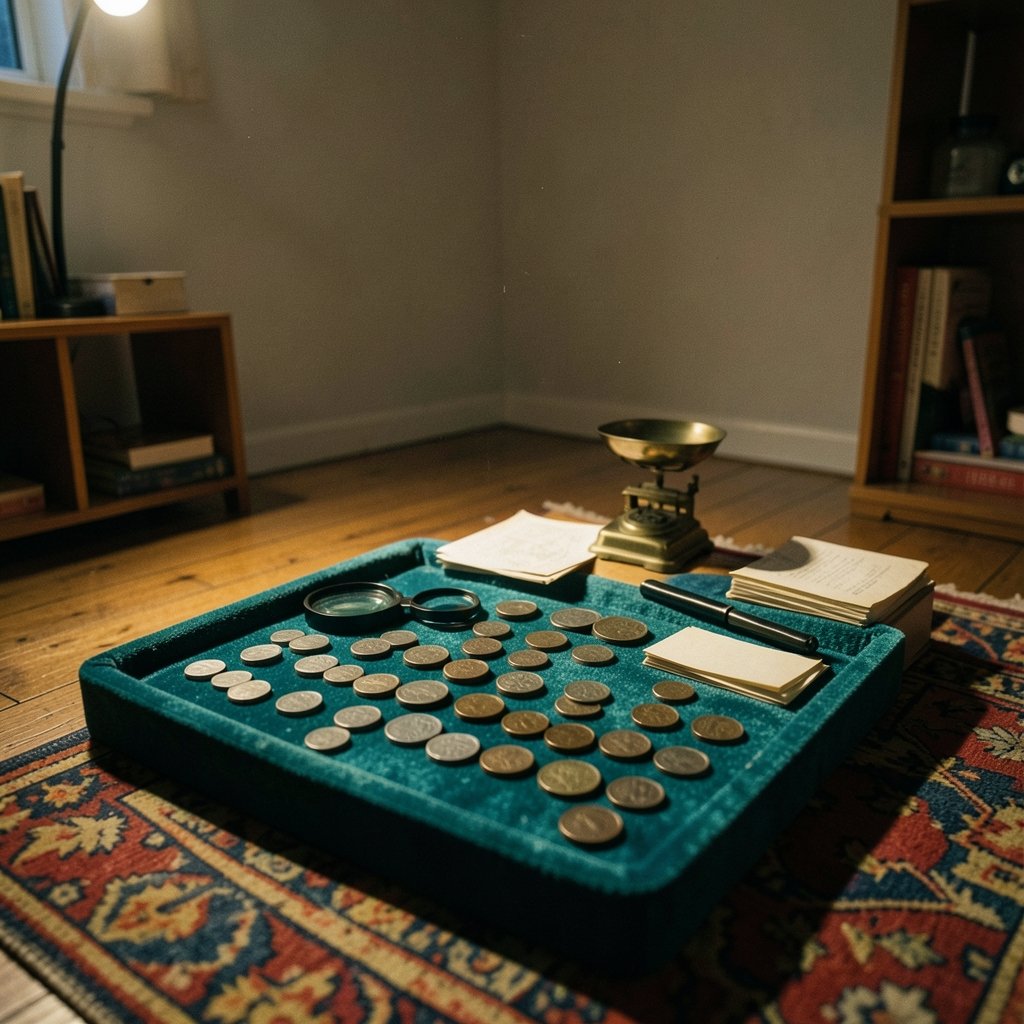
The 1943 Bronze Cent
In 1943, the U.S. Mint struck cents in zinc-coated steel to save copper for the war effort. A small number of bronze cents from that year exist anyway, apparently struck in error. They are among the most famous and most counterfeited U.S. coins, and no official mintage figure exists. Estimates vary widely, so treat any specific number you see online with suspicion.
A 1943-D bronze cent sold for about $1.7 million in 2010, reportedly the highest price paid for a Lincoln cent at that time. That is a record at that date, not a current market value.
The 1909-S VDB
This is the key-date “regular” rarity. Only 484,000 were struck before designer Victor D. Brenner’s initials were removed from the reverse. That mintage figure is widely cited and consistent across standard references, which makes it one of the few numbers you can trust.
The 1955 Double Die
A misaligned die produced clearly doubled date and lettering. The 1955 doubled die is common enough to be collectible at moderate prices but famous enough to drive many fakes. It is the coin most likely to appear in a beginner’s collection.
The 1944 Steel Cent
The mirror image of the 1943 error. A few steel planchets were left over and struck in 1944, when bronze had resumed. Rare and heavily counterfeited.
The 1969-S and 1972 Doubled Dies
The 1969-S doubled die is a major rarity, and many altered coins are sold as genuine. The 1972 doubled die is the common “gateway” error: relatively plentiful and affordable, which makes it a frequent entry point for new collectors.
The 1982 Composition Split
In 1982 the Mint changed from 95% copper to copper-plated zinc. Both types exist for that year, and the copper version carries a premium. It is the easiest “rare” penny to find in circulation, and the most overhyped.
A Practical Comparison Table
| Coin | Why It Matters | Rough Scarcity | Counterfeit Risk |
|---|---|---|---|
| 1943 bronze | Wartime error | Very rare, unverified mintage | Very high |
| 1943-D bronze | Top auction record | Extremely rare | Very high |
| 1909-S VDB | Key date, low mintage | 484,000 struck | Moderate |
| 1944 steel | Leftover planchet error | Very rare | Very high |
| 1955 double die | Famous doubled die | Scarce but findable | High |
| 1969-S double die | Major doubled die | Rare | High |
| 1972 double die | Affordable entry error | Plentiful | Moderate |
| 1982 copper | Composition change | Common | Low |
Notice that the table says nothing about price. That is deliberate. Prices move, and any chart you find is dated the moment it is printed.
How Grading Changes Everything
Coin grading is a standardized judgment of condition, usually on a 1-to-70 scale. The difference between a coin graded 12 and one graded 65 can be a hundredfold in value. That is why serious buyers insist on certified coins: sealed in a holder by a recognized grading service, with a unique serial number.
If you want to understand the method behind those holders, the grading standards themselves are published and worth reading before you spend real money. Learning how graders evaluate strike, surface, and luster will make you a far better buyer than memorizing a price chart ever will.
Practical tip: never crack a certified coin out of its holder to “clean it up.” Cleaning destroys value, and once a coin is out of the holder, its grade is no longer guaranteed.
The Real-World Workflow for Checking a Penny
Here is what actually works when you find a promising coin.
- Read the date and mint mark carefully. Use a loupe. Altered dates often show tooling marks or an odd-shaped digit.
- Check the weight. A genuine 1943 steel cent and a plated bronze cent weigh differently. A cheap digital scale settles many arguments.
- Test with a magnet. Steel cents stick to a magnet; bronze ones do not. This single test catches a large share of fakes.
- Compare lettering and date shape against a known genuine example of the same date.
- Look for the mint mark’s position. Added mint marks are often slightly misplaced or the wrong style.
- Get a second opinion before paying rarity prices or accepting a big offer.
That last step matters more than any chart. Authentication is cheap compared with the cost of a mistake.
Where the Money Actually Goes
If you are thinking about rare pennies as an investment, be honest about the costs. Auction premiums, shipping, insurance, and grading fees all eat into returns. A coin that “books” at a thousand dollars might sell for considerably less on a given day, and liquidity is thin. Collectors who do well tend to buy the best example they can afford of a coin they genuinely like, not the cheapest example of a coin a chart told them to want.
The same discipline applies to other collectibles and hobby purchases. If you are weighing whether a splurge is worth it, the same logic that governs a Nintendo Switch 2 game library applies to coins: value comes from what you will actually use and enjoy, not from a list price. Budgeting tools help too, and a comparison of YNAB versus Monarch for zero-based budgeting is a reasonable place to start if you want a hobby fund that does not wreck your monthly plan.
Common Myths That Cost People Money
Myth: If it is old, it is valuable. Age means little. Millions of worn wheat cents from the 1940s are worth a few cents each.
Myth: A chart price is what a dealer will pay. Dealers buy at wholesale, often well below catalog values, because they carry inventory risk.
Myth: Errors are always valuable. Minor anomalies are common. Only well-known, cataloged errors command premiums.
Myth: You can spot a fake by look alone. Some alterations are excellent. Weight, magnetism, and certification catch what eyes miss.
There is a broader lesson here about anything that promises easy money. Scams thrive where hope outruns verification, and the pattern shows up far beyond coins. Understanding how gift card scams work and why victims rarely get their money back is a useful reminder that urgency plus a “can’t-miss” story is the oldest red flag there is.
What About Inherited Collections?
A relative’s coin jar is where most people first meet this hobby. Sort first by date and mint mark, set aside anything on the famous list, and resist the urge to polish anything. Old albums and paper rolls often protect coins well; cardboard flips stapled too tightly can scratch surfaces.
If the collection is large, a single appraisal fee is usually money well spent. Ask for a written inventory with grades, and get a second quote if the offer is significant. Never sell a whole collection in one lot without knowing what the key dates are.
Should You Bother Looking?
Yes, with realistic expectations. The odds of finding a 1943 bronze cent in pocket change are vanishingly small. The odds of finding interesting wheat cents, a 1972 doubled die, or a 1982 copper cent are decent, and the hunt itself is free. Treat it as a hobby with a lottery ticket attached, not a retirement plan.
If you want to go further, the U.S. Mint publishes beginner guidance on grading and authentication that is genuinely useful and free. Combine that with a loupe, a scale, and a magnet, and you will already be ahead of most casual hunters.
Conclusion
A chart of rare pennies worth money is a map, not a treasure chest. It shows you which dates and errors collectors care about: the 1943 bronze, the 1909-S VDB, the 1955 double die, the 1944 steel, the 1969-S and 1972 doubled dies, and the 1982 copper split. What it cannot show you is the condition of the specific coin in your hand, and condition is where nearly all the value lives. Learn to grade, verify authenticity before you pay, and keep your expectations grounded. The people who do best in this hobby are the ones who enjoy the search and refuse to let a headline number do their thinking for them.
FAQ
Are rare pennies actually worth money?
Some are, but far fewer than charts suggest. A handful of famous errors and key dates command serious prices, while millions of ordinary old pennies are worth a few cents each. Condition and authenticity decide value, not age.
What is the most valuable penny ever sold?
A 1943-D bronze cent sold for about $1.7 million in 2010, reportedly the highest price paid for a Lincoln cent at that time. Treat that as a historical record, not a current market quote.
How can I tell if my 1943 penny is real?
Use a magnet and a scale. Genuine 1943 cents are steel and stick to a magnet; bronze error coins do not. Fakes are often plated steel or altered bronze, so weight and magnetism catch many of them. Certification settles it.
Is the 1909-S VDB really rare?
Yes. Only 484,000 were struck before the designer’s initials were removed, a figure that is consistent across standard references. It is the best-known key date among regular-issue Lincoln cents.
Should I clean an old penny before selling it?
No. Cleaning strips the original surface and can cut value dramatically. Leave the coin as it is and let a grader or buyer assess it in its natural state.
How do I start collecting rare pennies without losing money?
Buy certified coins from established dealers, learn basic grading first, and budget a fixed amount you can afford to lose. Get a second opinion before any large purchase, and never pay rarity prices for a raw, unverified coin.
Final Word on Charts and Charts-to-Come
One last caution: charts age quickly, and the numbers in them rarely reflect what a dealer will actually pay on the day you walk in. Use them to identify which coins matter, then verify condition and authenticity yourself. A dated chart is a starting point, never a verdict—and the coin in your hand always gets the final say.



