
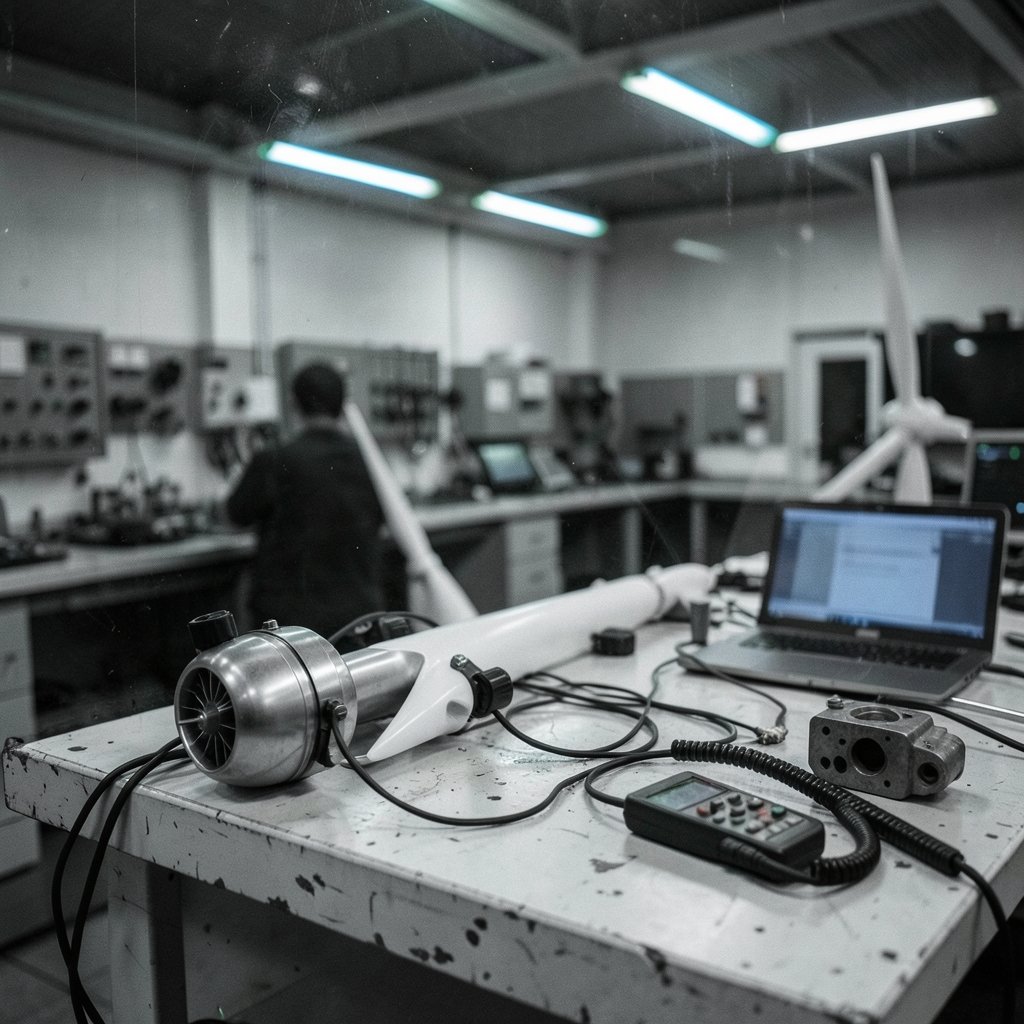
Quick Answer: What are some real world examples of digital twins in simple terms?
A digital twin is a live virtual copy of a physical object, fed by real sensor data, so people can watch and test it without touching the real thing. You can find working examples in jet engines, wind turbines, factories, buildings, city planning, and even hospital research. The same idea shows up in everyday consumer decisions too, where comparing specs and costs online works a little like running a twin before you buy.
The difference from a plain 3D model or a simulation is the live data feed: a model that never updates is a picture, while a twin keeps changing as the real object changes. Before trusting any example, check what data feeds it, how often it updates, who owns and secures that data, what decisions it actually supports, and whether it is a deployed system or just a pilot.
A Virtual Copy That Saves Real Money
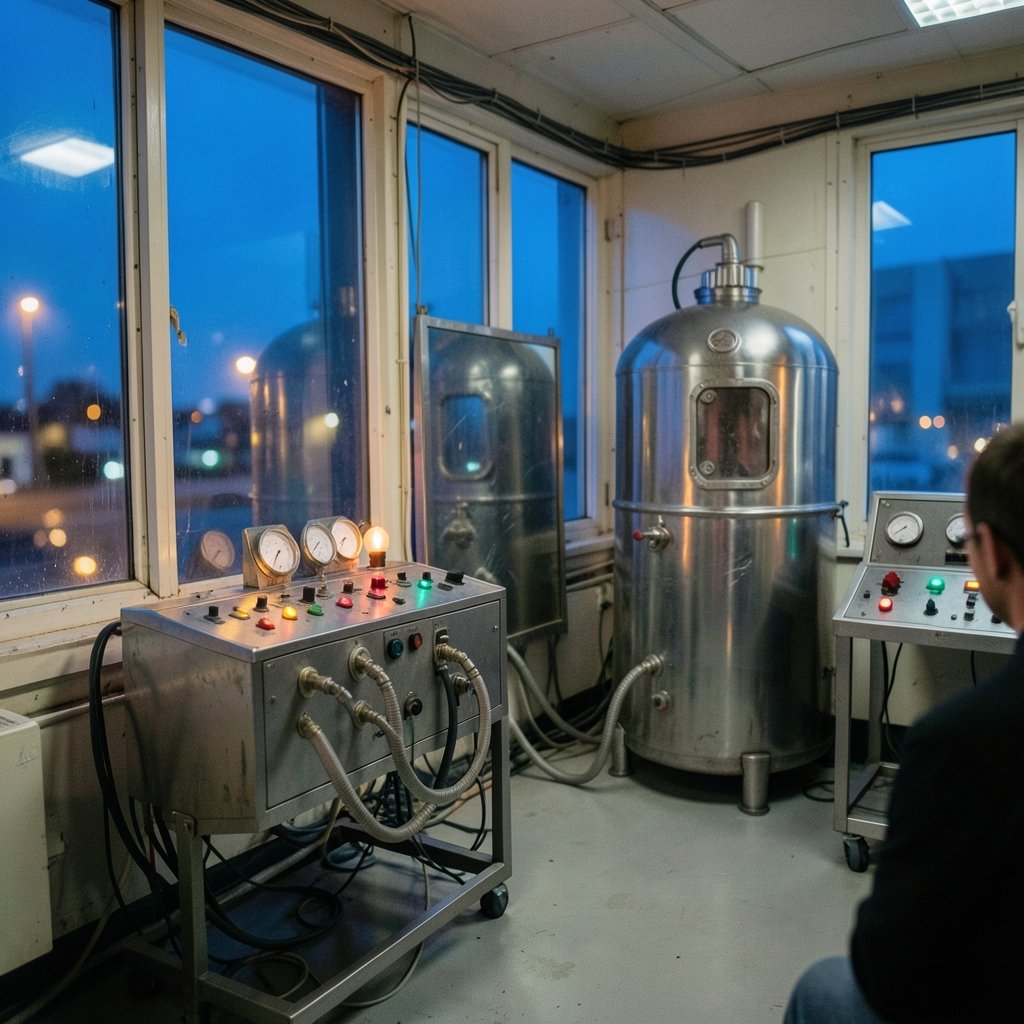
In 1970, when an oxygen tank exploded on Apollo 13, engineers on the ground had no way to touch the spacecraft. So they rebuilt the problem on the ground, running the same scenarios through simulators and mirrored configurations until they found a fix that brought the crew home. Nobody called it a “digital twin” back then. The label came decades later, but the idea was already alive: build a copy, break the copy, learn something the real thing can’t safely tell you.
Today that idea runs jet engines, wind farms, factories, and whole cities. This guide walks through real examples in plain language, explains what separates a true digital twin from a fancy 3D picture, and flags the mistakes people make when they hear the term in a sales pitch.
First, What Counts as a Digital Twin?
A digital twin is a virtual model of a physical thing that stays connected to it through data. Sensors on the real object send readings to the model, and the model updates as the object changes. Engineers, operators, or planners then use that model to monitor, predict, and test.
Three pieces have to be present:
- A physical object — an engine, a building, a turbine, a factory line.
- A virtual model of that object, built with enough detail to be useful.
- A live data connection between the two, so the model reflects what is actually happening.
The term itself is widely credited to Michael Grieves, who introduced it in a 2002 presentation on product lifecycle management. Similar language appeared from NASA’s John Vickers around 2010. The Apollo 13 story is often told as the origin, but it’s a retrospective framing rather than a term anyone used at the time. It’s a useful story, not a precise history.
The distinction matters in practice. A CAD drawing of a pump is a model. A CAD drawing that updates every minute with the pump’s temperature, vibration, and flow rate is a twin. One is a snapshot; the other is a conversation.
Jet Engines That Warn You Before They Break
Jet engines are one of the best-documented examples. Engine makers build a digital model of each individual engine and feed it with performance data from flights. The model tracks wear, flags parts that are drifting out of normal range, and helps schedule maintenance before a failure happens.
Rolls-Royce’s TotalCare service model is the commonly cited case: instead of selling an engine and walking away, the company keeps a data connection to it and charges for outcomes like uptime. That only works if you can see the engine’s condition remotely, which is exactly what a twin provides.
Why it matters in plain terms: an aircraft on the ground costs money every hour. If maintenance can be planned around actual wear instead of a fixed calendar, planes fly more and break less. The twin is the tool that makes that possible.
Wind Turbines and the Cost of a Bad Guess
Wind turbines sit in places that are expensive to reach. A technician climbing a tower in bad weather is slow, costly, and sometimes dangerous. So manufacturers build digital models of individual turbines using sensor data, then use those models to predict maintenance needs and adjust how the turbine performs.
The logic is simple. If the twin says a gearbox is trending toward trouble, you schedule a visit on a calm day with the right parts on the truck. If it says everything is fine, you skip the trip. Multiply that across hundreds of turbines and the savings add up fast.
There’s a practical lesson here for anyone evaluating these systems: the value comes from the decisions the twin changes, not from the dashboard. A beautiful visualization that nobody acts on is just an expensive screensaver.
Factories That Test Changes Before Making Them
Manufacturers use digital twins for both products and production lines. Siemens and other industrial software vendors market twin tools for factories, letting engineers simulate a change — a new machine layout, a different production speed, a revised schedule — before committing to it on the floor.
This is where the everyday comparison gets useful. If you’ve ever compared two versions of a product online before buying, you’ve done a small version of the same thing. People weighing a PS5 disc vs digital price difference, or checking the PS5 disk vs digital price gap across retailers, are running a cheap simulation of a purchase decision. The factory twin does the same job at industrial scale: test the change in the copy, then commit in the real world. (Digital twin)
The common mistake in manufacturing is treating the twin as an IT project. It works best when the people who run the line help design it, because they know which variables actually matter.
Buildings and Entire Cities
Singapore’s Virtual Singapore project, announced around 2014 and developed through the 2010s by the National Research Foundation, is a 3D city model used for planning and simulation. Planners can test how a new building affects sunlight, wind, or traffic before anything is built.
Building-level twins work the same way at smaller scale. A large office tower can have a model fed by data from its heating, cooling, and lighting systems. Facility managers use it to spot wasted energy, test a schedule change, or plan maintenance.
Many city and infrastructure twin projects are still pilots rather than finished systems, so it’s worth checking the current status before citing one as a working example. The direction is clear, though: cities are becoming instrumented, and the twin is how that data gets turned into decisions.
Healthcare: Promising but Early
Digital twin models of organs and patients are an active research area. Cardiac modeling is a common example: researchers build a model of a specific heart, feed it patient data, and test treatment options on the model.
Be careful with this one. Most of these are research-stage, not routine clinical tools. You won’t walk into a hospital and get a full digital twin of yourself as standard care. The research is real and the direction is promising, but the gap between a published study and a deployed clinical product is wide.
Consumer Decisions: Twins You Already Use
The same pattern shows up in everyday choices. Comparing lease terms across vehicles is a low-stakes version of running a model before committing. Someone weighing a Ram truck lease deals comparison, or checking Honda Prologue lease deals against Hyundai Ioniq 5 lease deals, is testing scenarios — monthly cost, term length, mileage — before signing anything.
The parallel isn’t perfect, since a spreadsheet isn’t fed by live sensor data. But the underlying habit is the same: model the decision, compare the outcomes, then act. That habit is also useful for managing the data trail these systems create, which is why guidance on how to reduce your digital footprint pairs naturally with understanding how twins collect and store information.
A Quick Comparison of the Main Examples
| Example | What the twin copies | Main benefit | Maturity |
|---|---|---|---|
| Jet engines | An individual engine | Predict maintenance, reduce downtime | Deployed widely |
| Wind turbines | A single turbine | Plan service visits, tune output | Deployed widely |
| Factories | A product or production line | Test changes before committing | Deployed widely |
| Buildings | A tower’s systems | Cut energy waste, plan maintenance | Common |
| Cities | A whole urban area | Test planning scenarios | Often pilots |
| Healthcare | An organ or patient | Test treatment options | Research stage |
How to Spot a Real Twin From a Sales Slide
Vendors use the term loosely. Here’s what actually separates a working twin from marketing.
Check the data feed. Ask what sensors feed the model and how often. If the answer is “we update it quarterly,” you have a model, not a twin.
Ask what decision it changes. A twin should change a maintenance schedule, a design choice, or a plan. If nobody can name the decision, the value is unclear.
Look for the physical anchor. Every twin maps to one specific object, not a generic product category. A twin of “a turbine model” is different from a twin of “turbine number 47 at this site.”
Check who owns the data. In engine and turbine deals, the manufacturer often holds the data connection. That relationship is commercial as well as technical, and it should be negotiated as such.
Confirm it’s deployed. Many impressive examples in press releases are pilots. Ask for a reference customer running it in production.
Common Mistakes People Make
The first mistake is confusing a 3D visualization with a twin. A pretty model that doesn’t update is a rendering.
The second is skipping the people who run the asset. Twins fail when the operators weren’t involved in building them, because the model tracks what engineers find interesting rather than what operators need to decide.
The third is ignoring data quality. A twin fed by drifting sensors produces confident, wrong answers, which is worse than no answer at all.
The fourth is assuming twins are only for giant companies. The cost of sensors and cloud storage has fallen far enough that mid-sized operations can run useful twins on a single production line or building. Start small, prove the decision value, then expand.
The fifth is forgetting security. A twin is a live connection into a physical asset, and that connection needs protecting just like any other system. If you’re mapping out where your data lives, resources on how to reduce your digital footprint offer a useful starting frame for thinking about what you expose and to whom.
Where the Idea Is Heading
The pattern across every example is the same: copy the physical thing, connect it with data, and use the copy to make better decisions than guesswork allows. Jet engines and wind turbines show it working at industrial scale. Factories and buildings show it working at commercial scale. Cities and healthcare show where it’s heading, with the honest caveat that many of those projects are still pilots or research.
For anyone evaluating the technology, the practical advice is unglamorous. Ask what data feeds the model, what decision it changes, and whether it’s actually running. Those three questions separate the real examples from the slides. And if you want a low-stakes way to practice the same thinking, comparing options before a purchase — whether a lease, a console, or a piece of equipment — builds exactly the habit that makes twins useful: model first, then commit.
Conclusion
Digital twins aren’t science fiction, and they aren’t a single product. They’re a pattern: a live virtual copy of a physical thing, fed by real data, used to decide something. Jet engines, wind turbines, factories, buildings, and city planning all show the pattern at work today. Healthcare shows where it’s going, with the caveat that most of it is still research.
The term’s history is messier than the marketing suggests. Apollo 13 is a good story, not a precise origin. Michael Grieves gets credit for the label in 2002, and the concept only became practical once sensors and cheap computing caught up. What matters for anyone evaluating a twin today is simpler than the history: check the data feed, name the decision it changes, and confirm it’s actually deployed. Do that, and you’ll separate the working examples from the slides every time.
Frequently Asked Questions
What is the difference between a digital twin and a simulation?
A simulation usually runs a scenario once and stops. A digital twin stays connected to a live physical object and keeps updating as that object changes. The live data connection is the dividing line. A simulation asks “what if?” A twin asks “what now?”
Do digital twins only exist for big industrial machines?
No. The best-documented examples are industrial because the savings are easy to measure, but twins also run on buildings, power grids, and individual production lines. Falling sensor and storage costs have made smaller deployments practical. The limiting factor is usually the decision value, not the technology.
Was Apollo 13 really the first digital twin?
Not literally. Engineers used physical simulators and mirrored spacecraft setups to troubleshoot the mission, which resembles the idea but predates the term by decades. The “digital twin” label came later, and the concept is generally credited to Michael Grieves in 2002. Apollo 13 is a useful illustration, not a precise origin.
How much does a digital twin cost to build?
Costs vary enormously by scope. A twin of a single machine can be built with off-the-shelf sensors and cloud software, while a city-scale project runs into millions. The practical approach is to start with one asset, prove the decision value, then expand. Most failed projects started too big.
Are digital twins safe to use?
They’re as safe as their data and their security. A twin is a live connection into a physical asset, so it needs protection like any other system. Poor sensor data is the bigger everyday risk, because a twin fed bad readings produces confident, wrong answers that people then act on.
Can a small business use a digital twin?
Yes, within limits. A single production line, a cold storage unit, or one building can be modeled affordably with basic sensors and cloud tools. The key is picking an asset where a better decision — maintenance timing, energy use, capacity planning — is worth more than the setup cost.



