
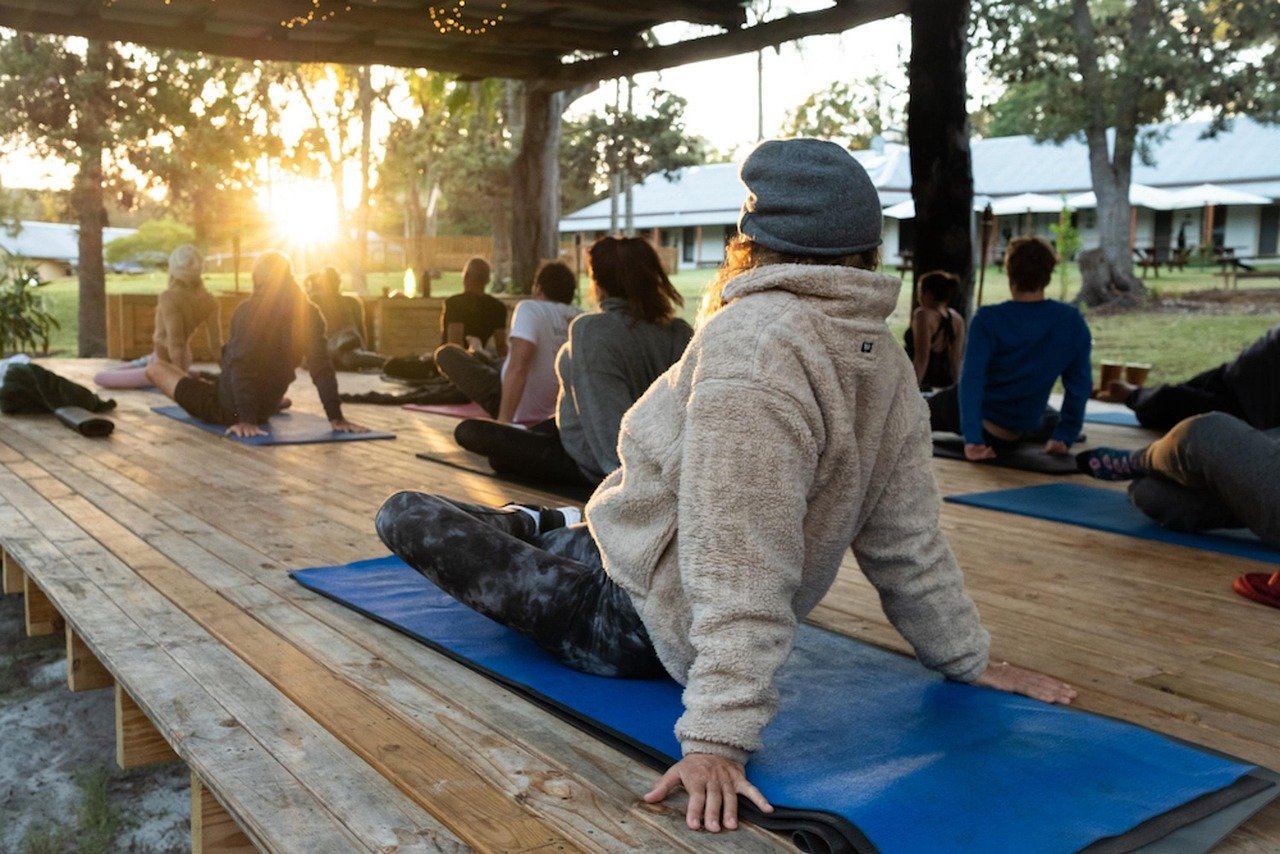
When did you last feel truly relaxed—calm in your body rather than merely distracted from stress? For many people, the honest answer is “I can’t remember.” Relaxation has become something we plan to do later, usually after the to-do list is finished, which means it never happens. Relaxation is a skill with real techniques behind it, not a personality trait you either have or lack. Most of those techniques take less than five minutes and cost nothing. (Relaxation technique)
This guide covers what relaxation actually is, which methods have evidence behind them, how to build a practice that survives a busy week, and the mistakes that quietly sabotage most attempts.
What Relaxation Actually Is
Relaxation is not the same as doing nothing. It is a measurable shift in your nervous system, away from the sympathetic branch (the fight-or-flight response) and toward the parasympathetic branch, often called “rest and digest.” Heart rate slows, breathing deepens, muscles soften, and stress hormones settle.
That shift explains why scrolling on the couch does not count. Passive distraction can feel pleasant, but it does not reliably trigger the physiological change. Active techniques do, and they work best when they target the body directly rather than trying to talk the mind out of stress.
One useful rule: you cannot think your way into calm nearly as easily as you can breathe your way there. The body is the front door.
Start With Your Breath

Breathing is the fastest lever you have, because it is the one autonomic function you can control voluntarily. Slow, deliberate breathing at roughly six breaths per minute has been associated with increased heart-rate variability and stronger parasympathetic activity, according to a review of breath-control research published in Frontiers in Human Neuroscience. That is about one breath every ten seconds, with the exhale longer than the inhale.
A simple version anyone can do at a desk:
- Sit upright and let your shoulders drop.
- Inhale through the nose for about four seconds.
- Exhale slowly through the mouth for about six seconds.
- Repeat for two to five minutes.
If you want the most efficient option, try the physiological sigh: two inhales through the nose (one normal, one short top-up), then a long, complete exhale through the mouth. A small 2023 trial in Cell Reports Medicine found that a month of daily cyclic sighing, which emphasizes extended exhales, improved mood and lowered resting respiratory rate more than a mindfulness meditation program did. The sample was small, so treat it as promising rather than settled, but the practice is free and takes a minute.
The practical mistake here is trying too hard. Forcing huge breaths makes people dizzy and lightheaded, which reads as anxiety, not calm. Keep breaths quiet and comfortable, and stop if you feel faint.
Try Progressive Muscle Relaxation
Some people cannot settle because their bodies are physically braced and they do not notice. Progressive muscle relaxation (PMR) fixes that by making tension obvious. You tense a muscle group for about five seconds, notice the sensation, then release for ten to fifteen seconds and pay attention to the difference.
Work through the body in order: hands and forearms, upper arms, shoulders, face, neck, chest, stomach, thighs, calves, feet. A full sequence takes ten to fifteen minutes; a shortened version covering just hands, shoulders, face and legs takes about four.
A systematic review published in BMC Psychiatry found that PMR may reduce anxiety, though the quality of the underlying studies varied. That caveat matters. PMR is a reasonable self-care tool, not a guaranteed cure, and it tends to work better with regular practice than as a one-off rescue attempt.
Common mistake: rushing the release phase. The relaxation happens during the letting go, so give it twice as long as the tension.
Use Mindfulness Without the Mystique
Mindfulness gets marketed heavily, which makes some people tune out. Strip away the branding and it is simple: paying attention to the present moment without judging it. Mindfulness-based stress reduction (MBSR), developed by Jon Kabat-Zinn at the University of Massachusetts Medical School in 1979, is the structured eight-week version.
A meta-analysis in JAMA Internal Medicine found moderate evidence that mindfulness meditation programs improve anxiety, depression and pain, with weaker evidence for stress and quality of life. In plain terms: it helps, modestly, and it is not a replacement for treatment when something clinical is going on.
For beginners, a three-minute exercise works better than a 30-minute app session you will skip:
- Sit comfortably and close your eyes or soften your gaze.
- Spend one minute noticing what is happening, including any stress.
- Spend one minute narrowing attention to the breath.
- Spend one minute widening attention to the whole body and surroundings.
The mistake people make is expecting a blank mind. Thoughts will come. Noticing you drifted and returning is the exercise, not a failure of it.
Move Your Body, Preferably Outside
Exercise is one of the most reliable stress buffers available. The World Health Organization’s guidelines on physical activity recommend 150 to 300 minutes of moderate activity per week for adults and note mental-health benefits alongside the physical ones. A brisk walk counts. So does cycling to the shop.
Combining movement with green space may add something extra. A meta-analysis in Environmental Research found that green-space exposure was associated with lower cortisol and better well-being, though study designs varied widely. The practical takeaway is unglamorous: a 20-minute walk in a park after work will do more for your nervous system than an hour of scrolling.
If you are wound up and cannot settle, movement is often the better first move. Sitting still while agitated usually just gives the agitation room to grow.
Build a Wind-Down Routine for Sleep
Relaxation and sleep are linked but not identical. You can relax without sleeping, and you can sleep badly while tense. Still, the two reinforce each other, and the CDC’s guidance on how much sleep adults need notes that most adults require seven or more hours per night.
A wind-down routine signals to your body that the day is closing:
| Time before bed | Action |
|---|---|
| 90 minutes | Dim lights, stop work email |
| 60 minutes | Screens down or on night mode, light stretching or PMR |
| 30 minutes | Slow breathing, reading, or quiet conversation |
| 0 minutes | Cool, dark room, same bedtime as yesterday |
The most common mistake is treating the wind-down as optional on busy nights, which are exactly the nights it matters most. Keep it short enough to survive a late evening. Fifteen minutes done consistently beats an hour done twice a month.
Match the Technique to the Moment
Not every method fits every situation. A quick guide:
| Situation | Best first move |
|---|---|
| Acute spike of anger or panic | Physiological sigh or extended-exhale breathing |
| Restless, cannot sit still | Walk, preferably outdoors |
| Tense shoulders and jaw | Progressive muscle relaxation |
| Racing thoughts at night | Slow breathing plus a written brain dump |
| Low-grade, all-day stress | Short mindfulness pauses and regular exercise |
Trying to meditate when you are furious often backfires. Trying to sit still when you are buzzing usually fails. Match the tool to the state.
Why Most Relaxation Attempts Fail
Several patterns trip people up again and again.
Treating it as a reward. Relaxation scheduled only after everything is done never happens. Put it on the calendar like a meeting, ideally at a fixed time.
Going too big. A 45-minute routine feels impressive and gets abandoned by Thursday. Two minutes daily beats that.
Chasing the feeling. Relaxation is a side effect of the practice, not a target to force. Monitoring yourself for calm tends to produce the opposite.
Ignoring the physical basics. Caffeine after 2 p.m., skipped meals and a hot, bright bedroom will undercut any technique. Fix those first.
Expecting one session to fix months of stress. Effects build with repetition, and the evidence for most techniques points to small-to-moderate benefits that accumulate.
How to Make It Stick
Habit research consistently finds that tying a new behavior to an existing cue works better than relying on motivation. Attach breathing to your morning coffee, PMR to getting into bed, and a walk to the end of the workday. Keep a one-line log so you can see whether it is actually happening.
It also helps to lower the bar deliberately. A single physiological sigh before a difficult meeting is a legitimate practice. So is a two-minute breathing pause in the car before walking into the house. The goal is not a serene lifestyle; it is a nervous system that gets regular chances to reset.
When Relaxation Is Not Enough
Relaxation techniques are self-care tools, not treatment. If stress is interfering with work, sleep, relationships or appetite for weeks at a time, or if you feel persistently hopeless, that is a signal to talk to a doctor or mental-health professional. Techniques like breathing and PMR can sit alongside professional care, but they should not delay it.
For anyone building a broader routine around rest, recovery and calmer daily habits, more practical guidance is available at occcy.com.
Conclusion
Learning how to relax is less about finding a magic technique and more about building a small set of reliable ones. Slow breathing with long exhales, progressive muscle relaxation, brief mindfulness pauses, regular movement and a consistent wind-down routine cover most situations. None of them is dramatic. All of them work better when practiced before you desperately need them.
Start with one. Do it for two minutes today. Then do it again tomorrow. That is the whole method, and it is enough.
Frequently Asked Questions
What is the fastest way to relax in under a minute?
The physiological sigh is the quickest option for most people: two inhales through the nose followed by a long, slow exhale through the mouth, repeated three to five times. It targets the exhale, which is where the calming effect tends to live. It works in a meeting, a car or a queue, and nobody notices you are doing it.
Does deep breathing actually work, or is it a placebo?
It has measurable physiological effects. Slow breathing at around six breaths per minute has been linked to increased heart-rate variability and greater parasympathetic activity. That said, effect sizes in the research are generally small to moderate, and many studies are small. It is a real tool with modest, reliable benefits, not a miracle.
How long does it take to feel calmer with regular practice?
Most people notice something within the first session, even if it is just a slightly slower heart rate. Broader benefits, like a lower baseline of tension, usually take a few weeks of regular practice. Short daily sessions tend to outperform occasional long ones, both in research and in real life.
Can relaxation techniques help with anxiety?
They can help manage everyday anxiety and stress, and techniques like progressive muscle relaxation and mindfulness have evidence behind them for anxiety symptoms. They are not a substitute for treatment of an anxiety disorder. If anxiety is affecting daily life, a doctor or therapist should be part of the plan.
Is it better to relax alone or with other people?
It depends on what is winding you up. Solitude suits breathing, PMR and mindfulness, which need a little quiet. If stress comes from isolation or a racing mind, calm company, a walk with a friend or a relaxed shared meal can do more than any technique. Match the setting to the problem.
What should I do if I cannot switch off my thoughts?
Stop trying to stop them. Give the mind a small job instead, such as counting exhales to five and starting again, or naming five things you can see and four you can hear. Writing a quick brain dump of worries before bed also helps, because the mind tends to let go of what it has written down.



