

What happens when someone you care about is locked up, and the phone call ends with a request for twenty dollars for soap and stamps? Families across the country face that question every week, and the answer is rarely simple. You cannot just hand cash to a person behind glass or drop a twenty into an envelope and hope for the best. Money for an inmate moves through a system of trust accounts, commissary vendors, deposit limits, and fees that vary wildly from one facility to the next. (Commissary (prison store))
This guide walks through how the process actually works, where the money goes, what it costs, and the mistakes that trip up first-time senders.
Where the Money Actually Goes
The most important thing to understand is that you are not sending money to the inmate directly. You are depositing money into an account the facility controls on that person’s behalf. Most U.S. prisons and jails contract with a commissary or trust-account vendor to receive deposits, but the facility sets the rules. The vendor simply processes the payment.
That distinction matters because it explains almost every frustration people run into. When a deposit is rejected or delayed, the vendor usually cannot fix it. The facility’s rules govern.
Deposited money typically lands in a trust account or spending account. Inmates draw from it for commissary items like food, hygiene products, and stamps, and often for phone calls, email credits, and sometimes restitution or court fees. Some facilities split the balance into “spendable” and “savings” portions, which means a deposit you make may not be fully available right away.
The Main Ways to Deposit Money
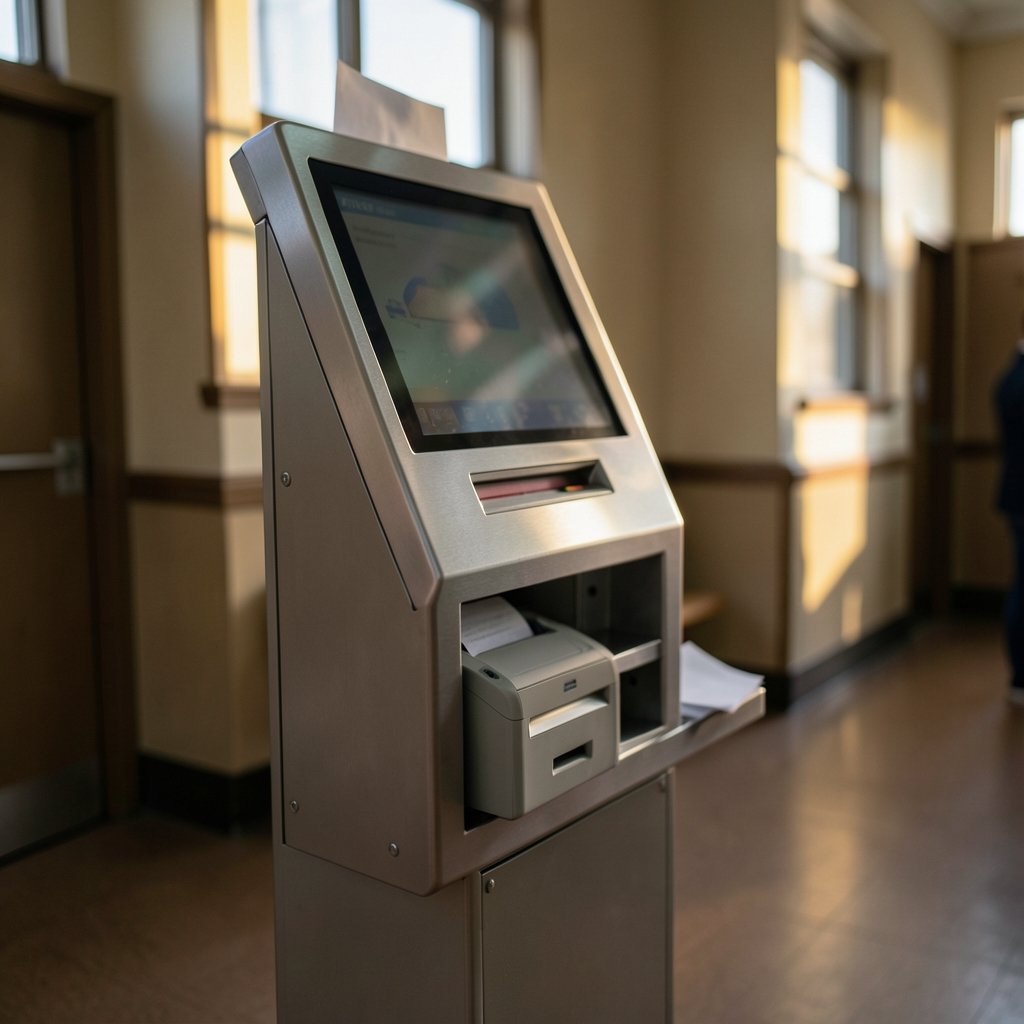
There are generally three routes, and each has trade-offs. Exact options differ by facility, so treat this as a map rather than a menu.
Electronic deposits through a vendor
Most state prison systems and many county jails use a third-party service that accepts online payments, phone payments, or deposits at kiosks in the lobby. These are the fastest option and often the only one that posts the same day. They are also the most expensive.
Mailed money orders or cashier’s checks
Sending a money order by mail remains the low-fee fallback. Many corrections departments specify an exact payee format, usually the inmate’s full committed name and their identification number, plus a mailing address for the lockbox or facility. Personal checks are frequently refused, and cash sent through the mail is a bad idea on every level.
Facility counters and kiosks
Some jails accept deposits at the front counter during visiting hours or through lobby kiosks. Rules on cash acceptance vary enormously, and a facility that took cash last year may have gone cashless since.
| Method | Typical speed | Typical cost | Best for |
|---|---|---|---|
| Online or phone vendor deposit | Minutes to same day | Per-transaction fee plus possible percentage fee | Urgent needs, small amounts |
| Mailed money order | Several days to a few weeks | Cost of the money order plus postage | Larger amounts, budget-conscious senders |
| Lobby kiosk or counter | Same day | Varies, sometimes a flat fee | People already visiting the facility |
What It Really Costs
Fees are the single most common complaint about this process, and with good reason. Third-party deposit services typically charge a per-transaction fee, often a few dollars, and some methods add a percentage-based charge on top. Phone and online deposits usually cost more than mailed money orders.
The pattern is familiar to anyone who has watched costs pile up in other corners of the security and finance world. The identity threat detection really costs breakdown shows how layered fees quietly add up in security services, and inmate deposit pricing follows a similar logic: each convenience layer carries its own charge. If you deposit $20 online three times a month, the fees can easily exceed the amount your inmate actually receives. (Inmate Communications)
The practical fix is boring but effective. Deposit larger amounts less often, within whatever cap the facility allows. Use the mailed money order route for routine support and reserve the instant electronic option for genuine emergencies.
Limits, Holds, and Why Deposits Get Flagged
Facilities commonly cap how much can be deposited at once or held in an account at any given time. These limits are set per facility and are not uniform nationally, so a figure that works at one county jail may be rejected at the state prison two hours away.
Large or unusual deposits may also be placed on hold while staff review them. This is not personal. Trust accounts are subject to anti-money-laundering and identity checks, and facilities are alert to anyone trying to move money through an inmate account for other purposes. Sending money under someone else’s name, splitting deposits to dodge a cap, or depositing on behalf of a person who is not approved can get the account frozen and the sender barred.
Some systems require the sender’s full name and address, and a few restrict who may deposit at all, limiting it to approved visitors or immediate family. Always check the specific facility’s rules before you send anything.
How to Avoid Deposit Scams
Fake “inmate deposit” websites exist, and they are convincing. They mimic official vendor pages, sometimes with near-identical logos and layouts, and collect your card details along with the inmate’s information. Families under stress are prime targets, which is exactly why scammers build these pages.
The gift card angle shows how far this goes. Scammers often ask for payment in gift cards because the money is nearly impossible to recover once the card is drained, as this explanation of how the gift card scam works and why victims rarely get their money back lays out. No legitimate corrections vendor will ever ask you to pay a deposit with gift cards.
The defense is simple: start from the facility’s official website every time, never from a link in a text message or an email. Bookmark the page. If a site asks for more information than your name, address, card details, and the inmate’s ID number, stop and verify.
Federal Versus State Versus County
The rules depend entirely on which system holds your person.
Federal inmates are held by the Bureau of Prisons, which publishes its own deposit instructions covering mail, lockbox, and electronic options, along with warnings about limits and fees. State prison systems each publish their own rules, and they differ substantially from one another. County jails are a third category entirely, often with their own vendors and their own quirks.
There is no national standard. An article that gives you one set of numbers is almost certainly wrong for your situation. The only reliable move is to find the official page for the exact facility and read it the same week you plan to send money. Vendor contracts change, fees change, and deposit caps change, sometimes with little notice.
Practical Tips That Actually Work
A few habits separate people who send money smoothly from people who spend hours on hold.
Write the inmate’s ID number exactly as the facility formats it. Missing digits and transposed numbers are the most common cause of rejected mail deposits. Include the full committed name, not a nickname.
Keep your receipts. If a deposit goes missing, the receipt is your only proof. Vendor customer service will ask for the confirmation number, the date, the amount, and the sender’s name.
Check the account balance before sending. Many facilities let the inmate check their own balance, and some let approved senders view it. Sending more than the cap gets the deposit bounced, and you may still pay the fee.
Do not send cash, and do not send anything else in the envelope. Letters to inmates are screened, and enclosing cash or contraband can cause the entire piece of mail to be returned or the inmate to face disciplinary action.
Set a realistic budget. Supporting someone inside can quietly become a significant monthly expense once commissary, phone calls, and messaging are added up. Treat it like any other recurring bill and decide the amount in advance.
When Money Is Tight
Not everyone can afford to deposit regularly, and that is worth saying plainly. Inmates can survive on very little commissary money, and many facilities provide basic hygiene items and three meals regardless of account balance. Phone calls are the expense that hurts most, and some systems offer discounted rates or free messaging tiers.
If you are looking for ways to stretch a limited budget, the same principles that apply to making money with AI without wasting it on tools you do not need apply here: know the fee structure, avoid paying for convenience you do not require, and put your money where it actually reaches the person. A mailed money order at face value often beats an instant deposit that loses fifteen percent to fees.
Conclusion
Sending money to an inmate is not complicated once you understand the structure behind it. The facility controls the account, a vendor processes the payment, and the rules that matter are the ones published by that specific prison or jail. Fees reward patience, limits punish guesswork, and scams punish anyone who starts from a link instead of the official site.
The reliable routine is short. Find the facility’s official deposit page. Confirm the current fee schedule, the deposit cap, and the exact payee format. Choose mailed money orders for routine support and electronic deposits for genuine urgency. Keep every receipt. Do that, and the twenty dollars you send will actually arrive as twenty dollars of soap and stamps, which is the whole point.
Frequently Asked Questions
Can I send cash directly to an inmate?
No. Cash sent through the mail is prohibited at essentially every facility, and cash handed over at a counter is accepted only where the jail runs a deposit kiosk or counter service. Even then, the money goes into the trust account, not the inmate’s hands. Use a money order, a cashier’s check, or an approved electronic vendor.
How long does it take for money to reach an inmate’s account?
Electronic deposits through a facility’s vendor often post within minutes to the same business day. Mailed money orders take longer because they must travel through the postal system and then be processed by facility staff, which can take several days to a few weeks depending on the institution. Plan ahead for anything time-sensitive.
Why was my deposit rejected or placed on hold?
The usual reasons are an incorrect inmate ID number, a misspelled committed name, an amount above the facility’s deposit cap, or a sender who is not approved to deposit. Large or unusual deposits may also be reviewed before posting. Contact the facility’s trust account office rather than the vendor, since the facility sets the rules.
Are there limits on how much I can deposit?
Yes, and they vary by facility. Many prisons and jails cap both the amount per transaction and the total balance an inmate may hold. Because these limits are set locally and change periodically, check the facility’s current published rules before sending a large amount.
Is it cheaper to mail a money order or pay online?
Mailed money orders are usually cheaper because you avoid the vendor’s per-transaction and percentage-based fees, though you pay for the money order itself and postage. Online deposits cost more but post faster. For regular support, mailing is often the better deal. For emergencies, pay the fee.
How do I know a deposit website is legitimate?
Start from the correctional facility’s official website and follow its link to the approved vendor. Never use a link from a text message, email, or search ad. Legitimate vendors will not ask for gift cards, and they will not need more than your contact details, payment information, and the inmate’s identification number.



