
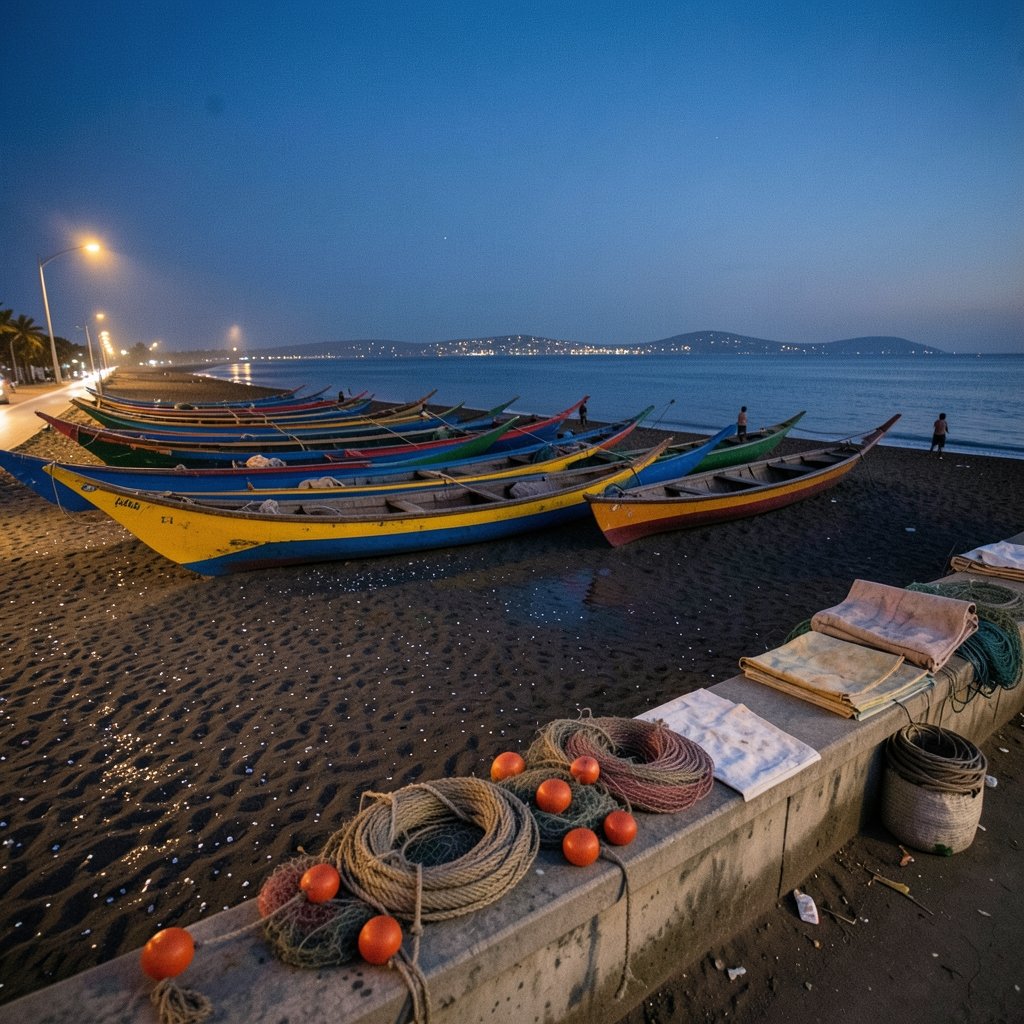
What makes a country the size of Senegal punch so far above its weight? It sits on the westernmost tip of mainland Africa, with a population of roughly 17 to 18 million people. Yet its music, literature, wrestling arenas, and political stability have made it one of the most closely watched nations on the continent. Whether you are planning a trip, researching a school project, or trying to understand West Africa beyond the headlines, Senegal rewards a closer look. This guide walks through its geography, history, government, languages, economy, culture, and the practical details travelers and students actually need. (Senegal)
Where Senegal Sits and Why Geography Matters
Senegal occupies the Cap-Vert peninsula, which is the westernmost point of mainland Africa. That location shaped everything about the country. For centuries, ships crossing the Atlantic stopped here first. Today, Dakar, the capital and largest city, remains a major port and a gateway to the region.
The country wraps around The Gambia on three sides. The Gambia is a narrow strip of land that follows the Gambia River inland, and it splits Senegal almost in two. This is one of the most unusual borders in the world, and it has real consequences. Traveling overland from the Casamance region in the south to the north means crossing another country, taking a ferry, or flying.
The climate splits roughly into two zones. The north is Sahelian, dry and edging toward the Sahara. The south is more humid, with greener landscapes and heavier rainfall. Senegal faces serious environmental pressures, including drought, coastal erosion, and sea-level rise around Dakar and the Saloum Delta. For readers who want to understand the underlying climate science, the work of the IPCC on regional impacts is the standard reference.
A Short History That Explains Modern Senegal
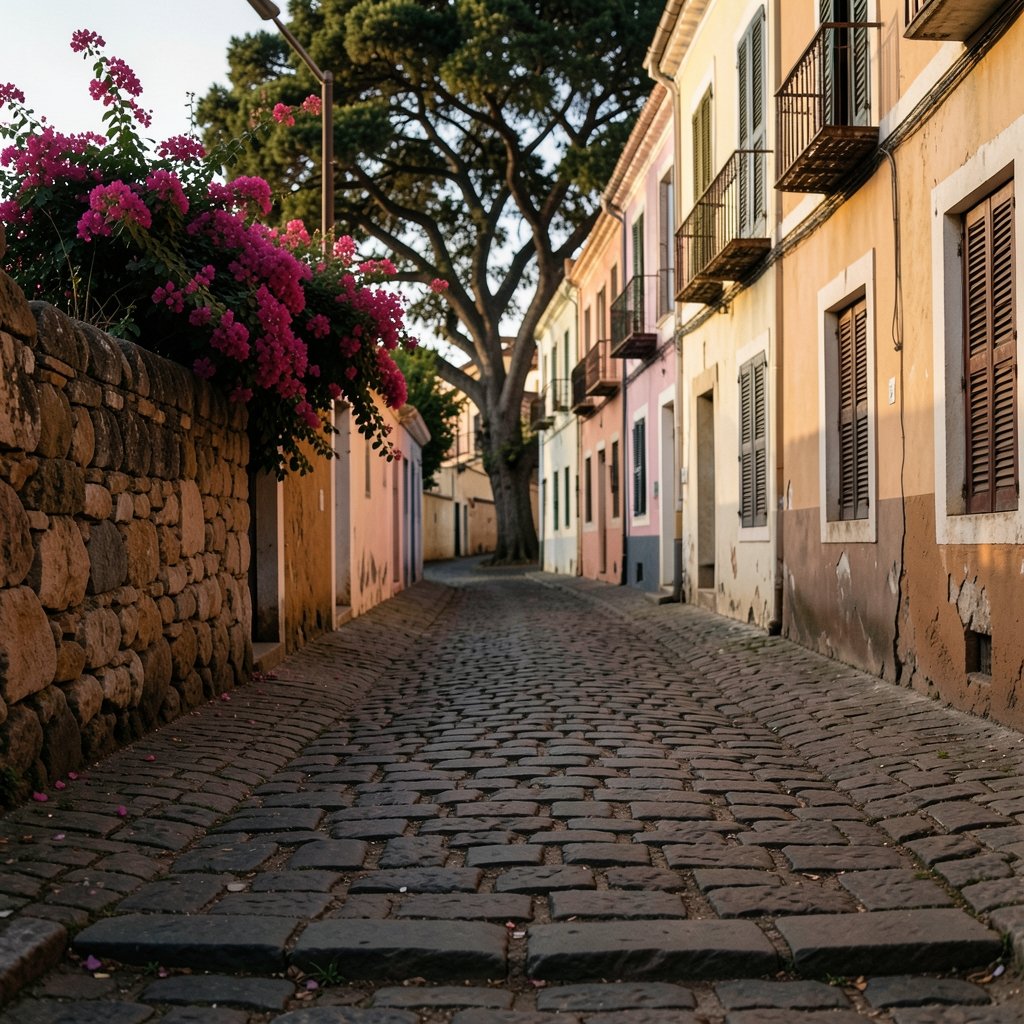
Senegal became independent from France on 4 April 1960. Before that, it was part of French West Africa, with Dakar serving as the administrative capital of the whole federation. For a brief period after independence, Senegal joined with French Sudan (now Mali) in the Mali Federation. That union collapsed in August 1960, and Senegal continued as a separate republic. (Senegal)
One historical site carries enormous weight. Gorée Island, just off the coast of Dakar, is a UNESCO World Heritage Site and a memorial to the Atlantic slave trade. It is one of the most visited places in the country, and it is also one of the most discussed. Historians continue to debate the exact scale of the island’s role in the trade, but its symbolic importance is not in question.
Senegal’s post-independence record stands out in the region. The country has maintained multiparty elections and has seen repeated peaceful transfers of power. That record is not perfect, and the 2024 election cycle drew international attention when the vote was postponed before eventually proceeding. Anyone writing about that period should verify the exact timeline and outcome against primary sources, because details shifted quickly.
How Senegal Is Governed
Senegal is a presidential republic. The president serves as both head of state and head of government. The country has a unicameral parliament and a constitutional court that has, at key moments, played a decisive role in electoral disputes.
For readers comparing systems, the practical point is this: Senegal’s institutions have generally held under pressure. Courts have ruled on candidacy disputes. Voters have turned out. Power has changed hands. That is not the norm everywhere in the region, and it explains why diplomats and investors watch Senegalese politics so closely.
Languages: French on Paper, Wolof on the Street
French is the official language. It is the language of government, formal education, and much of the press. But walk through any market in Dakar and you will hear Wolof, the most widely spoken lingua franca. Wolof functions as a bridge language between communities, and many Senegalese speak it as a second or third language.
Other national languages include Pulaar, Serer, Diola, and Mandinka. In practice, most Senegalese people move between several languages daily. For visitors, learning even a handful of Wolof greetings goes a long way. “Salaam aleekum” and “Nanga def” (how are you) open doors that French alone will not.
A common mistake among travelers is assuming French is enough everywhere. In cities and hotels, it usually is. In rural markets and among older people, Wolof or a local language is often the warmer and more effective choice.
The Economy: Groundnuts, Fish, Phosphates, and Now Oil
Services and agriculture dominate the Senegalese economy. Groundnuts (peanuts) have been a cornerstone export for generations, and the country is a significant producer. Fishing is both an export industry and a livelihood for coastal communities. Phosphates have long been mined for fertilizer and industrial use. Tourism brings in foreign currency, particularly around Dakar, the Petite Côte, and the Sine-Saloum.
In the 2020s, Senegal joined the ranks of oil and gas producers, with output from the Sangomar field and the Greater Tortue Ahmeyim project. Production figures and start dates change, so anyone citing them should confirm with official sources rather than relying on older articles.
Senegal uses the CFA franc and belongs to ECOWAS and the African Union. Regional membership has been in flux, with debates and departures reshaping the bloc in recent years. Senegal’s own position within those debates is worth checking against current reporting.
Culture: Wrestling, Music, Film, and Faith
Senegal’s cultural output is extraordinary for its size. Laamb, traditional wrestling, draws stadium crowds and produces national celebrities. Music runs deep, from mbalax to the long tradition of griot storytelling. Dakar has been a hub for West African cinema and hosts its own film festivals, alongside a thriving visual arts scene.
Religion shapes daily life. The population is predominantly Muslim, and Sufi brotherhoods, particularly the Mouride and Tijaniyya, carry enormous social influence. The Mouride city of Touba is a major pilgrimage destination. Visitors should dress and behave respectfully, especially during religious periods such as Ramadan.
Literature is another point of pride. Senegalese writers have shaped francophone African letters for decades, and their work is a good entry point for anyone wanting to understand the country’s self-image.
UNESCO Sites and Natural Features
Senegal has several World Heritage listings, and they span very different experiences:
| Site | What It Offers | Best For |
|---|---|---|
| Gorée Island | Memorial to the Atlantic slave trade, colonial architecture | History and reflection |
| Djoudj National Bird Sanctuary | Wetlands, migratory birds, pelicans | Birdwatchers |
| Niokolo-Koba National Park | Savanna wildlife, antelope, monkeys | Safari-style trips |
| Saloum Delta | Mangroves, islands, fishing villages | Boat trips and nature |
The Djoudj sanctuary is particularly notable for migratory bird populations that arrive from Europe each winter. Niokolo-Koba has faced pressure from poaching and funding shortfalls over the years, so check current conditions before planning a visit. The Saloum Delta rewards travelers who want something slower: pirogue rides, shellfish, and quiet islands.
Practical Travel Tips That Actually Work
Planning a trip to Senegal is straightforward, but a few details trip people up.
- Check visa and entry rules for your nationality well before booking. Rules change, and the official embassy or consulate is the only reliable source.
- Carry cash. Cards work in Dakar hotels and larger restaurants, but markets, taxis, and rural areas run on cash. ATMs exist in cities but can be unreliable outside them.
- Agree on taxi fares before you get in. Metered taxis are not the norm. Negotiating first avoids the most common tourist complaint.
- Dress modestly outside beach areas. This is practical respect, not etiquette alone. It matters more in Touba and during religious periods.
- Get travel health advice early. Yellow fever vaccination requirements and malaria precautions depend on your itinerary and current guidance. Consult a travel medicine clinic rather than relying on forums.
- Learn the greeting sequence. In Senegal, greetings are not optional small talk. Skipping them to get to business reads as rude.
A frequent mistake is treating Senegal as a beach-only destination. The Petite Côte is lovely, but the country’s real character shows up inland and in the delta. Another mistake is underestimating distances. Roads are decent between major cities, but journeys take longer than maps suggest.
What to Read Next
For a general overview, an encyclopedia entry on Senegal’s history and geography is a solid starting point. For population figures, the UN World Population Prospects offers official estimates and projections. For economic and development data, the World Bank’s country overview is the standard reference. For regional context, ECOWAS publishes its protocols and institutional information directly. And for climate risk, Senegal’s National Adaptation Plan, available through UNFCCC channels, lays out the country’s own assessment.
Conclusion
Senegal is a country where geography, history, and culture reinforce each other. Its position at Africa’s western edge made it a crossroads for trade, empire, and migration. Its post-independence record made it a rare example of stable multiparty politics in a turbulent region. Its languages, music, and religious traditions give it a cultural depth that visitors rarely expect and seldom forget. Whether you are writing a paper, planning a trip, or simply trying to understand West Africa better, Senegal is one of the most rewarding places to start. Go with curiosity, respect for local customs, and a willingness to greet people properly. That combination will take you further than any guidebook.
Frequently Asked Questions
What is the capital of Senegal?
Dakar is the capital and largest city. It sits on the Cap-Vert peninsula, the westernmost point of mainland Africa, and serves as the country’s main port and economic center.
What language do people speak in Senegal?
French is the official language, used in government and formal education. Wolof is the most widely spoken lingua franca, alongside national languages such as Pulaar, Serer, Diola, and Mandinka. Most people use several languages daily.
When did Senegal become independent?
Senegal became independent from France on 4 April 1960. It briefly joined with French Sudan in the Mali Federation, which collapsed in August 1960, after which Senegal continued as a separate republic.
Is Senegal a safe country to visit?
Senegal is generally considered one of the more stable countries in the region, with a long record of peaceful elections and transfers of power. As with any destination, check your government’s current travel advice, use normal urban precautions, and avoid isolated areas after dark.
What is Senegal known for?
Senegal is known for its music, traditional wrestling, literature, and Sufi religious traditions. It is also recognized for Gorée Island, a UNESCO World Heritage Site memorializing the Atlantic slave trade, and for its national parks and delta landscapes.
What currency is used in Senegal?
Senegal uses the CFA franc and is a member of ECOWAS and the African Union. Cards work in larger hotels and restaurants in Dakar, but cash is essential in markets, taxis, and rural areas.
What is the best time to visit Senegal?
The dry season, roughly November to May, is generally the most comfortable period, with lower humidity and little rain. The rainy season runs from about June to October, bringing heat, humidity, and occasional flooding in low-lying areas. Birdwatchers often favor the winter months, when migratory species arrive at Djoudj. Travelers should note that Ramadan shifts each year on the lunar calendar, and some businesses adjust their hours accordingly.
How do you get around Senegal?
Dakar has a modern express train and an expanding bus network, while intercity travel relies on buses, sept-place shared cars, and domestic flights. Roads between major cities are generally decent, but journeys take longer than distances suggest. Hiring a driver is often the simplest option for travelers covering several regions.
Final thought
Senegal rewards preparation without demanding perfection. Check current entry rules, confirm health guidance, and verify any fast-moving political or economic details against primary sources. Then go, greet people properly, and let the country surprise you.



