
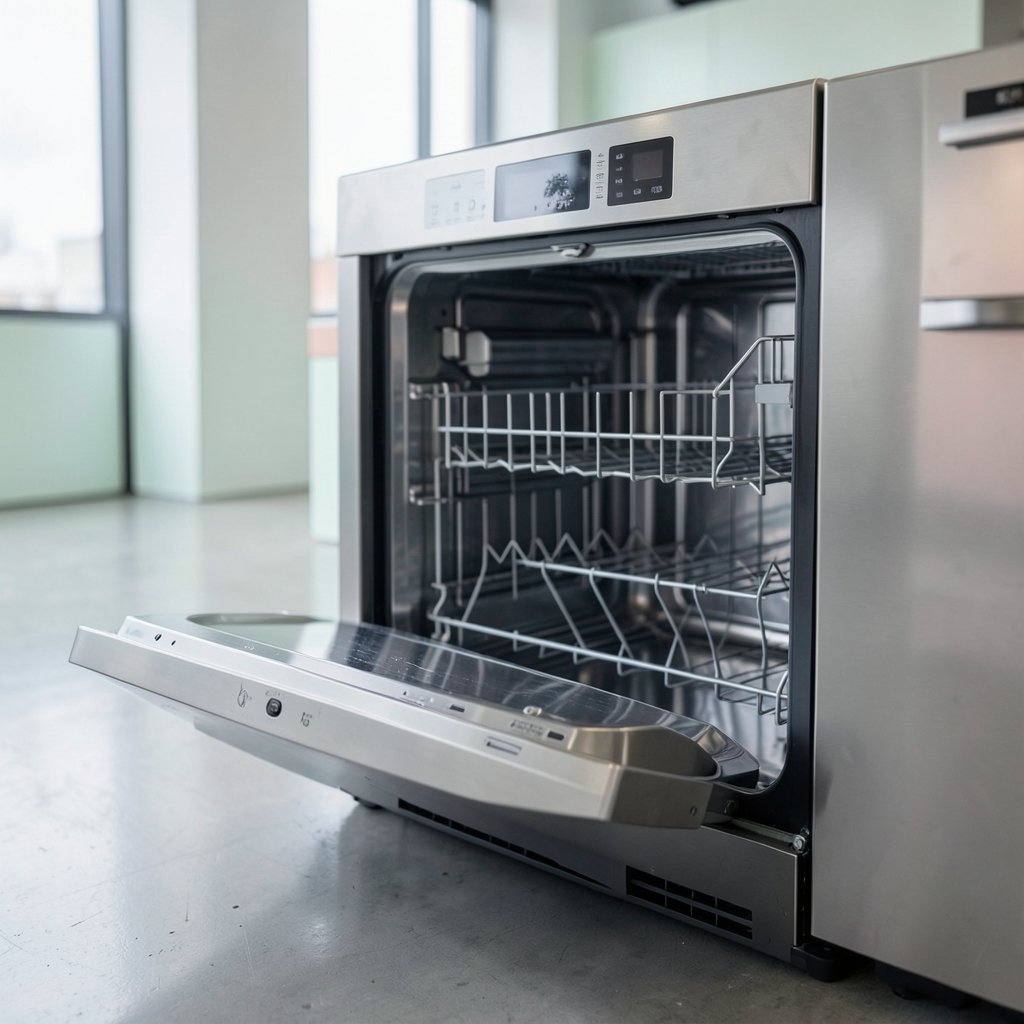
When is a dishwasher sale actually a good deal, and when is it just a sticker with a red slash through it? That question matters more than most shoppers think. A dishwasher is one of the few appliances that runs almost every day, uses water and electricity on every cycle, and sits in your kitchen for a decade or more. Getting the timing right can save real money. Getting the model wrong can cost you far more than the discount ever returned.
This guide covers when sales tend to happen, how to read the numbers behind a markdown, which features are worth paying for, and the mistakes that turn a bargain into a regret. It also borrows a few lessons from other shopping categories, because the psychology of a “sale” works the same way whether you are buying a CRM subscription or a kitchen appliance.
Why Dishwasher Discounts Follow a Predictable Calendar
Appliance pricing is not random. Retailers plan promotions around a handful of recurring events, and manufacturers time their model changes to match.
Discounts cluster around late November, when Black Friday and Cyber Monday promotions overlap. Major U.S. holidays, including Presidents’ Day, Memorial Day, Labor Day and the Fourth of July, are also reliable windows for appliance promotions. Then there is end-of-model-year clearance, which typically runs from late summer into fall as new models arrive and dealers clear floor space.
The practical takeaway: if you can wait, wait for one of those windows. If your current dishwasher has flooded the kitchen floor, waiting three months is not realistic, and that is fine. A mid-priced model bought at full price in March usually beats a premium model bought on impulse in November.
One more timing note that surprises people. The deepest clearance discounts often land on the least popular finishes and the odd sizes. A stainless-steel 24-inch model in the most common configuration rarely gets the biggest markdown, because it does not need one. If you have unusual cabinet dimensions or want a specific panel-ready finish, your discount may be smaller, and that is simply supply and demand at work.
Read the Label Before You Read the Price Tag
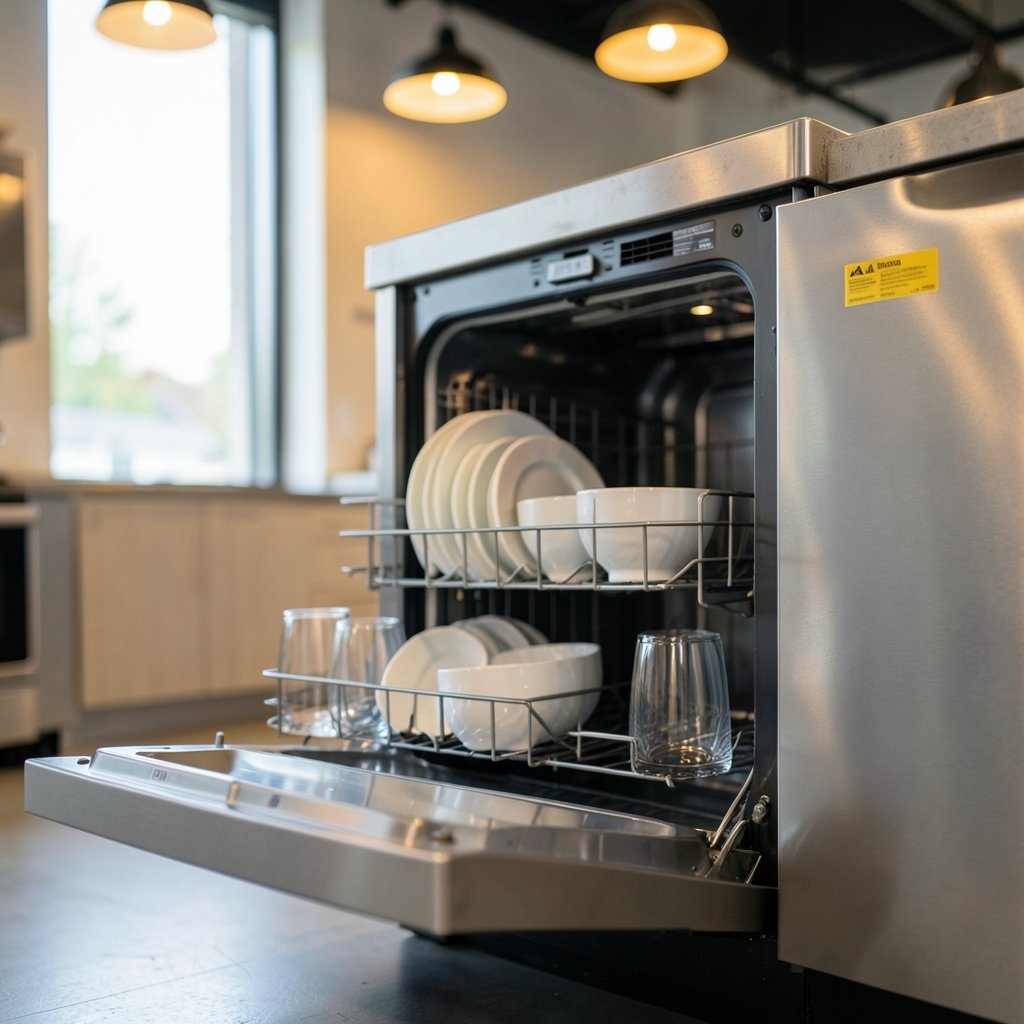
A sale price means nothing without a baseline. Two numbers give you that baseline faster than any review.
The first is energy consumption, measured in kilowatt-hours per year. In the U.S., the yellow EnergyGuide label estimates annual operating cost, which lets you compare models on total cost rather than sticker price. In the EU, dishwashers carry a rescaled A to G energy label that has applied since 2021, and the annual consumption figure on that label is the one to use for comparison.
The second is capacity, measured in place settings. Divide the sale price by the number of place settings to get a unit price. A $700 machine that holds 15 place settings costs about $47 per setting. A $600 machine that holds 12 costs $50. The cheaper sticker is the more expensive machine per unit of usefulness, especially for a family.
Here is a rough comparison framework that works in any market:
| What to compare | Where to find it | Why it matters |
|---|---|---|
| Annual energy use (kWh/year) | EnergyGuide or EU energy label | Predicts running cost over 10 years |
| Annual water use (gallons or liters) | Energy label or spec sheet | Matters in drought-prone or metered areas |
| Place settings | Spec sheet | Sets the real unit price |
| Decibel rating | Spec sheet | Open-plan kitchens live or die by this |
| Warranty length, parts and labor | Manufacturer documentation | Determines repair-versus-replace math |
| Installation and haul-away fees | Retailer checkout | Frequently excluded from the sale price |
That last row catches people constantly. Professional installation and haul-away of the old unit are commonly charged separately, and the fee varies widely by market and by whether your hookups need modification. A $150 discount evaporates fast when installation, a new supply line and disposal of the old machine add $180 at checkout.
The Features That Earn Their Place on a Sale Model
Sales are where feature confusion does the most damage. A marked-down machine with a dozen cycles feels like value. Usually it is clutter. Here is how to sort the list.
Worth paying for: a third rack for utensils and long tools, an adjustable middle rack, a soil sensor that adjusts water use automatically, a stainless-steel or hybrid tub, and a low decibel rating if your kitchen opens into a living space. Quiet operation is the feature buyers most often say they underestimated, and it is difficult and expensive to add later.
Nice but optional: bottle wash jets, specialized stemware cycles, Wi-Fi connectivity, and interior lighting. These are pleasant. None of them clean dishes better in any measurable way.
Rarely worth a premium: exotic cycle counts, app-based diagnostics you will never open, and “smart” features that duplicate a $6 delay-start timer.
A useful rule for sale shopping: decide your three non-negotiables before you look at a single price. Write them down. Width, tub material, noise level, third rack, whatever they are. Then filter by those first and price second. Shoppers who browse by discount first end up with a machine that does not fit the cabinet opening or wakes the house at 10 p.m.
Where Extended Warranties and Rebates Change the Math
Standard coverage on most major-brand dishwashers is a one-year limited warranty, with some brands extending coverage on specific parts such as racks or the motor. Verify the terms for the exact model, because they vary by manufacturer and by region.
Extended warranties are where the sales pitch gets loudest. A service plan priced at 15 to 20 percent of the purchase price on a mid-range machine is usually poor value, because dishwasher repairs are often inexpensive relative to replacement. The math flips if you bought a premium model with complex components. Run the numbers rather than accepting the add-on at the register.
Rebates are the opposite: free money that people forget to claim. Many U.S. utilities offer appliance rebates, and availability is local and changes yearly, so check your utility’s current program before you buy. In the UK, statutory protections under the Consumer Rights Act 2015 include a 30-day short-term right to reject faulty goods, which is a stronger guarantee than most paid plans and costs nothing.
There is a broader lesson here about how promotional pressure distorts purchasing decisions. The same pattern shows up in software buying, where add-on bundles and urgency tactics push teams toward the wrong tier. The write-up on common Salesforce alternatives mistakes that sink CRM makes the point well: the deal you are shown is rarely the deal that fits your actual needs. Appliances are no different.
Common Mistakes That Turn a Bargain Into a Headache
These are the errors that show up again and again in appliance buying, and most are avoidable with ten minutes of prep.
Measuring the opening, not the machine. Dishwashers come in standard widths, but older kitchens do not always cooperate. Measure the cabinet opening at the narrowest point, and measure the depth including the door swing and any plumbing behind the unit. Also confirm the door will open past your counter edge.
Skipping the electrical and plumbing check. An older home may lack a dedicated circuit or a properly placed shutoff valve. Discovering that after delivery is expensive.
Buying the floor model without asking about the warranty start date. Display units are sometimes sold with coverage that began when they arrived at the store. Ask directly, in writing.
Ignoring the delivery window. Sale pricing often comes with longer lead times during peak promotion periods. If you need the machine installed before a specific date, confirm the delivery slot before you pay.
Comparing a sale price to a fake original price. Track a model for a few weeks if you can. Retailers rotate “original” prices, and a markdown from an inflated list price is not a discount.
Forgetting the old unit. Haul-away is not universal, and some municipalities charge for appliance disposal. Factor it in.
There is a genuinely useful habit buried in all of this: treat the sale as a filter, not a starting point. Decide what you need, then let the discount decide which qualifying model you buy. Shoppers who do this report far less regret, and they tend to keep their machines longer.
How Other Purchase Categories Teach the Same Discipline
The psychology of a limited-time offer is universal, and watching it operate elsewhere makes it easier to spot in an appliance aisle.
Consider how buyers approach commercial real estate listings for sale. Nobody signs a lease on a warehouse because the sign outside said “reduced this week.” They check the zoning, the loading access, the roof age and the operating costs first, then negotiate. A dishwasher purchase is smaller, but the sequence is identical: verify the specs, calculate the true cost of ownership, then talk price.
The same principle applies to high-demand, time-boxed purchases. The explanation of how the Coachella 2027 tickets registered sale actually works is a good study in urgency design, where registration windows and scarcity push people to commit before they have compared options. Appliance promotions borrow that playbook every November.
For a longer view on how to evaluate competing products on merit rather than marketing, the breakdown of salesforce alternatives by use case which CRM fits your team is a useful parallel: the right answer depends on your constraints, not on which option is shouting loudest. And if you are also refreshing the laundry room, the reasoning in Speed Queen washer you get commercial grade durability shows how paying for build quality up front can beat chasing discounts on disposable machines.
What Actually Works in Practice
Strip away the tactics and a handful of habits do most of the work.
Buy in a promotional window if your timeline allows, and accept full price if it does not. Set a total budget that includes installation, haul-away, a supply line and any electrical work, rather than only the sticker. Prioritize quiet operation and a stainless tub, since those are the features you cannot add later. Check your utility for rebates before checkout, because the form takes minutes and the money is real. Keep the receipt and the warranty paperwork in one place, and register the product with the manufacturer, which some brands require for full coverage.
Then there is the step almost everyone skips: read the installation manual online before you buy. It is free, it takes five minutes, and it tells you the exact clearance, water pressure and electrical requirements. It is the single best defense against a delivery-day surprise.
Finally, resist the urge to buy the cheapest machine on the floor. The lowest-priced unit in a sale is often the one with the fewest racks, the loudest motor and the shortest parts coverage. A modest step up usually pays for itself in fewer repairs and a quieter kitchen. That is not a marketing claim. It is arithmetic.
Conclusion
A dishwasher sale is only a good deal when the machine underneath the discount fits your kitchen, your household and your budget for the next ten years. The calendar helps: late November, major holidays and end-of-model-year clearance are the windows worth targeting. The label helps more: annual energy use and place settings turn a confusing wall of price tags into a straightforward comparison. And the discipline of deciding your non-negotiables before you shop protects you from the urgency tactics that make bad purchases feel like wins.
Measure first. Read the label. Budget the extras. Claim the rebate. Then let the sale pick the model, not the other way around.
Frequently Asked Questions
When is the best time of year to buy a dishwasher on sale?
Promotions cluster in late November around Black Friday and Cyber Monday, during major U.S. holiday weekends such as Presidents’ Day, Memorial Day, Labor Day and the Fourth of July, and during end-of-model-year clearance from late summer into fall. The clearance window often produces the steepest markdowns, but selection is limited to discontinued models and less popular finishes.
Is a more expensive dishwasher actually cheaper to run?
Sometimes. A machine with a lower annual energy and water consumption figure on its label will cost less over its life, and that difference can add up over ten years. Compare the annual kilowatt-hour figure and the annual water use, then weigh the savings against the price gap. A quiet, efficient mid-range model frequently beats both the cheapest and the most expensive options on total cost.
Should I buy the extended warranty at checkout?
Usually not on a mid-range machine. A plan priced at 15 to 20 percent of the purchase price is hard to justify when typical repairs cost less than replacement. The calculation changes for premium models with complex components. Check the manufacturer’s standard warranty first, since most major brands include a one-year limited warranty and some extend coverage on specific parts.
How do I compare two dishwashers on sale fairly?
Divide each sale price by its number of place settings to get a unit price, then compare annual energy use and noise ratings from the spec sheets. Add installation, haul-away and any plumbing or electrical work to both totals. Comparing the two all-in numbers side by side removes most of the confusion created by different discount percentages.
Do utility rebates really exist for dishwashers?
Yes, many U.S. utilities offer appliance rebates, but availability is local and programs change every year. Check your utility’s current offerings before you buy, and confirm whether the rebate requires a specific efficiency certification or a particular retailer. In the UK, statutory rights under the Consumer Rights Act 2015 give a 30-day short-term right to reject faulty goods, which costs nothing and covers more than most paid plans.
What should I measure before shopping a dishwasher sale?
Measure the cabinet opening at its narrowest point, the available depth including space for plumbing behind the unit, and the clearance for the door to swing open past your counter. Confirm that a dedicated circuit and a reachable shutoff valve are present. Reading the installation manual online before purchase takes five minutes and prevents most delivery-day problems.



