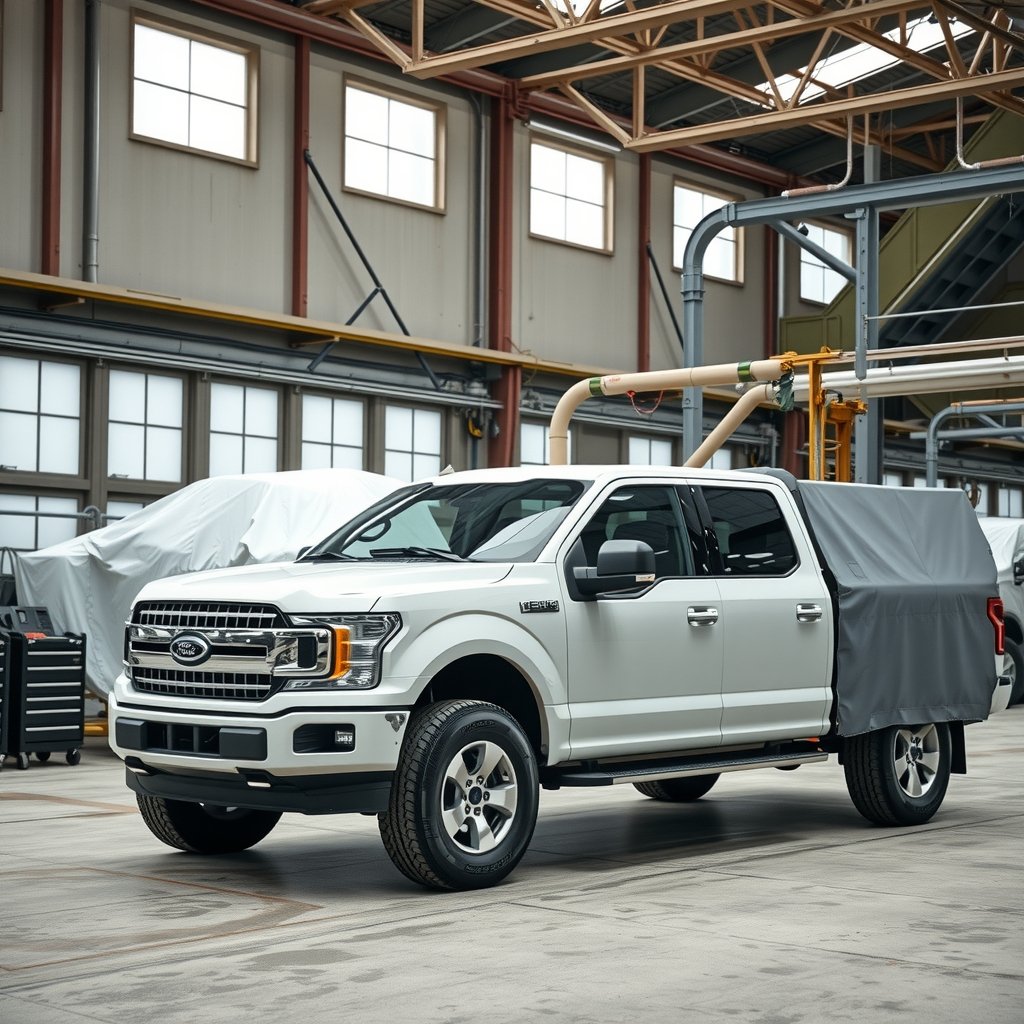
What will the 2027 Chevrolet Silverado actually be? That question gets asked a lot, and the honest answer is more interesting than the rumor mill suggests. As of now, General Motors has not publicly detailed a 2027 Silverado. There is no official spec sheet, no confirmed powertrain lineup, and no announced reveal date. What exists instead is a mix of regulatory deadlines, product-cycle logic, spy-shot chatter, and dealer speculation.
That makes this a guide to what is known, what is likely, and what is pure guesswork. Anyone planning a purchase around the 2027 model year deserves that clarity before they start budgeting.
First, Clearing Up the Name
The word “Silverado” carries baggage. It is a Chevrolet full-size pickup, but it is also a famous Napa Valley winery and a 1985 Western film. This article is strictly about the truck.
There is a second confusion worth killing early: model year versus calendar year. In the U.S., vehicles labeled as a given model year typically go on sale the calendar year before. A 2027 Silverado would generally reach dealers during calendar 2026. Shoppers who walk into a showroom in early 2026 asking for a “2027 truck” may be talking about something that has not been built yet, while salespeople may steer them toward a 2026 model sitting on the lot. Knowing the difference prevents a lot of wasted Saturdays.
Where the Silverado Stands Today

The fourth-generation Silverado 1500 launched for the 2019 model year, revealed in January 2018 at the North American International Auto Show in Detroit. By the time a 2027 model arrives, that generation will be roughly eight years old. In truck terms, that is long enough for either a full redesign or a very heavy refresh.
The electric side tells a different story. The Silverado EV was announced in 2021 and launched with the 2024 model year, with first deliveries landing in the 2023 to 2024 window. A 2027 Silverado EV would be an update to an existing platform rather than a clean-sheet design.
So the 2027 picture likely splits in two: a combustion and hybrid lineup nearing the end of a generation, and an electric lineup still finding its footing.
The Regulatory Clock Driving 2027
Here is the part most shoppers never think about, and it matters more than any leaked photo. Federal rules land on 2027 specifically.
U.S. EPA light-duty greenhouse gas standards for model years 2027 through 2032 were finalized in 2024 as part of a multi-pollutant rulemaking. Separately, NHTSA fuel economy standards covering model years 2027 through 2031 were also finalized around 2024, and passenger trucks fall inside that scope.
Read that again: 2027 is not an arbitrary year in this story. It is the first model year of a new regulatory phase. That has real consequences for engineering. Trucks that were easy to certify in 2024 may need efficiency changes, revised gearing, lighter materials, more electrification, or some combination of all three to clear the 2027 bar.
One caution: regulatory timelines get revised and litigated. Rules finalized in 2024 may have been amended, delayed, or challenged since. Anyone making a purchase decision on regulatory assumptions should check the current status rather than trusting a summary like this one.
What Is Actually Confirmed Versus Rumored
This table separates the solid ground from the swamp.
| Claim | Status |
|---|---|
| Fourth-gen Silverado 1500 launched for 2019 model year | Established history |
| Silverado EV launched for 2024 model year | Established history |
| EPA GHG standards cover model years 2027 to 2032 | Finalized rulemaking, subject to later revision |
| NHTSA CAFE standards cover model years 2027 to 2031 | Finalized rulemaking, subject to later revision |
| GM has stated a target of an all-electric light-duty lineup by 2035 | Stated corporate goal, not a binding commitment |
| Specific 2027 Silverado horsepower, towing, or pricing | Unconfirmed |
| A 2027 Silverado reveal date | Not announced |
| Whether 2027 brings a redesign or a refresh | Unknown |
The bottom line: the regulatory and historical rows are dependable. Everything in the bottom half of that table is speculation, and treating it as fact is the single most common mistake truck shoppers make.
Why the 2035 Electric Target Matters Here
GM has publicly targeted an all-electric light-duty lineup by 2035. That is a corporate goal, and corporate goals move. But it frames 2027 as a midpoint rather than an endpoint.
Think of the timeline as a ramp. The Silverado EV exists now. By 2027, the electric truck would be a few model years into production, with real-world data on range, charging behavior, and towing performance feeding back into updates. Meanwhile, the combustion trucks would need to satisfy tighter standards without alienating the buyers who actually use them for work.
That tension is the whole story of the 2027 model year. Efficiency rules push one direction. Truck buyers push another. The product that emerges is a compromise, and the quality of that compromise is what will decide whether the 2027 Silverado lands well.
Practical Advice for People Shopping This Window
If a 2027 Silverado is on a personal radar, the strategy depends on timing and temperament.
- If a truck is needed in the next twelve months, do not wait for 2027. Buy what exists. A current-model Silverado is a known quantity with known incentives, and waiting on an unannounced product means paying a premium later for a first-year build.
- If waiting is genuinely fine, watch for the reveal, not the rumors. The signal that matters is an official announcement, not a forum thread. First-year redesigns historically carry more risk: new tooling, new electronics, early production quirks.
- Decide the powertrain question first. Combustion, hybrid, and electric are three different ownership experiences with different fueling, maintenance, and resale profiles. Picking the truck before picking the powertrain is backwards.
- Check insurance and registration costs before falling in love. New-generation trucks frequently cost more to insure, and that number rarely appears in reviews.
- Treat dealer markups as a planning item. First-year demand on a redesigned truck is exactly when markups appear. Budget for the possibility or plan to wait out the initial wave.
The pattern that actually works in practice is boring: buy the current model when a truck is needed, and only wait when the wait is short and the need is soft. The people who get burned are usually the ones who waited eighteen months for a rumor and then paid a premium anyway.
Where AI Tools Fit Into Truck Shopping
Truck research has quietly become an AI-assisted task. Buyers now paste window stickers into chatbots, ask for towing math, and compare trim features in seconds. That is genuinely useful, but it has limits worth knowing.
For side-by-side model comparisons, a tool that judges output quality across engines helps sort marketing fluff from real differences, and this breakdown of DeepSeek vs ChatGPT vs Gemini output quality is a reasonable starting point. For buyers cross-shopping dealer inventory and online listings, the same principles behind AI chatbots in e-commerce that rescue abandoned carts explain why some dealer sites suddenly follow up so aggressively.
The critical caveat: AI tools will confidently invent specs for a truck that does not officially exist yet. Ask a chatbot for 2027 Silverado towing capacity and it may hand back a number with total assurance and zero basis. Cross-check anything about an unannounced vehicle against official sources, and treat AI output as a research assistant, not an oracle. There is also a real argument for knowing when not to use an AI chatbot at all, and high-stakes purchase decisions with unconfirmed specs sit close to that line.
The Competitive Picture
The 2027 Silverado will not arrive into a vacuum. The full-size truck segment is crowded, and every major player faces the same 2027 regulatory phase. That means competitors are working the same efficiency problem at the same time, which tends to compress differences between trucks rather than widen them.
For buyers, that is mostly good news. When everyone is forced to improve efficiency, the differentiators shift toward things that are harder to regulate: interior quality, ride comfort, software usability, towing assist features, and warranty terms. Those are the areas worth scrutinizing in reviews and test drives.
It also means a 2027 Silverado that lags on efficiency could still win on usability, and vice versa. Single-metric comparisons miss this. Nobody drives a spec sheet.
Common Mistakes to Avoid
A short list, drawn from how truck buyers typically get this wrong.
- Treating spy shots as specifications. Camouflage hides proportions, not numbers. A photo proves a vehicle exists, not what it can tow.
- Assuming a redesign is automatically better. First-year builds of any generation carry risk. The last year of a mature generation is often the smarter buy.
- Ignoring the model-year shift. Buying a 2026 in late 2026 because the 2027 was “basically the same” is fine, but only if the buyer actually confirmed that.
- Overweighting the electric timeline. A 2035 target does not mean a combustion Silverado disappears in 2027. It means the mix shifts gradually.
- Skipping the total cost of ownership math. Fuel, insurance, tires, and depreciation usually dwarf the sticker difference between trims.
Conclusion
The 2027 Silverado is best understood as a vehicle defined by a deadline rather than a reveal. The fourth-generation truck will be aging, the Silverado EV will be maturing, and federal greenhouse gas and fuel economy standards covering model years 2027 through 2032 and 2027 through 2031 respectively will force real engineering decisions. GM’s stated 2035 all-electric target sits in the background as context, not as a countdown clock for this particular model year.
What is not known is nearly everything shoppers care most about: power figures, towing ratings, pricing, trims, and whether 2027 brings a redesign or a refresh. That is not a gap in research. It is the current state of the world, and pretending otherwise would be a disservice.
The practical takeaway is simple. If a truck is needed soon, buy one that exists. If waiting is comfortable, wait for an official announcement and ignore the noise until then. And when the details finally do land, read them with the same skepticism that served well during the rumor phase.
FAQ
Is the 2027 Silverado officially announced?
No. As of the most recent available information, GM has not publicly detailed a 2027 Silverado. Any specifications circulating online are speculation, spy-shot reporting, or dealer rumor rather than confirmed facts.
When would a 2027 Silverado go on sale?
In the U.S., vehicles labeled as a given model year typically go on sale during the prior calendar year. A 2027 model would generally be expected at dealers during calendar 2026, though no official timing has been confirmed.
Will the 2027 Silverado be a redesign or a refresh?
Unknown. The fourth-generation Silverado 1500 launched for the 2019 model year, so by 2027 the generation would be roughly eight years old, which is long enough for either a full redesign or a substantial refresh. GM has not said which.
How do the 2027 federal standards affect the Silverado?
U.S. EPA greenhouse gas standards for model years 2027 through 2032 and NHTSA fuel economy standards for model years 2027 through 2031 both begin in that window, and passenger trucks are covered. These rules push efficiency improvements, which can affect gearing, weight, materials, and electrification. Regulatory timelines can be revised or litigated, so current status is worth checking.
Does GM’s 2035 electric target mean the gas Silverado ends in 2027?
No. GM has stated a target of an all-electric light-duty lineup by 2035, which is a corporate goal rather than a binding commitment. A 2027 model year sits inside that transition, not at its end, and combustion trucks are expected to remain part of the mix for years.
Is the 2027 Silverado EV a completely new vehicle?
Probably not. The Silverado EV launched with the 2024 model year, so a 2027 version would most likely be an update to that existing platform rather than a clean-sheet design. Specific changes have not been announced.