
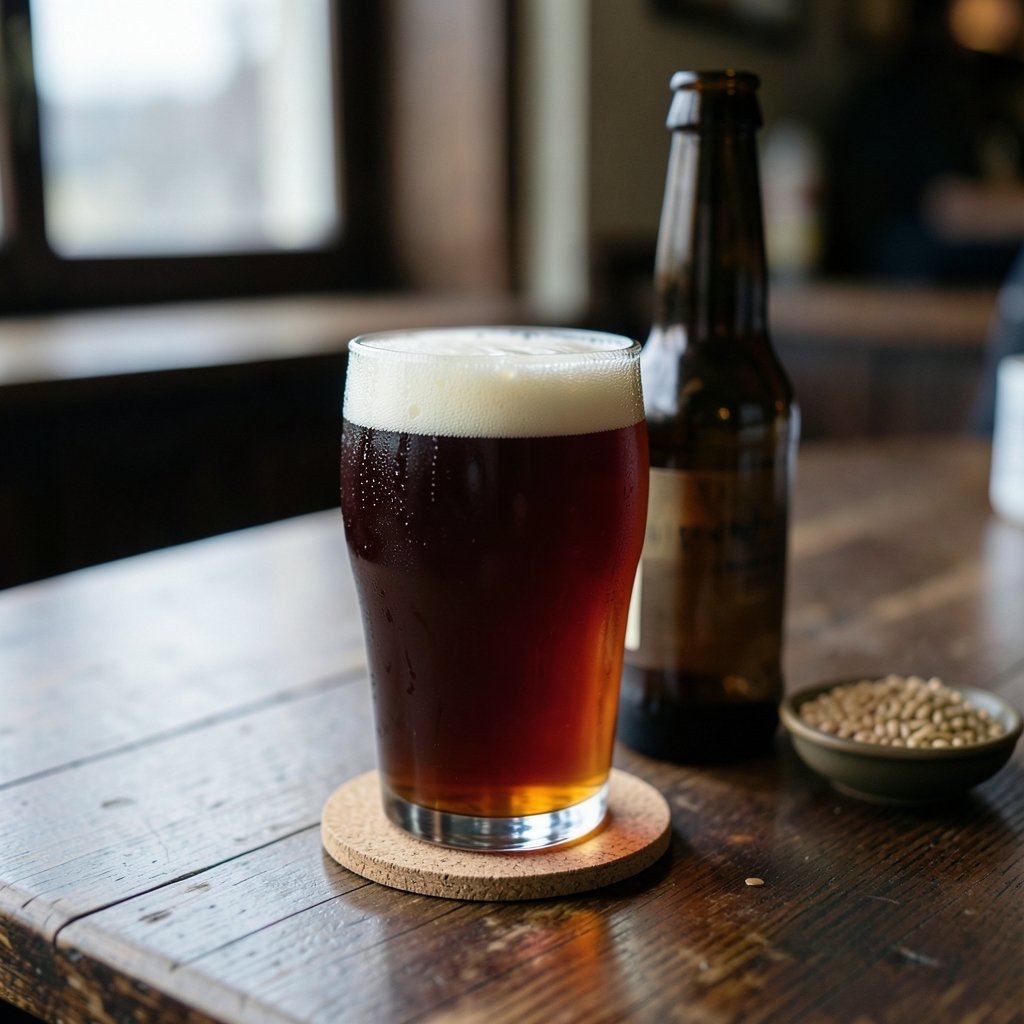
What makes a beer that has survived three centuries still worth talking about? For Smithwick’s Irish red ale, the answer sits somewhere between history, marketing, and the honest taste in the glass. It is one of Ireland’s best-known ale brands, a fixture on pub taps and in export bottles, and yet it is also one of the most misunderstood beers in its own category. People order it expecting a stout and get something lighter. They expect a bold craft red and get something gentler. Understanding what Smithwick’s actually is, where it came from, and how it fits into the wider world of red ales helps anyone drink it with clearer expectations. (Yankees vs red sox inside baseballs deepest rivalry)
A Kilkenny Brewery With a Long Memory
Smithwick’s traces its roots to a family brewery in Kilkenny, Ireland, founded by John Smithwick in 1710. That date is widely repeated and forms the backbone of the brand’s identity, though early brewery histories are often passed down through marketing rather than primary records. The family connection is not in doubt: the Smithwick name is tied to Kilkenny brewing for generations, and the brand still leans heavily on that local heritage.
The brewery is now part of Diageo’s Irish beer portfolio, sitting alongside Guinness. That corporate connection matters for how the beer is made and sold. It also explains why Smithwick’s is often described as “Ireland’s oldest ale brand” — a phrase that functions as marketing language rather than an independently verified historical fact. Treat the superlative with a raised eyebrow and enjoy the beer on its own terms.
One practical detail that trips people up: production has reportedly shifted between Kilkenny and Diageo’s St. James’s Gate brewery in Dublin at various points. Sources disagree on exactly which formats are brewed where, so anyone who cares deeply about provenance should check current packaging rather than rely on older articles. This is a common mistake in beer writing — repeating a location claim that was true a decade ago and may not be true today.
What Style Is Smithwick’s, Really?
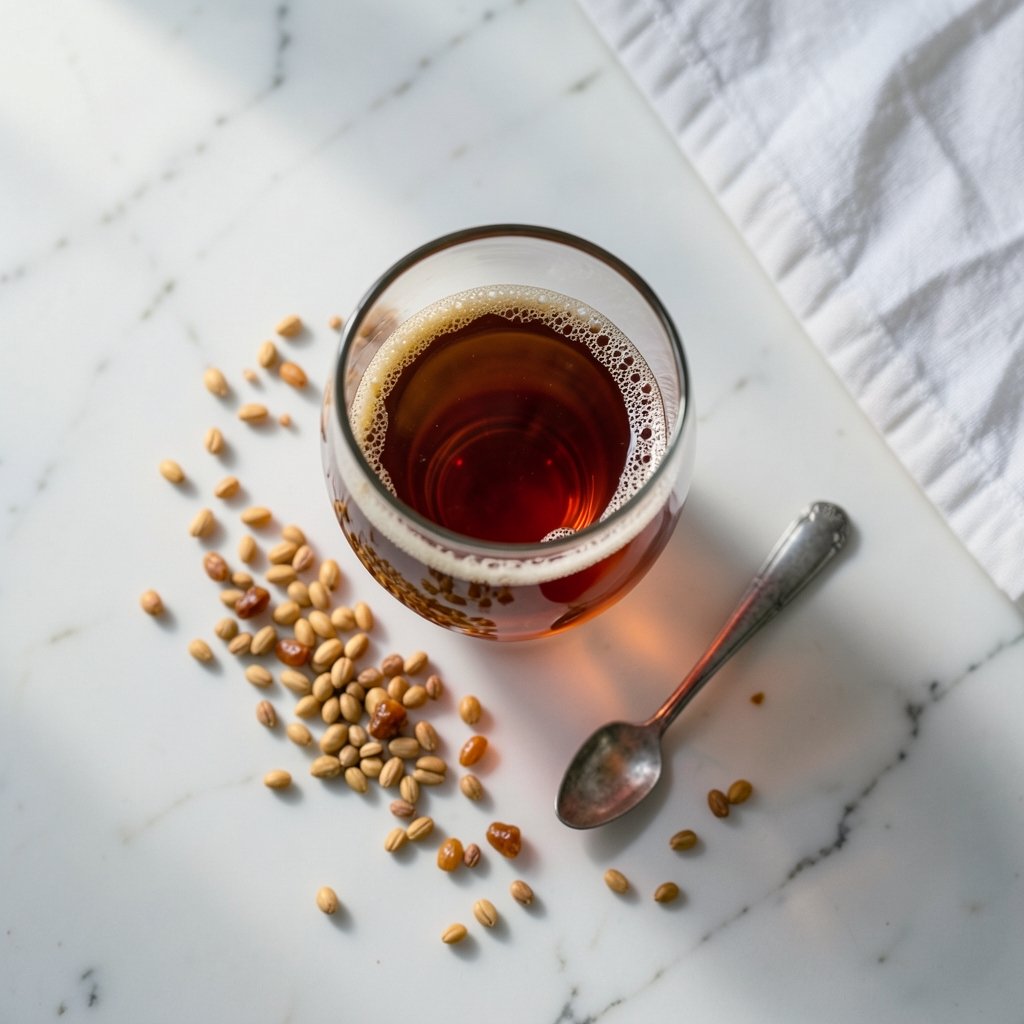
Smithwick’s is marketed as an Irish red ale. That style is characterized by an amber-to-red color, a malt-forward profile, modest bitterness, and low-to-moderate alcohol. Think toasted grain, a touch of caramel sweetness, and a clean, dry finish rather than a hop punch. (Professor money heist mastermind behind red jumpsuits)
The style itself is defined in beer-judging circles, and the category has clear parameters around color, gravity, and bitterness. Whether Smithwick’s is a canonical commercial example of the style is genuinely debated among beer writers. Some see it as the textbook Irish red; others argue it sits closer to an amber ale or even a mild. That ambiguity is part of the fun. Style labels are useful shortcuts, not laws of physics.
Here is how Smithwick’s tends to compare with the beer people most often confuse it with:
| Feature | Smithwick’s Irish Red Ale | Irish Stout (e.g., Guinness) |
|---|---|---|
| Color | Amber to ruby red | Near black |
| Dominant flavor | Toasted malt, light caramel | Roasted barley, coffee, cocoa |
| Body | Light to medium | Medium, creamy |
| Bitterness | Modest | Moderate, roast-driven |
| Typical ABV | Roughly 3.8–4.5% by market | Roughly 4.2% |
| Serving | Draught, bottle, can | Draught, can, bottle |
The comparison matters because many drinkers arrive at Smithwick’s expecting stout depth and leave disappointed. It is not a stout. It is a lighter, sweeter, more sessionable beer, and that is the point.
The ABV Question Nobody Answers Cleanly
Alcohol by volume is where Smithwick’s gets genuinely confusing. The draught and bottled product sold in Ireland and the UK has historically sat somewhere around 3.8% to 4.5% depending on format and market. The version exported to the United States has been cited around 4.5%.
Why the variation? Brewers adjust strength for local tax structures, drinking culture, and shelf stability. A beer sold in an Irish pub at 3.8% may appear at a higher strength in a US bottle. This is normal in the industry, but it means any single ABV figure you read online is probably only true for one market at one moment.
The practical takeaway: read the label on the specific bottle or can in front of you. Do not assume the number from a blog post applies. If you are tracking alcohol intake or comparing beers, the packaging is the only reliable source. For general guidance on responsible drinking, public health resources exist, but the label remains your first stop.
How It Drinks: Serving, Temperature, and Glassware
Smithwick’s is commonly served on draught in Ireland and exported in bottles and cans elsewhere. It is often positioned as a milder, sweeter alternative to stout — a beer you can have two of without feeling weighed down.
A few practical tips that actually improve the experience:
- Serve it cool but not ice cold. Around 45–50°F (7–10°C) lets the toasted malt come through. Straight from a fridge set to 38°F, the flavor flattens out.
- Pour into a clean, slightly tapered glass. A pint glass works fine. The goal is to release aroma, and a narrow rim helps.
- Let it settle for a moment. Irish reds are not heavily carbonated, and a brief rest reduces foaming and lets the malt aroma build.
- Skip the frozen glass. Frosted mugs numb the tongue and kill the caramel notes.
Common mistakes people make: drinking it too cold, expecting stout-level roast, and judging it against American craft reds that are hoppier and stronger. Smithwick’s is a subtle beer. It rewards attention but punishes comparison to styles it was never trying to be.
The Guinness Connection and the Irish Pub Context
Smithwick’s lives in the shadow of Guinness, and that shadow is enormous. Both brands belong to Diageo, both are Irish, and both appear on the same pub walls. But they occupy different roles. Guinness is the default order, the cultural icon. Smithwick’s is the alternative for drinkers who want something with malt character but less roast.
This positioning shapes how the beer is perceived. It is often described as a “milder, sweeter alternative to stout,” which is accurate but slightly reductive. The beer has its own identity: an amber ale with a clean finish that pairs well with pub food, particularly roasted meats, stews, and sharp cheese.
For anyone interested in how deep Irish brewing rivalries and pub culture run, the dynamics of famous Irish and American baseball rivalries offer a surprisingly fun parallel in how tradition, loyalty, and local identity shape what people order. Sports and beer culture share the same tribal instincts.
Smithwick’s vs. the Wider Red Ale World
Irish red ale as a style has grown well beyond Ireland. American brewers produce hoppier, stronger versions. Belgian and British brewers put their own spin on amber and red ales. Against that backdrop, Smithwick’s looks conservative — and that is precisely its appeal. (Set up pokemon radical red emulator 2026)
| Trait | Traditional Irish Red (Smithwick’s style) | American Red Ale |
|---|---|---|
| Hop presence | Low to moderate | Moderate to high |
| Malt character | Toasted, clean | Caramel, sometimes resinous |
| ABV | Roughly 3.8–4.5% | Often 5.5–7% |
| Finish | Dry, brisk | Can be bitter and lingering |
| Best for | Session drinking, food | Hop-forward sipping |
If you come to Smithwick’s from craft beer, adjust your expectations downward on intensity and upward on drinkability. It is a beer built for conversation, not for scoring on a rating app.
A Note on the Name
The brand is usually written “Smithwick’s” with an apostrophe. In Ireland, the family name is pronounced roughly “Smit-icks,” which surprises visitors who say “Smith-wicks.” Pronunciation claims like this are anecdotal and vary by region, so do not treat any single version as gospel. Still, knowing the local pronunciation is a small courtesy that goes a long way in an Irish pub.
Spelling also matters for search and shopping. You will see “Smithwicks” without the apostrophe, “Smithwick’s Red Ale,” and “Smithwick’s Irish Ale” used interchangeably. They all point to the same product family.
Where It Fits in a Modern Drinks Lineup
Smithwick’s occupies a useful niche. It is lighter than stout, more characterful than a macro lager, and lower in alcohol than most craft reds. That combination makes it a strong choice for:
- Pub sessions where you want more than one pint without heaviness
- Food pairing with stews, roasts, burgers, and aged cheddar
- Introducing friends to malt-forward beer without overwhelming them
- Warm-weather drinking when stout feels like too much
It is less suited to drinkers chasing intense hop bitterness or high-ABV complexity. Knowing that upfront saves disappointment.
Conclusion
Smithwick’s Irish red ale is a beer that rewards realistic expectations. It is a malt-forward, amber-red ale with modest bitterness and modest strength, brewed under a name that stretches back to 1710 in Kilkenny and now sits in Diageo’s portfolio alongside Guinness. Its ABV shifts by market, its production location has moved over time, and its status as a “textbook” Irish red is debated rather than settled. None of that diminishes the beer. It simply means the smart approach is to read the label, serve it at the right temperature, and stop comparing it to styles it never claimed to be. Drink it as what it is: a clean, sessionable Irish ale with three centuries of marketing behind it and a genuinely pleasant glass in front of you.
FAQ
Is Smithwick’s a stout or an ale?
Smithwick’s is an ale, specifically an Irish red ale. It is not a stout. Stouts are darker and roastier, with coffee and cocoa notes from heavily roasted barley. Smithwick’s is amber to red, malt-forward, and lighter in body, which is why it is often described as a milder alternative to stout.
What does Smithwick’s Irish red ale taste like?
It tastes malt-forward with toasted grain and light caramel notes, a modest bitterness, and a clean, dry finish. The hop presence is low to moderate. Drinkers expecting bold roast or heavy hops will find it gentler and more sessionable than they anticipated.
How strong is Smithwick’s?
Strength varies by market and format. The draught and bottled product sold in Ireland and the UK has historically been around 3.8% to 4.5% ABV, while the US import has been cited around 4.5%. Because figures change, the packaging label is the only reliable source for the specific product in front of you.
Where is Smithwick’s brewed?
It originated at the Smithwick family brewery in Kilkenny, Ireland, founded in 1710. Production has reportedly moved between Kilkenny and Diageo’s St. James’s Gate brewery in Dublin at various points, and sources disagree on which formats are made where. Check current packaging for the most accurate origin.
Is Smithwick’s owned by Guinness?
Smithwick’s is owned by Diageo, the same company that owns Guinness. Both brands sit in Diageo’s Irish beer portfolio and often appear together in pubs. They remain distinct products, however: Guinness is a stout, while Smithwick’s is a red ale.
How should Smithwick’s be served?
Serve it cool but not ice cold, roughly 45–50°F (7–10°C), in a clean pint or tapered glass. Avoid frozen glassware, which numbs the malt flavors. Let it settle briefly after pouring to reduce foam and release the toasted aroma.
Smithwick’s also carries a quiet historical weight that few session beers can claim. The Kilkenny brewery that gave it life was for a time one of Ireland’s largest, and the brand’s survival through consolidation, ownership changes, and shifting tastes says something about durability. That history is worth a nod, but it is not the reason to drink it. The reason is simpler: it is an honest, well-made amber ale that does exactly what a pub beer should do — refresh, accompany conversation, and never demand center stage. Approach it on those terms and it rarely disappoints.



