
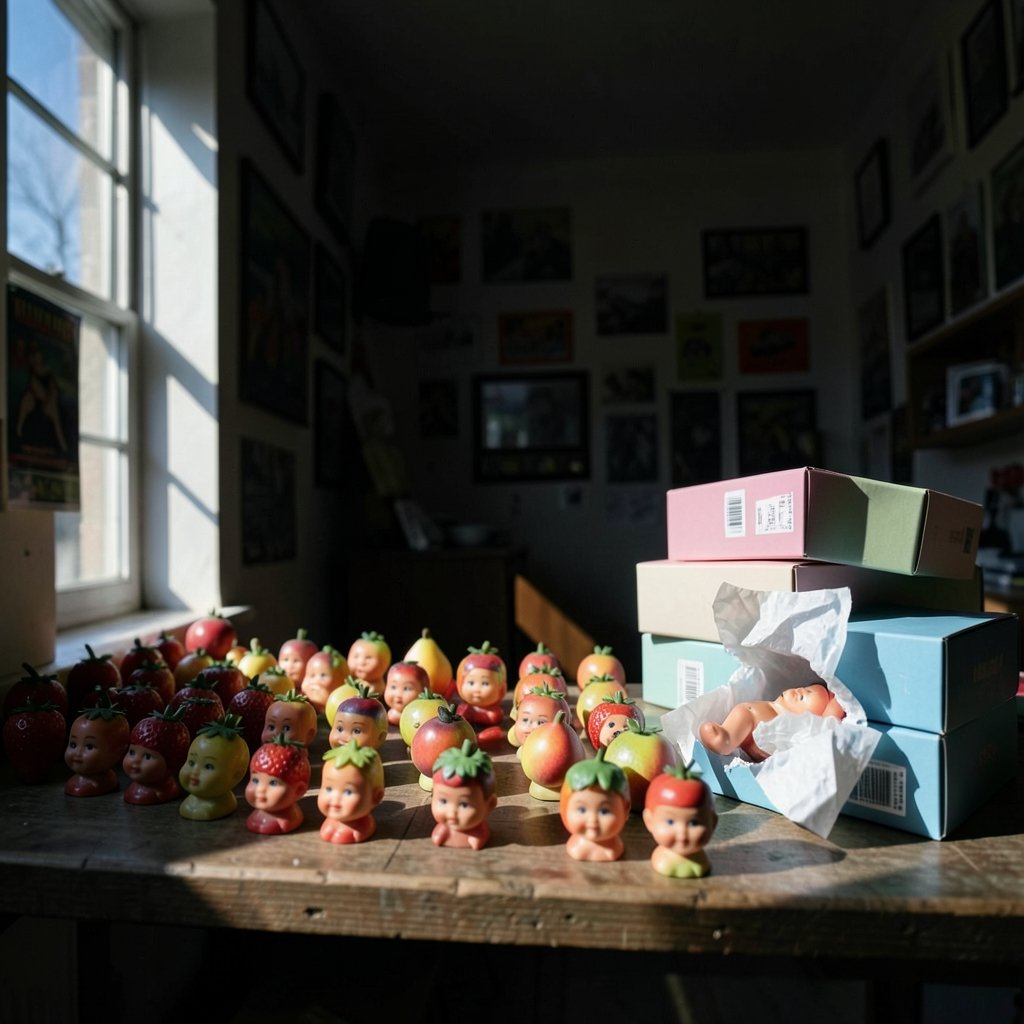
What makes a four-inch-tall baby figure wearing a strawberry on its head so hard to resist? Ask anyone who has stood in front of a Sonny Angel display, telling themselves they will buy just one box, and walked away with five. These small vinyl cherubs have quietly turned into one of the most recognizable collectible toys in the world, and their appeal is not really about the plastic. It is about surprise, scarcity, and the strange joy of opening a sealed box with no idea what is inside.
What Is Sonny Angel?
Sonny Angel is a line of small vinyl figures depicting a chubby, cherub-like baby boy. He wears almost nothing except a headdress, usually shaped like a fruit, vegetable, or animal. The design is deliberately simple: round cheeks, a tiny body, and a slightly cheeky expression that makes the figure feel friendly rather than precious.
The figures are made by Dreams Inc., a Japanese toy company based in Tokyo. Sonny Angel first appeared in 2004, and the character is generally described as growing out of Dreams’ earlier Kewpie-style doll designs, sometimes framed as a male counterpart to the classic Kewpie doll. That lineage matters, because it explains the vintage, old-fashioned baby-doll look that sets Sonny Angel apart from sharper, more modern designer toys.
What most people actually buy, though, is not a specific figure. It is a blind box.
The Blind Box Format, Explained

A blind box is a sealed package where the buyer cannot see which design is inside. The outside shows the series and the possible designs; the inside holds one randomly packed figure. This retail format is the engine behind Sonny Angel’s popularity, and it is worth understanding on its own terms because it shapes how the whole hobby works.
Each series typically contains a set of regular designs plus one or more rarer secret or hidden figures. The secret figures are not usually listed in full detail on the box, which is exactly the point. Collectors chase them, trade them, and pay premiums for them on the secondary market.
| Feature | How it works in practice |
|---|---|
| Packaging | Sealed box, design hidden until opened |
| Regular figures | Fixed lineup per themed series |
| Secret figures | Rarer, unlisted or partially listed designs |
| Duplicates | Common and expected when buying multiple boxes |
| Trading | Central to the hobby; duplicates become currency |
The practical consequence is simple: buying blind boxes is a gamble, and the fun depends on accepting that. People who treat it as a shopping trip for one specific figure usually end up frustrated. People who treat it as a small, bounded surprise tend to enjoy it far more.
The Series Structure and Why It Keeps People Buying
Sonny Angel figures are organized into themed series, released periodically. Common themes include fruit, vegetables, animals, and marine life, with new lineups appearing over time. Each series refreshes the look of the same basic character, which is a clever design decision: the figure is instantly recognizable, but the headdress makes each release feel new.
This structure creates two kinds of collectors. The first chases completeness, trying to finish a full series or a full run of one theme. The second chases variety, picking up whatever looks charming and letting the collection grow organically. Both approaches work, but they lead to very different spending habits.
A practical tip that experienced collectors repeat often: decide your rule before you buy. “One box per series” and “complete every series” are both valid, but switching between them mid-hunt is how collections turn into clutter and budgets turn into regret.
How to Tell Regular, Secret, and Limited Figures Apart
New collectors often confuse three categories. A regular figure is part of the standard lineup for that series. A secret figure is a rarer design inserted into the same series, usually in smaller numbers. A limited or special release sits outside the normal series structure entirely, often tied to a season, event, or collaboration. (Read los angeles rams vs carolina panthers match player)
The distinction matters for pricing and trading. A regular figure that feels rare to you may be extremely common overall. A secret figure from an older series may be genuinely hard to find. Before trading or selling, check what category a figure belongs to rather than relying only on how much you like it.
Why Sonny Angel Took Off in the 2020s
Sonny Angel has been around since 2004, but its biggest cultural moment came much later. The brand built a strong following in East Asia first, particularly in Japan, South Korea, China, and Taiwan. Through the 2020s, it spread quickly into Western markets, helped along by social media, where unboxing videos and shelf displays travel well.
There is a straightforward reason for that spread. Blind box toys are inherently shareable. The reveal is a moment, and a moment is content. A collector opening a box on camera produces suspense, reaction, and a result, all in under a minute. Multiply that across thousands of accounts and you get a product that markets itself.
The figures also photograph beautifully. They are small, colorful, and easy to arrange, which makes them natural subjects for shelf displays, desk setups, and travel photos. That visual friendliness is not an accident of design, but it is a huge part of why the brand crossed over from toy shops into lifestyle content.
The Collector Culture Around Sonny Angel
Sonny Angel sits comfortably inside the broader art toy and designer toy world, alongside other blind-box collectibles. That world has its own etiquette, and it is worth knowing before you dive in.
Trading is central. Because duplicates are inevitable, collectors swap spares with each other, often through local meetups or online groups. A duplicate you find boring may be exactly what someone else has been hunting for months.
Display is the second pillar. Collectors build shelves, acrylic stands, and themed arrangements. Some keep figures in their boxes for resale value; others open everything and accept the loss in resale value in exchange for actually enjoying the collection. Neither choice is wrong, but mixing them carelessly leads to regret.
Secondary-market activity is the third. Older series and secret figures change hands at prices well above retail. This is where new collectors most often get burned. A figure that looks rare in a photo may be a common regular design, and a seller’s claim of rarity is not proof of anything.
A practical habit that saves money: keep a simple list of what you own, sorted by series. It sounds tedious, and it is, but it prevents the classic mistake of buying the same design three times because you forgot you already had it.
Sonny Angel vs. Smiski: A Common Confusion
Dreams Inc. also produces Smiski, a separate line of small glow-in-the-dark figures often sold alongside Sonny Angel. The two are frequently displayed together and sometimes mistaken for the same brand family by newcomers.
| Feature | Sonny Angel | Smiski |
|---|---|---|
| Appearance | Cherub baby with a headdress | Small humanoid hiding in poses |
| Signature trait | Themed headdresses, fruit motifs | Glow-in-the-dark material |
| Format | Blind box series | Blind box series |
| Maker | Dreams Inc. | Dreams Inc. |
| Vibe | Cute, vintage, collectible | Quirky, secretive, playful |
They share a manufacturer and a retail format, but they are distinct lines with distinct collector communities. If you like one, the other is worth a look, but do not assume a Sonny Angel trade applies to a Smiski collection. (Best tacos in los angeles)
Practical Buying Advice That Actually Helps
Most frustration around Sonny Angel comes from unclear expectations rather than bad products. A few habits make the hobby far more enjoyable.
- Set a per-trip budget before you walk in. Blind boxes are cheap individually and expensive in aggregate. A fixed budget turns a gamble into a treat.
- Buy from established retailers when possible. Sealed boxes from reputable shops reduce the risk of tampering, which is a real concern in any blind-box market.
- Accept duplicates as trading stock. Treat spares as currency, not failure.
- Do not chase a single design by buying box after box. The odds do not improve with frustration, and the cost climbs fast.
- Store and display with intention. Sunlight fades vinyl over time, and crowded shelves make figures easy to knock over and lose.
One more tip that experienced collectors swear by: open boxes over a tray or a soft surface. Small headdresses and accessories can pop off, and a figure that rolls under furniture is a figure you will not find again.
Common Mistakes New Collectors Make
The first mistake is assuming secret figures are guaranteed in a case or a set number of boxes. They are not, and treating every purchase as a potential secret is a fast route to disappointment and overspending.
The second is overpaying on the secondary market without checking what a figure actually is. Rarity claims are easy to make and hard to verify. Cross-check against a series lineup before handing over money.
The third is buying to complete a series at any cost. Older series can be genuinely hard to finish, and the last figure in a set is often the most expensive one. Sometimes the sensible move is to accept an incomplete series and move on.
The fourth is storing figures loose in a bag. Vinyl scuffs, paint chips, and headdresses snap. A small divided box costs very little and prevents most damage.
Is Sonny Angel Worth Collecting?
For the right person, yes. Sonny Angel offers something increasingly rare in a market full of screen-based entertainment: a small, physical, low-stakes surprise. The figures are charming, the series structure gives collectors a clear goal, and the community around trading and display is genuinely friendly.
For the wrong person, it is a money sink. Anyone who dislikes randomness, wants a guaranteed specific item, or struggles to set spending limits will find blind boxes more stressful than fun. That is not a flaw in the product; it is a mismatch in expectations. (Read los angeles rams vs atlanta falcons match player stats)
The honest framing is this: Sonny Angel is a hobby, and like any hobby it rewards people who engage with it deliberately. Buy a box because the surprise is fun, not because you are certain the next one is the one you want.
Conclusion
Sonny Angel started in 2004 as a small vinyl cherub from a Japanese toy company and grew into a global collecting phenomenon built on a simple idea: hide the figure, sell the surprise. The themed series keep the lineup fresh, the secret figures keep collectors hunting, and the trading culture keeps the community active. The brand’s slow rise through East Asia and its later explosion in Western markets in the 2020s show how powerful a shareable, photogenic, low-cost product can be.
The best approach is the least dramatic one. Set a budget, buy from reputable sellers, accept duplicates, and enjoy the reveal for what it is. Do that, and a shelf of tiny fruit-headed babies becomes a genuinely pleasant hobby rather than an expensive habit.
Frequently Asked Questions
What is a Sonny Angel?
A Sonny Angel is a small vinyl figure of a chubby cherub-like baby boy wearing a themed headdress, usually a fruit, vegetable, or animal design. The figures are made by the Japanese company Dreams Inc. and were first released in 2004. Most are sold as blind boxes, meaning the buyer does not know which design is inside until opening.
Are Sonny Angel figures really random?
Yes. The core product is a blind box, so the design inside is not visible from outside the packaging. Each series has a set of regular designs plus rarer secret figures, and the exact contents of any single box are not guaranteed. This randomness is the central feature of the hobby, not a flaw in the packaging.
How often do new Sonny Angel series come out?
New themed series are released periodically rather than on a fixed public schedule. Themes have included fruit, vegetables, animals, and marine designs, with the lineup refreshed over time. Because release timing varies, collectors usually track announcements rather than expect a predictable annual calendar.
What is the difference between Sonny Angel and Smiski?
Both are made by Dreams Inc. and both are sold as blind boxes, but they are separate product lines. Sonny Angel figures are cherub-like babies with themed headdresses. Smiski figures are small humanoid characters made of glow-in-the-dark material, often posed as if hiding. They share a manufacturer and retail format but have distinct collector communities.
Why are some Sonny Angel figures so expensive?
Price depends on rarity and demand. Secret figures are produced in smaller numbers than regular designs, and figures from older or discontinued series can be harder to find. Secondary-market prices reflect that scarcity, but not every expensive listing is genuinely rare, so it pays to check what category a figure belongs to before paying a premium.
Is it worth buying a whole case to find a secret figure?
Not as a guaranteed strategy. A case improves your odds of getting a varied set, but it does not guarantee a secret figure, and the cost is significant. Collectors who buy cases usually do so to build a full set or to get trading stock, not because a secret is assured. Treat a case as a bulk purchase, not a shortcut.



