
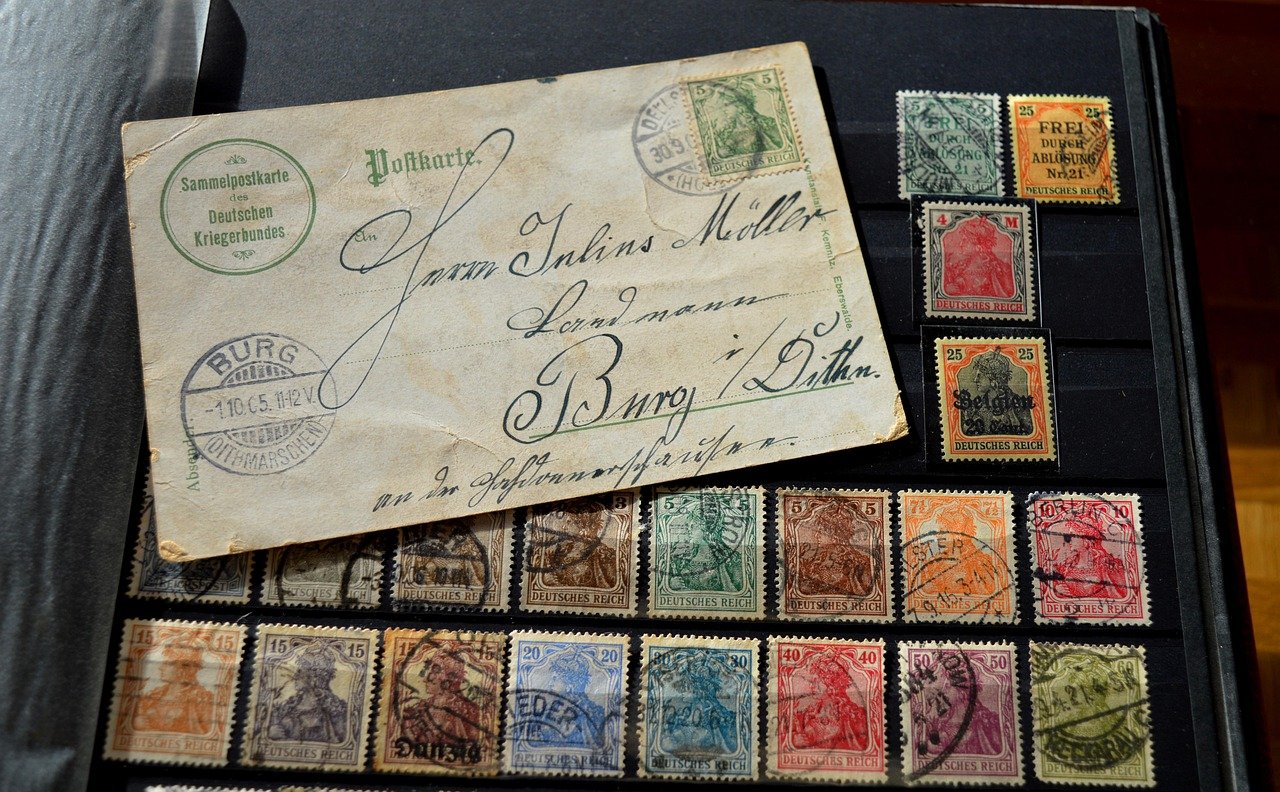
You may find an old envelope in a drawer, spot a faded stamp in the corner, and wonder whether you found a small fortune. A tiny square of paper can be worth millions. That possibility is exciting, and it happens often enough to keep the hope alive. The gap between a stamp that looks old and a stamp that sells for real money is large, and judging that gap decides the outcome. (Postage stamp)
This guide separates the genuine rarities from the overhyped ones, explains what actually drives value, and shows you how to check a collection without wasting money or getting fooled. It also covers the everyday mistakes that cost people the most, because most disappointment in this hobby comes from a handful of predictable errors.
Why Most Old Stamps Are Worth Almost Nothing
Here is the uncomfortable truth that experienced collectors learn quickly: age has almost no relationship to value. A stamp from 1890 can be worth pennies while one from 1970 can be worth thousands. What matters is supply relative to demand, not how long the paper has been sitting in a box.
The classic example is the Penny Black, issued in the United Kingdom in 1840 as the world’s first adhesive postage stamp. It is famous, historically important, and instantly recognizable. It is also not rare. Roughly 68 million were printed, and ordinary used copies turn up regularly and sell for modest sums. People who inherit one often assume it is a jackpot; in reality, it is a lovely piece of history with a modest price tag.
Contrast that with stamps printed in small batches, withdrawn quickly, or produced with a printing error. Those are the ones that climb. A stamp’s story matters as much as its age, and scarcity is the engine behind every serious price.
The Genuine Giants: Stamps That Have Sold for Millions
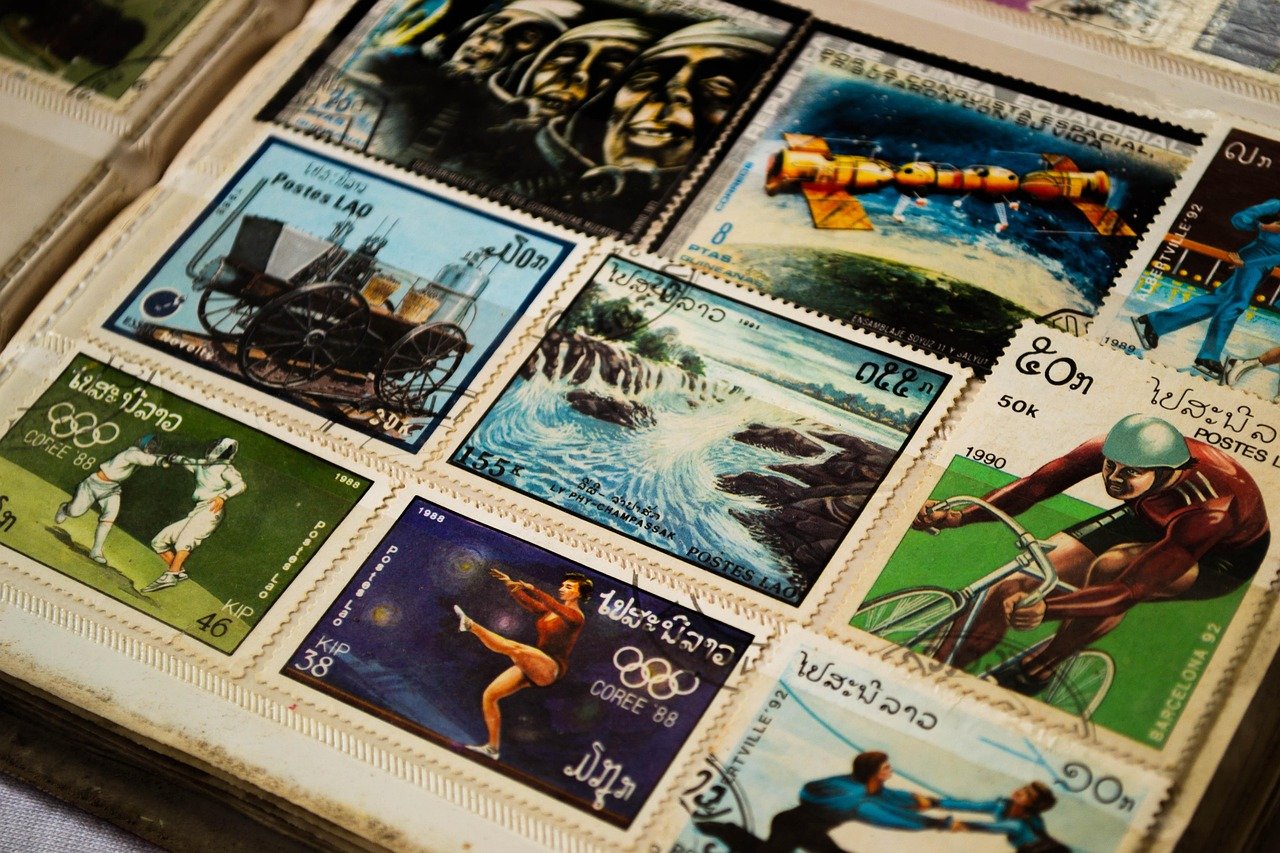
A tiny number of stamps sit at the very top of the market. These are the ones that make headlines, and they are worth understanding because they teach you what real rarity looks like.
The Inverted Jenny (United States, 1918)
The Inverted Jenny is a 24-cent US airmail stamp printed with the biplane upside down. A single sheet of 100 was sold before anyone caught the error, which means only 100 copies ever existed. Individual examples have sold for well over a million dollars, with a notable sale around $1.6 million in 2018. The Smithsonian’s National Postal Museum documents the 1918 airmail errors and the history behind this famous printing mistake, and it remains one of the best-known error stamps in the world.
The British Guiana 1c Magenta (1856)
Often described as the world’s rarest stamp, the British Guiana 1c magenta survives in only one known copy. It sold for roughly $9.5 million in 2014, a figure that made global news. One caution: “rarest stamp in the world” is a contested title, so treat that label as a claim attributed to auction houses and catalogues rather than an absolute fact.
The Treskilling Yellow (Sweden, 1855)
Sweden’s Treskilling Yellow was printed in the wrong color, yellow instead of the intended green. It has repeatedly broken records for a single stamp, with reported prices in the low millions of dollars. Exact figures vary by source and sale year, so always tie a number to a specific auction and date rather than quoting a floating price.
The Mauritius Post Office Stamps (1847)
Early Mauritius stamps bearing the inscription “Post Office” (later corrected to “Post Paid”) rank among the most sought-after classics. Values swing wildly with condition, so no single price applies. These are the stamps that appear in auction catalogues with long, careful descriptions.
| Stamp | Year | Why It’s Rare | Rough Price Range |
|---|---|---|---|
| British Guiana 1c magenta | 1856 | Only one known copy | Several million dollars |
| Treskilling Yellow | 1855 | Wrong color error | Low millions |
| Inverted Jenny | 1918 | Upside-down biplane error | Over $1 million for single copies |
| Mauritius “Post Office” | 1847 | Early, scarce, high demand | Varies widely by condition |
| US 65-cent Zeppelin | 1930 | Classic airmail rarity | Hundreds to thousands, depending on form |
What Actually Drives the Price of a Stamp
If you want to know whether a stamp is worth money, you need to think like a buyer. Four factors do most of the work.
Condition comes first. A stamp with full original gum, sharp perforations, and no thins or creases is worth far more than a battered twin. Even a tiny tear or a faded color can cut value dramatically.
Cancellation matters more than beginners expect. A light, clear, scarce postmark can raise the value of a used stamp, while a heavy smudged cancel can hurt it. Collectors pay premiums for unusual cancellations tied to specific places or dates.
Rarity is the obvious one, but it has layers. A stamp might be common overall yet rare on cover (still attached to its original envelope), rare in mint condition, or rare with a particular variety.
Demand decides whether rarity translates into money. Some genuinely scarce stamps sit unsold because few people collect that area. Others are common but beloved, so prices stay healthy.
The Practical Checks Anyone Can Do
You do not need to be an expert to sort a collection into “probably interesting” and “probably bulk.” A few simple steps will save you hours.
- Sort by country and era first. Group stamps into rough piles. This shows whether you have a focused collection or a random accumulation.
- Set aside anything with an obvious printing error. Upside-down centers, missing colors, and misperforations deserve a closer look.
- Look for early dates. Anything printed before roughly 1900 across most countries is worth checking individually.
- Check the back as well as the front. Original gum, hinge marks, and thins all change value.
- Keep stamps on their envelopes if they are still attached. A stamp on cover is often worth more than the same stamp soaked off.
- Photograph before you handle. Good photos protect you if you later seek an appraisal.
A common mistake is soaking stamps off paper to “clean them up.” That single habit destroys value more often than almost anything else. If a stamp is on a cover with a readable postmark, leave it alone.
How to Value a Collection Without Getting Burned
Many online “valuable stamps” lists exist mainly to sell advertising or drive clicks. They mix genuine rarities with ordinary stamps and imply everything is a treasure. For real numbers, look at auction archives and recognized catalogues such as Scott or Stanley Gibbons. Those sources show what buyers actually paid, not what a listicle claims.
For higher-value items, professional authentication matters. Expert committees examine stamps for forgeries, repairs, and regumming, and their certificates carry weight with buyers. If you are spending serious money, insist on certification. If you are selling, a certificate can pay for itself.
It also helps to think about what you are actually trying to do. If you are deciding whether a hobby is worth the ongoing spend, the same cost-versus-value logic applies as in other collecting hobbies, whether you are weighing an Xbox Game Pass subscription against the real prices and whether it’s worth it or comparing a tablet worth buying for beginners and everyday use. Stamps reward the same discipline: know the market before you commit.
Common Mistakes That Cost Collectors Money
Experience teaches a few lessons the hard way. These are the ones that come up again and again.
Assuming old equals valuable. As the Penny Black shows, fame and rarity are different things.
Trimming a stamp to make it look neat. Trimming destroys value instantly. Never cut a perforated stamp to square it off.
Storing stamps in damp places. Moisture causes foxing and rust, which are permanent. Dry, stable conditions protect value.
Buying from unfamiliar sellers without certification. Forgeries and repairs are common in the rare-stamp world, and a convincing copy can fool an untrained eye.
Chasing headlines. Record prices are set by exceptional single items. They tell you almost nothing about the broader market, which moves with collector demand and can be volatile.
There is also a personal-finance angle worth naming. Collectors who get excited by a find sometimes spend impulsively, and that is exactly how scams and bad purchases happen. The same caution applies online, where a gift card scam works so that victims rarely get their money back once funds are handed over. Treat any “guaranteed valuable stamp” offer with the same suspicion.
Where Everyday Value Actually Hides
Not every valuable stamp is a million-dollar headline. Most realistic finds sit in the hundreds or low thousands, and those are the ones a normal person might actually encounter.
Error stamps from any country attract steady demand, especially clear, dramatic errors.
Classic airmail issues, including the US Zeppelin stamps of 1930, hold value well, though the price depends heavily on whether a copy is mint, used, or on cover.
High-denomination stamps from inflationary periods can be surprisingly collectible, particularly in clean condition.
Stamps on original commercial covers with clear, dated postmarks often outperform the same stamp alone.
Complete, well-organized collections sometimes sell for more than the sum of their parts because buyers pay for the work already done.
If you are sorting a mixed box, resist the urge to chase only the famous names. A focused, well-documented group of mid-range material often sells faster and more predictably than a scattered pile of odds and ends.
Selling: Timing, Platforms, and Expectations
When it is time to sell, the platform shapes the outcome. Auction houses suit high-value rarities and provide authentication and reach. Specialist dealers offer speed and convenience but buy at wholesale. Online marketplaces work for mid-range material if you photograph carefully and describe honestly.
Timing matters too. Auction results set the tone for the market, and a strong sale in one area can lift interest in similar material. But do not wait forever for a perfect moment. A clear, certified stamp in a well-run auction usually finds its buyer.
One more practical note: keep records. Note where each stamp came from, what you paid, and any certificates. Documentation makes a collection easier to sell and harder to undervalue.
Conclusion
Stamps worth money exist, but they are rarer and more specific than most people imagine. The genuine giants, from the British Guiana 1c magenta to the Inverted Jenny, are extraordinary exceptions shaped by errors, tiny print runs, and fierce demand. The Penny Black reminds us that fame and value are not the same thing.
For anyone sorting a collection, the path forward is simple and unglamorous. Learn what drives value, check condition and cancellation, keep stamps on cover, avoid trimming and soaking, and rely on auction archives and certification instead of breathless online lists. Do that, and you will spot the real finds when they appear and avoid the expensive mistakes that catch everyone else.
Frequently Asked Questions
Are old stamps automatically worth money?
No. Age is a weak signal. The Penny Black is nearly two centuries old and still common because about 68 million were printed. Value comes from scarcity, condition, and demand, not from how long a stamp has existed.
What is the single most valuable stamp in the world?
The British Guiana 1c magenta is widely described as the world’s rarest stamp, with only one known copy, and it sold for roughly $9.5 million in 2014. That “rarest” label is contested, so treat it as a claim attributed to auction houses and catalogues rather than a settled fact.
How can I tell if a stamp is a forgery?
You usually cannot tell by eye alone. Forgeries, repairs, and regumming are common in the rare-stamp market, which is why expert certification matters for high-value items. Professional committees examine paper, gum, perforations, and printing details before issuing a certificate.
Should I soak stamps off their envelopes?
Generally, no. A stamp on its original cover, especially with a clear postmark, is often worth more than the same stamp removed. Soaking also risks damaging the stamp and destroying the postal history that gives it context.
Do printing errors always increase a stamp’s value?
Not always, but they often do, especially when the error is dramatic and the print run was small. The Inverted Jenny is the classic case: an upside-down biplane turned a routine airmail stamp into a seven-figure rarity. Minor, common errors add far less.
Where should I look up what a stamp is actually worth?
Use auction archives and recognized catalogues such as Scott or Stanley Gibbons, which record what buyers actually paid. Avoid promotional “valuable stamps” lists, which tend to mix genuine rarities with ordinary material and inflate expectations.



