
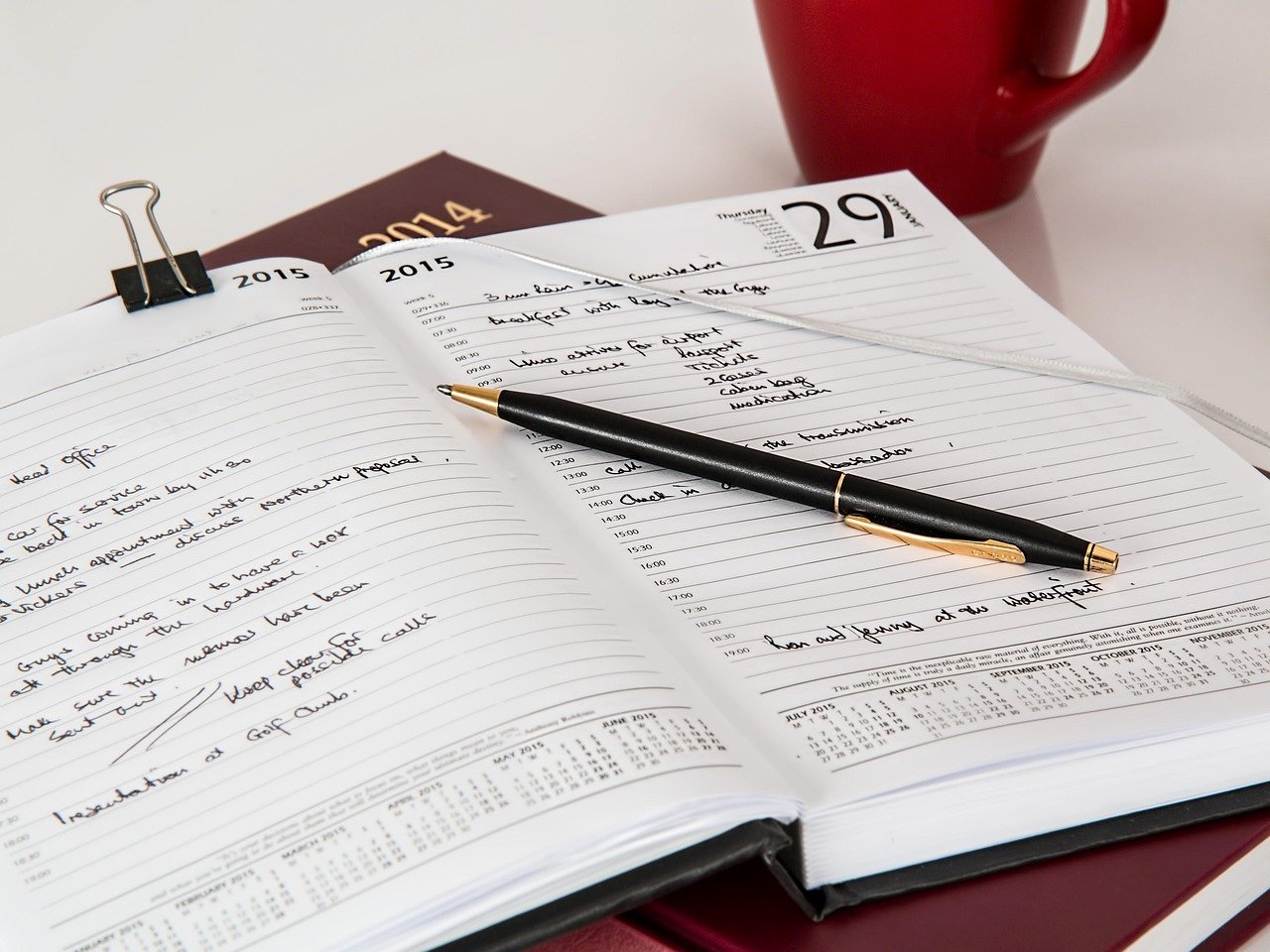
What if the only thing standing between you and a calmer mind is a blank page and ten quiet minutes? That sounds too simple, and in some ways it is. Journaling is not a magic cure. But it is one of the cheapest, most flexible tools for sorting out your thoughts, and the research behind it is real, if modest. The trick is starting small enough that you actually keep going. This guide walks through what the evidence actually supports, which method fits which goal, and the mistakes that make most beginners quit within a week.
Why Journaling Works, According to the Research
The most-studied version of journaling is expressive writing, developed by psychologist James Pennebaker. In the original experiments, participants wrote continuously for 15 to 20 minutes on several consecutive days about their deepest thoughts and feelings regarding a stressful experience. That basic protocol, described in the original expressive writing study, is the backbone of most structured journaling advice today. (Journaling file system (Wikipedia))
Here is the honest part: the effects are real but small. A large meta-analysis of expressive writing studies found only modest average benefits across outcomes like distress and physical health, with wide variation between studies. Some people benefit a lot. Some benefit barely at all. Anyone promising transformation from a notebook is overselling.
Other formats have their own evidence. Studies on gratitude lists found that people assigned to write down things they were grateful for reported better well-being than comparison groups, though samples were small and later replications have been mixed. A separate exercise called best possible self asks people to spend 20 minutes writing about their ideal future, and it has been linked to improved mood. None of these is proven superior to the others. There is no trial crowning one format the winner for beginners, which is genuinely good news: it means you can pick whatever you will actually do.
Pick Your Format Before You Buy a Notebook

Most people fail because they start with a vague intention (“I should journal”) rather than a specific method. Choosing a format first removes that friction. Here is how the common options compare. (How to start an ai automation agency)
| Format | Time per session | Best for | Evidence base |
|---|---|---|---|
| Expressive writing | 15–20 minutes | Processing a stressful event | Strongest studied protocol |
| Gratitude list | 5 minutes | Shifting attention to positives | Some randomized evidence |
| Best possible self | 20 minutes, 4 days | Mood boost, clarity on goals | Small but positive studies |
| Bullet log | 2–5 minutes | Tracking tasks and events | Practical, not clinical |
| Freeform diary | Any | General reflection | No specific protocol |
If someone is dealing with a specific worry, expressive writing is the natural starting point. If the goal is a lighter daily habit, a gratitude list or bullet log is easier to sustain. People who want direction in life often get more from the best possible self exercise than from daily diary entries. A practical walkthrough of using ChatGPT for beginners can help someone who wants prompts and structure without buying anything, though the writing itself should still be theirs.
Set Up the Habit So It Survives Week Two
Motivation fades. Structure does not. The single most useful technique here is the implementation intention, an “if–then” plan that specifies when and where you will act. A meta-analysis of if–then planning found a medium-to-large effect on goal attainment, which is a far stronger result than most journaling studies produce. In plain terms: “If it is 9 pm and I am at the kitchen table, then I write three lines” beats “I will journal more.”
How long until it feels automatic? A widely cited habit study found a median of 66 days for a new daily habit to become automatic, with a range from about 18 to 254 days. That figure came from simple eating, drinking, and activity habits, not journaling, so treat it as a rough guide rather than a promise. The takeaway is that two weeks of effort is not enough time to judge whether journaling suits you.
A few practical habits make the difference:
- Attach the writing to something you already do, like finishing coffee or getting into bed.
- Keep the pen and notebook in plain sight, or the app on your home screen.
- Set a timer for five minutes so the session has a clear end.
- Write the date at the top. It gives you a running start and makes rereading easier later.
- Skip days without drama. Missing once is normal; missing twice starts a new pattern.
For people who want a broader habit-building framework, a realistic roadmap for starting something new from scratch covers the same principles of small, repeatable steps.
What to Actually Write in the First Week
Beginners freeze because they think journaling requires profound insight. It does not. The first week should be deliberately shallow and easy. Here is a simple seven-day plan:
- Day 1: Write three things that went okay today, however small.
- Day 2: Describe one moment that annoyed you and what you wanted to happen instead.
- Day 3: Write five sentences about tomorrow, as if it goes well.
- Day 4: List three things you are grateful for and why each one matters.
- Day 5: Write for ten minutes about something on your mind, without editing.
- Day 6: Note one thing you noticed today that you would normally ignore.
- Day 7: Reread the week and write one sentence about how it felt.
That is it. No prompts app required, no leather-bound book. A cheap notebook and a pen work fine, and so does a notes file on a phone. The handwriting versus typing question is not settled: one well-known study found handwritten note-takers recalled conceptual material better than laptop users, but later replications have been mixed, and nobody has tested this specifically for personal journaling. Write however you will actually write.
The Mistakes That Make People Quit
Most journaling attempts fail for predictable reasons, and knowing them in advance helps.
Setting the bar too high. Writing a page a day sounds reasonable until a busy Tuesday arrives. Three sentences is a valid session. Consistency matters more than volume.
Turning it into a performance. Journals are not essays. If someone catches themselves writing for an imaginary audience, the practice has drifted off course.
Rumination disguised as reflection. This is the big one. Writing that loops on the same grievance night after night, without any movement toward understanding or resolution, tends to make people feel worse rather than better. Clinical guidance generally distinguishes processing feelings from repetitive brooding. A useful test: if a session ends with the same thought it started with, and the same intensity, try ending with one line about what could change or what is within your control.
Journaling only when things go wrong. If the notebook only appears during bad weeks, it becomes associated with crisis. A few light entries in good weeks keep the habit neutral.
Buying gear instead of writing. A nicer notebook does not create a habit. The pen you already own does.
Journaling on a Phone Without Regret
Digital journaling is convenient, searchable, and easy to do in bed without a lamp. It also raises a privacy question that paper does not. Anyone using a health or mood-tracking app should read the FTC’s guidance on health app privacy, which explains what companies can collect and how to check an app’s data practices before typing anything personal into it. A simple rule: if the app is free and asks for an account, spend two minutes reading the privacy policy before writing about anything sensitive.
Paper has its own risks, of course. Housemates read things. A locked drawer or a password-protected file solves most of it. The point is not to be paranoid but to remove the small hesitation that stops people from writing honestly. (Alefs 11 year flying car head start meets teslas roadster)
When Journaling Is Not Enough
Journaling is a self-help tool, not a treatment. If someone is dealing with persistent low mood, anxiety that interferes with daily life, or thoughts of self-harm, a notebook is not a substitute for professional help. The same applies if writing about a difficult memory consistently leaves someone more distressed rather than less. In those cases, stopping the practice and talking to a doctor or therapist is the sensible move, not a failure.
For everyone else, the realistic expectation is modest: clearer thinking, a place to put worries, and a record of how life actually went. That is worth ten minutes.
How to Start Journaling Tomorrow Morning
The plan can be reduced to four decisions made once. Choose a format from the table above. Choose a time and a trigger. Choose where the notebook or app lives. Choose a minimum session length so short it feels almost silly, like one sentence. Then write on day one, and again on day two, and let the evidence do the rest. (Mindfulness meditation (American Psychological Association))
If the bigger goal is building momentum on a project rather than processing feelings, the same small-steps logic applies to launching a low-investment business, and the habit mechanics transfer cleanly. Journaling rewards the same thing every other good habit does: starting smaller than feels impressive and showing up again tomorrow.
Frequently Asked Questions
How long should a journaling session be?
For expressive writing, the studied protocol is 15 to 20 minutes of continuous writing. For everyday journaling, five minutes is plenty. The length matters less than the regularity, and a short session done daily beats a long one done twice a month.
Is it better to journal by hand or on a phone?
Nobody knows for certain. Research on handwriting and memory has produced mixed results, and no study has tested it for personal journaling specifically. Handwriting may slow thinking down in a useful way, while a phone is easier to carry. The better option is the one that gets used.
How long does it take to become a habit?
A commonly cited figure is about 66 days, with a wide range from roughly 18 to 254 days. That research looked at simple daily habits, not journaling, so treat it as an estimate. Expect the first two weeks to feel effortful and the practice to settle somewhere in the second month.
What should someone write about on the first day?
Three things that went okay, in plain sentences. That is enough. Beginners who aim for deep insight on day one usually stop by day three. Depth comes later, once the habit exists.
Can journaling make anxiety worse?
It can, if the writing becomes repetitive brooding on the same worry without any shift in perspective. Ending each session with one line about what is within your control helps. If writing consistently leaves someone more distressed, they should stop and speak to a professional.
Does journaling have to be private?
It works best when it is. Writing for an audience changes what gets written, usually toward performance. Paper in a drawer or a password-protected file is enough. Anyone using an app should check its privacy terms before writing anything sensitive.
Conclusion
Starting a journal is not complicated, but it is easy to overcomplicate. The research points to a few modest, reliable tools: short expressive writing sessions for stress, gratitude lists for perspective, and if–then planning to make any of it stick. None of them requires a special notebook, an app subscription, or a personality change. What they require is a decision made in advance and a bar set low enough to clear on a bad day. Pick one format, attach it to something already in the day, and write three sentences tonight. That is the whole method, and it is enough to begin.



