
What if the most rewarding thing you do this year costs less than a takeout dinner and happens in a patch of grass you already ignore? Starting a vegetable garden is not complicated, but it is full of small decisions that quietly decide whether you harvest baskets of tomatoes or a sad row of wilted seedlings. The difference between the two is rarely talent. It is planning, timing, and a willingness to kill a few plants without taking it personally. (Alefs 11 year flying car head start meets teslas roadster)
This guide walks through the whole arc, from picking a spot to pulling your first carrot, with the practical details that beginners usually learn the hard way.
Start With the Sun, Not the Seeds
New gardeners tend to fall in love with seed catalogs before they ever look at their yard. Do it the other way around. Most vegetables that produce fruit, like tomatoes, peppers, squash, and cucumbers, want six to eight hours of direct sun a day. Leafy crops such as lettuce, spinach, and kale tolerate less, but even they sulk in deep shade.
Spend a day watching your yard. Note where the sun lands at 9 a.m., at noon, and at 4 p.m. A spot that looks bright in the morning may be shaded by a fence or a neighbor’s tree by afternoon. Trees also steal water and nutrients through their roots, so a sunny clearing under a big maple is a worse site than it appears.
Two more site checks matter:
- Water access. Hauling a watering can 100 feet gets old by week two. Pick a spot within hose reach.
- Slope and drainage. Vegetables hate standing water. Low spots that puddle after rain will rot roots.
If your only option is a patio or balcony, containers work fine for many crops. The method changes the details, not the fundamentals.
Decide How You Will Grow: In-Ground, Raised Bed, or Container
There is no single right answer here. Each method has a personality, and the best one is the one that fits your space, budget, and back.
| Method | Best for | Watch out for |
|---|---|---|
| In-ground beds | Large spaces, tight budgets | Poor native soil, weeds, compaction |
| Raised beds | Bad soil, small yards, accessibility | Cost of materials and soil mix, faster drying |
| Containers | Patios, renters, limited sun | Frequent watering, smaller harvests per plant |
In-ground gardening is the cheapest way to start, but it depends on what you are standing on. Heavy clay drains slowly; sandy soil dries out fast. A simple soil test from a local extension office tells you the pH and nutrient levels, which saves years of guesswork. (Start career esports gaming realistic roadmap)
Raised beds solve bad soil by replacing it. A bed 10 to 12 inches deep handles most vegetables, and it warms faster in spring. The trade-off is that you must buy or mix the fill, and raised beds dry out quicker in summer heat.
Containers are the most forgiving entry point for renters. Choose pots at least 12 inches across for herbs and greens, and larger for tomatoes. Never use garden soil in pots; it compacts into brick. Use a potting mix instead.
Pick Vegetables That Match Your Reality
The classic beginner mistake is planting everything. A garden that is too ambitious becomes a chore by July. Start with five to eight crops, and choose them by asking three questions: What do you actually eat? What grows well where you live? And how much time can you give it?
Easy, forgiving crops for first-timers include:
- Loose-leaf lettuce and spinach, which grow fast and can be harvested repeatedly
- Bush beans, which need no trellis and produce reliably
- Zucchini, which is almost embarrassingly productive
- Cherry tomatoes, which are more forgiving than large slicing varieties
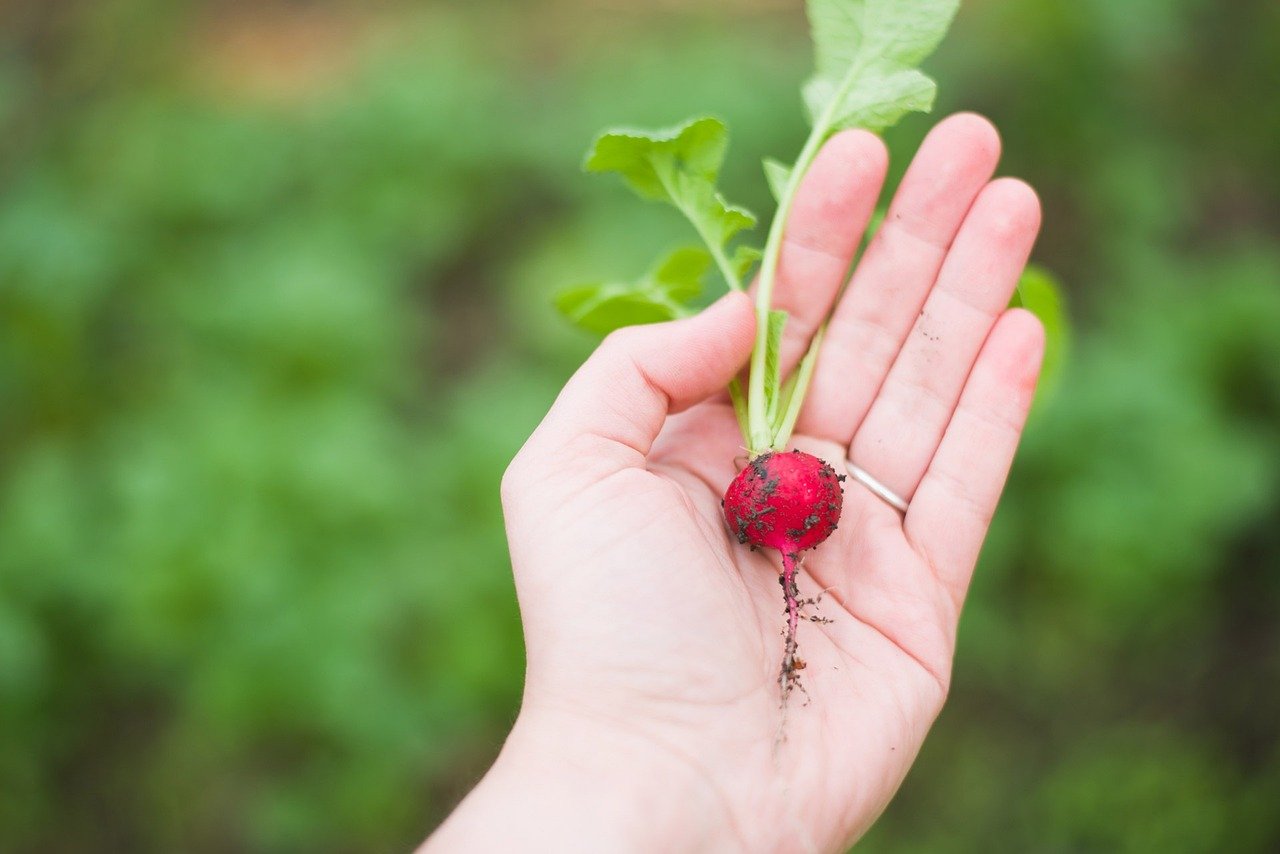
- Radishes, which mature in about a month and teach you how fast gardening moves
- Herbs like basil and parsley, which earn their space in the kitchen
Skip high-maintenance divas in year one. Cauliflower, celery, and eggplant demand consistent moisture and timing, and they punish small mistakes. Save them for when you know your garden’s rhythms.
Timing matters as much as selection. Every crop has a window, and those windows depend on your local last frost date, the average date of the final spring freeze. Your regional extension service publishes this for your area. Cool-season crops like peas and lettuce go in before that date; warm-season crops like tomatoes and peppers go in after the soil has warmed.
Prepare the Soil Like It Is the Whole Job
Here is the unglamorous truth: soil is the engine. Feed it well and most other problems shrink. The best move for a new bed is to smother the grass rather than fight it. Lay cardboard over the area, wet it thoroughly, and cover it with several inches of compost. Give it a few weeks, and the grass dies underneath while worms and microbes get to work.
For an existing bed, spread two to three inches of finished compost on top each year and let it work in. Do not dig it deep; gentle mixing is enough. Compost improves both sandy and clay soils, which is a rare trick. (Compost)
If you want to build your own compost from kitchen scraps and yard waste, it is a genuinely satisfying project, and a guide to starting composting at home without smells or fuss covers the ratios and troubleshooting in detail.
A few soil habits that pay off:
- Test before you amend. Adding lime or fertilizer blindly can make things worse.
- Mulch everything. Two to three inches of straw or leaves keeps moisture in and weeds down.
- Do not walk on beds. Compaction squeezes the air out of soil, and roots need air.
- Rotate crops each year. Moving plant families around interrupts pest and disease cycles.
Plant With Care, Then Water Like You Mean It
Seeds are cheap; seedlings are faster. Direct-sow the crops that resent transplanting, like carrots, beans, and radishes. Start tomatoes and peppers indoors or buy starts from a nursery. When you transplant, set the seedling slightly deeper than it grew in its pot, especially tomatoes, which sprout roots along the buried stem.
Watering is where most beginners go wrong, in both directions. Shallow daily sprinkling creates weak, surface-rooted plants. Deep, less frequent watering pushes roots down and builds resilience. Aim for about an inch of water per week, delivered in one or two long sessions, and water at the soil line in the morning rather than on the leaves at night. Wet foliage invites disease.
A simple test: push a finger two inches into the soil. If it is dry down there, water. If it is damp, wait.
Keep Up With the Small Jobs
A garden does not need hours a day, but it does need attention. Fifteen minutes of walking through the beds every few days catches problems while they are small. Weeds are easiest to pull when they are tiny. Pests are easiest to manage before they multiply. A plant that looks off is easier to diagnose before it collapses.
Common beginner mistakes worth naming outright:
- Planting too close together. Seedlings look sparse, so people crowd them. They then compete for light and air, and disease spreads fast. Follow spacing on the packet, even when it feels wasteful.
- Skipping support. Tomatoes, peas, and cucumbers need stakes or trellises early, not after they have flopped over.
- Ignoring the weather. A heat wave or a cold snap can undo weeks of growth. Shade cloth and row covers are cheap insurance.
- Overwatering as sympathy. Wilting does not always mean thirst. Check the soil first.
The tools you need are modest: a trowel, a hand fork, a hose or watering can, gloves, and something to kneel on. Skip the gadget aisle. Gardeners with full sheds still use the same five things.
Grow Your Skills Alongside the Plants
The learning curve is real, and it is part of the appeal. Every season teaches something the books cannot, because your soil, your weather, and your habits are specific to you. Keep a simple notebook: what you planted, when, what worked, what failed. Year two will be dramatically easier because of it.
If you enjoy the planning side of things, the same structured thinking that makes gardens work shows up elsewhere. The principles of testing, iterating, and starting small translate directly, whether you are reading about how to start a small business on a low investment with a practical playbook or learning how to use ChatGPT for beginners with a start-to-finish walkthrough. The habit of beginning before you feel ready is the same in a garden bed and in a new project.
There is also a quieter benefit. Gardening is one of the few hobbies where doing less, at the right moments, is often the correct answer. Plants want to grow. Your job is mostly to remove obstacles: too much shade, too little water, too many weeds.
Conclusion
Starting a vegetable garden comes down to a short list of decisions: find the sunniest spot you have, choose a growing method that fits your space, pick a handful of crops you will actually eat, feed the soil, and water deeply rather than often. Everything else is refinement.
The first season will not be perfect. Something will bolt, something will get chewed, and something will surprise you by thriving. That is not failure; it is the normal entry fee. The gardeners with the best harvests are simply the ones who kept showing up after the first disappointing week. Pick a spot this weekend, cover the grass, and let the season do the rest.
How much sun does a vegetable garden need?
Most fruiting vegetables, including tomatoes, peppers, squash, and cucumbers, need six to eight hours of direct sun daily. Leafy greens and root crops can manage with four to six hours, though they grow more slowly and produce less in shade. Track sunlight across a full day before committing to a spot.
When should a beginner plant a vegetable garden?
Timing depends on your local last frost date. Cool-season crops like peas, lettuce, and radishes can go in a few weeks before that date. Warm-season crops like tomatoes, peppers, and beans should wait until the soil has warmed and frost risk has passed. Your regional extension service publishes local dates.
How much does it cost to start a vegetable garden?
A basic in-ground garden can start for very little: seeds, a trowel, and a few bags of compost. Raised beds and containers cost more because you must buy the structure and the soil mix. The biggest variable is how much you invest in beds and soil upfront versus building gradually over several seasons.
How often should a new garden be watered?
Aim for about an inch of water per week, delivered in one or two deep sessions rather than daily sprinkling. Check the soil by pushing a finger two inches down; water only when it is dry at that depth. Containers and raised beds dry out faster and may need more frequent attention in hot weather.
What are the easiest vegetables for first-time gardeners?
Loose-leaf lettuce, bush beans, zucchini, radishes, cherry tomatoes, and herbs like basil are all forgiving and productive. They tolerate minor mistakes and reward regular harvesting. Avoid fussy crops such as cauliflower, celery, and eggplant until you understand how your garden behaves through a full season.
Do I need to test my soil before planting?
A soil test is worth the small cost, especially for in-ground beds, because it reveals pH and nutrient levels you cannot see. Without one, you risk adding amendments you do not need. Raised beds filled with a fresh compost-based mix are more predictable, but testing still helps after a season or two.



