

What makes a small Florida city on a river worth seeking out when there are hundreds of beach towns competing for attention? For Stuart, the answer comes down to water. The city sits on the St. Lucie River where it meets the Indian River Lagoon and, through the inlet, the Atlantic Ocean. That geography shaped nearly everything about the place: its fishing fame, its economy, its environmental battles, and the rhythm of daily life for the roughly 17,000 to 19,000 people who call it home.
Stuart is the seat of Martin County on Florida’s Treasure Coast, a stretch of shoreline named for the treasure fleets that wrecked offshore centuries ago. It has a walkable downtown, a working waterfront, and a reputation that reaches well beyond its size. But it also has real problems, most of them tied to the same water that made it famous. This guide covers what the city is actually like, from its history and landmarks to the practical questions visitors and prospective residents tend to ask.
Where is Stuart, and what makes its location matter?
Stuart occupies a narrow strip of land between the St. Lucie River to the south and the Indian River Lagoon system to the north and east. The St. Lucie Inlet, cut through the barrier island, connects those inland waters to the Atlantic. That arrangement gives the city something unusual: protected inshore waterways for boating and fishing, plus open ocean within a short run.
The location drives the local economy. Marinas, boatyards, charter operations, and waterfront restaurants cluster along the river. The downtown core, centered on Flagler Avenue and Osceola Street, sits right at the river’s edge, which is why so much of Stuart’s social life happens within sight of water.
It also drives the city’s biggest headache. The St. Lucie River and Indian River Lagoon have suffered from serious water-quality problems, including algal blooms and damaging discharges from Lake Okeechobee that flow east through the St. Lucie Canal. These discharges carry nutrient-rich freshwater into what should be a brackish estuary, and the ecological and economic fallout has been a dominant local policy issue for years. If you are considering a move, this is not a footnote. It affects property values in some areas, shapes local politics, and comes up in nearly every conversation about the region’s future.
A short history of the Sailfish Capital
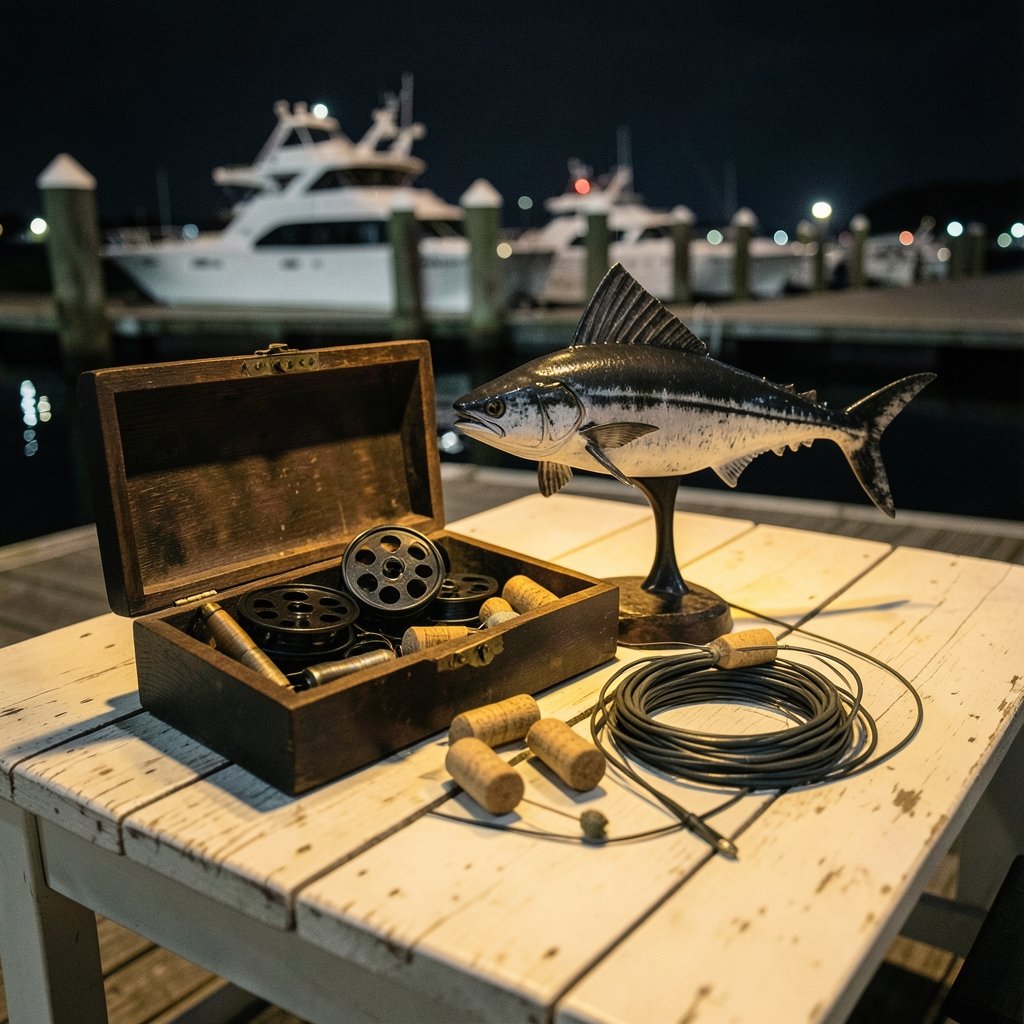
The area was settled in the late 19th century, and Stuart was incorporated in the early 20th century, commonly cited as 1914. Its early economy leaned on fishing, pineapple farming, and later citrus. The completion of the inlet and the arrival of sport fishermen in the early decades of the 1900s put the town on the map.
The city’s nickname, Sailfish Capital of the World, comes from that era. Stuart became a winter destination for anglers chasing sailfish, and the tradition continues through tournaments and a charter fleet that still operates from local docks. The nickname is promotional, but it is not invented out of nothing: the offshore waters genuinely hold sailfish, and the city’s identity is built on that fishery.
Martin County government offices and a courthouse are in Stuart, giving it administrative weight beyond its population. The Elliott Museum, on Hutchinson Island just across the bridge, holds a collection that includes vintage automobiles and Americana, and the House of Refuge, a restored 19th-century shipwreck survivor station, sits nearby on the barrier island. Both are worth a half day if you are visiting.
What is there to actually do in Stuart?
The honest answer is that Stuart rewards people who like being on or near the water. If you want theme parks and nightclubs, this is not your town. If you want to fish, paddle, boat, or eat seafood with a view, it delivers.
On the water
- Fishing charters: Inshore for snook, redfish, and trout; offshore for sailfish, dolphin, and wahoo. Book ahead in winter, when demand peaks.
- Kayak and paddleboard rentals: The river’s calm backwaters and mangrove creeks are ideal for beginners. Launch points exist on both sides of the river.
- Boating: Several full-service marinas offer slips, fuel, and repairs. The inlet is navigable but demands attention to tides and shoaling, so check local guidance before running it for the first time.
On land
Downtown Stuart is compact and walkable. Flagler Avenue has restaurants, bars, and shops, and the Riverwalk along the waterfront is a pleasant stroll, especially in the cooler months. The city also hosts recurring events, including a weekly green market and seasonal festivals, though schedules change, so confirm before planning a trip around one.
Golf, tennis, and pickleball are widely available through public and semi-private facilities in the area. For a broader look at how Florida communities compare on livability measures, resources like this rundown of the best states to live in can help frame the decision, though state-level data always needs local verification.
What is the weather really like?
Stuart has a tropical-leaning subtropical climate: hot, humid summers and mild, drier winters. Summer afternoons bring thunderstorms with regularity, and the Atlantic hurricane season runs from June through November, with peak risk usually in late summer and early fall.
| Season | Typical feel | What to plan for |
|---|---|---|
| Winter (Dec–Feb) | Mild, drier, busiest | Book lodging and charters early; crowds peak |
| Spring (Mar–May) | Warming, breezy | Good fishing; pollen and afternoon wind |
| Summer (Jun–Sep) | Hot, humid, stormy | Early mornings outdoors; storm prep matters |
| Fall (Oct–Nov) | Cooling, hurricane risk | Flexible travel plans; watch forecasts |
The practical tip seasoned residents offer: do outdoor activity before 10 a.m. in summer, and never schedule a boat day without checking the marine forecast the same morning. Afternoon storms build fast.
What should you know before moving to Stuart?
Moving questions deserve straight answers, and the most common mistake people make is visiting in February and buying in April. Winter Stuart and summer Stuart are different places. Spend time here in August before committing.
Housing costs run above the national average, and waterfront property commands a steep premium. Inland neighborhoods are more attainable. Insurance is the sleeper issue: Florida homeowners insurance has become expensive and, in some cases, hard to secure, particularly for older homes and properties in flood zones. Get quotes before you make an offer, not after.
Flood risk deserves its own line. Parts of the city sit low, and the combination of heavy rain, storm surge, and high tides can cause street flooding. Check flood maps for any address you consider, and ask about elevation and past water intrusion.
Jobs cluster around healthcare, government, marine trades, hospitality, and small business. Some residents commute south toward Palm Beach County for higher wages. Remote workers with portable incomes tend to find the math easier.
For anyone comparing regions or planning a move, the same discipline applies everywhere: verify local numbers rather than trusting broad state rankings. A tool like a states and capitals game is a fun way to learn U.S. geography, but it will not tell you what a flood zone means for your insurance premium. That takes a local call.
How does Stuart compare to nearby alternatives?
Stuart sits in a crowded field of Treasure Coast and South Florida towns. Here is a plain comparison based on general reputation and scale:
| Place | Character | Trade-off vs. Stuart |
|---|---|---|
| Stuart | Small-city waterfront, strong fishing identity | Less nightlife and retail than bigger cities |
| Port St. Lucie | Larger, suburban, more new construction | More sprawl, less walkable downtown |
| Jensen Beach | Beach-oriented, close to Stuart | Smaller commercial core |
| Fort Pierce | Bigger, more affordable, working waterfront | Rougher edges in some areas |
| Palm Beach Gardens | Upscale, heavy retail and dining | Much higher cost of living |
The pattern is consistent: Stuart trades size for character. People who choose it usually care more about the river and the downtown than about having every chain store within five minutes.
What are the common mistakes visitors and newcomers make?
First, underestimating the sun and heat. Visitors from cooler climates routinely plan full-day outdoor itineraries in July and run out of steam by noon. Hydrate, use shade, and build in an afternoon break.
Second, ignoring the inlet’s conditions. The St. Lucie Inlet is not a casual run for inexperienced boaters. Tides, wind against current, and shifting shoals create genuinely dangerous conditions. Take local advice or hire a guide for your first transit.
Third, assuming the water is always swimmable or fishable. Water-quality advisories happen, and blue-green algae blooms have affected the river in past years. Check current conditions before planning a day on the water, especially after heavy rain.
Fourth, treating hurricane season casually. Newcomers often wait too long to prepare. Have a plan, know your evacuation zone, and stock supplies before a storm is named. The same practical thinking applies to any major purchase or setup decision: do the homework first. If you are outfitting a home office or boat, resources like this guide to whether a power supply unit is worth buying for beginners follow the same principle of checking specs before spending.
What about the environment and the future?
The health of the St. Lucie River and Indian River Lagoon is the central long-term question for Stuart. The estuary supports seagrass, oysters, manatees, and a recreational fishery worth a great deal to the local economy. When blooms and discharges hit, everything downstream suffers, including businesses that depend on clean water.
Local advocacy around water quality is strong, and the issue crosses party lines because it is economic as much as ecological. Anyone moving here should understand that this debate is ongoing, not settled. It affects policy, property, and the character of the place.
On the technology side, the region, like the rest of Florida, is watching the shift toward electric vehicles and the battery systems that support them. Coverage of how solid state battery technology could drive the next EV power shift is relevant to anyone thinking about long-term infrastructure, though adoption timelines remain uncertain. For homeowners curious about the basics, this beginner’s explanation of how solid state batteries work step by step covers the fundamentals without the hype.
Conclusion
Stuart is not a generic Florida beach town, and that is precisely its appeal. It is a small city with a real downtown, a genuine fishing heritage, and a waterfront identity that shapes both its economy and its politics. It is also a place with honest challenges: expensive insurance, flood exposure, hurricane risk, and a river system under real stress.
The people who thrive here tend to be those who did their homework. They visited in the off-season, checked flood maps, got insurance quotes early, and accepted that the water is both the attraction and the responsibility. If that trade-off sounds reasonable, Stuart rewards it with a pace of life that is hard to find in the bigger metros up and down the coast. If you want guarantees and calm, look elsewhere. Few places on the water offer those, and Stuart never pretended to.
Frequently Asked Questions
What is Stuart, Florida known for?
Stuart is best known as the Sailfish Capital of the World, a title earned through its sportfishing history. It is also recognized for its walkable downtown on the St. Lucie River, its role as the Martin County seat, and its ongoing fight over water quality in the St. Lucie River and Indian River Lagoon.
Is Stuart, Florida a good place to live?
It depends on what you want. Stuart offers a small-city feel, strong boating and fishing access, and a compact downtown. Downsides include above-average housing costs, expensive homeowners insurance, flood risk in low-lying areas, and hurricane exposure. Visiting in summer before buying is the most common piece of advice from residents.
What is the best time of year to visit Stuart?
Winter and early spring, roughly December through April, bring the mildest weather and the busiest season. Anglers favor winter for sailfish. Summer is hot, humid, and stormy, but it is also quieter and cheaper. Hurricane season runs June through November, so flexible travel plans help in fall.
How big is Stuart, Florida?
Stuart is a small city with a population commonly estimated in the range of roughly 17,000 to 19,000 residents. It serves as the county seat, so the daytime population swells with people working at government offices and courthouses.
Can you swim or fish in the St. Lucie River?
Sometimes, but conditions vary. The river has experienced algal blooms and water-quality problems linked to Lake Okeechobee discharges. Check current advisories before swimming or fishing, and be especially cautious after heavy rain. Local fishing guides are a good source of up-to-date conditions.
What are the main risks of living in Stuart?
The main risks are hurricane and tropical storm exposure, flooding in low-lying neighborhoods, rising insurance costs, and environmental stress on the local waterways. None of these are unique to Stuart, but all of them deserve serious attention before you buy property or plan a long stay.



