

What if the hardest part of a film festival isn’t getting tickets, but simply figuring out what’s playing where, and when? That is the puzzle thousands of movie lovers face every spring when the TCM Classic Film Festival schedule goes live. Turner Classic Movies built its reputation on showing old movies, and its annual Hollywood gathering turns that mission into a few days of premieres, restorations, and rare screenings. The schedule is the map for all of it, and reading it well is the difference between a smooth weekend and one spent sprinting between theaters.
This guide walks through how the schedule is organized, how to plan around it, and where the phrase “TCM schedule” means something entirely different. It also covers practical habits that save time, plus the mistakes that trip up first-timers.
What “TCM Schedule” Usually Means
The phrase is ambiguous, and that matters before anyone starts searching. In most everyday searches, TCM schedule refers to one of two things: the on-air programming grid for the Turner Classic Movies cable channel, or the event timetable for the TCM Classic Film Festival in Hollywood. A third meaning exists in health contexts, where TCM stands for traditional Chinese medicine and “schedule” means a dosing or treatment plan. Knowing which one you need saves a lot of scrolling.
| Meaning | What the schedule covers | Where it lives |
|---|---|---|
| Channel schedule | Daily and monthly film airtimes on the TCM network | The channel’s own schedule pages |
| Festival schedule | Screenings, venues, and times for the annual Hollywood event | The official festival site |
| Traditional Chinese medicine | Dosing frequency and course length for herbs or acupuncture | Individual practitioner plans |
The first two dominate search traffic. The third is a separate topic with its own rules, covered further down.
How the TCM Classic Film Festival Schedule Is Built
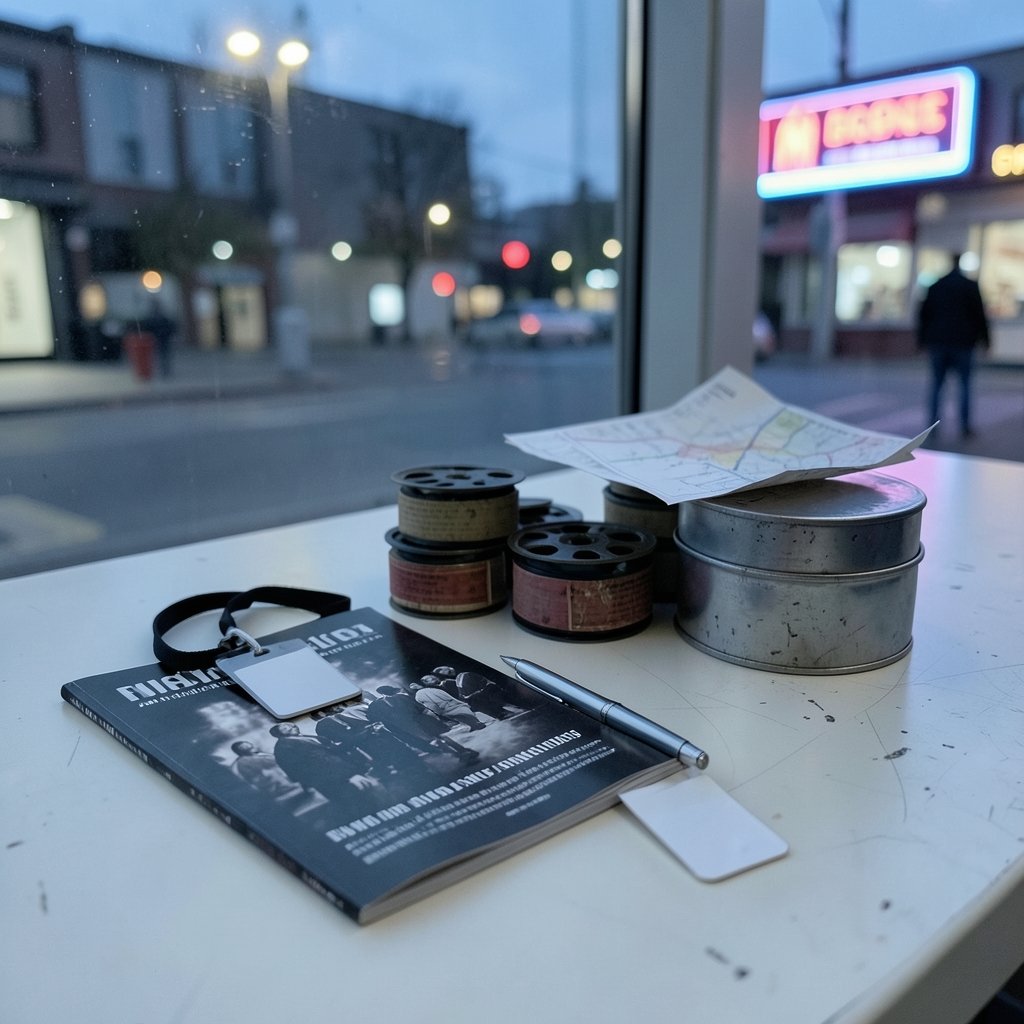
The festival began in April 2010 and has run annually in Hollywood since, drawing crowds to historic venues including the TCL Chinese Theatre and the Egyptian Theatre. The schedule is not a single flat list. It is a grid of screenings spread across several days and multiple venues, and it typically appears in stages rather than all at once. Early announcements tend to cover headline titles and special guests; the full grid with times and rooms usually lands closer to the event.
That staggered release is the first thing to understand. People who check once in January and assume nothing is final often miss the early windows when passes and individual tickets are easiest to secure. The official festival site is the only authoritative source for dates, venues, and times, and third-party roundups frequently lag behind it or contain errors.
The Programming Tracks
Festival programming is grouped into themed tracks rather than dumped into one alphabetical list. Typical categories include red-carpet premieres of restored classics, curated Essentials selections, and poolside or late-night screenings with a looser atmosphere. Each track carries its own character. A premiere in a large theater feels like an event; a smaller retrospective screening feels like a seminar. Reading the track labels first helps you decide where to spend your limited hours.
Venues and Travel Time
The venues sit within walking distance of each other in the Hollywood area, but “walking distance” assumes you have actually walked it. A screening that ends at one theater and a Q&A that begins ten minutes later at another is technically possible and practically miserable. The schedule lists times; it does not list the five minutes you lose exiting a packed auditorium. Build buffer into every transition.
How to Plan Around the Festival Grid
A festival schedule rewards planning but punishes overplanning. The most common failure is a back-to-back lineup with no slack, which collapses the moment one screening runs long or a line forms early. A few habits work reliably.
- Mark must-see screenings first, then fill gaps with second choices.
- Leave at least one open slot per day for discoveries or rest.
- Note venue changes and group screenings by location to cut walking.
- Check the official site again in the final weeks, since times can shift.
- Keep a backup title ready for any slot that sells out.
The backup plan matters more than people expect. Popular restorations and appearances by surviving cast or crew draw long lines, and pass holders sometimes find a room full before general admission even begins. Having a second choice in the same time block keeps the day moving.
Passes, Tickets, and Timing
Pass tiers determine when holders can enter a venue, and the schedule interacts with that access. A pass that gets you in early changes which screenings are realistic. Individual tickets for select screenings may be sold separately. Because policies and prices change year to year, the festival’s own pages are the place to confirm details rather than any summary written months earlier.
Digital Tools That Help
Anyone juggling multiple days of screenings benefits from a simple digital system. Calendar apps can hold the grid, and reminders reduce the chance of missing a start time. For phone-based planning, this walkthrough on how to schedule text messages on Android with Google Messages or Samsung shows how to queue reminders or messages to friends meeting you at a venue. On a laptop, the same logic applies to email confirmations and ticket receipts; a step-by-step guide to scheduling email in Gmail helps you send plans to a group before the trip. Neither tool replaces the official grid, but both cut the friction of coordinating a group.
Reading the Channel Schedule
For viewers at home, the TCM schedule is the daily and monthly list of films airing on the network, which launched on April 14, 1994. The channel’s own schedule pages are the authoritative source for airtimes and update continuously, which is why cached listings and old TV guide scans go stale fast.
A few practical notes help here too. Time zones shift listed airtimes, so a film advertised for 8 p.m. Eastern starts at 5 p.m. Pacific. Overnight blocks often carry themed programming, and late-night slots sometimes hold the more obscure titles that dedicated viewers seek out. Recording or streaming options vary by provider, so the safest approach is to check the schedule close to the air date and set a recording rather than relying on memory.
The channel’s ownership and branding have shifted in recent years, so details about current operators are worth confirming rather than assuming. What has not changed is the core function: the schedule tells you what is on, and it is updated by the people who run the network.
When TCM Means Traditional Chinese Medicine
Search interest in “TCM schedule” also comes from people looking at treatment plans. In traditional Chinese medicine, a schedule usually refers to how often an herbal formula is taken or how frequently acupuncture sessions occur, plus how long a course of treatment lasts. There is no single official document that standardizes this, because the frameworks differ by country and by practitioner.
The U.S. National Center for Complementary and Integrative Health offers a plain-language overview of what traditional Chinese medicine involves and what the evidence shows, including notes that evidence for many practices is limited or mixed and that herbal products can interact with prescription drugs. That interaction risk is the detail most often missed. A patient who starts an herbal formula without telling their doctor or pharmacist is taking a real, avoidable chance.
Terminology has become more standardized over time. The World Health Organization adopted a chapter on traditional medicine conditions in the eleventh revision of its classification system at the World Health Assembly in May 2019, and its explainer on the traditional medicine conditions module in ICD-11 describes how those categories are defined. Standardized terms help researchers compare studies, but they do not create a universal dosing timetable. (Traditional Chinese medicine)
Acupuncture frequency illustrates the gap. Clinical trials commonly report something like two or three sessions per week for four to eight weeks, but protocols vary widely across studies, and a search of randomized trials on acupuncture session frequency shows how much the designs differ. Anyone given a schedule by a practitioner should treat it as individual advice, not a standard that applies to everyone.
Common Mistakes That Wreck a Schedule Plan
The same errors show up again and again, whether the schedule belongs to a festival, a channel, or a clinic.
Trusting a secondary source. Third-party lists and screenshots go out of date. The primary source is the only one that reflects late changes.
Ignoring time zones. A listed time without a zone is a guess. Confirm which zone the schedule uses before setting an alarm.
Booking every hour. Fatigue is real. A schedule with no gaps produces a person who leaves early and misses the thing they came for.
Skipping the fine print on access. Entry rules, standby lines, and pass tiers determine what a schedule entry actually means for you.
Forgetting the practical layer. Food, parking, and travel between venues are not on the grid but decide whether you make the next screening. For multi-day events, a little automation helps; a guide to scheduling tasks in Windows 11 to automate recurring jobs covers setting up repeating reminders or backups so planning does not eat the trip. Home systems benefit from the same discipline, as explained in this look at how often NAS scrubbing schedules should run data scrubs, where a badly timed job can slow everything else down.
Conclusion
The phrase “TCM schedule” points in three directions, and each rewards a different approach. For the festival, the winning strategy is early checking, realistic buffers, and a backup title for every slot. For the channel, it is trusting the live grid instead of a stale listing. For traditional Chinese medicine, it is treating any schedule as individual advice and telling your doctor about every supplement. In all three cases, the pattern is the same: go to the primary source, plan for friction, and leave room for the unexpected. A schedule is a tool, not a script, and the people who enjoy it most are the ones who use it to find the good stuff rather than to race through everything.
Frequently Asked Questions
When is the TCM Classic Film Festival schedule released?
The festival has run annually in Hollywood since April 2010, and its schedule is released in stages rather than all at once. Headline titles and guests tend to be announced first, with the full grid of times and venues appearing closer to the event. Because timing varies by year, the official festival site is the only reliable place to confirm dates.
Does the TCM channel schedule change often?
Yes. The on-air grid updates continuously, and listings can shift as programming is adjusted. The channel’s own schedule pages are the authoritative source, and cached listings, printed guides, and screenshots are frequently out of date. Check close to the air date and set a recording rather than relying on memory.
What does a TCM schedule mean in traditional Chinese medicine?
It usually refers to how often an herbal formula is taken or how frequently acupuncture sessions occur, plus the length of a course of treatment. These plans are individualized, and no single official standard exists across jurisdictions. Anyone with a treatment plan should confirm it with their practitioner and mention all supplements to their doctor.
Can herbal TCM products interact with prescription drugs?
They can. Herbal products may interact with medications, which is why health agencies advise telling your doctor or pharmacist about everything you take. Evidence for many traditional practices is also limited or mixed, so a schedule from a practitioner should be treated as personal advice rather than a general rule.
How early should I arrive for a festival screening?
Earlier than feels necessary. Popular restorations and appearances by cast or crew draw long lines, and rooms can fill before general admission begins. Arriving well ahead of the listed start time, and having a backup title in the same block, protects the rest of your day.
Is it worth planning every hour of a festival schedule?
Usually not. A lineup with no gaps collapses the moment a screening runs long or a line forms. The most reliable approach is to lock in must-see titles, leave at least one open slot per day, and group screenings by venue to cut walking time between theaters.



