
What makes a football game matter more than a conference title or a bowl bid? For fans of Texas A&M and Texas, the answer is simple: it is the renewal of a feud that stretches back to 1894. The two programs spent more than a decade apart, separated by conference realignment and stubborn pride. Now they share a conference again, and every meeting carries the weight of family history, old grudges, and bragging rights across the entire state. This guide breaks down how the rivalry works, why it stopped, what changed, and what fans should watch for when the two teams line up.
Why Texas A&M vs Texas Matters Beyond Football
The Lone Star Showdown is the name most fans use for the Texas A&M vs Texas football series, and the label fits. These are two of the largest public universities in the country, and their alumni networks spread across every corner of Texas. When the teams play, the argument spills out of the stadium and into living rooms, offices, and tailgates.
The series began in 1894, which puts it among the oldest continuous college football rivalries in the South. Official records and season-by-season results are maintained by the athletic departments themselves, and fans who want exact figures should check the Texas A&M athletics football page rather than rely on memory. All-time series counts shift with every meeting, and unofficial tallies often disagree.
What makes the rivalry unusual is that it has never been only about the score. It is about identity. Texas A&M leans on tradition, the Corps of Cadets, and a culture built around loyalty. Texas leans on a big-city flagship identity and a long record of national relevance. Those two self-images clash in a way that a trophy can never fully capture.
A Rivalry With a Trophy and a Name
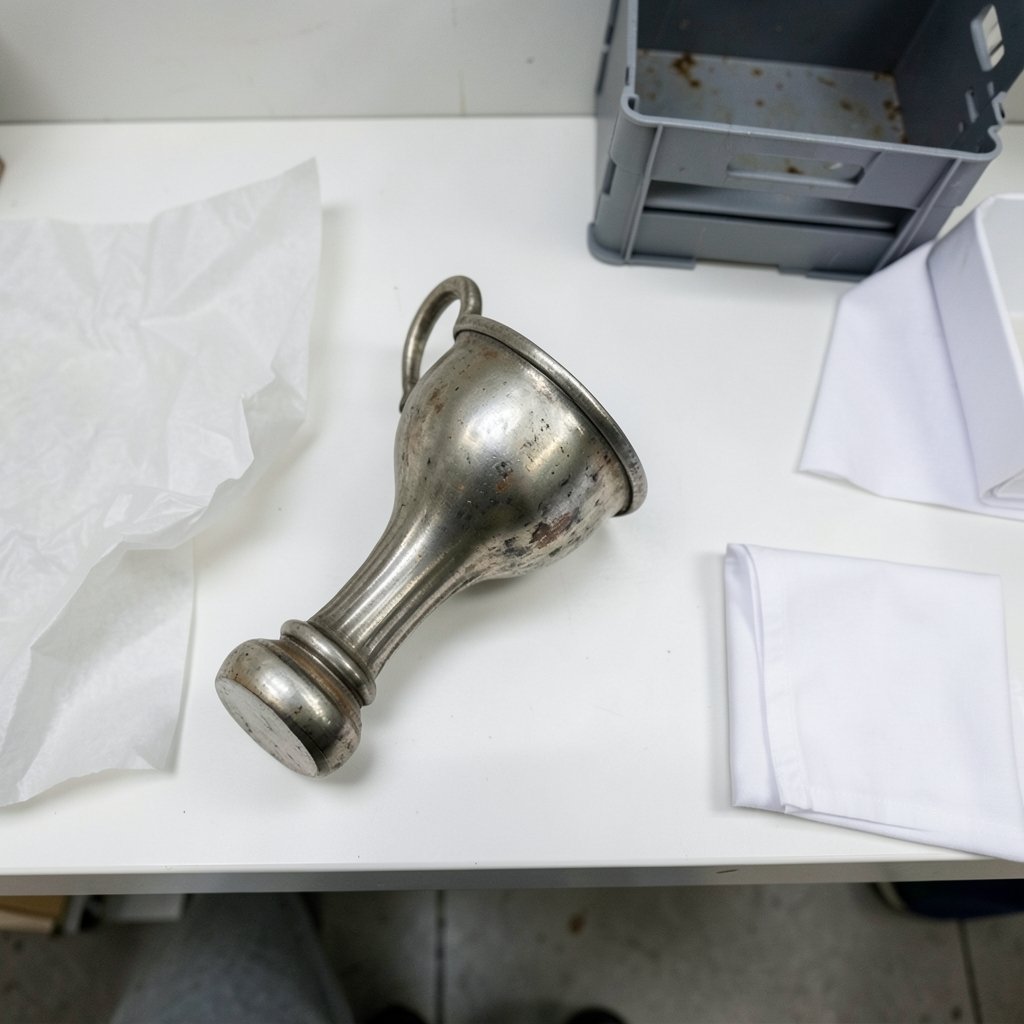
From 2004 through 2011, the winner of the game took home the Lone Star Showdown trophy, sponsored at the time by State Farm. The trophy era gave the series a formal structure and a marketing identity, and it produced some of the most memorable games in the rivalry’s modern history.
But the name and the trophy were never the point. Even without silverware, the game drew massive crowds and national attention. When the trophy arrangement ended, the rivalry did not lose its edge. It simply lost its props.
What the trophy era taught fans
The trophy years showed that a rivalry can be packaged and promoted without losing its soul. They also showed how fragile that packaging is. When conference politics changed, the trophy went into storage and the game disappeared entirely. Fans learned a hard lesson: tradition alone does not keep a series alive. Scheduling agreements and conference membership do. (About the NCAA: governance and membership)
The Hiatus: Why the Teams Stopped Playing
The series went dark after the 2011 meeting. Texas A&M left the Big 12 for the Southeastern Conference, a move announced in 2011 and effective in 2012. Texas stayed in the Big 12. With the two programs in different conferences and no scheduling agreement in place, the game vanished from the calendar.
For twelve seasons, from 2012 through 2023, the two teams did not meet on the field. That gap is the single most important fact for anyone trying to understand the modern rivalry. A generation of students graduated without ever seeing the game played.
What the hiatus did to the fan base
The break did not cool the rivalry. If anything, it sharpened it. Fans argued about which program had made the better move, which conference was stronger, and whether the game should be restored. Recruiting battles in the state took on extra meaning because the two schools could no longer settle things on the field.
The gap also changed how younger fans experienced the sport. For them, Texas A&M vs Texas was a story told by older relatives, not a game on the schedule. That made the eventual return feel less like a continuation and more like a revival.
Conference Realignment Brings the Game Back
Texas joined the SEC effective July 1, 2024. That single administrative change restored the conference matchup and put the two teams back on each other’s schedules. The SEC’s official site tracks conference membership, football schedules, and the realignment history that made the reunion possible, and it is the best place to confirm dates and opponents.
The broader context matters here. The 2010s and 2020s produced a wave of conference realignment that reshuffled nearly every major conference. Oklahoma also moved to the SEC in 2024, and the Big 12 rebuilt itself around new members. The NCAA provides background on how conferences are structured and governed, which helps explain why a school’s conference home determines so much of its schedule.
For the rivalry, the practical result was straightforward. The teams were scheduled to meet in 2024 in College Station and again in 2025 in Austin. After more than a decade of silence, the game was back on the calendar with real stakes attached.
| Era | Conference alignment | Game status |
|---|---|---|
| 1894 to 2011 | Both in same conference for most of the run | Played regularly |
| 2012 to 2023 | Texas A&M in SEC, Texas in Big 12 | No meetings |
| 2024 onward | Both in SEC | Game restored |
The Venues: Kyle Field and Darrell K Royal–Texas Memorial Stadium
The game alternates between two of the largest stadiums in the country. Texas A&M plays home games at Kyle Field in College Station. The stadium’s 2015 redevelopment is often described as creating the largest capacity in Texas and in the SEC, though capacity figures vary by source and season, so any number should be treated as approximate. Texas plays at Darrell K Royal–Texas Memorial Stadium in Austin, a venue with its own long history and a capacity that ranks among the biggest in college football.
The home-and-home structure is part of what makes the series special. Each fan base gets a turn to host, and each stadium brings a different atmosphere. Kyle Field is known for crowd noise and tradition. The Austin venue is known for scale and a more urban gameday experience.
Fans planning a trip should confirm stadium details and game dates through the official athletics sites rather than third-party schedules. Texas A&M’s official football page lists schedules, records, and Kyle Field information, while the Texas Longhorns official football page covers the Austin stadium and the program’s history.
How the Teams Match Up on the Field
Rivalry games rarely follow the form book, but the broad outlines of the matchup are worth understanding. Both programs recruit heavily in Texas, which means the two coaching staffs often compete for the same players. That overlap adds a layer of tension to every snap.
Here is a simple comparison of the two programs as brands and institutions:
| Factor | Texas A&M | Texas |
|---|---|---|
| Home stadium | Kyle Field, College Station | Darrell K Royal–Texas Memorial Stadium, Austin |
| Conference | SEC | SEC |
| Identity | Tradition, Corps of Cadets, loyalty culture | Flagship scale, big-city reach, national profile |
| Rivalry role | Often cast as the challenger | Often cast as the established power |
| Recruiting footprint | Statewide, with strong Houston and Dallas ties | Statewide, with strong metro and national reach |
On the field, the games tend to be decided by line play, turnovers, and special teams. Rivalry matchups compress the margin for error because both teams know each other so well. Fans should expect tight games more often than blowouts, though the series has produced its share of lopsided results over the decades.
Practical Tips for Fans Following the Rivalry
Following a rivalry that disappeared for twelve years requires some care. Schedules change, and old assumptions about which conference each team plays in are now outdated. A few practical habits help.
- Confirm the game date and location through the official athletics sites before booking travel.
- Check the SEC’s football schedule page for conference matchups and kickoff windows.
- Treat all-time series records from memory or social media as unofficial until verified.
- Plan for high demand on tickets and lodging, especially in College Station.
- Watch for neutral-site rumors, which circulate often but rarely materialize for this series.
Common mistakes fans make
The biggest mistake is assuming the series record is settled. It is not. Every meeting changes the count, and different sources count games differently depending on how they treat early-era contests. The second mistake is assuming the game is guaranteed to stay on the schedule forever. Realignment has already interrupted it once, and nothing about college sports scheduling is permanent. The third mistake is underestimating the emotional weight for older fans who remember the trophy years and the long silence that followed.
For readers who also track the financial side of fandom, the same principle of verifying claims applies to money matters. Programs and state agencies maintain official records, and unofficial lists are often incomplete. A quick check of the unclaimed money texas search claim whats yours guide shows how official claim processes work, and the same verification habit pays off when checking unclaimed money texas search claim whats yours 2 for updated steps. Rivalry bragging rights are fun, but verified facts are better.
What the Rivalry Means for College Football
The return of Texas A&M vs Texas is a win for the sport. Rivalries drive ratings, fill stadiums, and give casual fans a reason to care about a regular-season game in October or November. The SEC gains a marquee in-state matchup, and the state of Texas gets a conversation piece that cuts across generations.
The series also illustrates a larger truth about modern college football. Conferences are no longer stable containers for tradition. They are business arrangements, and when they change, traditions can pause or disappear. The fact that this rivalry came back is a reminder that the same forces which ended it can also restore it.
For fans, the lesson is to enjoy the games while they last. The 2024 and 2025 meetings were scheduled, and future seasons depend on conference scheduling decisions that no single athletic department controls. That uncertainty is part of what makes the rivalry feel urgent again.
Conclusion
Texas A&M vs Texas is a rivalry built on more than a century of history, a twelve-year silence, and a reunion that few fans expected to see. The series began in 1894, carried a trophy from 2004 to 2011, and then vanished when Texas A&M left for the SEC. It returned when Texas joined the same conference in 2024. Along the way, the game became a symbol of how tradition and realignment pull against each other in college football.
For fans, the practical takeaway is simple. Verify schedules and records through official sources, plan ahead for high-demand games, and do not take the series for granted. The Lone Star Showdown is back, and the argument over who owns Texas football is louder than it has been in years.
FAQ
When did Texas A&M and Texas first play football?
The football series dates to 1894, making it one of the oldest rivalries in the South. Exact all-time series records should be confirmed through the official athletics sites because the count changes with every meeting.
Why did Texas A&M and Texas stop playing?
Texas A&M left the Big 12 for the SEC, a move announced in 2011 and effective in 2012. Texas remained in the Big 12, and without a scheduling agreement the teams did not meet from 2012 through 2023.
When did the rivalry return?
The game returned after Texas joined the SEC effective July 1, 2024. The teams were scheduled to meet in 2024 in College Station and in 2025 in Austin.
What is the Lone Star Showdown trophy?
From 2004 through 2011, the winner of the game received the Lone Star Showdown trophy, sponsored at the time by State Farm. The trophy era ended when the series went on hiatus.
Where are the games played?
Games alternate between Kyle Field in College Station and Darrell K Royal–Texas Memorial Stadium in Austin. Kyle Field’s 2015 redevelopment is often cited as creating the largest stadium capacity in Texas and the SEC, though capacity figures vary by season and source.
Are Texas A&M and Texas in the same conference now?
Yes. Both programs compete in the SEC as of the 2024 season. That shared membership is what restored the annual matchup and put the rivalry back on the conference schedule.



