
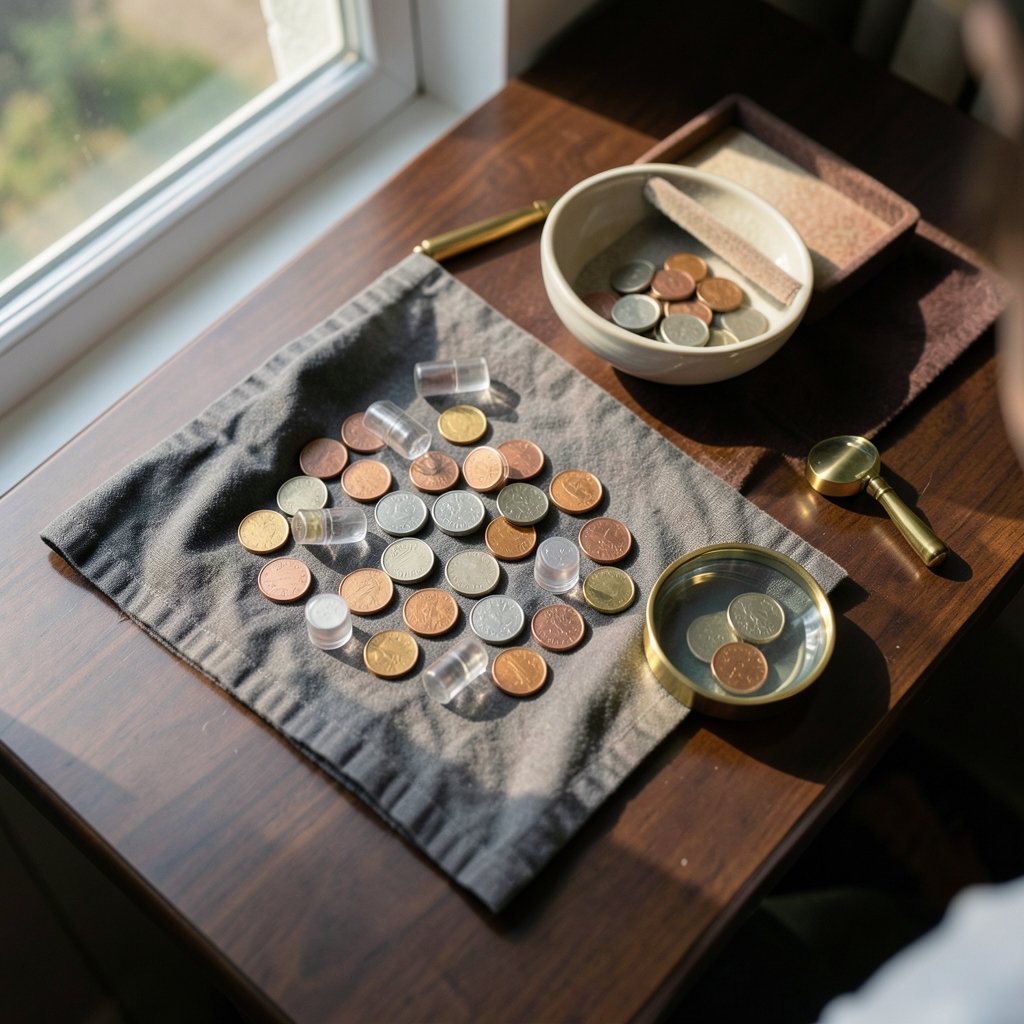
Have you ever fished a coin out of your pocket, squinted at the date, and wondered whether you’re holding a fortune or just a piece of zinc? You’re not alone. Search interest in pennies that might be “worth money” spikes every time a news story surfaces about rare dates, minting errors, or the cost of producing the humble one-cent coin. The truth is messier and more interesting than the viral headlines suggest. Some pennies genuinely sell for thousands of dollars. The overwhelming majority are worth exactly one cent, and no amount of hopeful squinting will change that. This guide walks through what actually makes a penny valuable, which dates and errors collectors chase, and how to avoid the most common mistakes people make when they think they’ve struck gold. (Best games nintendo switch 2 whats worth your time money)
What Makes a Penny Worth More Than One Cent?
Three things drive the value of any penny: rarity, condition, and demand. A coin can be rare but worthless if nobody wants it, and a common coin can be valuable if it’s in extraordinary condition. Understanding how those forces interact is the foundation of every honest valuation.
Rarity comes in several flavors. A low mintage year means fewer coins were struck. A short-lived design change means fewer examples survived. A production mistake means only a handful ever left the mint. Condition, meanwhile, is graded on a scale from “about good” (heavily worn) to “mint state” (essentially untouched). The difference between a worn 1909 penny and a pristine one can be thousands of dollars.
Demand ties it all together. Lincoln cents are the most collected coins in American history, which keeps a steady floor under prices for key dates. That same popularity also means a lot of misinformation circulates online, and a lot of altered or counterfeit coins get sold to hopeful buyers. (Federal Reserve: How Coins Are Produced and Distributed)
The Composition Story: Copper, Zinc, and Why It Matters
The penny’s metal content changed in 1982, and that year is the single most important dividing line for anyone sorting coins at home.
| Era | Composition | Approximate Metal Value |
|---|---|---|
| 1909–1982 | 95% copper, 5% zinc | Often exceeds one cent at high copper prices |
| 1982 (both types exist) | Transition year | Depends on the individual coin |
| 1982–present | 97.5% zinc, 2.5% copper plating | A fraction of one cent |
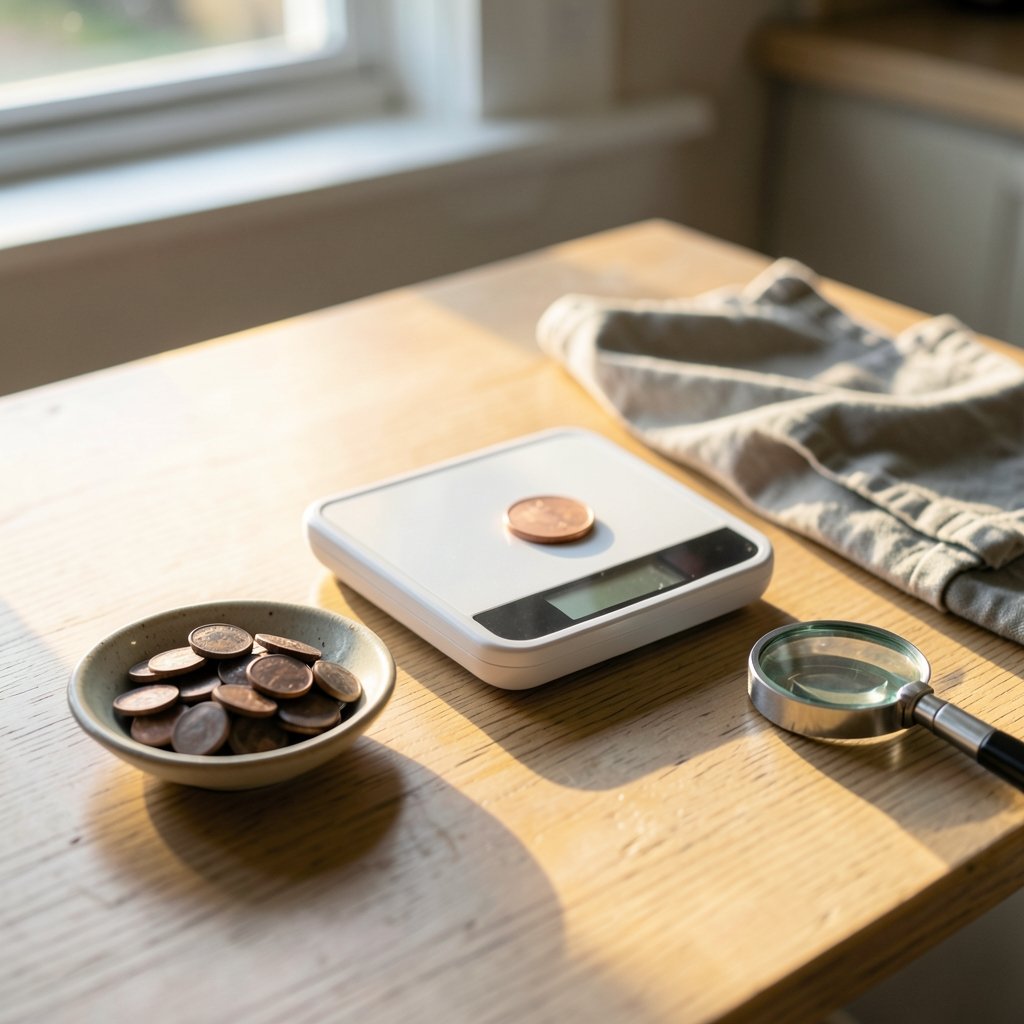
That 1982 transition year is a classic trap. Both compositions were struck that year, so a 1982 penny could be either one. The quick test is weight: copper cents weigh about 3.11 grams, while zinc cents weigh about 2.5 grams. A cheap digital scale settles the question in seconds.
Here’s where people get into trouble. Pre-1982 copper cents do contain more than a cent’s worth of copper when prices run high, which leads to breathless claims that you should hoard them and melt them down. Don’t. Federal law prohibits melting US coins for their metal value, and the machinery to do it safely and legally doesn’t exist for individuals anyway. The copper content is interesting trivia, not a get-rich scheme.
The Dates Collectors Actually Chase
Certain Lincoln cents carry real numismatic premiums. These are the dates that show up again and again in collector catalogs, and they’re worth knowing by heart if you’re sorting a jar of old coins.
The 1909-S VDB
The first Lincoln cents in 1909 carried the initials of designer Victor David Brenner on the reverse. Public complaints about the prominence of those initials led to their quick removal, and the San Francisco mint struck only 484,000 examples with the initials intact. It is the most famous key date in the series and routinely sells for four figures in circulated grades.
The 1914-D
Struck in Denver with a low mintage of about 1.19 million, the 1914-D is scarce in any condition and genuinely rare in high grades. Counterfeits are common, often made by adding a fake mintmark to a Philadelphia coin.
The 1922 “No D” Plain
A production problem at the Denver mint left the mintmark off part of the 1922 run. These 1922 plain cents are a well-known variety, and authentication matters enormously because altered coins are everywhere.
The 1943 Steel Cent
Wartime copper demand pushed the mint to strike 1943 cents in zinc-coated steel. They look silver, they rust, and they’re common enough that circulated examples are worth modest premiums. The real prize is the tiny number of 1943 cents accidentally struck on copper planchets, which are among the most valuable and most counterfeited coins in the series.
The 1955 Doubled Die
A misaligned die created dramatic doubling on the date and lettering of some 1955 cents. It’s the best-known error coin in American numismatics and commands strong prices even in worn condition.
Error Coins: When Mistakes Become Money
Minting errors are where casual hunters get the most excited and make the most mistakes. A genuine doubled die shows clear, mechanical doubling visible to the naked eye, with the doubled elements appearing as distinct, separated images rather than fuzzy shadows. The 1955 doubled die, the 1969-S doubled die, and the 1972 doubled die are the famous examples, and all three are actively counterfeited or faked through alteration.
Other error categories worth learning include:
- Off-center strikes, where the design is visibly shifted and part of the blank shows through.
- Broadstrikes, where the coin is struck without a collar and comes out oversized and misshapen.
- Wrong planchet errors, where a cent is struck on a dime or other blank.
- Repunched mintmarks, where a mintmark was stamped more than once.
The practical rule: if you have to squint, zoom, and argue with yourself about whether doubling is real, it probably isn’t. Genuine errors are usually obvious once you know what to look for, and they’re confirmed by weight, diameter, and a loupe.
The Production Cost Problem
There’s a second sense in which a penny is “worth money,” and it has nothing to do with collecting. For most years since the mid-2000s, the US Mint has reported that producing and distributing a single one-cent coin costs more than one cent. Recent annual figures have put the unit cost around three cents, meaning the government loses money on every penny it makes. (Penny)
That economics has driven real policy debate. In early 2025, the Treasury announced it would stop minting new pennies for circulation, citing production costs, while the coin remains legal tender. The details of that announcement, including its legal basis and how it interacts with congressional authority over coinage, are worth checking against official Treasury and Mint releases before you repeat them at a dinner party. What’s not in dispute is the underlying math: the penny has been a money-losing coin for a long time. (Xbox game pass cost 2025 real prices whether its worth)
This matters for collectors in a subtle way. A halt to new production doesn’t make existing pennies rare overnight. Billions upon billions of cents sit in jars, drawers, and coin rolls across the country. Scarcity takes decades to develop, and only for coins that were already uncommon.
Legal Tender: What the Penny’s Status Actually Means
Even if new pennies stop rolling off the presses, existing ones remain legal tender for all debts. That phrase gets misunderstood constantly. Legal tender means a creditor must accept the currency for a debt already owed, but it does not force a shop to accept pennies for a purchase. Businesses are generally free to set their own payment policies, which is why some stores refuse large quantities of small change.
If you’re sitting on a hoard of pennies and wondering whether they’ll become collector’s items the moment production stops, temper that expectation. Legal tender status and collector value are entirely separate questions.
How to Check a Penny Without Getting Fooled
Sorting pennies is a hobby with a low barrier to entry, but a few habits separate people who find real value from people who waste money on fakes.
Start with the date and mintmark. Flip the coin over and look below the date. An S means San Francisco, a D means Denver, and no letter means Philadelphia. Those tiny letters change everything about a coin’s value.
Weigh suspect coins. A scale accurate to 0.01 grams catches copper-versus-zinc confusion and many counterfeit planchets.
Use a loupe, not a phone zoom. A 10x jeweler’s loupe reveals doubling, cleaning, and tooling marks that a camera can’t. Harsh cleaning leaves hairline scratches that destroy value, so never scrub a coin you think might be valuable.
Don’t clean anything. This is the single most common mistake. A cleaned coin loses most of its collector premium, and there’s no undoing it.
Get serious candidates graded. Professional grading services authenticate coins and assign a numeric grade. For anything you believe is worth more than a few hundred dollars, the fee is money well spent. The American Numismatic Association is a good starting point for finding reputable dealers and grading information.
Beware of online “value lists.” Plenty of articles list eye-popping prices for common dates. Those numbers usually refer to pristine, professionally graded examples, not the worn coin in your junk drawer. Always check what grade a quoted price applies to.
What Your Pocket Change Is Actually Worth
Let’s be blunt about the odds. If you pull a random penny from circulation today, it is almost certainly a modern zinc cent worth one cent. The odds of finding a key date in pocket change are vanishingly small, because those coins were pulled from circulation by collectors decades ago.
That doesn’t mean sorting is pointless. Coin roll hunting, where you buy rolls from a bank and search them, occasionally turns up wheat cents, older copper, and the odd interesting variety. It’s a cheap hobby with a real thrill of discovery. Just keep expectations calibrated. The people posting “found a rare penny” videos are showing you the one hit out of thousands of rolls.
If you’re building a broader budget around hobbies like this, it helps to think in the same terms you would for any subscription or purchase decision. The same discipline that applies to weighing whether a service earns its cost applies to coin hunting. A good example is the way a practical breakdown of whether ChatGPT Plus is worth it in 2026 weighs monthly cost against actual use, and the same logic applies to deciding whether a grading submission fee makes sense for a specific coin. Similarly, if you’re comparing budgeting tools to fund a collection, a look at YNAB versus Monarch Money on zero-based budgeting versus net worth tracking shows how small recurring costs add up fast.
The penny’s future also affects the collectibles market beyond scarcity. If production truly ends, the 2025 and 2026 dated cents could become the final circulating strikes, and low-mintage final-year coins often attract collector attention. Whether that leads to real premiums is a question only time answers.
Common Myths That Cost People Money
A few persistent myths deserve direct debunking.
Myth: All old pennies are valuable. Age alone means little. Millions of wheat cents from the 1940s and 1950s survive in worn condition and sell for a few cents each in bulk.
Myth: A penny with a weird mark is an error. Post-mint damage, including plating blisters, scratches, and gouges, is far more common than true errors. Damage reduces value rather than adding it.
Myth: Copper pennies are a smart metal investment. Melting is illegal, and the spread between metal value and the cost of legally realizing it makes the idea impractical for individuals.
Myth: Rare pennies are easy to sell for full catalog price. Dealers buy at wholesale, and retail prices assume a buyer, authentication, and time. Expect offers well below the guidebook number.
Conclusion
A penny is worth money in exactly two ways: as a cent you can spend, and as a collectible whose value depends on rarity, condition, and demand. The gap between those two realities is where all the excitement, confusion, and occasional heartbreak live. Most of what you’ll find in your change is worth face value, and that’s fine. The rare dates, the famous errors, and the key mintmarks are real, but they’re rare for a reason. Learn the dates, buy a loupe and a scale, never clean a coin, and get anything promising professionally authenticated before you celebrate. The penny may be on its way out of production, but the hunt for the valuable ones is just getting interesting.
FAQ
Are all wheat pennies worth money?
No. Wheat cents, struck from 1909 to 1958, are the most commonly collected Lincoln cents, but millions survive in worn condition. Common dates from the 1940s and 1950s usually sell in bulk for a few cents each. Only key dates, scarce mintmarks, and high-grade examples carry premiums above ordinary values.
What is the rarest penny?
The 1943 copper cent is widely considered the most valuable and rarest, since only a handful were accidentally struck on copper planchets. Among regularly issued coins, the 1909-S VDB and the 1914-D are the best-known key dates, both commanding four figures or more in circulated condition.
How can I tell if a penny is copper or zinc?
Check the date first. Pennies struck before 1982 are 95% copper; those from 1982 onward are mostly zinc with copper plating. Because both types exist for 1982, weigh the coin: copper cents weigh about 3.11 grams and zinc cents about 2.5 grams.
Is it legal to melt pennies for their copper?
No. Federal law prohibits melting US coins for their metal content, and it also restricts exporting them in bulk for that purpose. Even when a pre-1982 cent’s copper is worth more than one cent, melting it is not a legal option for individuals.
Will pennies become valuable if the mint stops making them?
Not quickly. Billions of pennies already exist in circulation, and scarcity in numismatics develops over decades. Final-year dated coins may attract collector interest, but a halt in production does not instantly turn ordinary pennies into rare coins.
Should I clean a penny before selling it?
Never. Cleaning removes original surface and leaves microscopic scratches that professional graders detect immediately. A cleaned coin typically loses most of its collector premium, and the damage cannot be reversed.



