
A bad shipping page does not look like a disaster. It looks like a normal page with a few vague lines about delivery, a rate table that has not been updated in a year, and a promise of fast shipping that the courier cannot keep. Nothing on the page screams trouble. The trouble shows up later, at checkout, in the inbox, and in the accounts, where it is much harder to trace back to one page.
The cost is real, and it is larger than most small businesses expect. A buyer who cannot find the delivery cost before checkout will often leave without buying. A buyer who does buy and then finds a surprise charge will often ask for a refund. A buyer who waits two weeks for a parcel that was promised in three days will often never order again. Each of those outcomes costs money, and none of them appears on the shipping page itself.
This is my view, formed from watching small stores lose sales they had already won. The shipping page is the cheapest page on the site to fix and the most expensive page to get wrong. A store can spend months on product photos and advertising, and then lose the sale on a page that took ten minutes to write. The fix is not a redesign. It is honest numbers, stated early, and kept up to date.
Key takeaways
- A bad shipping page costs sales first, because buyers leave at checkout when the delivery charge surprises them.
- Hidden delivery costs turn into refunds, support messages, and bad reviews that outlive the order.
- Free delivery only works when the margin on orders above the threshold covers the real delivery cost.
- Stale rates and vague delivery times are promises the business cannot keep, and broken promises lose repeat buyers.
- The fix is real courier quotes, a short rate table, and a page that is updated the same day a rate changes.
What a bad shipping page actually costs
The first cost is the sale that never happens. Most buyers check delivery before they commit, and most of them do it late in the journey. A buyer adds a product to the cart, reaches checkout, and sees a delivery charge that was never mentioned on the product page or the shipping page. The charge may be fair. The surprise is what kills the sale. The buyer closes the tab and buys from a store that stated the cost up front.
The second cost is the order that comes back. A buyer who pays a surprise charge often asks for a refund within days, and a refund costs more than the sale was worth. The store pays the card fee, the packing time, and the return postage, and it keeps nothing. Refunds cluster around the same few problems, and most of those problems start with a shipping page that promised too much or said too little.
The third cost is the support inbox. Every vague line on the shipping page becomes a message. Buyers ask where the parcel is, when it will arrive, whether delivery covers their area, and who pays customs charges. Each message takes minutes to answer, and the same questions arrive every week because the page never answers them. The returns page carries the same kind of hidden cost, as the real cost of a bad website returns page shows, and the two pages feed each other: a buyer who cannot find delivery facts will ask about returns next.
The fourth cost is the buyer who never comes back. A first order that arrives late, costs more than expected, or arrives with no tracking link teaches the buyer one lesson: this store cannot be trusted with delivery. That buyer does not complain. The buyer simply orders from somewhere else next time.
Why the damage shows up late
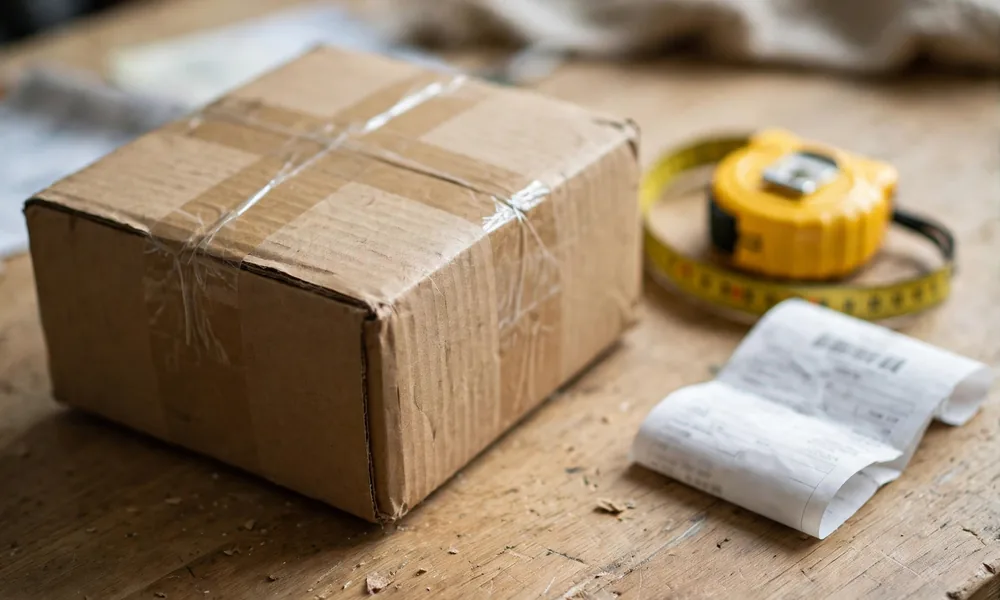
Shipping damage is slow because the page itself never breaks. A broken checkout shows an error. A bad shipping page shows clean text, loads quickly, and looks finished. The owner checks the page once, decides it is fine, and forgets it. The rates change, the courier changes its delivery times, and the page stays frozen in the month it was written.
The gap between the page and the truth widens quietly. A courier raises its rates by a tenth, and the store absorbs the difference on every order without noticing. Our guide to setting up a business website shipping page in 2027 shows how to build the page itself from real numbers, and the method matters more than the design: rates from real quotes, times in working days, and a date at the bottom showing when the page was last updated.
The damage also spreads because shipping touches every part of the store. The product page promises fast delivery. The checkout charges a different amount. The confirmation email gives a different delivery time again. The buyer receives three different answers to one question, and each answer comes from a different part of the site.
The human cost: buyers, staff, and the owner
Buyers pay first, in time and in trust. A buyer who spends twenty minutes comparing delivery options across two stores will buy from the store that answers plainly. A buyer who waits two weeks for a parcel with no tracking link will spend that time worrying, messaging, and planning never to order again.
Staff pay next, in hours that never appear in a budget. A support agent who answers the same five delivery questions all day is not helping buyers with real problems. The agent is doing the job the shipping page should have done. Over a month, those hours add up to days of work, and the team feels it as a workload problem rather than a page problem. The wider store setup matters here too, and the guide to setting up a business website online store in 2027 explains how the store, the checkout, and the delivery promise fit together, so the shipping page is not left to carry the whole journey alone.
The owner pays last, and pays the most. A store that absorbs delivery losses on every order sees its margin shrink a little each month, and the cause is hard to find because no single order looks wrong. The owner may raise prices, cut advertising, or blame the courier, while the real cause sits on a page nobody has read in months.
The caveats that matter
None of this is an argument against free delivery or fast promises. Free delivery can raise order values, and fast delivery can win buyers from larger rivals. The argument is against promises made without numbers behind them. A free delivery threshold only works when the margin on orders above it covers the delivery cost, and a fast delivery promise only works when the courier can meet it on a normal week.
| Detail | What is known |
|---|---|
| Lost sales | A surprise delivery charge at checkout is one of the most common reasons buyers leave without paying. |
| Refunds | A buyer who pays a surprise charge or receives a late parcel often asks for a refund within days. |
| Support load | Every vague line on the shipping page becomes a message, and the same questions arrive every week. |
| Repeat buyers | A first order that arrives late or costs more than expected teaches the buyer not to order again. |
| Stale rates | Rates change, couriers change delivery times, and a page that is not updated keeps the old promises. |
| Margin erosion | A rate that covers only the courier charge leaves the store paying packing and time from its margin. |
| Conflicting facts | When the product page, the checkout, and the shipping page disagree, the buyer trusts none of them. |
| When a page works | Real rates, a range in working days, a stated start point, and a visible last updated date. |
The honest caveat is that some delivery problems are genuinely outside the store. Couriers miss days, parcels get delayed, and customs holds orders. A good shipping page cannot prevent those events. What it can do is set expectations honestly, so a delay feels like bad luck rather than a broken promise. The test is whether the page describes the real delivery the buyer will get, or the delivery the owner wishes the buyer would get.
Checklist: judging your shipping page honestly
- Every rate on the page comes from a courier quote dated in the past month.
- Every product has a recorded packed weight and a recorded packed size.
- The delivery time is a range in working days, with the start point stated.
- The page shows the date it was last updated, and the team knows who updates it.
- A test order at each rate level matches the charge stated on the page.
- The page links from the product page, the cart, the checkout, and the footer.
Frequently asked questions
How much does a bad shipping page really cost?
More than the delivery itself. The direct cost is refunds and absorbed courier charges. The larger cost is lost sales at checkout, support hours, and repeat buyers who never return.
Should a small business offer free delivery?
Free delivery can raise order values, but only when the margin on orders above the threshold covers the delivery cost. If the numbers do not work, a low flat rate is safer than free delivery that loses money on every order.
Why do buyers abandon carts over shipping?
Buyers abandon carts when the delivery charge appears late and looks different from what they expected. The charge itself is rarely the problem. The surprise is the problem, and a clear shipping page removes the surprise before checkout.
How often should a shipping page be updated?
It should be updated the same day a courier rate changes, a zone changes, or a delivery time changes, and the date of the last update should sit at the bottom of the page. A page with no date cannot be trusted, because nobody knows whether it describes this month or last year.
What should a shipping page include?
It should include the delivery areas, the delivery cost for each area, the delivery time in working days, the free delivery threshold if there is one, and the tracking and damaged parcel steps. Anything else is detail that belongs lower down the page.
Can a good shipping page reduce support messages?
Yes, sharply. Most delivery questions ask for facts the page should already state: cost, time, area, and tracking. When those facts are clear, the questions stop, and the support team can spend its time on problems that actually need a human.
The bottom line
A bad shipping page is a quiet leak. It loses sales at checkout, turns orders into refunds, fills the inbox with questions the page should have answered, and teaches good buyers not to come back. None of that damage shows up on the page itself, which is why the page goes unfixed for months while the store pays for it every week.
Fixing it is a small job: real courier quotes, a short rate table, honest delivery times in working days, and a date at the bottom showing when the page was last checked. Do that, and the shipping page stops costing money and starts doing the job it was built for.
Note: delivery costs, courier rates, and delivery times change often, so check the current rates with the couriers used by the business before publishing a shipping page, and treat the figures here as a method to follow, not as current prices.