
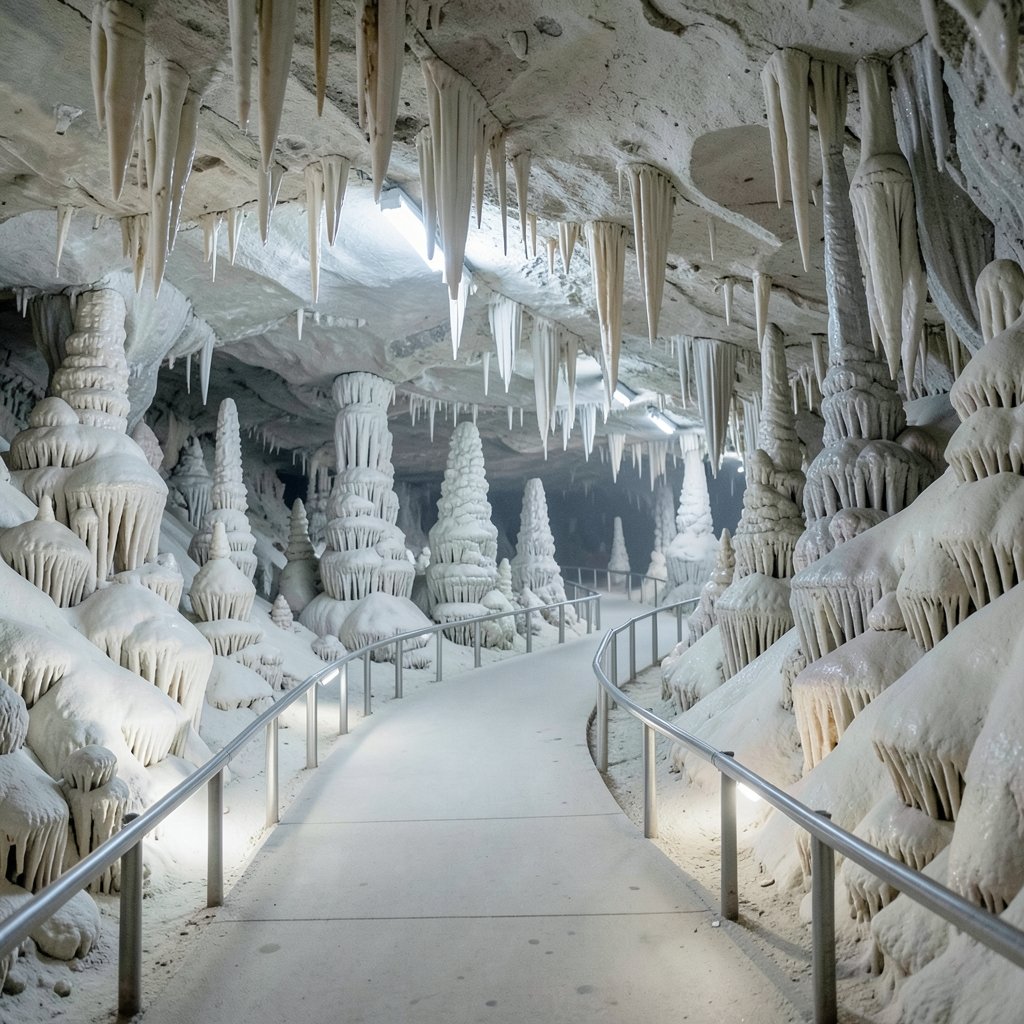
What if one US state could put you 750 feet underground in the morning, walking across a white gypsum desert by afternoon, and watching hot-air balloons paint the sky by dawn the next day? That is a normal long weekend in New Mexico. The state packs cave systems, dune fields, ancient stone cities, living pueblos, and one of the world’s biggest balloon gatherings into a drive-friendly loop. The catch is that most of the best experiences come with timing rules, reservation systems, or long desert drives that catch first-timers off guard. This guide sorts the state’s highlights by region, explains what actually works in practice, and flags the mistakes that ruin trips.
Why New Mexico Rewards a Little Planning
New Mexico is the fifth-largest state by area but one of the least densely populated, which means attractions sit far apart. A traveler who books three nights in Santa Fe and assumes everything is nearby will spend most of the trip in a car. The fix is simple: pick two base camps, one in the north and one in the south, and treat the drives between them as part of the experience.
Distances matter more than they look on a map. Carlsbad Caverns sits in the southeast near the Texas line. White Sands is in the south-central Tularosa Basin. Chaco Culture is reached by unpaved roads in the northwest. Taos Pueblo and Bandelier are in the north. No single hotel makes all of these day trips.
Carlsbad Caverns: Go Underground Early
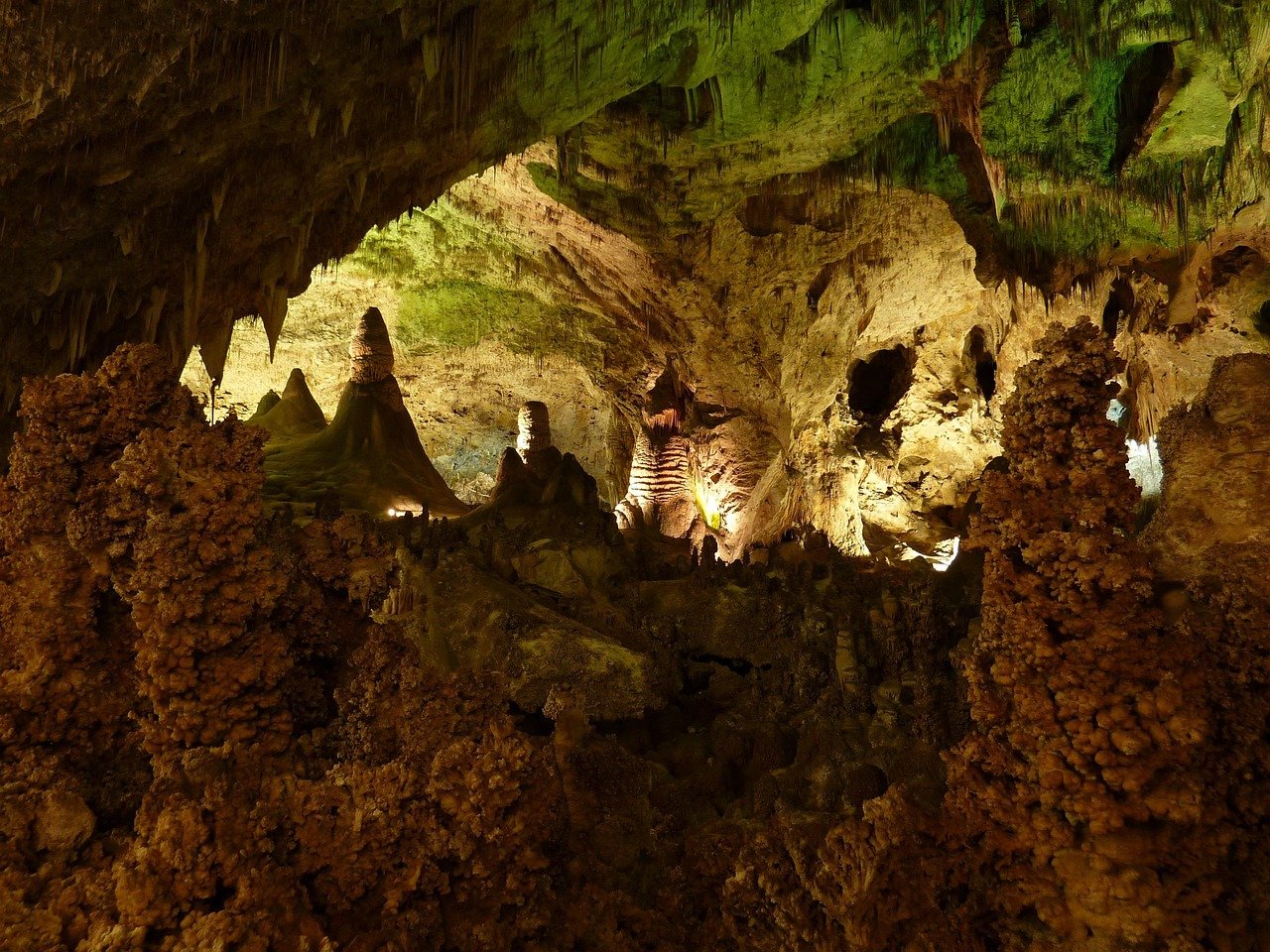
Carlsbad Caverns National Park is the anchor of any southeastern itinerary and a UNESCO World Heritage Site since 1995. Visitors have two main ways in. The self-guided route through the Big Room lets you walk at your own pace through one of the largest cave chambers in North America. The Natural Entrance trail descends roughly 750 feet on foot, which is spectacular but steep, and the park’s elevators offer a shortcut back up.
Practical tips that make the day work:
- Book timed-entry reservations before you travel. Walk-up entry is not guaranteed in busy seasons.
- Arrive at opening. The bats leave the cave at dusk in summer, and the famous evening bat flight program draws crowds.
- Bring a light jacket. Cave temperatures stay cool year-round even when the surface is baking.
- Skip the stroller and the flip-flops. The trail is uneven and damp.
The most common mistake is treating the caverns as a two-hour stop on the way to somewhere else. Give it half a day minimum, and check current tour names and prices directly with the park, because ranger-led tours and reservation rules change seasonally.
White Sands: The World’s Largest Gypsum Dunefield
White Sands National Park became a full national park in December 2019 after decades as a national monument. It protects the largest gypsum dunefield on Earth, and the dunes are so white that photos often look overexposed. Sledding down the dunes is a genuine local ritual, and the park’s seasonal ranger programs include sunset walks and full-moon hikes.
Two warnings save a lot of grief. First, the sand reflects sunlight and heat, so a midday summer visit without water, a hat, and sunglasses is miserable. Second, the park shares land with a missile range, and highway checkpoints can close with little notice. Check road status before driving out.
Chaco Culture and the Ancestral Puebloan World
Chaco Culture National Historical Park preserves great houses built roughly between 850 and 1250 CE and has held UNESCO World Heritage status since 1987. The scale of the masonry is the draw: multi-story buildings aligned with astronomical cycles, connected by engineered roads across the desert.
The access road is the great filter. The final stretch into the park is unpaved, and rain or snow can make it rough on low-clearance cars. Travelers who make it are rewarded with far thinner crowds than the northern parks. Go with a full tank, a spare tire you trust, and no fixed evening plans.
Taos Pueblo: A Living Community, Not a Museum
Taos Pueblo is a multi-story adobe settlement that has been continuously inhabited for centuries and earned UNESCO World Heritage designation in 1992. It is also a working community. Residents close the pueblo to visitors on certain dates for ceremonies, and photography rules are strict.
What actually works: confirm hours the day before you go, arrive with cash for admission and for the bread and crafts sold by families, and ask before pointing a camera at anyone. Treating the pueblo as a photo backdrop is the fastest way to be unwelcome. It is a home first.
Santa Fe and the Arts Circuit
Santa Fe is the state’s cultural capital and a serious arts destination. Museum Hill holds the Museum of International Folk Art, the Museum of Indian Arts and Culture, and the Wheelwright Museum within walking distance of each other. The Georgia O’Keeffe Museum anchors the downtown gallery district.
Budget-wise, Santa Fe is the priciest stop in the state. A traveler who wants to understand how far the dollar stretches across the border can compare notes in this breakdown of how the Mexican peso works and what things cost — useful context for anyone pairing a New Mexico trip with a visit south of the border. If you send money to family while traveling, this guide to sending money to Mexico without losing it to fees covers the practical side.
Bandelier: Cliff Dwellings You Can Climb Into
Bandelier National Monument protects ancestral Pueblo cliff dwellings and carved cavates in Frijoles Canyon. The Main Loop Trail is the accessible introduction, and wooden ladders let visitors climb into some of the alcoves. Go early. The trail is exposed, the parking lot fills, and the shuttle system runs in peak season.
The Very Large Array: Science as a Roadside Attraction
The Very Large Array radio telescope on the Plains of San Agustin is operated by the National Radio Astronomy Observatory and offers a self-guided walking tour plus a visitor center. The giant dish antennas against empty grassland make it one of the most photogenic stops in the state. It is also a working observatory, so stay behind the marked lines and turn off devices that could interfere with observations.
Scenic Drives and Wildlife Watching
The Enchanted Circle Scenic Byway loops about 84 miles through Taos, Questa, Red River, Eagle Nest, and Angel Fire. It is a fall-foliage favorite and a ski-season corridor. Mileage figures vary slightly by source, but the loop makes an easy full day with stops.
For wildlife, Bosque del Apache National Wildlife Refuge near Socorro hosts large winter concentrations of sandhill cranes and snow geese, and the Festival of the Cranes typically falls in late November or early December. Festival dates change annually, so verify before booking.
Albuquerque and the Balloon Fiesta
The Albuquerque International Balloon Fiesta runs in early October and is widely described as the largest balloon gathering in the world. Dawn launches mean 4 a.m. alarms and heavy traffic. Ride-share and park-and-ride options beat driving to the field. Exact dates and attendance vary by year, so confirm on the official event site before planning around it.
Regional Comparison at a Glance
| Region | Best For | Main Drawback | Time Needed |
|---|---|---|---|
| Southeast (Carlsbad) | Caves, bat flights | Remote location | 1–2 days |
| South-central (White Sands) | Dunes, photography | Heat and range closures | Half day |
| Northwest (Chaco) | Archaeology | Unpaved access roads | Full day |
| North (Taos, Bandelier) | Pueblo culture, hiking | Ceremony closures | 2 days |
| Central (Santa Fe, Albuquerque) | Arts, balloons, food | Highest prices | 2–3 days |
Common Mistakes That Trip People Up
The single biggest error is underestimating altitude. Santa Fe sits above 7,000 feet, and Taos is higher. Visitors from sea level often feel winded on their first hike. Hydrate, take the first day easy, and skip alcohol on arrival night.
The second is packing for one climate. Desert mornings can be near freezing while afternoons hit the high 80s. Layers beat a single heavy jacket.
The third is assuming reservations are optional. Timed entry at Carlsbad Caverns, shuttle systems at Bandelier, and pueblo ceremony closures all punish spontaneous plans. The fourth is driving desert roads on a quarter tank. Gas stations are sparse, and phones lose signal for long stretches.
Travelers comparing New Mexico with other Spanish-speaking destinations often ask how the regions stack up. This look at Mexico vs South Africa as two regional giants shows how quickly comparisons shift once you factor in cost, safety, and travel time. For a closer benchmark, see how Mexico and Colombia compare on travel, business, safety, and cost.
Food and Culture Worth Building a Day Around
New Mexican cuisine is its own thing, built on chile grown in Hatch and Chimayó. Green chile on a cheeseburger is a legitimate local custom, not a novelty. Red and green served together is ordered as “Christmas,” and asking which is hotter will start a friendly argument.
Pueblo and Hispanic craft traditions are living economies. Buying pottery, weaving, or jewelry directly from artists puts money into the communities that host visitors. The rule of thumb: buy from galleries and cooperatives that name the artist, and skip anything labeled “authentic” without a name attached.
When to Go
Spring brings wind and dust. Summer brings monsoon thunderstorms that flash-flood canyon roads. Fall is the sweet spot, with cool mornings, golden cottonwoods, and the balloon fiesta. Winter is quiet, cheap, and cold at altitude, with skiing near Taos and Angel Fire.
A traveler weighing a longer trip south might also enjoy this comparison of Mexico and Ecuador and a rivalry that goes far beyond the scoreboard, which captures how cultural pride shapes travel experiences across borders.
Conclusion
New Mexico rewards travelers who plan around distance and timing rather than trying to see everything. Pick a southern loop for caves and dunes, a northern loop for pueblos and cliff dwellings, and leave room for a scenic drive and a green chile breakfast. Book timed entries early, carry water and layers, and respect that Taos Pueblo and Chaco are living and sacred places, not attractions. Do that, and the state delivers landscapes and history that few places in the country can match.
Frequently Asked Questions
How many days do you need in New Mexico?
Five to seven days covers one region well. A southern route for Carlsbad Caverns and White Sands needs two to three days. A northern route for Taos, Bandelier, and Santa Fe needs three to four. Trying to do both in under a week means spending most of it driving.
What is the best time of year to visit New Mexico?
Early October is the strongest window. Temperatures cool down, fall color peaks, and the Albuquerque International Balloon Fiesta runs. Spring is windy, summer brings afternoon monsoon storms, and winter is cold at altitude but quiet and affordable.
Do you need reservations for Carlsbad Caverns?
Yes, timed-entry reservations are strongly recommended and often required in busy seasons. Self-guided Big Room access and ranger-led tours have separate booking rules, and prices and tour names change, so confirm details before traveling.
Can you visit Taos Pueblo any day?
No. Taos Pueblo closes to visitors on certain dates for tribal ceremonies, and hours vary by season. Confirm the day before you go, bring cash for admission, and follow the photography rules posted on site.
Is White Sands National Park worth a full day?
A half day suits most visitors, ideally in the morning or near sunset. Sledding, ranger-led sunset walks, and full-moon hikes can stretch the visit. Summer midday heat and nearby missile-range closures are the main reasons to plan around timing.
What should you pack for a New Mexico road trip?
Layers, a wide-brim hat, sunglasses, more water than feels necessary, a physical map, and a car with decent clearance for unpaved roads like the one into Chaco Culture. Cell service drops for long stretches, so download offline maps before leaving town.



