

What if the stuff already sitting in your closet, garage, or phone could cover a car payment this month? That is not a fantasy pitch. Millions of people sell used goods, handmade items, digital files, and their own skills every day, and many start with nothing more than a camera and a free afternoon.
The catch is that “things to sell” is a crowded category, and most lists blur together items that sell fast, items that sell at a profit, and items that only look profitable until fees, shipping, and taxes eat the margin. This guide sorts the real options by effort, startup cost, and how quickly money actually lands. It also covers the mistakes that quietly kill beginner profits.
Start With What You Already Own
The fastest path to a first sale costs nothing. Look around the house for items that still hold value: power tools, game consoles, brand-name clothing, kitchen appliances, furniture, and collectibles. Used goods are not a small niche. The secondhand apparel market alone has grown into a multi-billion-dollar industry, and resale platforms have turned closet cleanouts into routine income for ordinary households.
Before listing anything, check three things:
- Condition. Clean it, test it, and photograph flaws honestly. Returns and disputes cost more than a slightly lower price.
- Comparable sold prices. Filter by “sold” listings, not asking prices. Asking prices are wishes; sold prices are facts.
- Shipping weight. A heavy item that sells for $40 can lose money once postage, packing materials, and platform fees come out.
Local marketplaces such as Facebook Marketplace and Nextdoor usually charge no seller fee for local pickup, which makes them ideal for furniture and bulky goods. National marketplaces reach more buyers but take a cut. For anything with a barcode or model number, scan it first; a surprising number of “junk” electronics are worth more than their owners assume.
One practical warning: do not sell recalled products. Reselling items under a safety recall is restricted and can create real legal exposure, so check recall databases before listing older car seats, heaters, and children’s gear.
Flip Items You Can Source Cheaply
Flipping means buying low and selling higher. It works, but the margin lives in the sourcing, not the listing. Experienced flippers rarely buy at retail. They shop estate sales, storage auctions, thrift stores, and clearance racks, and they know exactly what an item resells for before they pay for it. (Gift card scam works victims rarely get their money back)
| Flip category | Typical source | Why it works | Main risk |
|---|---|---|---|
| Brand-name clothing | Thrift stores, estate sales | Strong resale demand, light to ship | Slow sell-through on odd sizes |
| Vintage electronics | Garage sales, auctions | Collector demand, scarcity | Testing and repair time |
| Tools and hardware | Estate sales, classifieds | Buyers pay for durability | Heavy shipping costs |
| Furniture | Local listings, curbside finds | High local demand, no shipping | Storage and transport |
| Books and media | Library sales, bulk lots | Cheap inventory | Thin per-unit margins |
The common beginner mistake is buying because something is cheap. Cheap is not the same as valuable. A $2 item that never sells is a $2 loss plus storage space. Before any purchase, check completed sales and calculate the net after fees and shipping. If the projected profit is under a few dollars, skip it.
Another mistake: ignoring storage. Inventory that sits in a garage for a year ties up cash and often ends up donated. Serious flippers set a time limit. If an item has not sold in 60 to 90 days, they cut the price or bundle it.
Sell Handmade and Custom Goods
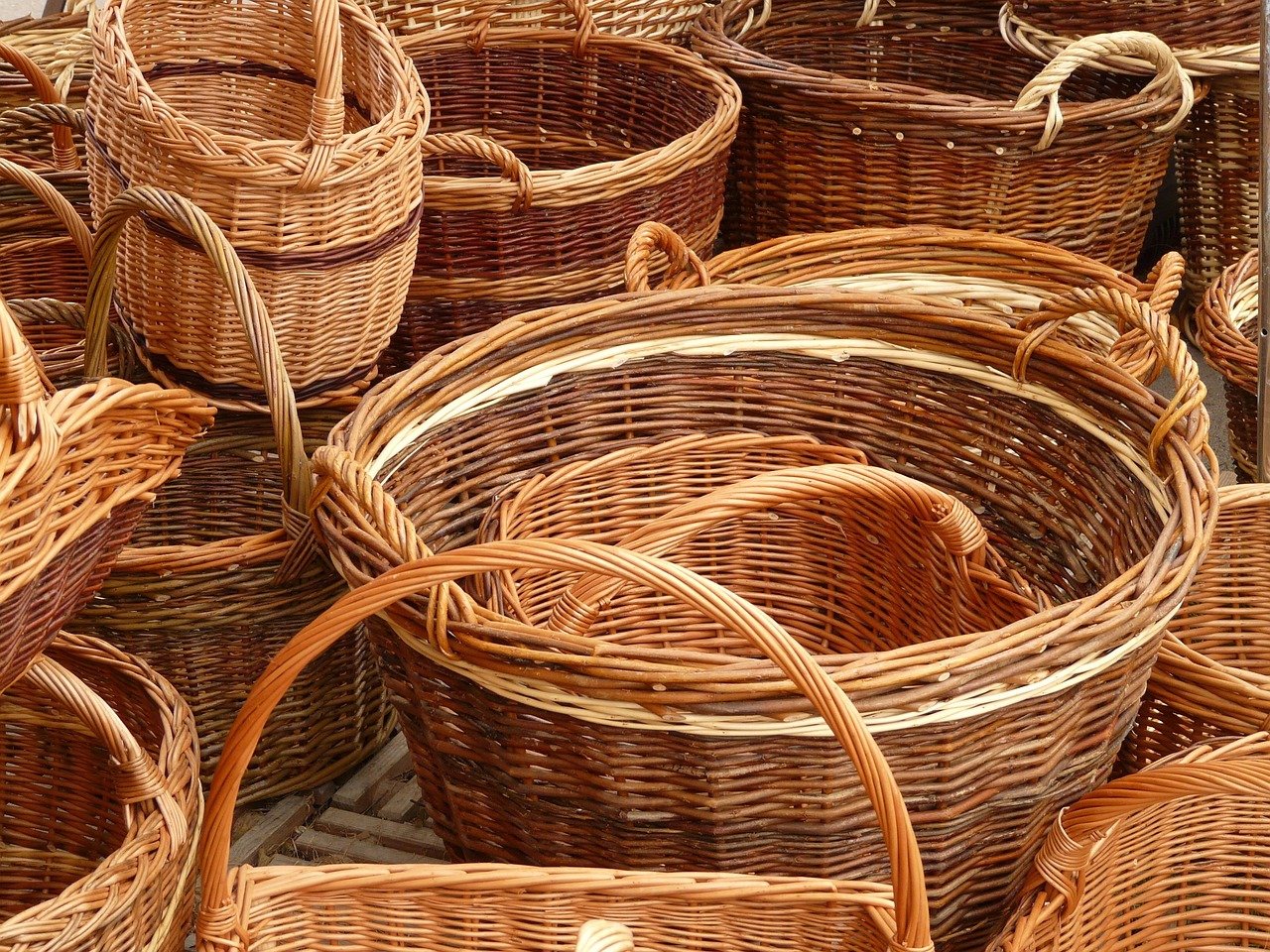
Handmade products attract buyers who want something they cannot get at a big-box store: personalized gifts, jewelry, candles, ceramics, woodwork, and printed art. Craft marketplaces charge a listing fee plus a transaction fee, and payment processing adds another slice, so pricing has to account for all three before the maker pays themselves.
The practical formula is simple: materials plus labor hours at a fair rate plus platform fees plus a buffer for waste and returns. Most new sellers underprice because they forget labor. A candle that takes 45 minutes to pour is not a $12 product if the maker’s time is worth anything. (Reseller)
What actually works in practice:
- Niche down. “Custom pet portraits” beats “art” because buyers search specific phrases.
- Photograph in natural light. Phone cameras are fine; cluttered backgrounds are not.
- Bundle small items. Three soaps sell better than one because shipping costs the same.
- Repeat what sells. Track which designs move and drop the rest.
Handmade selling is slow to start. The first ten sales usually come from friends, local markets, and social media, not search traffic. Expect a few months before steady orders arrive.
Create Digital Products With Almost No Inventory
Digital products are the closest thing to pure margin. A template, ebook, spreadsheet, preset pack, or printable planner is created once and sold repeatedly, with no shipping and no stock. The trade-off is that digital buyers are picky and refund-friendly, and marketplaces take a percentage of each sale. (Cbdc digital currency central bank money going digital)
Digital products tend to sell when they solve a specific, boring problem: a budget spreadsheet for freelancers, a wedding planning checklist, a resume template for nurses. Generic products get buried. Specific products get shared.
The other digital route is selling your knowledge as a service, which blends into freelancing. Editing, tutoring, bookkeeping, and design are all sellable skills with no inventory at all. If you are weighing whether to build a product or sell a skill, the honest answer is that services pay faster, while products scale better over time.
Sell Services and Skills for Faster Cash
Freelance marketplaces connect sellers of services with buyers worldwide, and they typically take a service fee from each job. That fee is worth it for a first client, less worth it once you have repeat customers who contact you directly.
Services that sell well for beginners include:
- Writing and editing. Blog posts, product descriptions, resumes.
- Virtual assistance. Inbox management, scheduling, data entry.
- Tutoring. Test prep, languages, music.
- Repair and assembly. Furniture assembly, bike tuning, phone screen replacement.
- Pet and home care. Dog walking, house sitting, yard work.
Services usually beat goods on margin because there is no inventory and no shipping. The constraint is time. A service business scales only by raising rates or hiring help, which is why many sellers eventually add a digital product or course on the side. That transition is worth planning early, and guides on how to make money with AI show how automation can handle the repetitive parts of running a one-person operation without eating the profit.
Consider Print-on-Demand and Dropshipping Carefully
Print-on-demand puts designs on shirts, mugs, and posters that a supplier prints and ships only after an order arrives. Dropshipping works the same way with general merchandise. Both shift inventory risk to a third party, which sounds ideal for beginners.
In practice, margins are thin. The supplier takes its cost, the platform takes its fee, and advertising takes whatever is left. Many beginners spend more on ads than they earn back. These models reward sellers who already understand a niche audience, not sellers hoping the algorithm will do the work. Treat them as a marketing business, not a product business.
Know the Fees and the Tax Rules Before You Scale
Every marketplace takes a cut, and the percentages add up fast. Listing fees, transaction fees, payment processing, promoted listings, and shipping labels all reduce the headline price. A $50 sale can net $35 or less. Before committing to a platform, read its official fee schedule and build the numbers into your pricing from day one.
Taxes matter too. In the United States, selling platforms report seller income to the tax authority once a seller crosses the reporting threshold, and that threshold has changed several times in recent years. Income from selling is generally taxable whether or not a form arrives. Sellers with a genuine profit motive are usually treated as running a business, while occasional sellers may fall under hobby rules, which are taxed differently. Keeping simple records of purchases, fees, and shipping from the first sale saves hours later. (IRS Self-Employed Individuals Tax Center)
Security deserves a mention as well. Scammers target new sellers with fake payment confirmations, overpayment tricks, and requests to move transactions off-platform. Gift card scams are especially common, and victims rarely recover their money, so never accept payment in gift cards and never ship before funds clear. Identity theft is another real cost of selling online; a clear-eyed look at where identity threat detection money actually goes shows why protecting accounts and personal data is part of the business, not an afterthought.
Match the Option to Your Situation
There is no single best thing to sell. The right choice depends on how much cash and time you have, how fast you need money, and whether you want a one-time cleanup or a repeatable business.
| Situation | Best starting point | Why |
|---|---|---|
| Need cash this week | Declutter and sell used goods locally | No startup cost, fast sales |
| Have $100 to $500 and spare time | Flip tools, clothing, or electronics | Repeatable margins with practice |
| Have a craft or design skill | Handmade goods or digital products | Higher margin per unit |
| Have a marketable skill | Freelance services | Fastest path to real income |
| Want passive income later | Digital products | Sell repeatedly without inventory |
A sensible sequence for most people: sell unused items first to generate starting cash, then reinvest part of it into flipping or materials, and only then consider products that take months to pay off. Skipping the first step is why so many beginners stall.
Conclusion
The things worth selling are the ones that match your time, skills, and tolerance for risk. Used goods turn clutter into quick cash. Flipping rewards patience and research. Handmade and digital products build slower but keep paying. Services pay fastest of all. Whatever the choice, the sellers who last are the ones who price honestly, track fees, keep records, and treat each sale as a small experiment rather than a lottery ticket.
Frequently Asked Questions
What is the easiest thing to sell to make money fast?
Used items you already own are the easiest starting point. They cost nothing to acquire, sell quickly on local marketplaces, and require no special skills. Electronics, tools, furniture, and brand-name clothing tend to move fastest.
How much money can a beginner realistically make selling online?
It varies widely. A household cleanout might bring in a few hundred dollars over a month. Part-time flippers often earn a few hundred dollars monthly after fees. Full-time sellers can earn more, but only after building sourcing knowledge and repeat customers.
Do I need to pay taxes on things I sell?
Generally yes, if you sell for a profit. Platforms report income above certain thresholds, and profit from a selling business is taxable. Occasional sellers offloading personal items at a loss usually owe nothing, but records still help.
Are digital products more profitable than physical ones?
Digital products have higher margins because there is no inventory or shipping, but they are harder to sell without an audience. Physical goods are easier to start but carry fees and shipping costs. Many sellers combine both.
What should I avoid selling?
Avoid recalled products, counterfeit goods, and anything restricted by law or platform rules, such as alcohol, tobacco, and prescription drugs. Also avoid items with thin margins after shipping, like heavy low-value goods.
How do I price items so I actually make a profit?
Start with the sold price of comparable items, then subtract platform fees, payment processing, shipping, and your own cost. If the remainder is not worth your time, do not list it. Round prices slightly below common search thresholds to attract more buyers.



