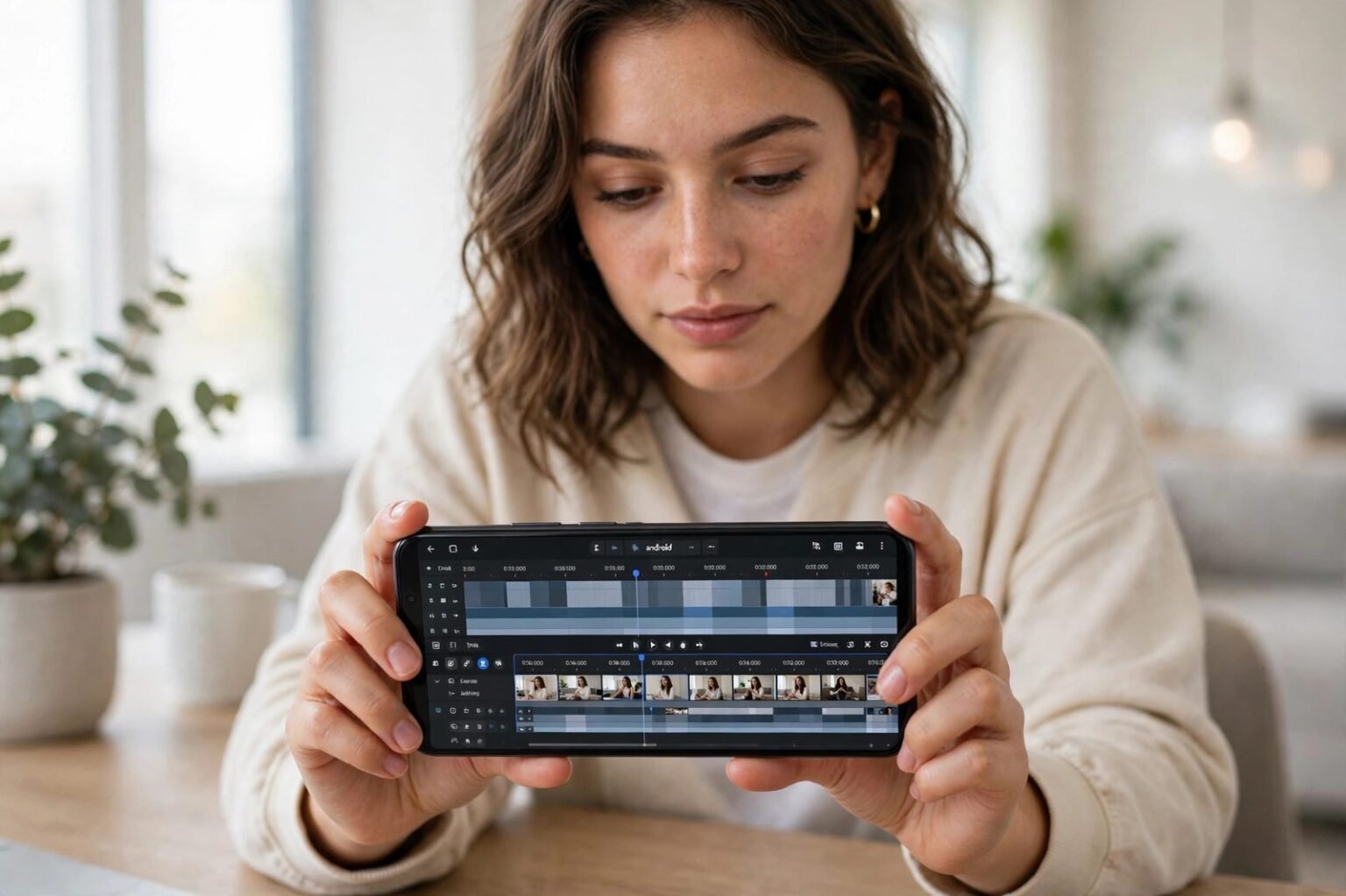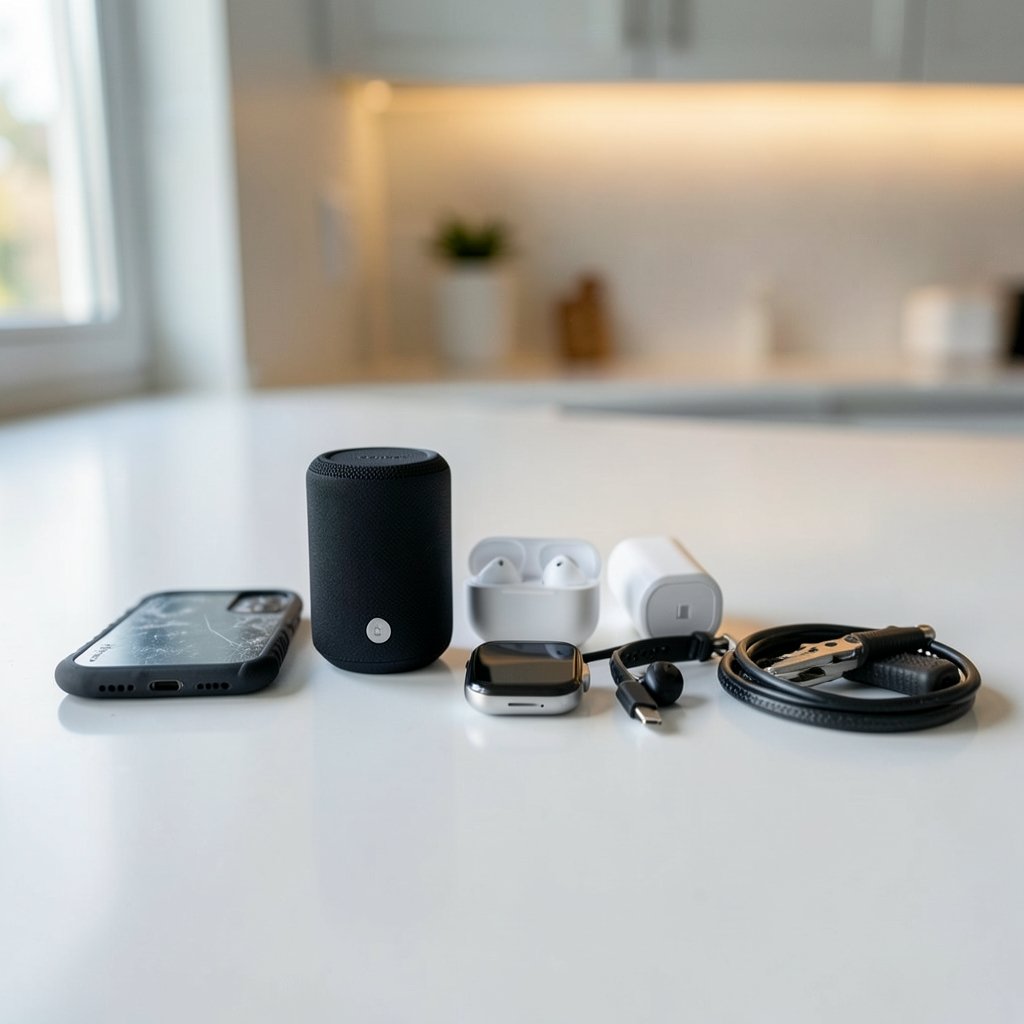
What do you buy the dad who says he doesn’t need anything, then quietly uses the same cracked phone case for four years? That’s the puzzle behind every “top gadgets for dad” search. The answer isn’t a list of the flashiest tech on the shelf. It’s a short list of devices that solve a real, everyday annoyance and keep working long after the novelty wears off.
This guide takes a different angle from most gift roundups. Instead of chasing hype, it looks at the standards and rules that separate a gadget dad will use daily from one that ends up in a drawer by February. That means charging ports, wireless standards, water-resistance ratings, repairability, and a few practical habits that matter more than any spec sheet.
Why Most “Top Gadget” Lists Get It Wrong
Gift lists tend to reward novelty. A gadget with a clever demo video looks impressive in a thumbnail, but the things people actually keep using tend to be boring in the best way: they charge reliably, work with what’s already in the house, and don’t demand a subscription.
There’s also a cost that rarely makes the list. The world generated about 62 million tonnes of e-waste in 2022, and only 22.3% of it was formally collected and recycled, according to the Global E-waste Monitor 2024. A gadget that gets abandoned after a month isn’t just wasted money. It’s waste, full stop.
The practical fix is to buy for compatibility and longevity first, features second. A dad who already owns a phone, a car, and a laptop doesn’t need a second device setup. He needs gear that works with what he already has.
Start With Charging, Because Everything Else Depends on It
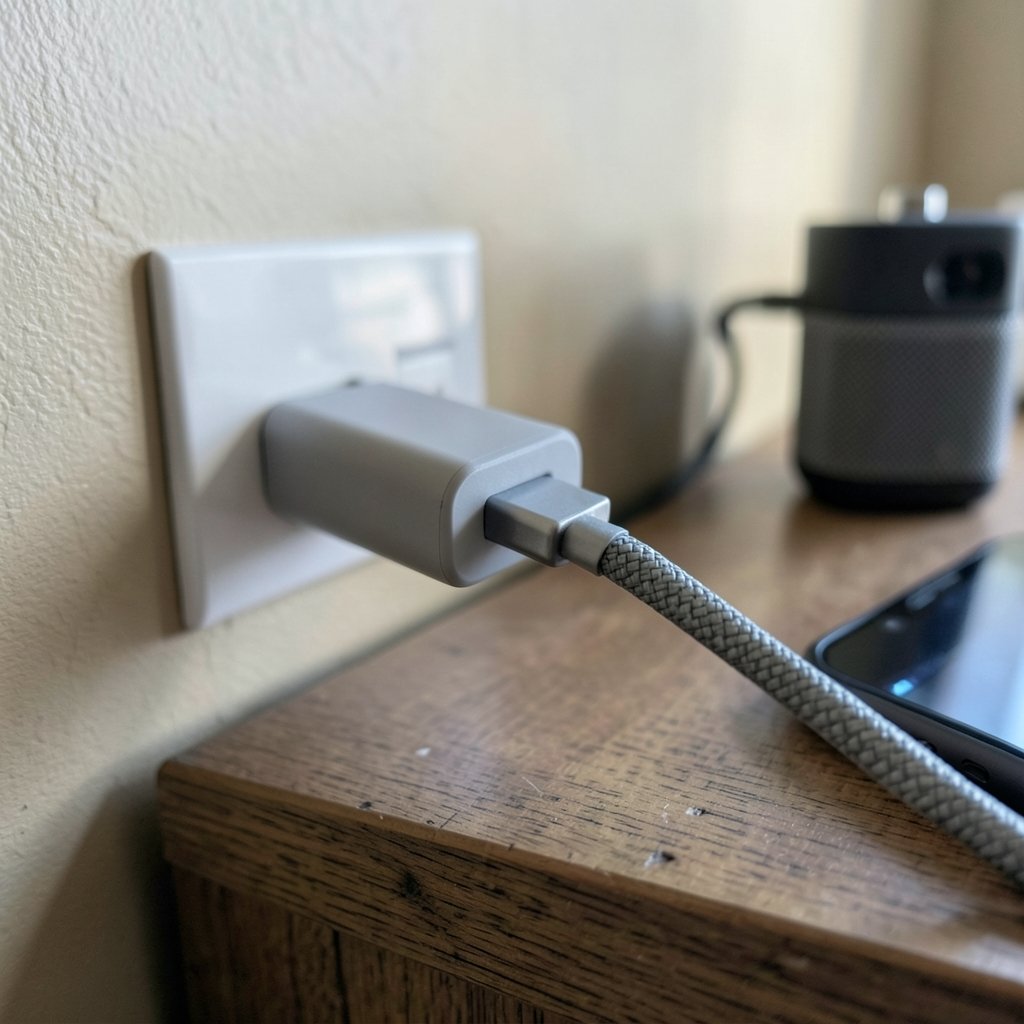
If there’s one category where a small purchase produces daily gratitude, it’s charging. Dead batteries cause more low-grade frustration than almost anything else in a household.
The USB-C Rule That Changes What You Buy
The USB-C connector is now the mandated charging port for a wide range of small devices in the EU, under rules that took effect on 28 December 2024 for phones, tablets, cameras, headphones, portable speakers, handheld consoles, e-readers, keyboards, mice, and portable navigation devices. Laptops follow from 28 April 2026.
Why does that matter to a gift buyer outside Europe? Because manufacturers build for the biggest markets. A single charging standard means fewer proprietary cables, fewer “where’s the special cord” moments, and a household that can share one charger between a phone, a speaker, and a handheld console. If a gadget still ships with a one-off connector, treat that as a warning sign.
Wireless Charging: What Qi2 Actually Gets You
Qi2 is the current mainstream wireless charging standard. The Wireless Power Consortium announced it in January 2023, building on the magnetic alignment approach popularized by MagSafe. The magnet part is the underrated bit: phones snap into the right position instead of sliding around a pad and charging slowly or not at all.
For a dad who drops his phone on a nightstand charger every night, a Qi2 pad is one of the highest-value small gifts on this list. Look for the Qi2 logo rather than trusting a product name. Newer revisions with higher wattage have been announced, so check the packaging for the specific version a device supports.
A word of caution from experience: cheap charging accessories are the most common false economy in this whole category. Underpowered bricks and no-name cables cause slow charging, heat, and short cable life. A reputable multi-port charger with proper certification costs a little more and outlasts three bargain replacements.
Audio Gadgets That Solve a Real Problem
Headphones and speakers are the default dad gift, which is exactly why the market is crowded with mediocre options. Two standards cut through the noise.
Bluetooth LE Audio, specified in 2020, and Auracast broadcast audio, introduced in 2022, are the practical audio upgrades of this decade. Auracast lets one source broadcast to multiple pairs of earbuds or hearing devices. For a dad who struggles to hear the TV at a volume the rest of the house tolerates, that’s not a spec-sheet curiosity. It’s a genuine quality-of-life feature. The catch is uneven device support, so verify the specific product rather than assuming “Bluetooth 5.x” covers it.
For outdoor use, the IP rating is the number to read carefully. IP codes come from the IEC 60529 standard. The first digit covers solids on a scale of 0 to 6, and the second covers liquids from 0 to 9K. So “IPX7” means no solid-particle rating at all, but water immersion to one meter for 30 minutes under test conditions. A speaker rated IP67 handles dust and a dunk. A speaker rated IPX4 handles splashes and nothing more. Buying an IPX4 speaker for a boat is a mistake people make every summer.
Smart Home Gadgets That Don’t Lock You In
The smart home is where gift buying goes wrong most often. A clever plug or bulb that only works with one app becomes useless the moment the household switches phones or a service shuts down.
Matter is the cross-vendor standard designed to fix that. Version 1.0 was released by the Connectivity Standards Alliance in October 2022, and its goal is to let devices from different brands work across the major ecosystems. In practice, feature coverage has expanded over time and varies by device type, so the useful question at purchase is simple: does this product list Matter support, and does it list the platform dad actually uses?
Practical Picks in This Category
| Gadget | What it solves | What to check before buying |
|---|---|---|
| Smart plug | Forgetful iron, lamp timers, holiday lights | Matter support, local control without cloud |
| Smart speaker | Kitchen timers, radio, hands-free calls | Platform match, mic mute switch |
| Video doorbell | Packages, driveway alerts | Wiring requirements, subscription costs |
| Smart thermostat | Heating bills, schedules | Compatibility with existing HVAC wiring |
That last column is where most returns come from. A video doorbell with a mandatory cloud subscription is a recurring bill disguised as a gift. Say so out loud before buying.
Fitness and Health Gadgets: Wellness Claims vs. Medical Claims
Fitness trackers and smartwatches are perennial favorites, and they’re legitimately motivating. But the marketing blurs an important line. In the U.S., an ECG feature marketed as a medical function is distinguished from a wellness claim by FDA clearance, such as a 510(k). Clearance status is product-specific, so a watch that “monitors heart rhythm” and a watch with a cleared ECG feature are not the same thing.
None of that makes a wellness-only tracker a bad gift. Steps, sleep, and workout logging are useful on their own. It just means the buyer should match the claim to the person. A dad with a heart condition should be pointed toward a device with appropriate clearances and told to talk to his doctor, not handed a gadget that implies more than it delivers.
The other health topic worth a mention is battery care. Lithium-ion cells degrade faster with heat and with sitting at 100% charge. Many manufacturers now offer charge-limit settings, and turning one on is a genuinely useful setup step. The same logic applies to money habits as much as hardware: fear-driven choices tend to backfire, a theme that shows up in why scared money don’t make money turns out to be half right and half wrong.
Repairability Is Now a Buying Criterion
The right-to-repair movement has quietly changed what a smart gadget purchase means. The EU adopted a right-to-repair directive in 2024, and the UK’s Ecodesign for Smartphones and Tablets regulations took effect on 26 June 2025, requiring repairability information and spare-part availability. National timelines vary, but the direction is one-way.
For gift buyers, this translates into three questions worth asking:
- Does the maker sell replacement batteries, screens, or parts?
- Is there a published repairability score or parts list?
- Are software updates promised for a stated number of years?
A gadget that can be repaired is a gadget that stays in use. That’s also the honest answer to the e-waste problem: the greenest device is the one you don’t replace. The same principle of looking past surface claims applies to big, hyped technology stories, which is why it pays to separate real capability from marketing when reading about quantum computing’s advantages, disadvantages, and where the hype gets it right.
Gadgets That Need a Rule Before You Gift Them
Some of the best dad gadgets come with legal strings attached, and springing those on the recipient is a bad move.
Drones are the classic example. In the U.S., FAA registration is required for drones over 0.55 lb (250 g). In the EU, open-category rules apply under Regulation (EU) 2019/947. Rules differ by country, so check locally before buying. A drone under the weight threshold is a much easier gift than one that requires registration and a test before the first flight.
The same “check the fine print” instinct applies to travel gadgets. A travel router or a streaming stick seems like a simple gift until it meets hotel Wi-Fi captive portals. Practical experience says the setup that actually works is the one tested at home, with the account logged in and the app installed, before the bag is packed. That’s the same lesson behind why the best VPN for Netflix that actually works comes down to testing, not marketing claims.
Small Gadgets, Big Everyday Wins
Not every good gift needs a standard attached. The most-used items in most households are small, cheap, and unglamorous:
- A multi-port USB-C charger that replaces a drawer full of bricks
- A magnetic cable organizer so the good cable stops disappearing
- A headlamp for the garage, the attic, and the fuse box
- A label maker, which sounds dull until someone owns one
- A power bank with enough capacity to charge a phone twice
These are the gifts that get a genuine “oh, that’s handy” instead of a polite nod. They also cost less than a flagship anything, which leaves room in the budget for one bigger item.
How to Choose One Big Gift Instead of Five Small Ones
If the goal is one useful purchase, the decision framework is short.
| Priority | Question to ask | Why it matters |
|---|---|---|
| Compatibility | Does it work with the phone and other devices he already owns? | Prevents returns and drawer clutter |
| Standard support | Does it use USB-C, Qi2, Matter, or a current audio standard? | Extends useful life |
| Repairability | Are parts and updates promised? | Keeps it out of e-waste |
| Ongoing cost | Is a subscription required? | Avoids a gift that bills monthly |
| Real use case | Will he use it weekly? | The only test that counts |
Run any candidate through those five rows and the shortlist writes itself. Anything that fails two or more rows is a novelty, not a gift.
Conclusion
The best gadgets for dad aren’t the ones with the loudest launch events. They’re the ones that fit the phone in his pocket, charge with the cable everyone already owns, survive a dropped bag, and can be fixed instead of replaced. Standards like USB-C, Qi2, Matter, and IP ratings are not glamorous reading, but they’re the difference between a gift that gets used every day and one that gets politely thanked and quietly shelved.
Buy for compatibility, check the fine print on subscriptions and drone rules, and favor gear that can be repaired. Do that, and the “he doesn’t need anything” problem mostly solves itself.
Frequently Asked Questions
What is the single best gadget to buy for a dad who says he doesn’t need anything?
A multi-port USB-C charger with certified cables is the safest high-value pick. It replaces a drawer of mismatched bricks, works with phones, tablets, headphones, and laptops, and gets used daily. It also costs far less than a flagship device, which leaves room for a second, more personal gift.
Are expensive gadgets always better gifts than cheaper ones?
No. Price tracks features, not usefulness. A cheap headlamp, label maker, or power bank often gets more use than a premium device that duplicates something the recipient already owns. The better question is how often the item will be used, not how much it costs.
How do I know if a gadget will work with my dad’s phone?
Check the connector and the devices it must work with. USB-C is now the mandated charging port for many small devices in the EU, and Qi2 is the mainstream wireless charging standard. For smart home gear, look for Matter support and confirm the product lists the platform he actually uses, such as Apple, Google, Amazon, or Samsung.
What does an IP rating like IPX7 actually mean?
IP codes come from the IEC 60529 standard. The first digit rates protection against solids on a scale of 0 to 6, and the second rates liquids from 0 to 9K. IPX7 means there is no solid-particle rating, but the device survived water immersion to one meter for 30 minutes under test conditions. An IP67 rating covers both dust and immersion.
Do fitness watches with heart features count as medical devices?
Not automatically. In the U.S., a feature marketed as medical, such as an ECG, is distinguished from a wellness claim by FDA clearance like a 510(k), and clearance status is product-specific. Step counting and sleep tracking are wellness features. Anyone with a heart condition should discuss monitoring with a doctor rather than relying on marketing language.
Is it worth paying more for a gadget that can be repaired?
Usually, yes. The EU adopted a right-to-repair directive in 2024, and the UK’s Ecodesign rules for smartphones and tablets took effect on 26 June 2025, requiring repairability information and spare-part availability. A device with available parts and a stated software-support window stays in use longer, which reduces both cost over time and electronic waste.