
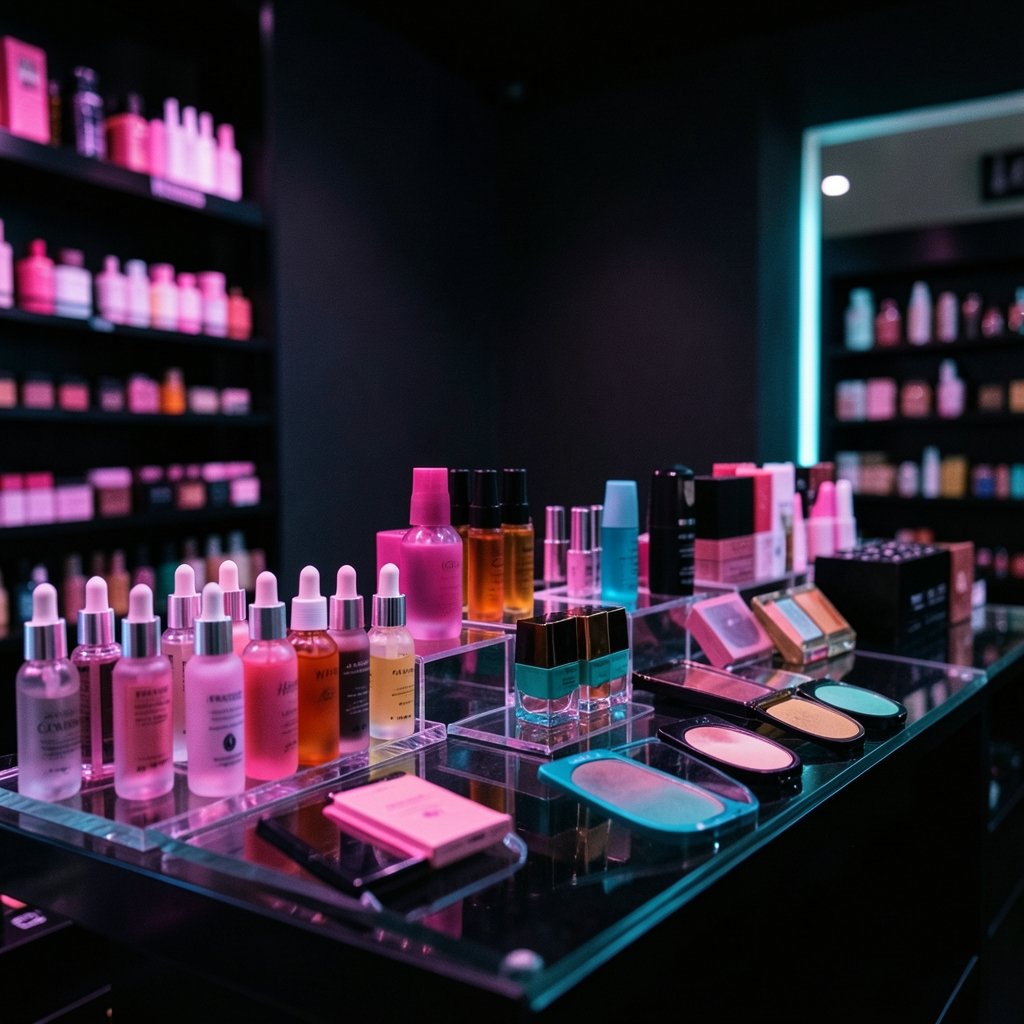
What does “Ulta Beauty World 2027” actually mean? That question trips up a lot of people right now, and the honest answer is less exciting than the rumor mill suggests. There is no widely documented, officially named Ulta Beauty initiative called “Ulta Beauty World” with a confirmed 2027 launch date. What exists is a real, well-known retailer with a fast-moving technology and store strategy, plus a phrase that gets used loosely in headlines, investor chatter, and speculative posts. This article separates what is grounded in general knowledge from what is guesswork, and explains how to read the topic sensibly.
What “Ulta Beauty World 2027” Likely Refers To
Ulta Beauty is a large American beauty retailer, founded in 1990 and publicly traded since 2007. It runs a broad network of stores and a major e-commerce operation, and it is known for its Ultamate Rewards loyalty program, which has long been one of the retailer’s strongest assets. The company sells mass-market and prestige cosmetics, skincare, haircare, fragrance, and salon services under one roof, which is an unusual combination in retail.
The phrase “Ulta Beauty World” does not map to a verified product, event, or program. It could plausibly be:
- A trade-press label attached to a strategy story
- An internal event or investor-day theme
- A speculative or rumored item circulating on social media
- A misremembered or blended name from a different announcement
The “2027” part is the bigger problem. No reliable, dated public record confirms a 2027-dated Ulta plan, target, or event under that name. Treat any confident claim about it as unconfirmed until a primary source appears.
How to Verify Any Claim About This Topic

This is where most readers get burned. A headline says a retailer will do something dramatic by 2027, a post repeats it, and suddenly it feels like fact. The discipline that actually works is boring but effective.
Check primary sources first
The strongest evidence for any retailer’s official plans is the company’s own investor relations material and regulatory filings. Public companies file annual reports, quarterly reports, and press releases describing strategy, store counts, and financial targets. If a 2027 initiative is real and material, it will appear there with a date attached. If it does not appear there, be skeptical.
Use trade press with date discipline
Specialist retail and beauty trade outlets often report on strategy events before filings catch up. That is useful, but only if you note the publication date. A 2025 or 2026 article describing a 2027 plan is a different thing from a 2027 announcement confirming it happened. Dates are the difference between a plan and a fact.
Watch for name drift
Names get shortened, blended, and invented in casual coverage. “Ulta Beauty World” may be a real internal phrase that leaked, or it may be a mashup of two unrelated things. When a name cannot be traced to a single official source, that is a signal, not a detail to skip.
Why the 2027 Date Matters So Much
Retailers do publish multi-year plans, and 2027 is a common horizon because it sits far enough out to signal ambition while staying close enough to sound credible. That makes the year a magnet for speculation. People attach big claims to round, near-future dates because the claims feel checkable but are not checkable yet.
The practical takeaway: a year attached to a strategy claim is not evidence. It is a deadline the claim has to meet. Until the deadline arrives or a filing confirms the plan, the claim stays in the “possible” pile, not the “true” pile.
The Real Forces Shaping Beauty Retail Toward 2027
Even without a verified “Ulta Beauty World” program, the direction of beauty retail is not a mystery. Several forces are clearly at work across the industry, and they explain why so many 2027 predictions cluster around the same themes.
| Force | What it looks like in practice | What shoppers notice |
|---|---|---|
| Loyalty and personalization | Rewards data used to tailor offers and recommendations | More relevant coupons, fewer generic ones |
| AI-assisted shopping | Chatbots and recommendation engines handling routine questions | Faster answers, sometimes clumsy ones |
| Store reinvention | Services, pickup, and experience zones inside stores | More reasons to visit in person |
| Fulfillment speed | Same-day and curbside options expanding | Less waiting, more convenience |
| Social commerce | Shopping directly from short video and creator content | Discovery happens off the retailer’s site |
These are industry-wide currents, not confirmed Ulta-specific 2027 commitments. The distinction matters. A trend being real does not make any particular company’s 2027 plan real.
Where AI Fits, and Where It Does Not
The most overhyped part of any 2027 retail prediction is artificial intelligence. It is genuinely changing how stores handle customer questions, product discovery, and post-purchase support. It is also genuinely bad at some jobs, and pretending otherwise leads to wasted budgets and annoyed customers.
A useful reality check comes from looking at where chatbots underperform. High-emotion complaints, complex returns, and anything requiring real judgment tend to go sideways when handed to an automated agent. The honest cases where automation should step aside are well worth studying before anyone promises an AI-powered shopping utopia by 2027. You can read a grounded breakdown in this piece on when not to use an AI chatbot in 2027, which lays out the situations where a human still wins.
For beauty retail specifically, the realistic near-term wins are narrower than the hype: answering “is this in stock,” suggesting shades based on past purchases, and rescuing carts that would otherwise be abandoned. That last one is a genuine commercial priority for online beauty sellers, and the mechanics are worth understanding. This roundup of AI chatbots for e-commerce that rescue abandoned carts explains how the recovery flow actually works. None of this confirms an Ulta program, but it explains the machinery behind the predictions.
Practical Tips for Reading 2027 Retail Predictions
If you want to follow this topic without getting misled, a few habits do most of the work.
- Find the primary source. If a claim cannot be traced to a filing, a press release, or a dated trade report, file it as rumor.
- Note the date on everything. A prediction made in 2025 about 2027 is a prediction, not a report.
- Separate industry trends from company plans. “Beauty retail is going digital” is a trend. “This company will launch X in 2027” is a claim needing evidence.
- Watch for name inflation. Big-sounding names like “World” often signal marketing language rather than a defined program.
- Check whether the claim is falsifiable. If nothing could ever prove it wrong, it is not useful information.
The most common mistake people make is treating a widely repeated claim as a verified one. Repetition is not verification. The second most common mistake is assuming that because a company has not announced something, it is not happening. Silence is not proof either way. The right posture is patient skepticism.
What Would Actually Confirm a 2027 Ulta Initiative
If a real, official “Ulta Beauty World 2027” plan exists, the evidence will show up in specific places. Watch for an investor day or strategy presentation with a dated slide deck. Watch for a press release naming the initiative and its goals. Watch for language in annual and quarterly filings that describes multi-year investments, store formats, or technology rollouts with a 2027 milestone. And watch for trade coverage that cites those documents rather than paraphrasing each other.
Until at least one of those appears, the responsible framing is simple: the retailer is real, the trends are real, and the specific 2027 program name is unconfirmed.
Why This Kind of Question Keeps Coming Up
People ask about “Ulta Beauty World 2027” because beauty retail is genuinely interesting right now. Stores are experimenting with services. Loyalty programs are getting smarter. Online shopping is absorbing more of the category. AI is being bolted onto everything whether it helps or not. When an industry moves this fast, the public appetite for a clean, dated roadmap is huge, and that appetite gets filled by speculation when official information is thin.
The same pattern shows up in adjacent tech topics. Coverage of the next generation of conversational tools, for instance, tends to run far ahead of what is actually shipped, which is why skeptical primers like this look at the best AI chatbots and what is really under the hood are more useful than breathless launch posts. The lesson transfers directly: the gap between a plausible roadmap and a shipped product is where most misinformation lives.
A Balanced View of What to Expect by 2027
Setting aside the unverified name, a few things are reasonable to expect across beauty retail by 2027. Loyalty data will drive more personalized offers. Stores will lean harder into services and pickup to justify foot traffic. Fulfillment will get faster in dense markets. AI will handle more routine customer questions, and companies that deploy it carelessly will generate their own backlash. Social platforms will keep influencing discovery, pushing retailers to adapt how they merchandise.
What is not reasonable is expecting a single dramatic “world” launch that transforms everything on a fixed date. Retail change is incremental, messy, and uneven across markets. The companies that win tend to be the ones that fix unglamorous things, like inventory accuracy and returns handling, rather than the ones with the boldest slide decks.
Conclusion
“Ulta Beauty World 2027” is a phrase in search of a verified source. Ulta Beauty is a real, significant retailer with a strong loyalty program and an evolving store and digital strategy. The 2027 framing, and the “World” label in particular, cannot be confirmed from reliable public information. That does not make the topic worthless. It makes it a good exercise in how to read retail predictions: find the primary source, check the date, separate industry trends from company claims, and stay comfortable with the words “not yet confirmed.” If an official initiative by that name does emerge, it will show up in filings and dated announcements first. Until then, treat the confident posts with a raised eyebrow and keep your expectations anchored to what can actually be checked.
FAQ
Is “Ulta Beauty World 2027” an official Ulta program?
There is no verified public record of an official Ulta Beauty initiative by that name with a 2027 date. The retailer is real, but the specific program name and year cannot be confirmed from reliable sources. Treat claims about it as unconfirmed until a primary source appears.
What is Ulta Beauty known for?
Ulta Beauty is a U.S. beauty retailer founded in 1990 and publicly traded since 2007. It is known for combining mass-market and prestige beauty products, salon services, and a large loyalty program called Ultamate Rewards under one roof.
How can I check whether a 2027 retail claim is true?
Look for primary sources: investor relations press releases and regulatory filings from the company itself. Then check trade press coverage and note its publication date. If a claim cannot be traced to a dated, official document, it stays in the rumor category.
Why do so many predictions cluster around 2027?
2027 sits far enough out to sound ambitious but close enough to feel credible, which makes it a natural anchor for speculative claims. A year attached to a prediction is a deadline the claim has to meet, not evidence that it is accurate.
What trends are genuinely shaping beauty retail toward 2027?
Loyalty-driven personalization, faster fulfillment, store reinvention around services and pickup, AI-assisted customer support, and social commerce are all real industry-wide currents. These are trends across the sector, not confirmed commitments from any single retailer.
Does AI play a big role in these predictions?
AI features heavily in 2027 forecasts, but the realistic near-term uses are narrow: stock questions, product suggestions, and abandoned-cart recovery. Complex complaints and high-emotion situations still tend to need a human, and companies that ignore that distinction often create backlash.



