

What exactly is Varo Money, and why does it keep coming up when people talk about app-based banking? The name gets used in two ways. Sometimes it refers to Varo Bank, N.A., a federally chartered digital bank in the United States. Other times it describes the mobile app and prepaid-style account that the company offered before it became a full bank. That distinction matters, because it changes how your money is protected, what fees you pay, and what you can expect when something goes wrong. (Mobile payment)
This guide sorts out what Varo Money is, how the account works in daily life, where it fits next to traditional banks, and the practical mistakes people make when they sign up for any app-first bank.
What Varo Money Actually Is
Varo started as a fintech company offering a mobile banking app and a prepaid card, with deposits held at a partner bank. In 2020, it received a national bank charter from the Office of the Comptroller of the Currency and became Varo Bank, N.A. That was a meaningful shift: instead of being a technology company riding on someone else’s bank license, Varo became the bank itself. (Bank accounts)
For users, the practical result is simple. Money in a Varo account is held by a chartered bank, and deposit insurance works the way it does at any insured institution. If you want the underlying mechanics of how that protection works, the FDIC’s explanation of deposit insurance covers what is covered, what is not, and the limits that apply per depositor and account category.
The account itself is app-only. There are no branches, no paper checks to mail in, and no lobby to walk into. Everything runs through the mobile app: opening the account, depositing checks, moving money, freezing a card, and reaching support.
How the Account Works Day to Day
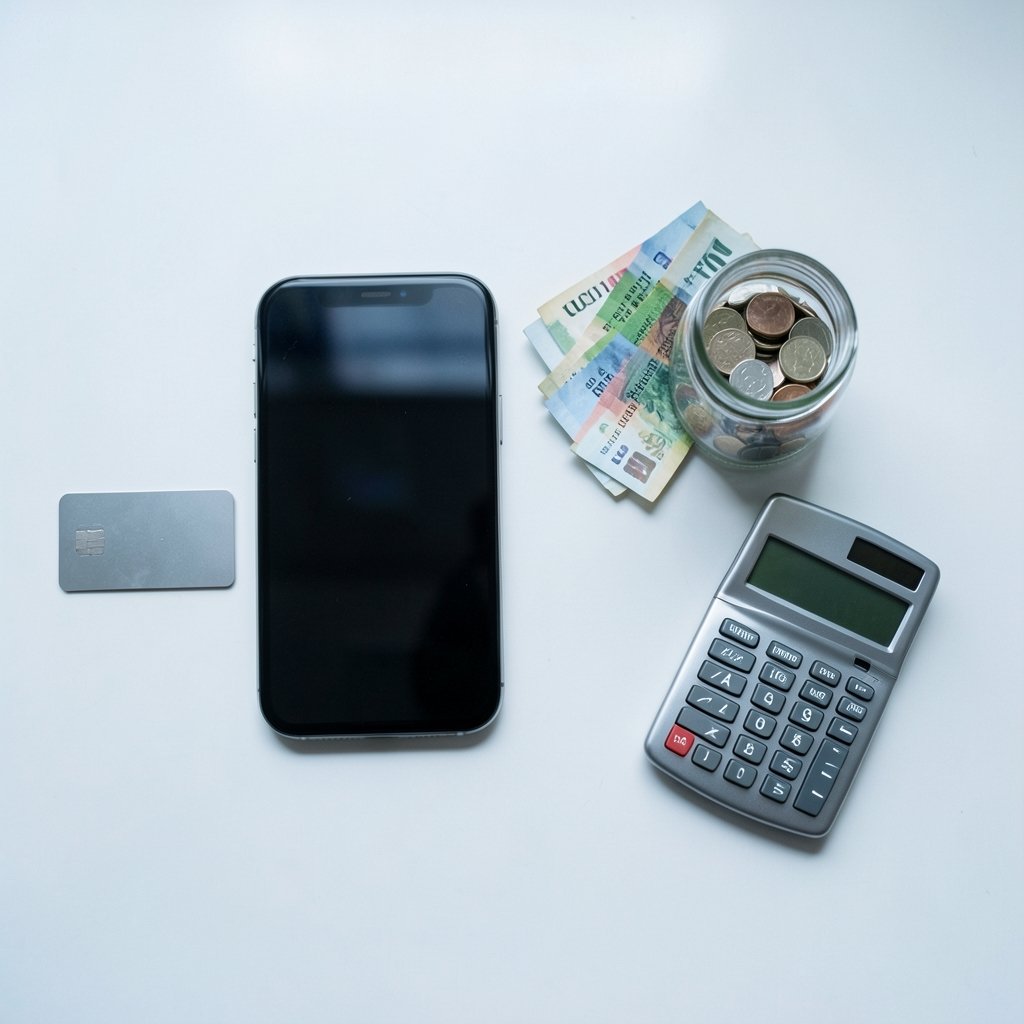
Varo’s model is built around low or no monthly maintenance fees, early access to direct deposits, and a savings account attached to the checking side. The features that matter most in practice:
- Direct deposit timing. Many employers and payroll processors send files days before payday. Varo, like several app banks, posts the money when the file arrives rather than on the official pay date.
- No overdraft on the checking account. If a payment would take the balance below zero, it is typically declined rather than paid with a fee. That protects you from a cascade of charges, but it also means a declined rent payment is a real risk.
- Savings buckets. The savings account pays interest and lets you set goals. Interest rates on app-bank savings accounts move with the market, so check the current rate rather than relying on what you read in an old review.
- Cash access. Deposits and withdrawals happen through a card network’s ATM system, with fee reimbursements capped at a monthly limit. Out-of-network ATM fees can still bite if you withdraw often.
A useful habit: before you commit to any app bank, list the three money movements you make most often, such as a paycheck in, rent out, and cash withdrawals. Then check each one against the fee schedule. Most disappointments come from the one movement people forget to check.
Varo Money vs. a Traditional Bank
Neither model wins across the board. The right choice depends on how you use money, not on which app looks nicer.
| Feature | Varo-style app bank | Traditional branch bank |
|---|---|---|
| Monthly maintenance fee | Usually none | Often waived only with a minimum balance or direct deposit |
| Overdraft | Payments declined instead of paid with a fee | Overdraft possible, with fees |
| Cash deposits | Limited or unavailable at some app banks | Teller and ATM deposits |
| Branch support | None; app and phone only | In-person service |
| Complex needs (wires, notary, safe deposit) | Limited | Standard |
| Paycheck timing | Often early | Usually on payday |
The trade-off is straightforward. App banks win on fees and speed. Branch banks win on cash handling and complicated transactions. If you run a small business that deposits cash daily, an app-only account will frustrate you fast. If you are paid by direct deposit and rarely touch cash, the fee savings are real.
The Hidden Costs Nobody Mentions Up Front
Free checking is not the same as free money movement. The costs that surprise people tend to be indirect:
Out-of-network ATM fees. The monthly reimbursement cap sounds generous until you withdraw cash twice a week from a machine outside the network. Track your own habits for a month before deciding.
Cash deposit gaps. Many app banks cannot accept cash at all, or only through a partner retail network with limits. If cash is part of your income, plan a second account.
Instant transfer fees. Moving money to another bank instantly often carries a percentage fee. Standard transfers are free but take a day or two.
The cost of declined payments. No overdraft fee sounds great until a declined automatic payment triggers a late fee from your landlord or a utility. The bank charges nothing; the merchant still does.
Financial fraud adds another layer. Scams that target bank customers, such as the gift card scam where victims rarely get their money back, do not care which bank you use. What matters is how quickly you can freeze an account and how clearly the bank explains the dispute process. Test that before you need it: open the app, find the card-freeze button, and read the dispute policy. If you cannot find it in two minutes, that tells you something.
Opening an Account Without Regrets
The signup flow takes minutes, which is exactly why people skip the reading. A slower approach pays off.
- Read the fee schedule, not the marketing page. Look for monthly fees, ATM limits, foreign transaction fees, and cash deposit rules.
- Confirm deposit insurance details. Check that deposits are held at an insured institution and understand the coverage limit per depositor.
- Set up direct deposit early. Many features, including early payday, only activate once a qualifying deposit arrives.
- Keep a backup account. A second account at a different institution protects you if the app has an outage, a fraud freeze, or a verification problem.
- Turn on alerts. Balance alerts, large-transaction alerts, and login alerts catch problems in hours rather than weeks.
- Save your account details offline. Routing and account numbers matter when you are locked out of the app and need to redirect a paycheck.
The backup account point deserves emphasis. App-only banks occasionally freeze accounts for verification, and resolution can take days. A paycheck landing in a frozen account is a stressful week. A small second account at a credit union or traditional bank is cheap insurance.
Security and Privacy in an App-Only Bank
Every bank app is a target, and the threats are rarely cinematic. Most losses come from social engineering: someone calls pretending to be the fraud department, or a text claims your account is locked and links to a fake login page. No legitimate bank will ask for your password, one-time code, or PIN over the phone.
Basic hygiene covers most of the risk. Use a unique password stored in a password manager, enable two-factor authentication with an app rather than SMS where possible, and review transactions weekly rather than monthly. If you want to understand how much fraud prevention actually costs institutions, and why some of that cost lands on customers, this breakdown of where identity threat detection money really goes is a useful primer.
One more practical tip: keep your contact information current. Banks verify identity through the phone number and email on file. If you change numbers and forget to update the app, a fraud freeze becomes much harder to resolve.
Where Varo Money Fits Among Other Money Apps
App banks are one piece of a bigger shift toward digital money. Central banks are exploring digital currencies, stablecoins are moving real payment volume, and the line between a bank account and a wallet is blurring. For readers curious about that bigger picture, this explainer on CBDCs and central bank money going digital covers what government-issued digital money would change and what it would not.
Artificial intelligence is reshaping the same space from a different angle. Banks use machine learning to flag suspicious transactions, and scammers use similar tools to write more convincing phishing messages. The economics of that arms race are worth understanding, and this look at how AI companies actually make money explains the business models behind the tools on both sides.
For most people, though, the practical question is narrower: does this account make my weekly money routine cheaper and calmer? If the answer is yes, the broader trends are background noise. If the answer is no, no amount of clever technology fixes a declined rent check.
Common Mistakes and What Actually Works
The patterns repeat across every app bank, including Varo.
Mistake: closing the old account too early. Keep it open for at least two full pay cycles. Switching direct deposit takes one to two pay periods, and a missed deposit is painful to untangle.
Mistake: assuming instant transfers are free. They usually are not. Budget for the percentage fee or wait the standard one to two days.
Mistake: ignoring the savings side. An attached savings account only helps if money actually moves into it. Automate a fixed transfer on payday, even a small one.
Mistake: treating the app’s support chat as the only option. Phone support often resolves verification and dispute issues faster than chat. Save the number before you need it.
What works: a two-account setup. One app bank account for spending and direct deposit, one traditional account for cash deposits and backup. Automate savings, keep alerts on, and review the fee schedule once a year, because terms change.
Conclusion
Varo Money is best understood as a federally chartered digital bank with a mobile-first model: no branches, low fees, early direct deposits, and no overdraft on the checking side. That combination suits people paid by direct deposit who rarely handle cash and who value a clean, cheap account. It suits cash-heavy households and anyone who needs branch services far less.
The decision comes down to your own money habits, not the app’s feature list. Check the three movements you make most often, keep a backup account, automate savings, and read the fee schedule once. Do that, and an app bank becomes a genuinely useful tool rather than a small ongoing annoyance.
Frequently Asked Questions
Is Varo Money a real bank?
Yes. Varo became a nationally chartered bank in 2020, which means it operates under a bank charter rather than as a fintech company using a partner bank’s license. Deposits are held at an insured institution, subject to standard coverage limits.
Does Varo Money charge monthly fees?
The core checking account is built around no monthly maintenance fee, but that does not mean zero cost. Out-of-network ATM fees beyond the monthly reimbursement cap, instant transfer fees, and foreign transaction fees can still apply. Always read the current fee schedule.
Can I deposit cash into a Varo account?
Cash handling is limited compared with a branch bank. Some app banks offer cash deposits through partner retail locations with daily and monthly limits, while others do not accept cash at all. If cash is part of your income, keep a second account that accepts deposits at a branch or ATM.
What happens if I overdraw my account?
Payments that would take the balance below zero are typically declined rather than paid with an overdraft fee. That protects you from bank charges, but a declined automatic payment can still trigger a late fee from the merchant or landlord, so keep a buffer in the account.
Is Varo Money safe to use?
The account runs on the same security foundations as other banks, including encryption, card controls, and fraud monitoring. The bigger risk is social engineering, where someone impersonates the bank to steal a login code. Use a unique password, enable two-factor authentication, and never share one-time codes.
Should I switch from a traditional bank to Varo?
Switch if you are paid by direct deposit, rarely deposit cash, and want to avoid monthly fees. Keep a backup account elsewhere, and do not close your old account until at least two paychecks have landed in the new one. If you need wires, notary services, or frequent cash deposits, a branch bank remains the better fit.



