What happens if a favorite wool blanket goes through one hot wash cycle? It can come out stiff, dense, and small enough for a cat bed. Wool fibers are covered in tiny overlapping scales, and heat, moisture, and agitation make those scales lock together permanently. That process is called felting, and no treatment reverses it. The good news is that a wool blanket is genuinely easy to clean once the rules are clear. Most of the work is in what you avoid: hot water, rough handling, and the dryer.
This guide walks through the whole job in order, from checking the label to folding a clean, dry blanket back into the linen closet. It also covers the mistakes that ruin more blankets than dirt ever does.
What You Need Before You Start
Gather everything first so the blanket is not sitting wet while someone hunts for a clean towel.
| Item | Why it matters |
|---|---|
| Care label check | Tells you whether machine washing, hand washing, or dry cleaning is allowed |
| Wool-safe or mild neutral detergent | Harsh detergent strips lanolin and roughens fibers |
| Clean bathtub or large basin | Gives the blanket room without scrubbing |
| Two or three dry bath towels | Needed for blotting and flat drying |
| Flat drying space | A floor, a drying rack, or a spare bed |
| A breezy, shaded spot | Speeds drying without direct sun or radiator heat |
One note on the label: if the blanket has heating elements, skip the washing machine entirely. The internal wiring can be damaged. Follow the manufacturer’s instructions instead.
Step 1: Check the Care Label and Confirm the Fiber
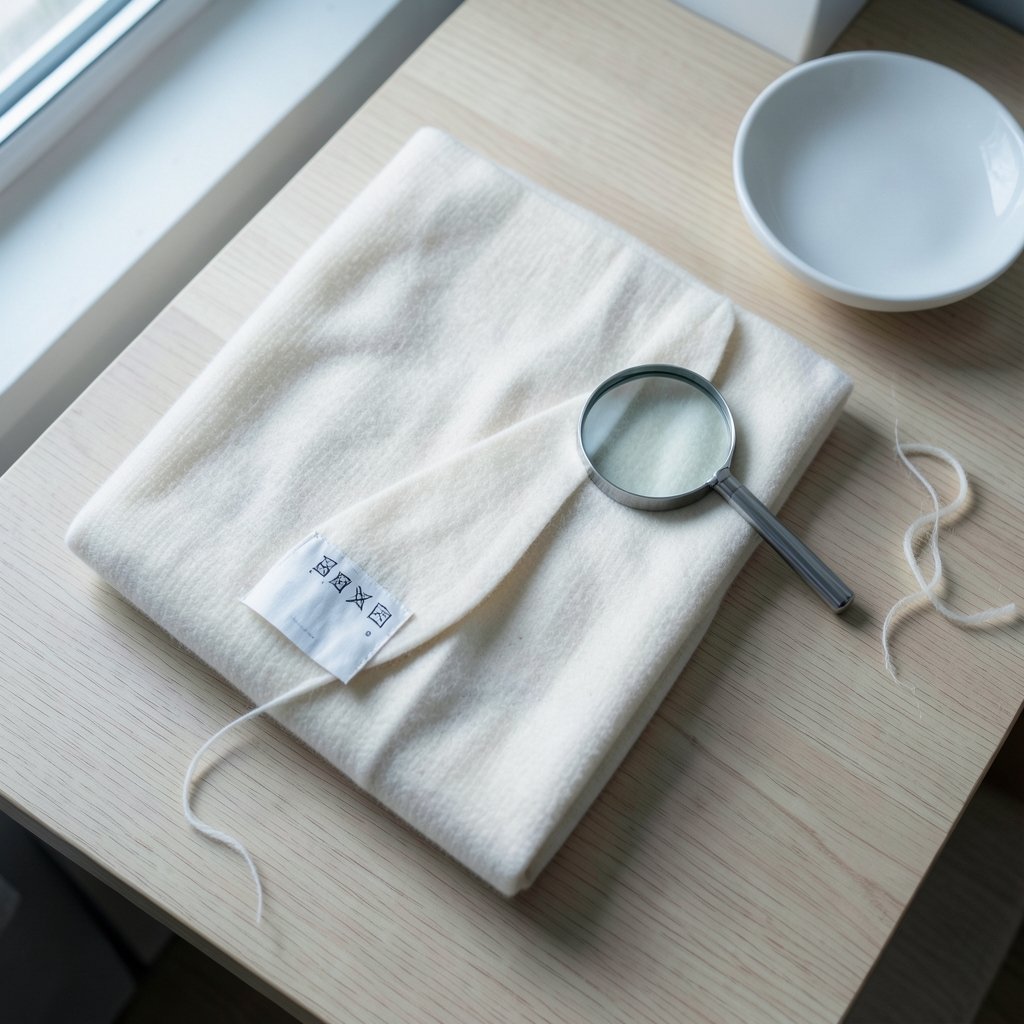
Read the label before anything touches water. The symbols do most of the talking. A wash tub with a number means machine wash up to that temperature; one bar underneath means a gentle cycle, and two bars mean a delicates or wool cycle. A tub with a hand means hand wash only. A crossed-out tub means do not wash. A circle with a letter points to professional cleaning.
If the label is missing, treat the blanket as hand-wash-only. It is also worth confirming whether the wool is untreated or superwash, because machine-washable wool tolerates far more than raw wool does. Untreated wool should never go above lukewarm, around 30 degrees Celsius. If you are unsure which care symbols you are looking at, this breakdown of clothing wash care symbols and what each label icon actually means covers the whole set.
Step 2: Decide Whether It Needs a Full Wash at All
Here is the step most people skip. Wool does not need frequent washing. Natural lanolin in the fiber helps it resist dirt and moisture, and wool hardly takes on smells. In most cases, airing the blanket outside over a chair or a washing line is enough to freshen it.
A sensible rhythm is a weekly airing when the weather allows, and a proper wash only when something has been spilled or the blanket has picked up a real odor. A thrifted blanket with a long-stored, mothball smell is a classic case for a full wash, though it should be aired outdoors first until the smell fades, since mothball odor is not something to take lightly around babies.
Step 3: Spot-Treat Stains Before Washing
Spread the blanket flat and look for stains. Pretreat each one with a dab of gentle detergent or Castile soap, work it in with your fingers, and let it sit for at least ten minutes so the cleaner can break the bond between wool and stain.
For a single fresh spill, skip the full wash entirely. Blot with a clean dry cloth from the outside of the stain inward, dampen a second cloth with cool water and a drop of wool wash, blot again, then blot with plain water to lift the soap. Press with a dry towel and air dry flat. Never rub, and never apply heat to a stain you have not removed, because heat sets it for good.
Step 4: Wash by Machine or by Hand
Machine washing
Machine washing is less complicated than its reputation suggests. Use the delicate or wool cycle with cold water and a mild detergent. Speed Queen’s guidance on washing wool recommends the most neutral, mild detergent available, ideally one made specifically for delicates. Load the blanket loosely, alone or with other woolens, and never let it compete with towels or jeans for drum space.
A front loader is generally kinder here because the tumbling action moves the blanket through the water rather than dragging it around a central agitator. That gentler mechanical action is the same reason front loading washers with a tumbling drum still win on water and fabric care. If you are shopping for a machine and want something simple that will last, a basic washer pick with no frills that lasts is a better match for wool than a gadget-heavy model.
Hand washing
Fill a tub with room-temperature water, add wool-safe detergent, and submerge the blanket. Soak it for about 30 minutes, then rinse in water of the same temperature. Consistent temperature matters as much as the temperature itself, so never rinse hot then cold. Gently press the water through the blanket instead of scrubbing or wringing.
Step 5: Remove Water Without Wringing
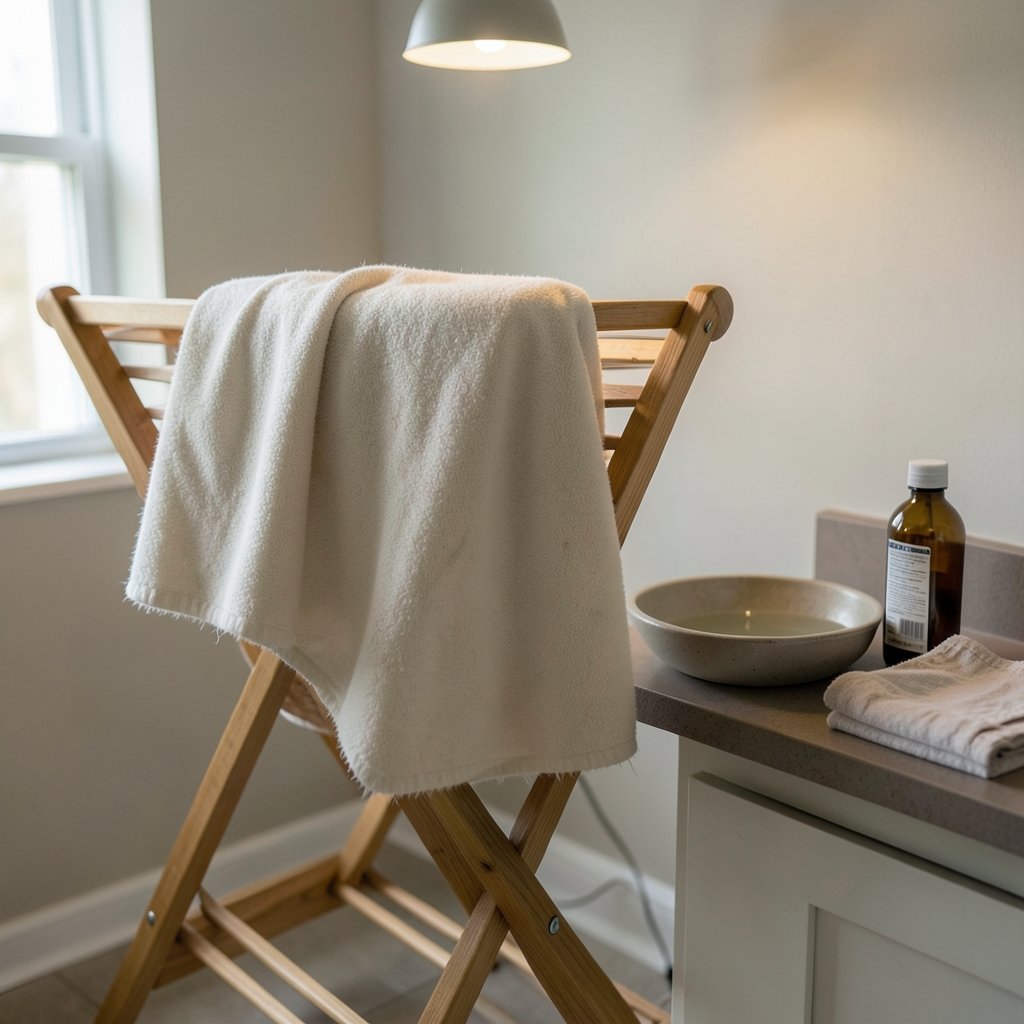
Lift the wet blanket with both hands and support its full weight, because soaked wool stretches under its own mass. Lay it on a dry towel, roll the towel up with the blanket inside, and press down to blot out water. Repeat with a second towel if needed. Do not twist, wring, or hang the blanket over a line while wet.
Step 6: Dry Flat, Away From Heat
Drying is where most wool blankets are ruined, because the dryer is the fastest way to felt and shrink wool. The rule is absolute: never tumble dry a wool blanket on heat.
Lay the damp blanket flat on clean dry towels on the floor or a drying rack, and gently reshape it to its original dimensions while it is still wet. Keep it out of direct sunlight and away from radiators, heaters, and hot air, all of which cause uneven shrinking. Flip it over and swap the damp towels partway through so both sides dry evenly. Wool holds a lot of water and dries slowly, so expect a day or more. Be patient rather than reaching for the dryer.
Step 7: Store It Properly Between Seasons
Make sure the blanket is completely dry before folding it. Wool put away damp develops mildew and a musty smell that is very hard to remove. Clean the blanket before storing it, since moths are drawn to body oils and food residue rather than clean wool, and a blanket stored soiled is the one that gets holes.
Fold it loosely into a breathable cotton bag or an old pillowcase rather than sealed plastic, which traps moisture. Cedar blocks and lavender sachets can help as a backup.
Common Mistakes and How to Troubleshoot Them
The blanket came out smaller and stiff. That is felting, and it cannot be undone. Prevention is the only fix: cold water, gentle cycle, no dryer.
The blanket stretched out of shape. Usually the result of lifting it unsupported while wet or hanging it to dry. Reshape it while damp and dry it flat next time.
A musty smell survived the wash. The blanket may not have dried fully before storage. Air it outdoors on a dry day and rewash only if the smell persists.
The color ran or the texture roughened. Harsh detergent or a hot wash is the likely culprit. Switch to a mild, neutral wool detergent. If you use cleansing products with active ingredients in the same household, keep them well away from wool, since a gentle cleanser and retinol wash routine that does not wreck your skin belongs in the bathroom, not the laundry.
The mothball smell will not budge. Air it outside until the odor fades, then wash at the coolest temperature the fiber can handle.
A washable wool hat or throw needs the same treatment. Small wool items follow the same rules, and this guide to washing a hat without wrecking the brim or shape applies the same logic on a smaller scale.
One more practical tip: if the blanket is valuable and the label allows only professional cleaning, believe it. A dry cleaner is always a reasonable option, and washing wool at home is only safe when the settings match the fiber.
Conclusion
A wool blanket rewards restraint. Air it often, wash it rarely, and when you do, keep three things away from it: heat, friction, and sudden temperature changes. Those are the forces that make wool felt and shrink, and they are entirely avoidable. Cold water, a mild wool detergent, a gentle cycle or a 30-minute soak, and a flat dry in the shade will keep a good blanket soft and full-sized for decades.
Frequently Asked Questions
Can you machine wash a wool blanket?
Yes, if the care label allows it. Use the delicate or wool cycle with cold water and a mild, neutral detergent, and load the blanket loosely on its own. If the label shows a hand-wash symbol or a crossed-out tub, hand wash or dry clean instead. Blankets with heating elements should never go in the machine.
Why did my wool blanket shrink after washing?
The fibers felted. Wool strands have microscopic scales that lift in heat and moisture, then lock together under agitation, and the fabric becomes denser and smaller permanently. There is no treatment that reverses it, so prevention through cold water, low agitation, and air drying is the only real strategy.
Can I put a wool blanket in the dryer?
No, not on heat. The dryer is the single fastest way to felt and shrink wool. Air-dry the blanket flat on towels, reshape it while damp, and keep it away from radiators and direct sun. A no-heat air-fluff cycle is a gamble most wool owners should skip.
How often should a wool blanket be washed?
Far less often than cotton bedding. Wool resists dirt and odor thanks to natural lanolin, so a weekly airing outdoors usually keeps it fresh. Wash it when it has been spilled on, has picked up a real smell, or is heading into storage for the season.
What detergent is safe for wool?
The mildest, most neutral detergent you can find, ideally one formulated for delicates or wool. Biodegradable delicate detergents are a good choice for difficult items. Avoid harsh biological powders and anything with heavy enzymes or bleach, which strip the fiber and roughen the surface.
How do you dry a wool blanket without stretching it?
Support its full weight with both hands when lifting it wet, roll it in a dry towel to blot out water, then lay it flat to dry and reshape it to its original dimensions. Flip it partway through and swap the damp towels. Never hang a soaked wool blanket over a line, because the weight will pull it out of shape.
For blankets with special finishes or embellishments, check the label first and treat any trim, fringe, or embroidery as a separate concern. When in doubt, test a small hidden corner before washing the whole piece. With a little patience and the right settings, a wool blanket stays soft, warm, and true to size for many seasons.