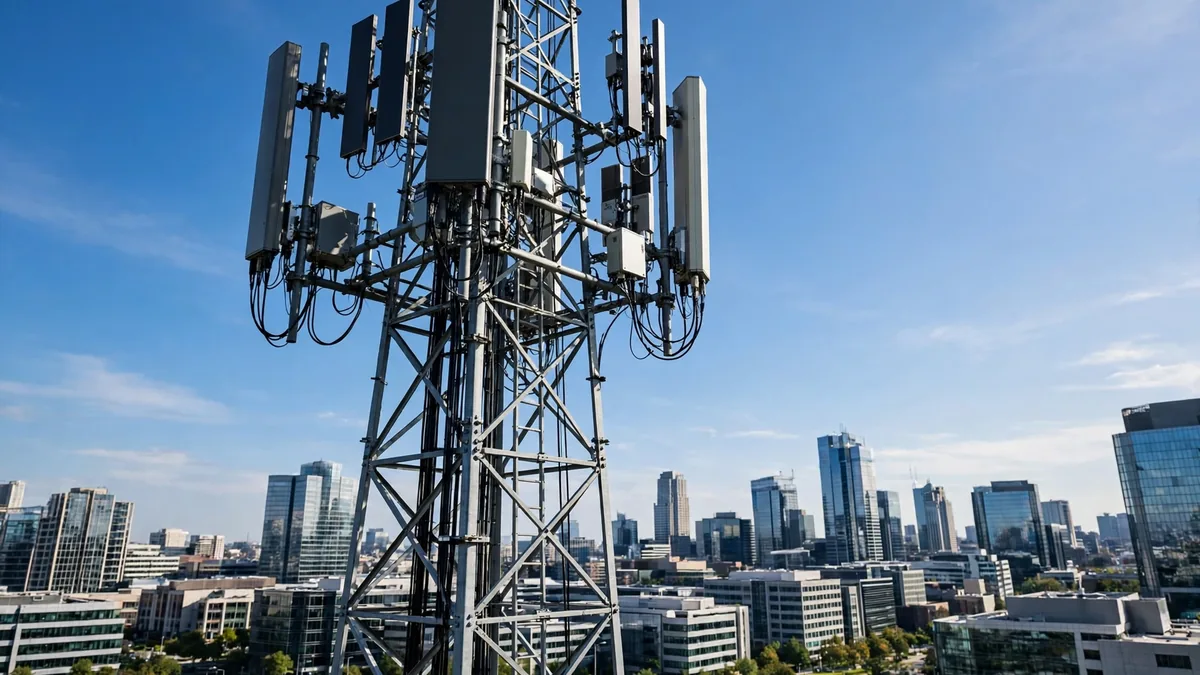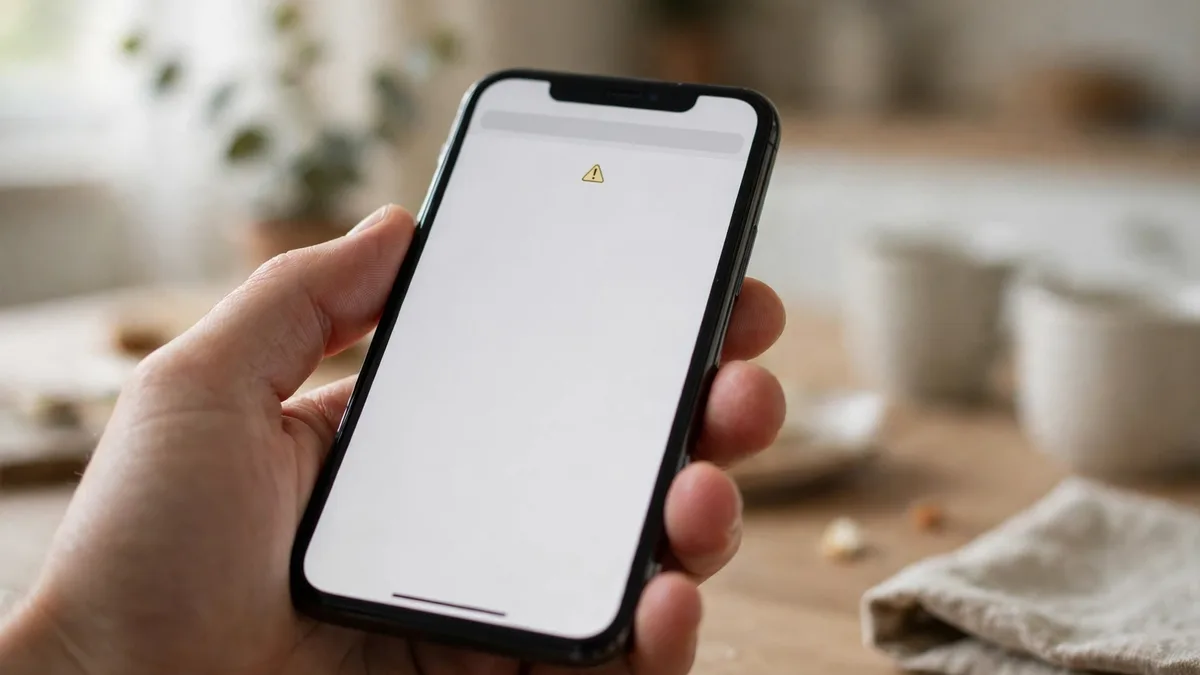
Some websites will stop working on your iPhone in 48 hours, through no fault of their own. From Monday, November 30, 2026, Apple will stop trusting a widely used digital certificate root, so Safari on iPhones, iPads and Macs will no longer accept secure connections from websites that still rely on it. The page will not load; the browser will show a security warning instead.
The change closes a security incident that began in October, when a researcher found dangerously weak private keys behind eight intermediate certificate authorities run by eMudhra, the Indian company behind the emSign brand. Those keys could have let an attacker forge certificates and impersonate legitimate websites.
Most iPhone owners will never notice, because the great majority of websites use other certificate providers. But sites that still depend on the affected certificates — including services at some large American universities — will become unreachable from Apple devices until their operators install replacements. No setting on your phone fixes it, and tapping past the warning is exactly what you should not do.
Key takeaways
- From Monday, November 30, 2026, Apple stops trusting the emSign Root CA – G1 root on iPhone, iPad and Mac.
- The change covers all certificates under that root, whenever they were issued — broader than the November 16 cutoffs used by Chrome, Firefox and Microsoft.
- The cause: weak private keys found in October 2026 on eight eMudhra intermediate certificate authorities, which could have allowed forged certificates.
- Universities face the biggest disruption: research on November 16 found 8,304 certificates across 59 major universities without identified replacements.
- If Safari shows a certificate warning after November 30, do not tap past it or enter passwords or payment details.
| Item | Detail |
|---|---|
| Deadline | Monday, November 30, 2026 |
| What changes | Apple stops trusting the emSign Root CA – G1 on iPhone, iPad and Mac |
| Scope | All certificates under the G1 hierarchy, whenever issued |
| Root cause | Weak private keys on eight eMudhra intermediate authorities, found in October 2026 |
| Most affected | US universities on InCommon certificates, plus other emSign sites |
| User fix | None on the device; website operators must replace the certificate |
What Changes on Monday, November 30
When you open a website over a secure connection, your browser checks the site’s digital certificate, which proves the site is who it claims to be. That check works because your device keeps a list of certificate authorities it trusts. When an authority leaves that list, every certificate chaining back to it stops being trusted, even if it has not expired.
That is what happens on November 30, when Apple removes the emSign Root CA – G1 from its trust stores and Safari refuses secure connections to sites whose certificates chain to it. Visitors will see a warning that the connection is not private, and the page will not load. The site has not been hacked; the trust that made the connection possible has simply been withdrawn.
The November 30 date comes from eMudhra itself, echoed by InCommon, the shared certificate service for American research and education institutions, and by Stanford University’s IT team. As of November 28, no Apple page stated the date. What makes Apple’s step broader than the others is its reach across time: Chrome and Firefox stopped trusting G1 certificates issued after November 16, while earlier ones kept working there, and Microsoft began removing eMudhra roots on the same date. Apple’s change, as eMudhra described it on November 5, means all G1 certificates, whenever issued, will cease to be trusted on its platforms.
Why Apple Is Removing Trust in the emSign G1 Root
In October 2026, a security researcher found that the private keys of eight intermediate certificate authorities operated by eMudhra were dangerously weak and could be recovered. A private key is the secret half of a certificate authority’s identity: anyone holding it can issue certificates browsers accept as genuine. Six of the eight issued website certificates, two were used for code signing, and Microsoft’s Security Response Center reported on October 26 that all eight keys could be recovered.
With a recovered key, an attacker could have created a certificate that looked legitimate for any website, then intercepted traffic or impersonated the site. eMudhra revoked the eight intermediates on October 18 and has since exited the web certificate business. There is no reported evidence the weak keys were used in an attack, but once a key can be recovered, every certificate it vouched for becomes suspect.
The G1 root itself was not one of the eight compromised intermediates; they sat under a different root, the G3 hierarchy. But the incident destroyed confidence in eMudhra’s certificate operations as a whole, so the major root programs phased out the company’s roots. Apple had already blocked the compromised G3 certificates, and macOS updates 27.2.1, 26.7.3 and 15.8.3 remove the G1 root from the file command-line tools such as curl and git read.
How the Other Platforms Already Responded
Apple is the last major platform to complete its removal, not the first. Google confirmed Chrome would stop trusting G1 certificates with a signed certificate timestamp after November 16, Mozilla applied the same cutoff in Firefox, and Microsoft began removing the remaining eMudhra roots from Windows, Edge and Azure that day. Oracle’s Java and Amazon Linux had already removed trust in the G1 hierarchy.
The staggered timetable explains why the problem may feel sudden on an iPhone even though the incident is weeks old. A website that kept working in Chrome after November 16, because its certificate predated the cutoff, can still fail on an iPhone after November 30, because Apple’s rule has no grandfather clause.
Why Universities Face the Biggest Disruption
The heaviest impact is expected at American universities, because of dependencies few students ever see. Many institutions get certificates through InCommon, a shared service for research and education that moved to an eMudhra-backed platform earlier in 2026. When eMudhra’s certificates lost trust, those universities inherited the problem in bulk, across hundreds of services each.
Research published by CertKit on November 16 identified 8,304 certificates across 59 major universities for which replacements had not been identified. That does not mean 8,304 websites will break — one service can hold several certificates — but it is the clearest measure of how much migration was still outstanding two weeks before the deadline. The University of Washington has warned that sites still using affected certificates after November 30 will become inaccessible to Apple users, and Cornell and Stanford have issued urgent notices.
InCommon has moved its issuance to SSL.com and asked members to replace affected certificates by November 16, ahead of Apple’s date. eMudhra said on November 5 that it had moved its TLS customers to other providers everywhere except the United States, where the move was still in progress, and anticipated the remaining customers would meet Apple’s deadline.
What to Do If a Website Shows a Warning
If you open a site after November 30 and Safari warns you the connection is not private, take it seriously. Do not tap through it, enter a password, or type in payment details on that page. The safe move is to stop, use another device or browser if you need the service urgently, and contact the site’s operator.
For website owners, the work is short and urgent. Find every certificate whose chain leads to the emSign Root CA – G1, checking the actual chain and root rather than just the issuer name. Replace any certificate that chains to that root, install the full new chain rather than only the leaf certificate, and update anything with its own trust store — Java keystores, load balancers, appliances and configuration profiles — then test from an iPhone or a Mac. There is nothing to change in your iPhone’s settings: no toggle or reset restores trust in a certificate Apple has removed. If you manage logins across many services, keeping them in one of the best password managers for iPhone users makes it easier to change a password quickly if you ever entered credentials on a site you later doubt.
What It Means for iPhone Users
For most people, November 30 will pass without incident: eMudhra anticipated its remaining customers would finish migrating in time. The disruption, if it comes, will be concentrated rather than general — a university portal here, a departmental site there.
The episode is a reminder of how much of the web rests on trust users never see. One certificate authority vouches for thousands of sites, and when its keys prove weak, the only safe response is to stop trusting it, even though that breaks legitimate sites. If you are weighing a new handset, our iPhone 17 vs Pixel 10 comparison covers that decision separately from this deadline. And the week of outages before this deadline has already pushed technology leaders to plan for the next one, as our report on how CIOs are preparing for the next outage describes.
Checklist: Before Monday, November 30
- Never ignore a Safari certificate warning after November 30, or enter passwords or payment details past one.
- Try the site in another browser or device, and tell the operator what happened.
- Keep your iPhone updated for general security, though no update fixes an affected certificate.
- If you run a website, check the full certificate chain for the emSign Root CA – G1, not just the issuer name.
- Replace any affected certificate, install the complete new chain, and test the site from an iPhone or Mac.
- Update every system with its own trust store, including Java keystores, load balancers and configuration profiles.
Frequently Asked Questions
Will all websites stop working on my iPhone on November 30?
No. Only sites whose certificates chain to the emSign Root CA – G1 are affected; most use other providers.
Does this mean the affected websites have been hacked?
No. The sites are legitimate, and no reported evidence says the weak keys were used in an attack. Their certificates simply stop being trusted.
Can I fix it by changing a setting on my iPhone?
No. The certificate lives on the website’s server, and no iPhone setting restores trust in it. Only the site’s operator can fix it with a replacement certificate.
Why does the site still work in Chrome but not in Safari?
Chrome and Firefox only stopped trusting G1 certificates issued after November 16. Apple’s change covers all G1 certificates, whenever issued, so a site can work in one browser and fail in another.
Which sites are most likely to be affected?
Services at American universities are the most exposed, because many use InCommon certificates from an eMudhra-backed platform. Research on November 16 found 8,304 certificates across 59 major universities without identified replacements.
Did Apple itself announce the November 30 date?
As of November 28, no Apple page stated the date. It comes from eMudhra’s incident statement, and is also given by InCommon and Stanford University IT.
Bottom Line
On Monday, November 30, some websites will stop working on iPhones not because they were attacked, but because Apple is withdrawing trust in the certificate root that vouches for them. The cause is serious: private keys that could be recovered. For most users the day will be unremarkable, and for the sites still migrating, the fix is known and available.
If a site you rely on shows a certificate warning next week, treat it as information, not an invitation to tap through. Tell the operator, use another route to the service if you can, and wait for the replacement certificate to land. The trust that makes the web work is invisible until it is withdrawn.