
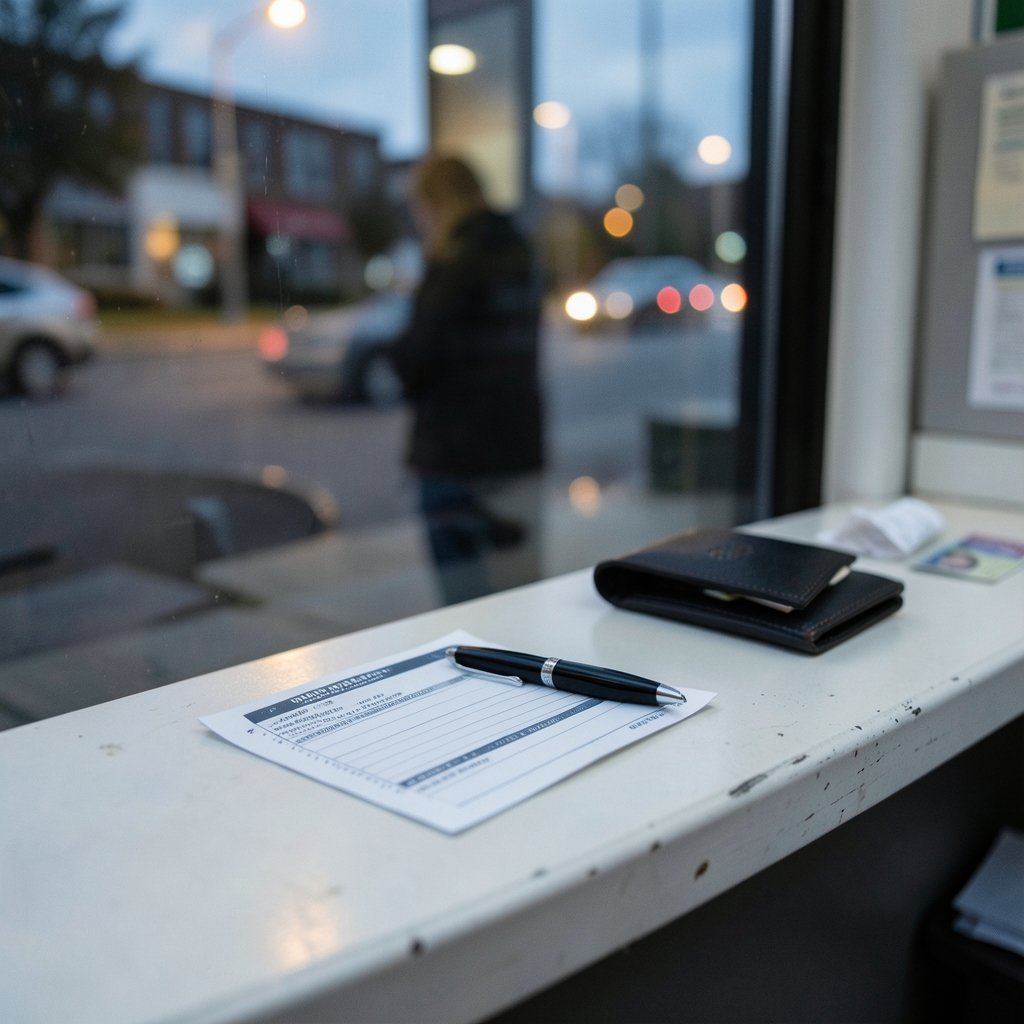
Quick Answer: Where can i cash a money order?
The safest place to cash a money order is usually the business that issued it: the post office for postal money orders, or the bank, credit union, or retailer that sold it. Banks and credit unions often cash money orders for their own customers, sometimes with holds or limits, while many will not cash one for a non-customer. (Threat intelligence actually costs 2025 where money goes)
Retailers that sell money orders, such as Walmart through its MoneyCenter service, grocery chains, and dedicated check-cashing stores, commonly cash them too, usually for a fee and with photo ID required. The issuer is generally cheapest and lowest-risk; third parties are faster and more convenient but cost more.
Before choosing a spot, compare the fee, whether you are a customer there, the ID and receipt requirements, how much cash you can get at once, and how long a hold might delay your money.
Why the Issuer Is Almost Always Your Best First Stop
Picture this: someone hands you a money order for $300. It looks official, it has a serial number, and it seems like cash in paper form. So why does cashing it feel so complicated?
Because a money order is not cash. It is a prepaid paper instrument. You buy it for a set amount, and the issuer promises to pay. The buyer pays the face value plus a fee, and that fee is not standardized across issuers. That single fact explains most of the confusion people run into at the counter.
The issuer is the party that already knows the instrument is real. That is why cashing at the source is usually the cheapest and safest move. A postal money order cashes at a post office. A money order bought at your credit union cashes at that credit union. There is no third party taking a cut, and no clerk squinting at a serial number wondering whether it is counterfeit.
Here is where people go wrong: they treat the money order like a check and walk into the nearest bank. If they are not a customer, they often get turned away. Many institutions simply will not cash a money order for a non-customer, and there is no single national rule forcing them to. Policies are set institution by institution. (Best budget gaming pc build where your money actually)
The practical tip is boring but effective: keep the receipt. The receipt ties you to the purchase and makes any dispute far easier to resolve. Losing it does not automatically doom you, but it makes every conversation harder.
Banks and Credit Unions: Great for Customers, Cold for Strangers
If you have an account, your bank or credit union is a strong option. Many will cash money orders for their own customers, though often with holds or limits. A teller might accept the instrument but place a hold on the funds until it clears, especially for larger amounts.
That hold is not personal. It reflects how deposit and check-hold rules work behind the scenes, and the rules that govern when deposited funds become available are worth understanding if you cash money orders regularly.
| Where you cash it | Typical cost | Who it is best for | Main catch |
|---|---|---|---|
| Issuing post office | Low or no fee | Anyone with a postal money order | Long lines, daily limits |
| Your bank or credit union | Often free for customers | Account holders | Holds possible; non-customers refused |
| Retailer that sold it | Small fee, varies | People already shopping there | ID and receipt often required |
| Check-cashing store | Percentage or flat fee | People without bank accounts | Highest cost, state-regulated |
| Currency exchange | Fee varies | Urban areas, travelers | Not everywhere |
The takeaway from that table is simple. The closer you stay to the issuer, the less you pay. The farther you go, the more convenience costs you.
The Post Office: The Most Predictable Route
Postal money orders are among the most widely accepted instruments in the country, and the post office cashes its own. Domestic postal money orders are capped at $1,000 each, and a single customer can buy up to $25,000 in postal money orders per day.
That cap matters when you are on the receiving end of a large payment. A $3,000 debt cannot arrive as one postal money order. It arrives as three or more, and each one needs to be cashed. Knowing the limit in advance saves you a wasted trip and an awkward conversation at the window.
Post offices generally cash their own money orders, and the fee schedule has changed over time, so check the current terms before you count on a specific price. Bring photo ID. Expect a line on a Saturday morning. Bring the receipt if you have it.
One more thing worth knowing: postal money orders can be replaced if they are lost or stolen, which is part of why they are popular for paying rent, contractors, and relatives. That replacement process has its own paperwork, so treat the document like cash once it is in your hands.
Retailers and Check-Cashing Stores: Convenience With a Price
Retailers that sell money orders often cash them too. Walmart, through its MoneyCenter service, is the best-known example, and many grocery chains offer similar services. These counters usually charge a fee and may ask for government-issued photo ID. Limits and fees vary by location and change often, so check locally rather than trusting a number you read online last year.
Check-cashing stores and some currency exchanges will cash money orders for a fee, typically a percentage of the face value or a flat charge. In the United States, these businesses are regulated at the state level, which is why the same chain can feel like a different business in two neighboring states.
Who benefits from this route? People without a bank account, people whose bank is closed, and people who need cash the same day. Who pays too much? Anyone cashing a $20 money order at a store that charges a $5 minimum. On small amounts, percentage fees sting far more than they look.
A practical habit: ask the fee before you hand over the paper. Clerks quote it readily, and knowing the number lets you walk away if it is silly. Also ask whether the store cashes money orders it did not sell. Many will not, because they cannot verify an instrument they did not issue.
Identification, Limits, and the Paper Trail
Most places that cash money orders want government-issued photo ID, and some log the transaction. Requirements vary by state and by business, so two stores on the same street can ask for different things.
Expect these friction points:
- A per-transaction cap, sometimes lower than the money order’s face value.
- A requirement that you be a customer or a member.
- A hold on funds rather than cash in hand.
- A refusal to cash instruments the business did not issue.
- A request for the original receipt.
The pattern is consistent: the more verification a business does, the safer the transaction is for everyone, and the more paperwork you should bring. Treat the money order, the receipt, and your ID as a set. Missing one piece slows everything down.
Fraud: Why Some Counters Say No
Counterfeit and altered money orders exist, and cashing one can leave you liable if it later bounces. That is the real reason so many clerks are cautious. They are not being difficult; they are protecting themselves from a loss they cannot recover.
The most common scheme does not involve a fake document at all. It involves a stranger who “overpays” with a money order and asks you to send back the difference. The instrument turns out to be worthless, the difference is gone, and the victim is left holding the loss. Consumer protection agencies publish guidance on recognizing these payment scams, and the pattern repeats across fake prizes, fake jobs, and fake landlords.
The internal link above explains why recovery is so rare once money leaves your hands, and the same logic applies here. A money order from a stranger you met online is not a payment. It is a proposal.
Practical rules that actually work:
- Only accept money orders from people you can identify and contact again.
- Cash at the issuer when the instrument came from a business you trust.
- Never send part of the funds back to anyone, for any reason.
- Photograph the money order and receipt before cashing.
If a deal requires you to deposit a money order and immediately wire money elsewhere, it is a scam. There is no exception worth testing.
What It Actually Costs, and How to Compare
Fees are the quiet tax on cashing money orders, and they vary more than most people expect. A bank might charge nothing for a customer. A check-cashing store might charge a percentage. A retailer might charge a small flat fee. Over a year of paying rent by money order, those differences add up to real money.
Comparing costs is easier when you think in categories. Fixed fees punish small money orders. Percentage fees punish large ones. Membership requirements quietly exclude anyone without an account. The cheapest option for a $900 money order is often not the cheapest option for a $40 one.
If you handle money orders often, it is worth understanding where the costs of financial tools actually land, because the visible fee is rarely the whole story. The same discipline applies to security spending: budgets look different once you count the hidden line items. That is the thinking behind this breakdown of where identity protection money really goes, and the logic transfers neatly to any recurring fee you pay for convenience. (Identity threat detection really costs where money goes) (Money transfers and remittances)
The bottom line on cost: ask three questions before cashing anywhere. What is the fee? Is there a hold? Do I need to be a customer? The answers sort your options in under a minute.
Common Mistakes People Make
The first mistake is assuming every bank will cash a money order. Many will not, especially for non-customers, and standing in the wrong line wastes an afternoon.
The second is losing the receipt. It is not fatal, but it turns a simple dispute into an investigation.
The third is cashing a money order for a stranger. No fee is low enough to justify that risk.
The fourth is ignoring the daily purchase cap on postal money orders when planning a large payment. Splitting a big sum into multiple instruments is normal, but it needs planning.
The fifth is treating a cleared money order as final before it actually clears. A hold exists for a reason, and spending money that is not yet available is how people end up overdrawn.
Conclusion
Cashing a money order comes down to one principle: stay close to the issuer. The post office cashes postal money orders. Your bank or credit union cashes them for customers, sometimes with a hold. Retailers and check-cashing stores will do it for a fee, and that fee buys convenience, not safety. Bring photo ID, keep the receipt, and treat any money order from a stranger as a risk until it clears. Do those things, and the question stops being stressful. It becomes a quick errand with a known price.
Frequently Asked Questions
Can I cash a money order at any bank?
No. Many banks and credit unions cash money orders only for their own customers, and policies are set institution by institution. If you do not have an account, call ahead or expect to be redirected to the issuer or a check-cashing service.
Can I cash a postal money order at a grocery store?
Sometimes. Retailers that sell money orders often cash them, but many will only cash instruments they issued themselves. Bring photo ID and the receipt, and ask about the fee before handing over the paper.
Do I need ID to cash a money order?
Usually yes. Most cashers ask for government-issued photo ID, and some log the transaction. Requirements vary by state and by business, so two nearby stores can ask for different documents.
What happens if I lose the receipt?
You can often still cash the money order at the issuer, but the process gets harder and slower. The receipt makes disputes and replacements much easier, which is why keeping it with the instrument until it is cashed is the smart habit.
Is it safe to cash a money order from someone I met online?
Treat it as unsafe until proven otherwise. Fake overpayment schemes use money orders that later bounce, leaving the person who sent back the difference holding the loss. Only accept money orders from people you can identify and contact again.
How long does it take for a cashed money order to clear?
It depends on where you cash it. At the issuer, you often walk out with cash. At a bank, a hold may delay availability, and the length of that hold follows the institution’s own deposit rules rather than a single national standard.



