

Quick Answer: Which pennies are worth money?
The pennies worth money are a small group: key-date Lincoln cents like the 1909-S VDB, famous error coins such as the 1955 doubled die and the 1943 copper cent, and older Indian Head or Flying Eagle cents in strong condition. In practice, readers can check their coins against mintage records, examine them for doubling or wrong-metal errors, and get an honest grade before assuming value.
Most wheat cents and nearly all modern copper-plated zinc cents are worth face value, so the hunt is about separating a handful of real rarities from a jar of common coins. Condition often matters as much as the date, and a cleaned or damaged key date can lose most of its premium.
Before acting on any coin, compare the date and mintmark, the grade or condition, signs of cleaning or alteration, whether the coin is a known error variety, and what collectors are actually paying rather than what a headline claims.
Why So Many People Think Their Penny Is Rare
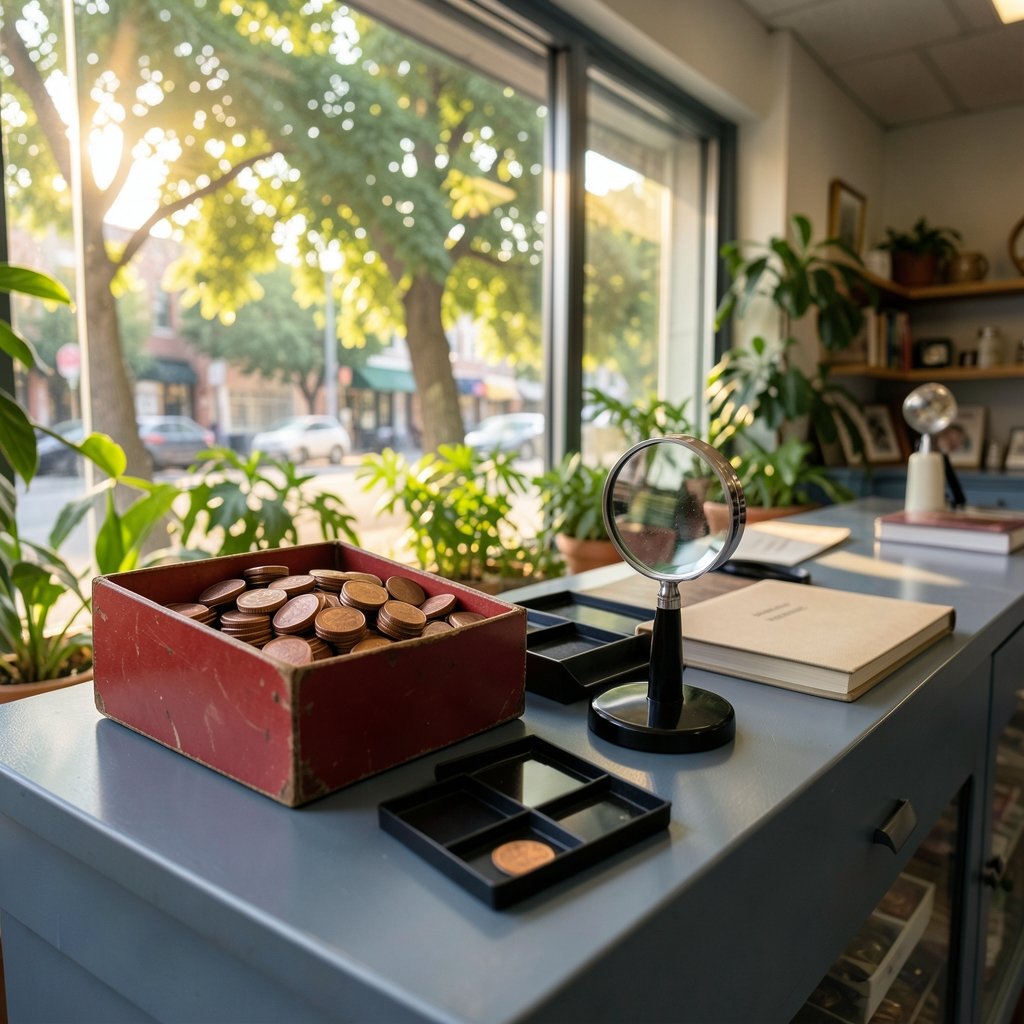
Almost everyone has heard a story about a penny worth thousands of dollars. A relative swore the jar in the closet held a fortune. A social media post claimed a pocket coin was a jackpot. The result is a familiar scene at coin shops: a shoebox of wheat cents, hopeful faces, and a dealer gently explaining that most of it is worth about three cents a coin in bulk. (Cat6 vs cat6a home wiring which cable worth it) (Penny)
Here is the truth that rarely makes the viral post. The United States has minted hundreds of billions of one-cent coins. Rarity is not about age. It is about how few were made, how many survived, and how badly collectors want them. A 100-year-old penny from a year with a huge mintage can be worth a nickel. A 1955 cent with a striking error can be worth four figures.
This guide walks through the pennies that genuinely carry a premium, the errors that fool people, and the practical steps that separate a real find from wishful thinking. It also covers the mistakes that quietly destroy value, because the most common heartbreak in this hobby is not a fake coin. It is a real one that someone polished with a pencil eraser.
The Lincoln Cent Key Dates That Actually Carry a Premium
The Lincoln cent, introduced in 1909 for the 100th anniversary of Abraham Lincoln’s birth, is the series most people mean when they ask which pennies are worth money. Within it, a few dates stand far above the rest.
The 1909-S VDB
The first Lincoln cents carried designer Victor D. Brenner’s initials, VDB, on the reverse. Public complaints led officials to remove the initials partway through the year, which turned the San Francisco version into the series’ most famous key date. Mintage figures are commonly cited around 484,000, though exact counts vary by source. Even in worn condition, a genuine 1909-S VDB commands a serious premium, and counterfeits and altered coins are common.
The 1909-S and the 1914-D
The 1909-S without the VDB initials is scarce in its own right. The 1914-D, struck in Denver, is another low-mintage key date that collectors chase in every grade. Both are worth far more than face value even when heavily circulated, and both are frequently faked by adding a mintmark to a common coin.
The 1922 “No D” and the 1931-S
The 1922 plain cent is really a Denver coin with a worn or filled mintmark, and collectors treat it as a variety with real value. The 1931-S arrived during the Depression, when cent production dropped sharply, making it a key date that surprises people who assume 1930s coins are common.
The 1943 Steel Cent and Its Copper Twin
In 1943, the Mint struck cents in zinc-coated steel to save copper for the war effort. These gray coins turn up constantly and are usually worth very little in circulated condition, which shocks people who heard they were rare. The real prize is the 1943 copper cent, struck by mistake on copper planchets. Only a small number are known, commonly estimated around 40, and the count is debated. Fakes abound, including steel cents plated with copper, so a magnet test is the first step: a genuine copper cent will not stick.
The 1944 “Steel” Cent
The reverse error also happened. A small number of 1944 cents were struck on steel planchets left over from the previous year. The known population is tiny, and any candidate deserves expert authentication before anyone celebrates.
Older Cents: Indian Head and Flying Eagle
Before Lincoln, the cent carried a Native American head design from 1859 to 1909. The Indian Head cent has its own key dates, including the 1877 and the 1909-S, both made in small numbers. The 1859 issue has a laurel wreath reverse, while 1860 through 1909 use an oak wreath, a detail that matters to variety collectors.
The Flying Eagle cent ran only from 1856 to 1858, and the 1856 piece is a pattern or prototype year that is genuinely rare. These short series appeal to collectors because the full set is small, but key dates in any grade still cost real money.
Condition Beats Age Every Time
A common date in uncirculated condition can be worth more than a rare date in poor condition. That single principle explains most of the confusion in this hobby. Grading uses a 1-to-70 scale, and the difference between a worn coin and a sharp one can be a factor of ten or more in price.
| Coin | Typical circulated value | What drives the premium |
|---|---|---|
| 1909-S VDB Lincoln cent | High, even when worn | Key date, low mintage, heavy demand |
| 1955 doubled die cent | Solid premium in most grades | Famous error, strong collector demand |
| 1943 steel cent | Cents, not dollars | Huge mintage, common in collections |
| 1943 copper cent | Extremely high | Wrong-metal error, tiny known population |
| 1877 Indian Head cent | High in any grade | Low mintage, series key date |
| Common wheat cent (1930s-50s) | A few cents each in bulk | Face value unless uncirculated or an error |
The practical lesson: never assume a date alone makes a coin valuable. Look at wear on the cheek, the wheat stalks, and the lettering. Sharp details mean more money.
Error Coins: Where the Real Money Hides
Errors and varieties are where beginners find genuine surprises, because they do not depend on a famous date.
The 1955 doubled die shows a clearly doubled date and lettering from a die mistake, and it is the most famous Lincoln error. Other doubled dies exist across many years, some valuable and some worth only a small premium.
Off-center strikes and clipped planchets happen when a blank is misaligned or cut wrong. Collectors pay more for dramatic, clean examples. Repunched mintmarks matter to variety specialists. The key skill is knowing what to look for, and reference material helps: the American Numismatic Society publishes scholarly resources on coin types and varieties that go deeper than most hobby pages.
What Actually Works in Practice
Practical experience beats theory here. A few habits separate successful hunters from disappointed ones.
- Sort by decade first. Pull out anything before 1959, then check dates against a key-date list.
- Use a magnet on any gray 1943 or 1944 cent. Steel sticks; copper does not.
- Look at mintmarks under good light with a loupe. Altered mintmarks often look lumpy or leave a seam.
- Weigh suspicious coins. A wrong weight can reveal plating, a fake, or a wrong planchet.
- Never clean a coin. Cleaning, polishing, or altering typically destroys numismatic value, and dealers spot it instantly.
- Get an honest opinion before selling. A local coin shop or a grading service can confirm what a coin actually is.
The most common mistake is assuming every wheat cent is rare. The second most common is cleaning a coin that was worth money. The third is buying into a headline that inflates a common coin’s value.
Where to Verify Before You Sell
Before accepting any offer, check the coin against a reliable reference. The U.S. Mint publishes official coin specifications and history that help confirm what a genuine issue should look like. Grading standards matter too, and the Sheldon 1-to-70 scale used by professional graders is explained in numismatic references worth reading before you pay for an opinion.
It also helps to understand how collectors value things generally. The same logic that applies to coins, where condition and scarcity drive price, shows up in other buying decisions. If you enjoy weighing whether something is worth the money, a look at which Nintendo Switch 2 games are worth your time and money shows the same trade-off between hype and real value. (Ynab vs monarch money zero based budgeting vs net worth) (Money as You Grow)
Common Myths That Cost People Money
A few myths refuse to die, and each one leads someone to overpay or under-sell.
The biggest is that all 1943 cents are rare. They are not. The steel cents were made in huge numbers and are among the most common wheat cents in collections.
Another is that age equals value. A worn 1919 cent is worth cents, while a sharp 1931-S is worth far more. Date and condition together tell the story.
A third is that a coin found in change must be valuable because it “looks old.” Most old-looking cents are simply circulated common dates. The exception is a genuine error or key date, which is why checking a reference list matters more than gut feeling.
Finally, people trust online listings as price guides. Asking prices are not sale prices. Completed sales tell the real story.
When a Penny Is Worth Grading
Professional grading costs money, so it only makes sense when the coin’s potential value clearly exceeds the fee. Key dates, major errors, and high-grade uncirculated coins justify it. A common wheat cent does not.
If a coin looks promising, get a second opinion first. Many dealers will look at a coin for free and tell you honestly whether grading is worth it. That conversation saves people from spending more on certification than the coin is worth.
Conclusion
The pennies worth money are a short list: key dates like the 1909-S VDB, the 1914-D, and the 1931-S, famous errors like the 1955 doubled die, wrong-metal mistakes like the 1943 copper cent, and older Indian Head or Flying Eagle rarities in strong condition. Everything else is mostly face value, and that is fine. The hobby rewards patience and honest checking, not hope. Sort by decade, test with a magnet, inspect mintmarks, keep coins uncleaned, and verify before selling. Do that, and the rare find, when it comes, will be real.
FAQ
Are all 1943 steel pennies valuable?
No. The steel cents were struck in large numbers to save copper during World War II, and circulated examples are common. Value depends on grade and on whether the coin is a genuine error, such as a copper planchet struck by mistake.
How can I tell if a 1943 copper penny is real?
Start with a magnet. A genuine copper cent will not stick, while a copper-plated steel cent will. Weight and color also help, but any serious candidate should be authenticated by an expert before a sale.
Does cleaning a penny really destroy its value?
Yes, in most cases. Cleaning, polishing, and altering remove original surface and leave marks that graders and dealers detect easily. An uncleaned coin in the same grade is almost always worth more.
Is the 1909-S VDB the rarest Lincoln cent?
It is the most famous key date, but not the only scarce one. The 1914-D and 1931-S are also key dates, and the 1922 plain variety carries real value. Rarity depends on mintage, survival, and collector demand together.
Can I find valuable pennies in pocket change?
Occasionally, but rarely. Modern cents are common, and most finds are wheat cents worth a few cents each. The realistic payoff comes from checking mintmarks and errors carefully rather than hoping for a jackpot.
Should I send every old penny for professional grading?
No. Grading costs money, so it only pays off when a coin’s likely value clearly exceeds the fee. Key dates, major errors, and high-grade coins justify it. Common dates do not.



